 You Fine Sculpture
You’re investing in a bronze figure statue, and you want to know: would it last for my lifetime? For my children’s? For centuries? This is the most common question I hear from clients in our foundry.
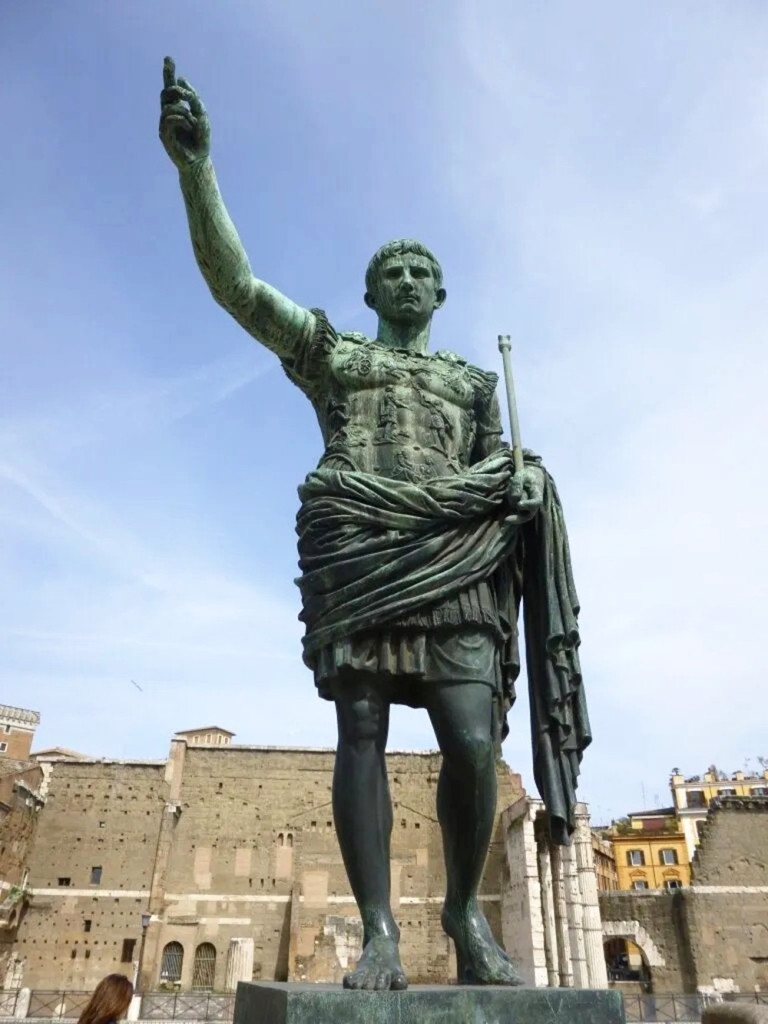
A well-made bronze statue could last for over 2,000 years. This isn’t just a promise—it’s proven by history. Ancient Greek and Roman bronzes that survived shipwrecks still grace museums today. The famous bronze horses of St. Mark’s in Venice have stood for over 800 years. And they’re not just surviving—they’re still beautiful.
But here’s the truth that matters to you as a buyer: how long your bronze statue lasts depends on three things: the quality of its casting, the environment you place it in, and the care you give it. Let me explain what that means for your investment.
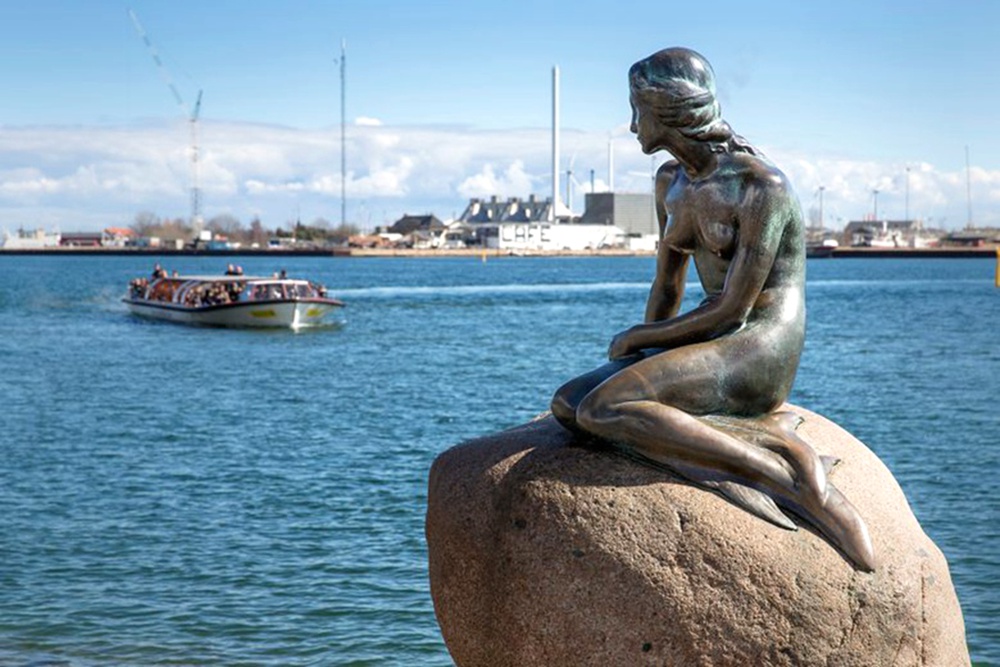
What Makes Bronze Last So Long? The Science of Patina
Many clients worry when they first see green forming on their bronze. They think it’s rust, like on iron. But this is actually Bronze’s superpower.
That green layer—called patina—is not decay. It’s a stable, protective coating called basic copper carbonate that forms naturally when bronze meets moisture and air. Unlike iron rust, which flakes away and destroys the metal, this patina creates a dense armor that seals the surface and stops further corrosion.
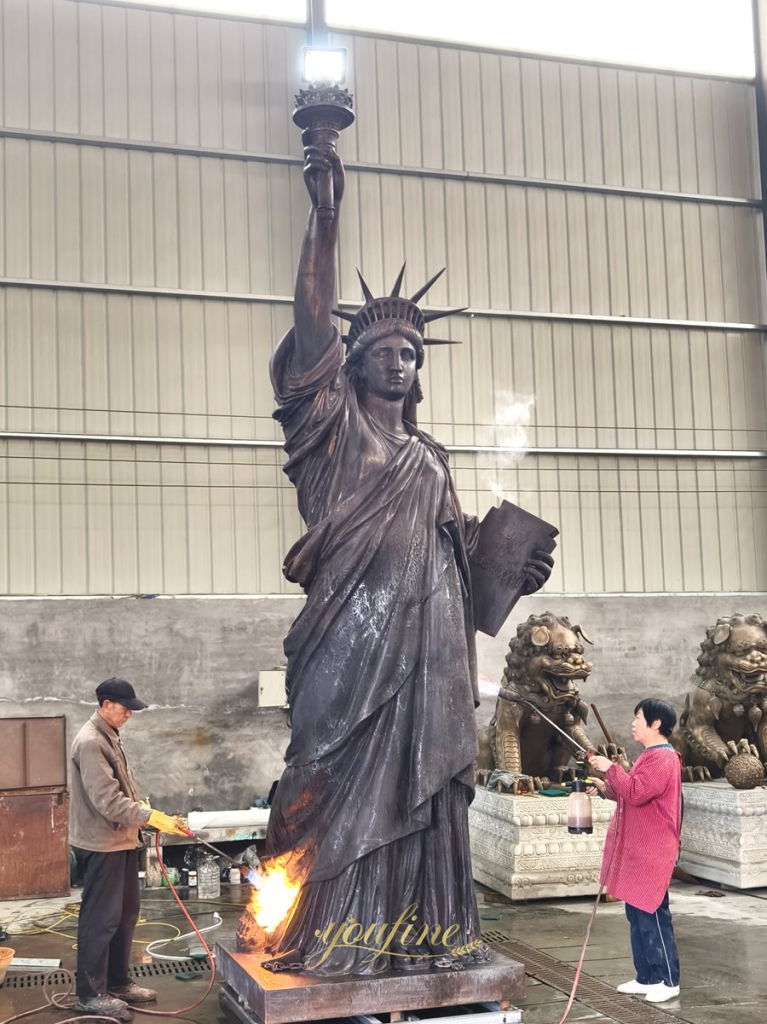
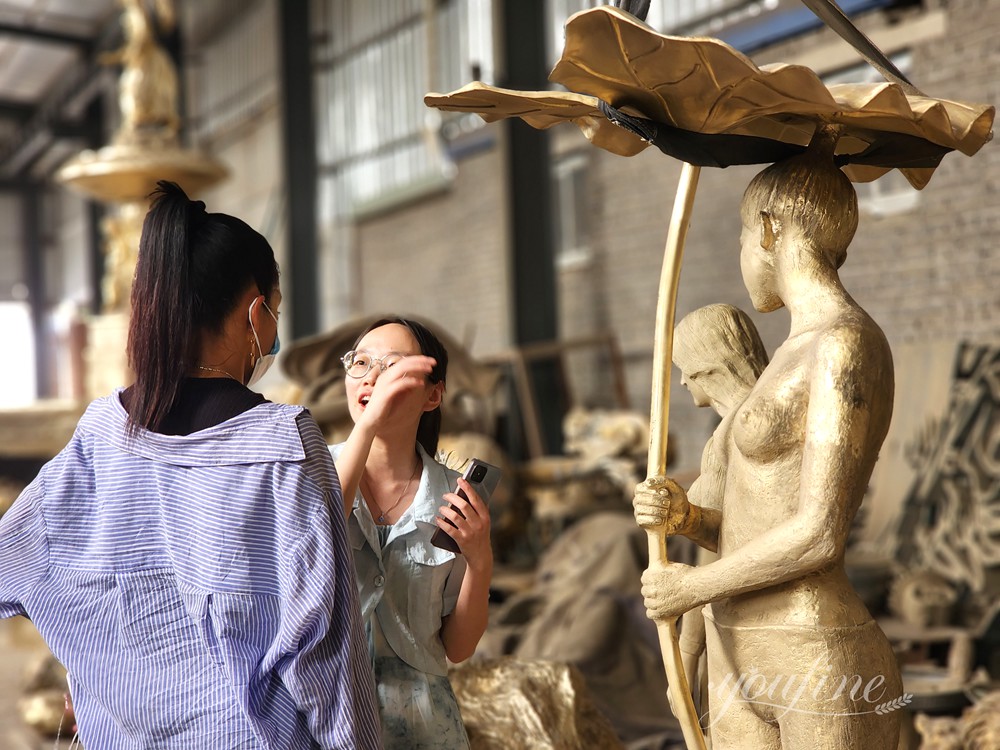
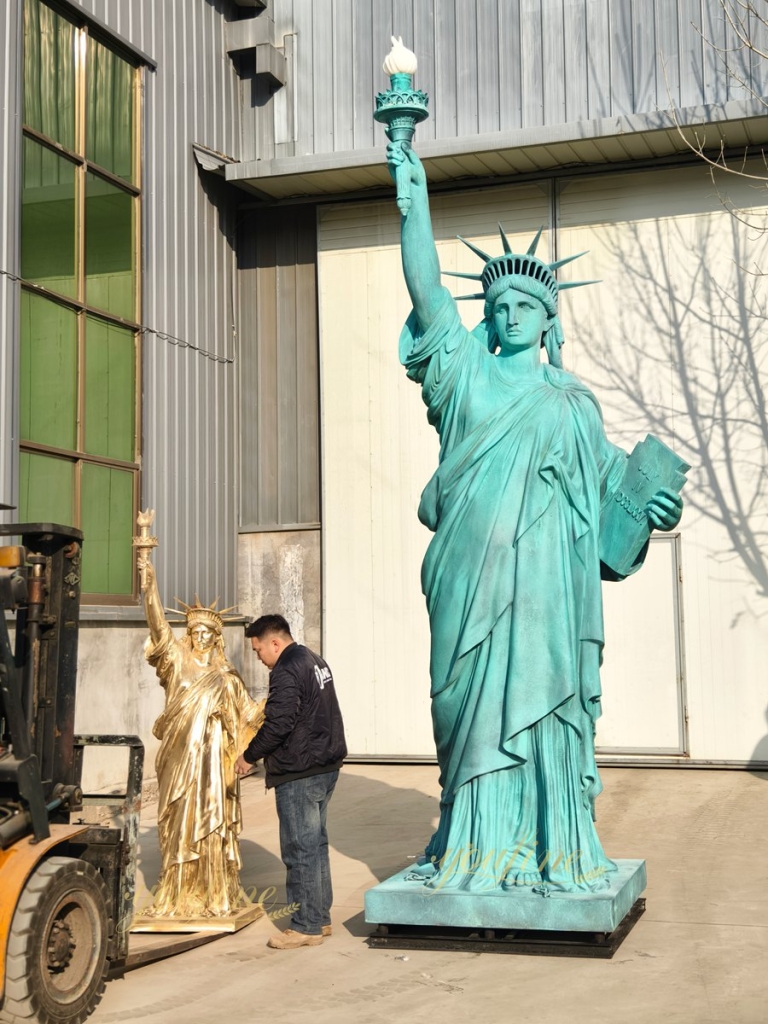
This is the secret to bronze’s immortality. Once that patina fully forms—usually over decades—the sculpture underneath is effectively preserved. The Statue of Liberty is a perfect example. Her iconic green color is her protective shield, and she’ll stand for centuries more because of it.
Bronze Patina vs. Iron Rust
| Feature | Bronze Patina (Basic Copper Carbonate) | Iron Rust (Iron Oxide) |
| Appearance | Green, blue-green, sometimes brown or black | Reddish-brown, orange, flaking |
| Effect on Metal | Protective, stable layer – seals the surface | Corrosive, destructive – eats away the metal |
| Result | Preserves the sculpture indefinitely | Destroys the sculpture over time |
| Value | Adds aesthetic and historical value | Sign of decay and damage |
In my four decades at the foundry, I have never seen a quality bronze statue fail because of its patina. I have only seen them become more distinguished and valuable.
How Long Do Different Materials Last? A Comparison
You might wonder how bronze compares to other materials. This is crucial if you’re choosing between options for your project.
Sculpture Material Lifespan Comparison
| Material | Typical Lifespan (Outdoors) | Typical Lifespan (Indoors) | Key Factors & Weaknesses |
| Bronze | Hundreds to 2,000+ years | Thousands of years | Forms protective patina; minimal maintenance needed |
| Stainless Steel | Decades to hundreds of years | Even longer | Modern alloys resist rust; could be scratched; have have less character over time |
| Marble | Hundreds of years (with care) | Hundreds to thousands of years | Modern alloys resist rust; could be scratched; have less character over time |
| Corten Steel | 50-100 years (normal), 25-50 years near ocean | Indefinitely | The rust layer is designed, but it could fail in salt air or poor drainage |
| Wood | 50-100 years (normal), 25-50 years near the ocean | 50-100+ years | The rust layer is designed, but could fail in salt air or poor drainage |
| Resin / Fiberglass | 5-15 years (fades, becomes brittle) | Several decades | UV rays and temperature changes cause breakdown; paint peels |
The key insight: Bronze doesn’t just outlast other materials—it improves with age. Its patina adds beauty and value over decades. Other materials simply wear out.
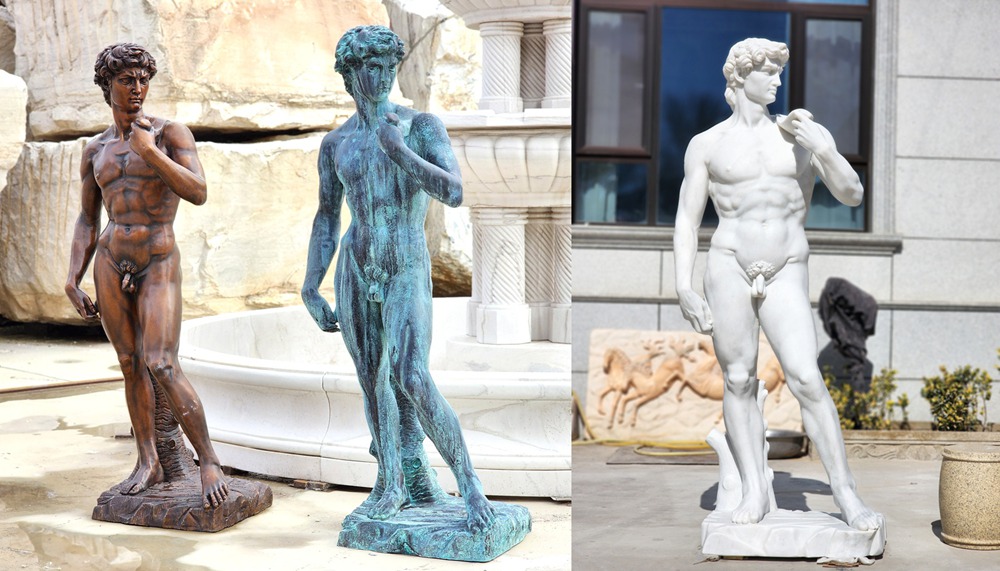
The Foundry’s Role: Why Craftsmanship Determines Lifespan
Here’s something many buyers don’t realize: the sculpture’s lifespan is largely determined before it ever leaves the foundry. Poor casting creates hidden weaknesses—tiny cracks, impure metal, thin spots—that would fail decades or centuries sooner than they should.
At our foundry, we use the traditional lost-wax casting method that has been perfected over millennia. This process, combined with rigorous quality control at every stage, ensures:
- Pure bronze alloy with the correct copper-tin ratio
- No hidden bubbles or cracks that could become failure points
- Proper wall thickness for structural integrity
- Perfect surface preparation for patina application
This is why choosing your foundry matters as much as choosing your artist. A beautiful design, poorly cast would not become a family heirloom. It would become a disappointment.
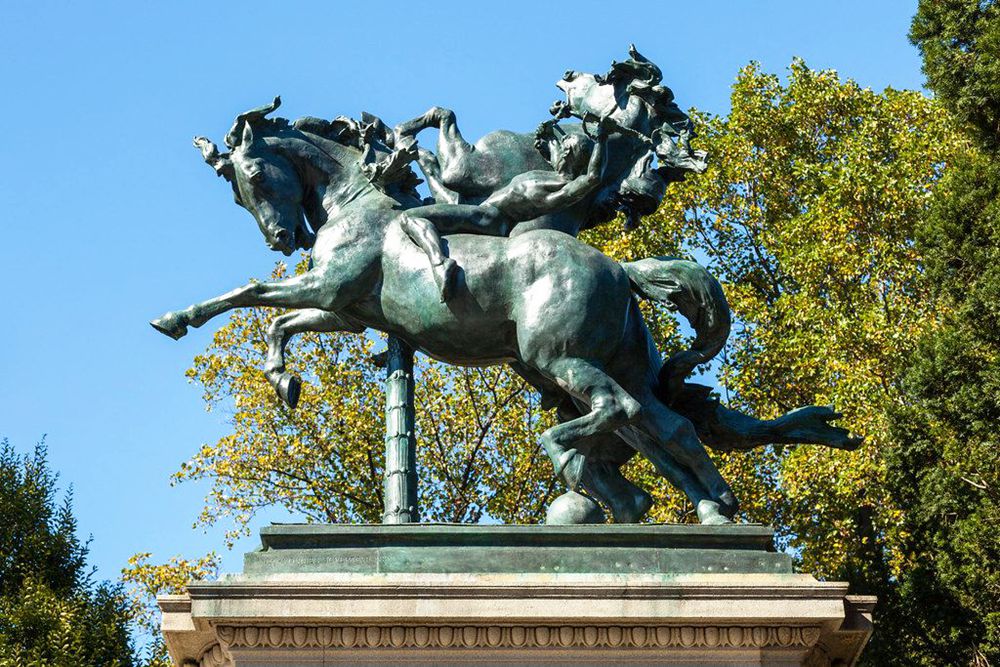
What Affects Lifespan After Installation?
Once your sculpture leaves our workshop, three factors would ll determine how it ages.
1. Environment
Outdoor sculptures face sun, rain, pollution, and salt spray. These aren’t problems for bronze—remember, patina needs moisture to form—but extreme conditions could affect the patina’s color and development rate. A sculpture near the ocean would develop a different patina than one in the desert. Both would be beautiful, but they’ll tell different stories.
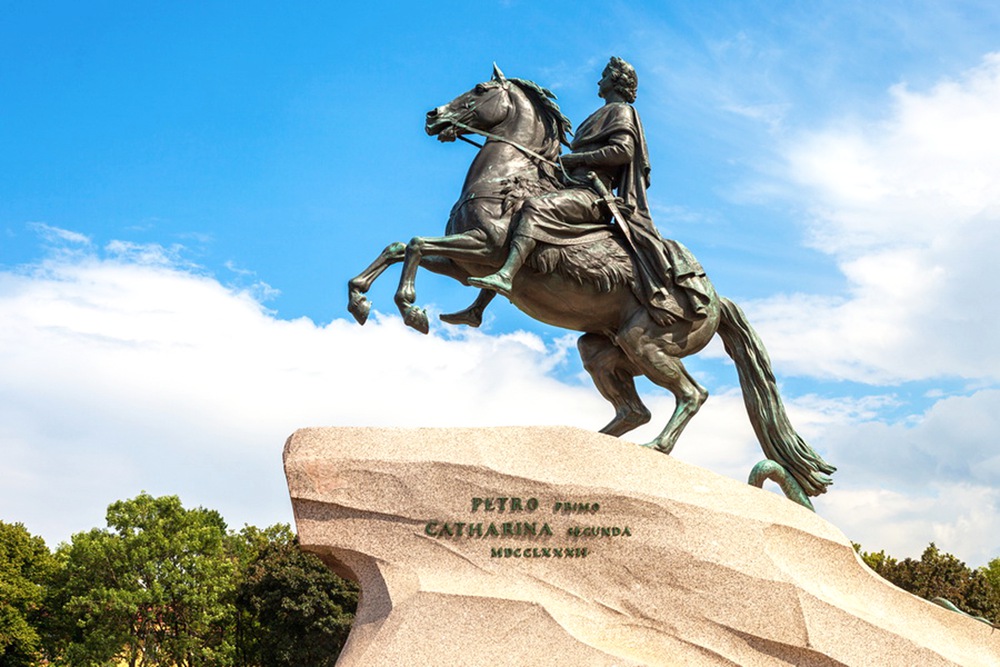
2. Maintenance
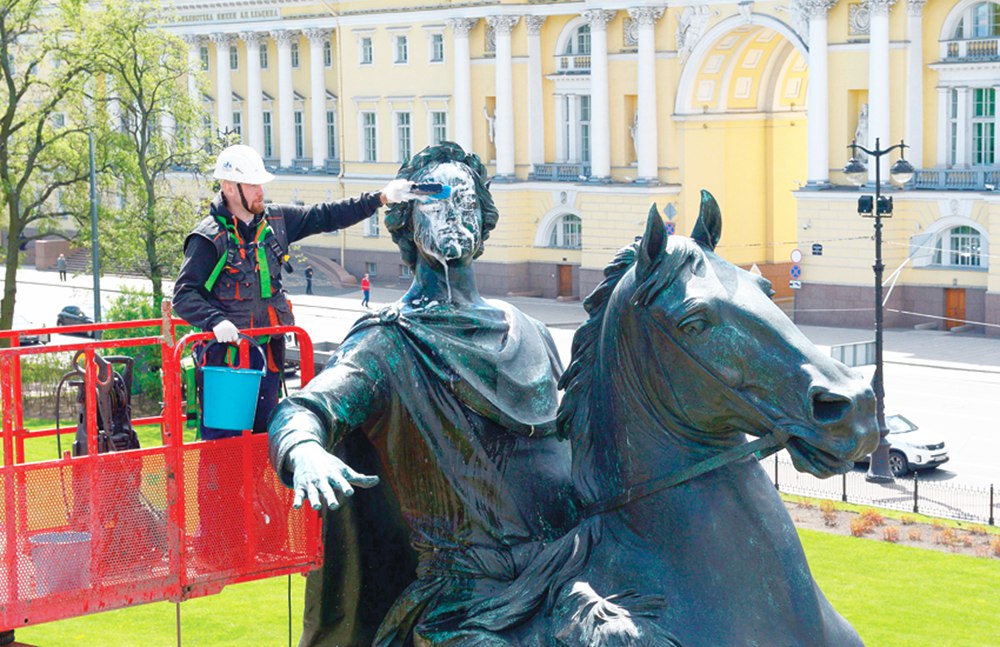
Here’s the wonderful truth: bronze requires almost no maintenance compared to other materials. Unlike wood that needs sealing, marble that needs cleaning, or iron that needs rust treatment, bronze mostly just needs to be left alone.
That said, a little care helps:
- Gentle washing with water and a soft cloth every few years removes pollutants
- Wax coating every 5-10 years could preserve a specific patina color
- Professional inspection catches any issues early
But even if you do nothing, your bronze would still outlast you.
3. Location Choices
Simple decisions matter:
- Ensure water drains away from the base
- Keep it away from automatic sprinklers that constantly spray
- Avoid areas with heavy bird droppings (they could temporarily affect patina)
Frequently Asked Questions (FAQ)
Q1: Could bronze statues last 1000 years?
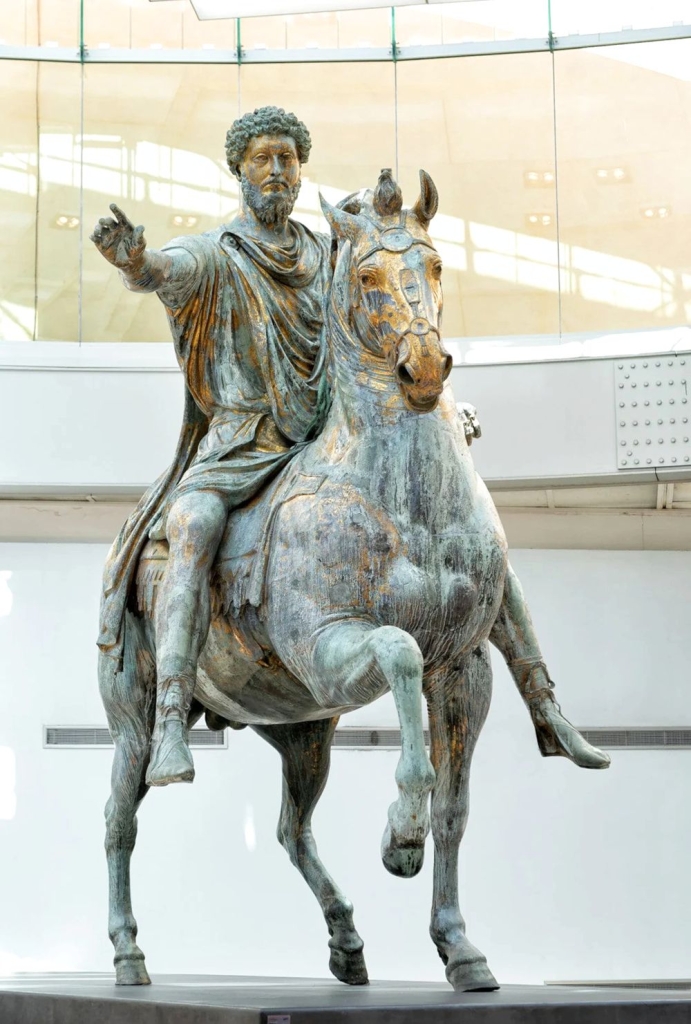
Yes, absolutely. We have bronze artifacts from ancient China and Greece that are over 2,500 years old and still intact. The material itself, when properly cast, is capable of lasting millennia. Your sculpture could become that kind of legacy.
Q2: Would my outdoor bronze statue turn green? How long does that take?
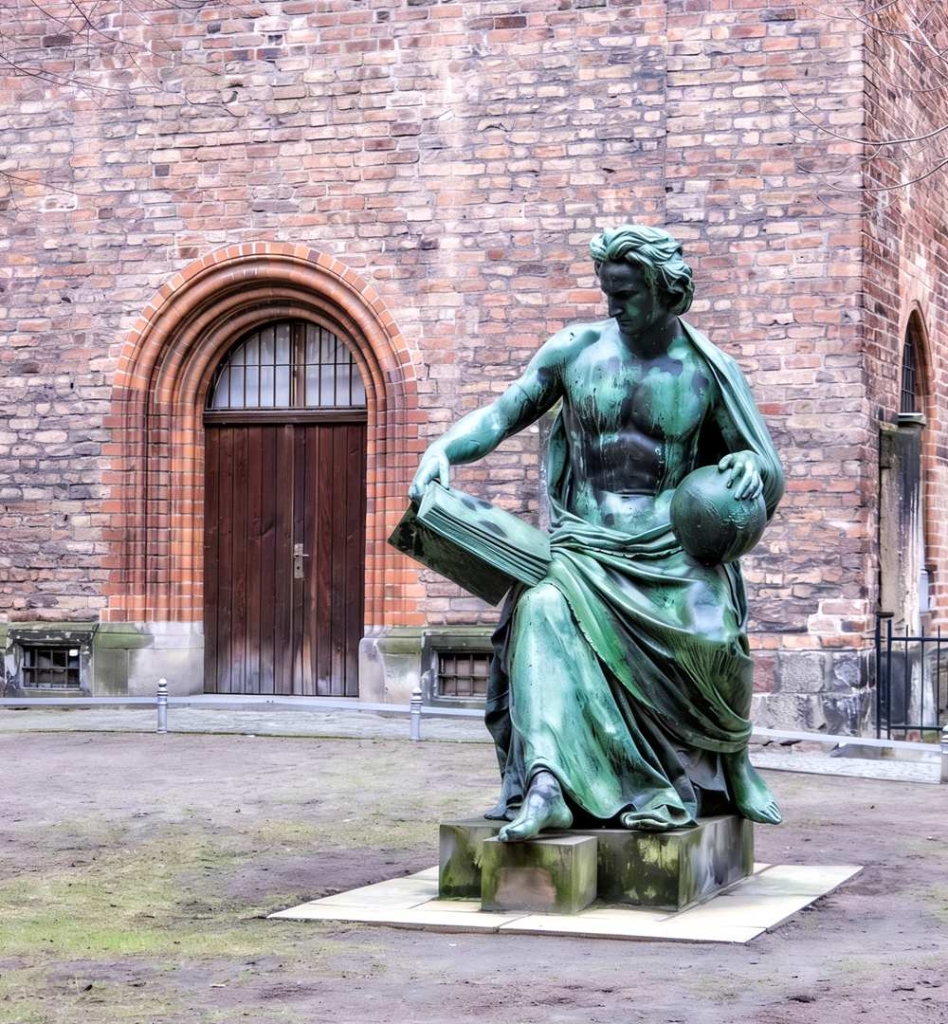
Yes, it would eventually develop a green patina, and that’s a good thing. The timing depends on your climate:
- Humid, rainy areas: Patina may begin forming within 5-10 years
- Dry climates: It could take 20-30 years or longer to see significant color change
- Coastal areas: Salt accelerates the process
If you want that aged look immediately, we could create an artificial patina in our foundry using heat and chemicals. Many clients prefer this—they get the classic green or brown finish on day one.
Q3: What happens if I don’t maintain my bronze sculpture?
Very little, honestly. This is bronze’s beauty. Unlike marble that erodes or wood that rots, bronze simply continues its slow patina development. The sculpture won’t fall apart. The worst that might happen is that the patina becomes uneven if pollutants collect in certain areas. A simple cleaning every decade or two prevents even that.
Q4: Are modern bronze sculptures as durable as ancient ones?
Yes, often more so. Ancient bronzes had variable alloy mixes and occasional impurities. Modern foundries use precise metallurgy and controlled casting environments. A quality bronze made today is technically superior to most historical examples.
Q5: How does bronze compare to stainless steel for longevity?
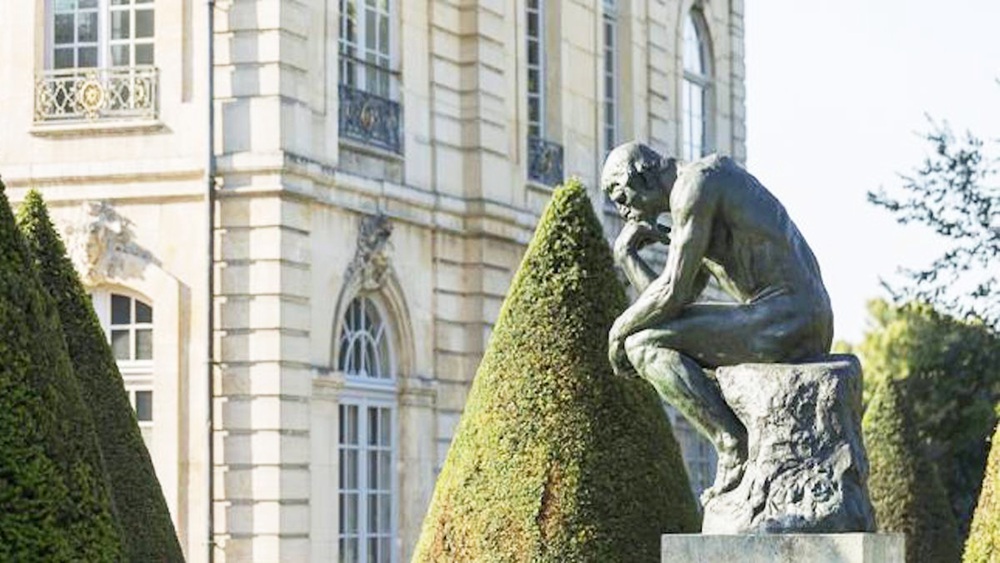
Stainless steel is also very durable—it could last centuries. But there’s a philosophical difference: stainless steel resists change; bronze embraces it. Stainless stays looking new (or shows scratches). Bronze develops character, depth, and history through its patina. For many collectors, that evolution is precisely what makes bronze special.
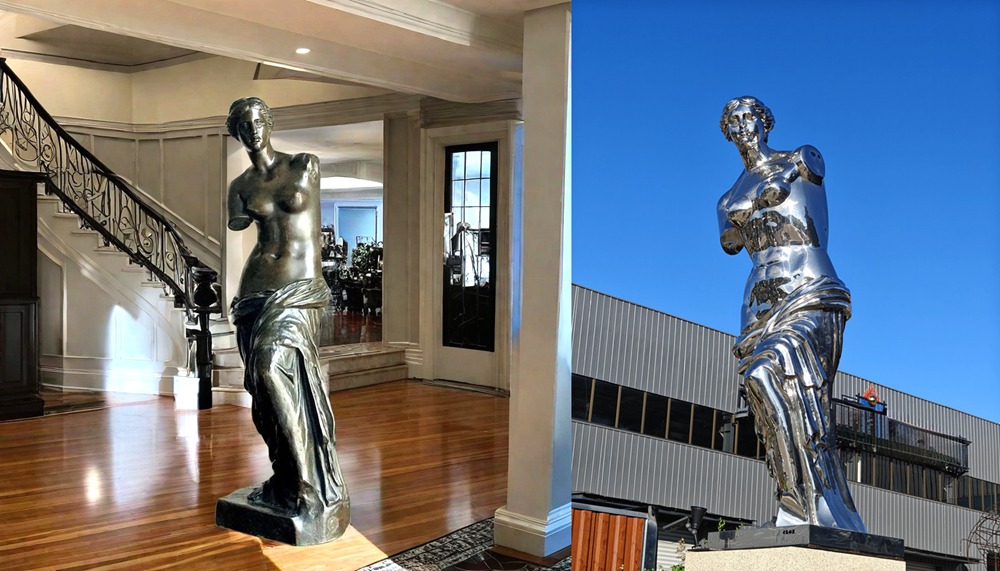
Q6: Could you recreate a bronze statue from an old photo or drawing?
A: Yes, absolutely. While we do not offer restoration services for existing damaged sculptures, we specialize in something different—and often more powerful: we could create a brand new, identical bronze sculpture based on your old photos, drawings, or even a small model.
Here’s how it works and why this matters:
What We Do (Instead of Restoration)
When you have an old sculpture that is damaged, worn, or simply lost to time, restoration tries to patch and repair the original. But with our approach, you get a completely new, flawless casting that captures every detail exactly as it was—or even better.
Using the traditional lost-wax casting method, our artisans could study your reference materials and recreate the sculpture from scratch. This means:
- Perfect condition from day one – No cracks, no corrosion, no missing pieces
- Exact reproduction of the original design – Every curve, every expression, every texture
- Modern metallurgy – A pure bronze alloy that would last for centuries
- Your choice of patina – Aged look to match the original, or a fresh finish
When Clients Choose This Service
This is especially valuable for:
- Family heirlooms – A beloved statue that was lost or destroyed, recreated for the next generation
- Historical landmarks – A sculpture that once stood in a town square but was removed or damaged
- Church or temple statues – Sacred figures that need to be replaced with reverence and accuracy
- Commemorative pieces – Recreating a sculpture for an anniversary or reunion
Real Example from Our Foundry
A client once came to us with nothing but a faded photograph of a bronze deer that had stood in their family’s garden for generations. The original was lost in a storm. Using that single photo, our artists studied the proportions, the posture, and the details. They created a clay model, refined it with the client’s feedback, and then cast a brand new bronze sculpture.
When the client saw the finished piece, they couldn’t believe it—it was exactly as they remembered, but without a single scratch or spot of wear. It wasn’t a restoration. It was a rebirth.
If you have an old photo, a drawing, or even just a memory of a sculpture you’d like to bring back to life, we could make it real again—in solid bronze, built to last another thousand years.
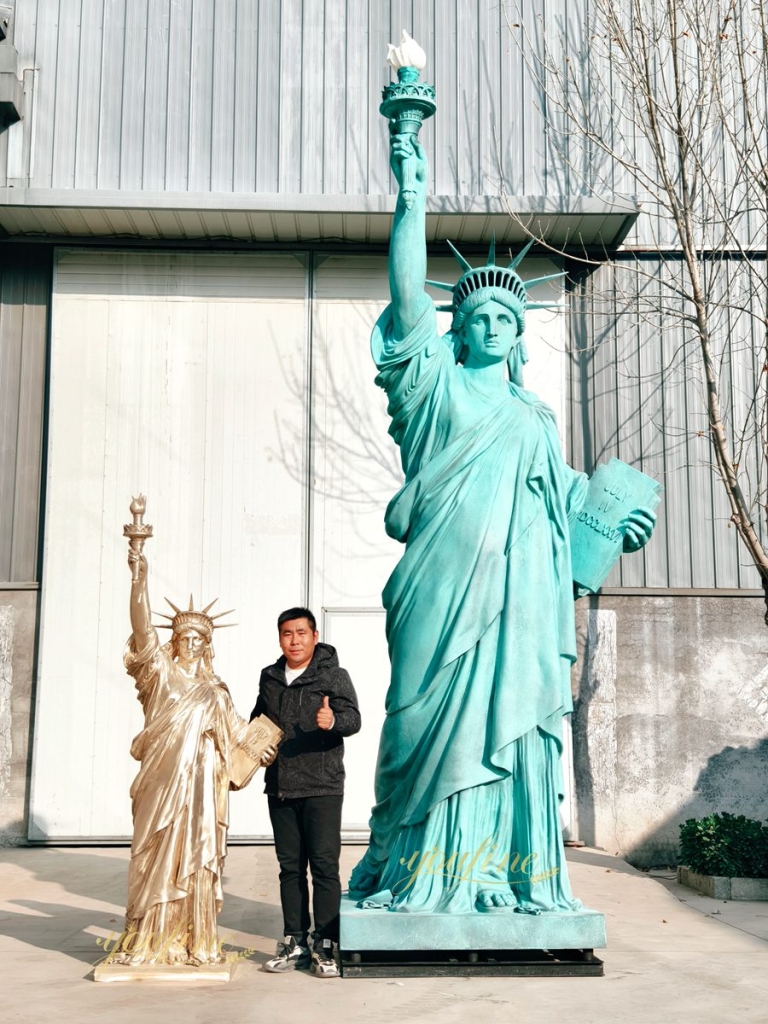
Q7: Does the thickness of the bronze matter for longevity?
Yes, significantly. Thin-walled castings (often done to save money) are more vulnerable to physical damage and may develop cracks over centuries. Quality foundries like ours ensure adequate wall thickness for the sculpture’s size and purpose. If you want a piece to last forever, don’t cut corners on thickness.
Real Examples from History
Let me share some proof of bronze’s incredible lifespan:
| Sculpture | Age | Condition Today |
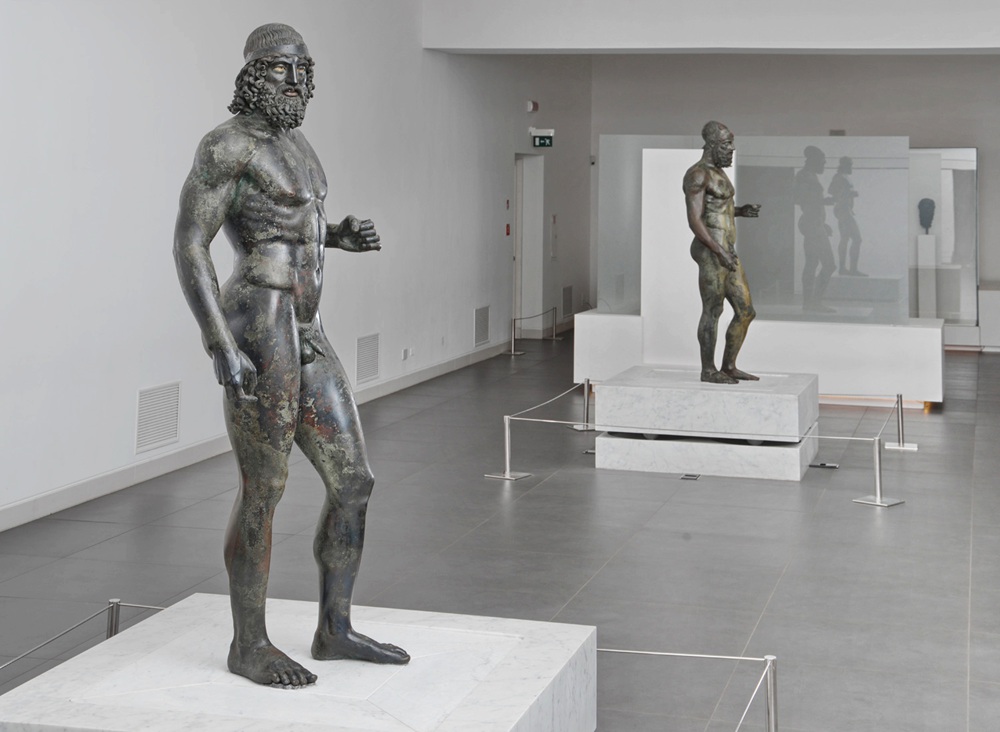
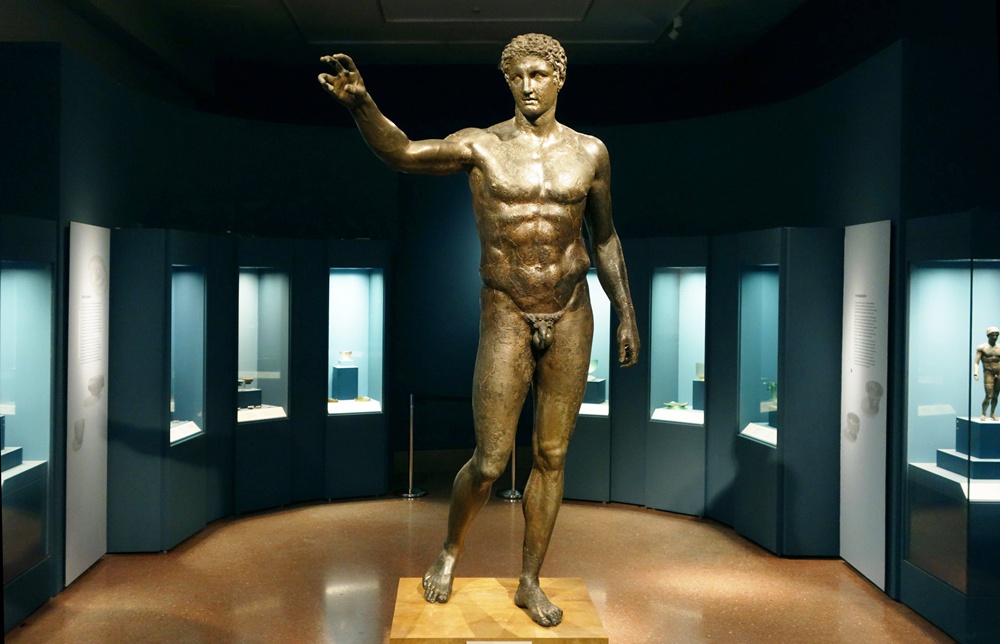
| The Riace Bronzes (Greek) | 2,500+ years | Recovered from sea, remarkably intact with original detail |
| The Horses of St. Mark’s | 800+ years | Recovered from the sea, remarkably intact with original detail |
| Benin Bronzes (African) | 500-600 years | Complex castings with exquisite detail still visible |
| Statue of Liberty | 140+ years | Green patina fully formed; structure sound for centuries more |
Each of these survived wars, pollution, neglect, and accidents. They’re not museum pieces hidden away—they’re survivors. Your sculpture could be too.
Conclusion: What “Forever” Really Means
When I ask clients why they chose bronze, the most common answer is: “I want this to last.”
They’re creating something for their family, their community, their legacy. They don’t want a decoration that would fade, crack, or rust within their lifetime. They want a true legacy piece that would stand for generations.
Bronze delivers that. Not for a hundred years. Not for five hundred. For thousands. With proper casting, it’s quite literally a forever material.
The green patina you might worry about today would be admired by your great-great-grandchildren. The sculpture you commission now would outlive your family’s stories about it—and future generations would create new ones.
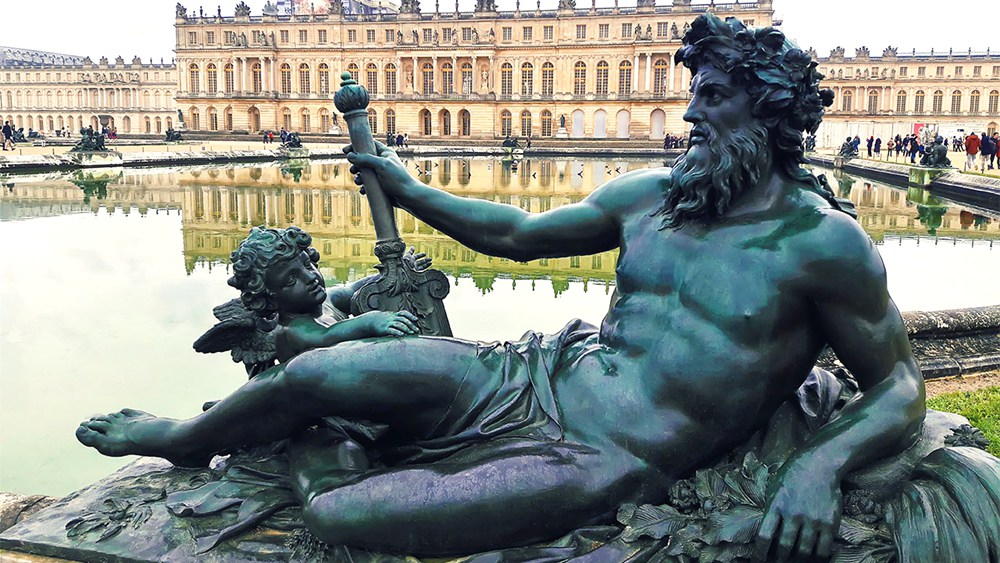
That’s the power of bronze. That’s why we’ve spent forty years mastering its craft. And that’s what we deliver with every sculpture that leaves our foundry.
Explore the fascinating process of patina formation and its role in protecting bronze sculptures.
Discover why bronze sculptures are seen as lasting legacy pieces for future generations.
Learn how bronze sculptures could enhance and diversify your investment portfolio.
Contact Us
Note: We would keep your information secret. Please feel free to write down your requirement in the form above. We would reply to you within 8 hours.
Panda, a 20-year veteran of bronze casting, is one of the co-founders and lead artisan of YouFine Art Bronze Foundry. Deeply rooted in the foundry, she has mastered every detail of the craft. Her expertise guarantees that each sculpture embodies the highest standards of quality and artistic integrity.