
The Process of Casting
Bronze Sculpture
If you want to learn more about the process of YouFine bronze foundry, please check the directions below. In recent years, casting bronze sculptures have played an important role in people's lives. It has become a performance art that guides people on how to understand bronze sculptures. The aesthetics of bronze carving crafts is also an art -- which is the true value of bronze carving crafts.
First Step
Making the Clay Model Own Most Excellent Model Artists
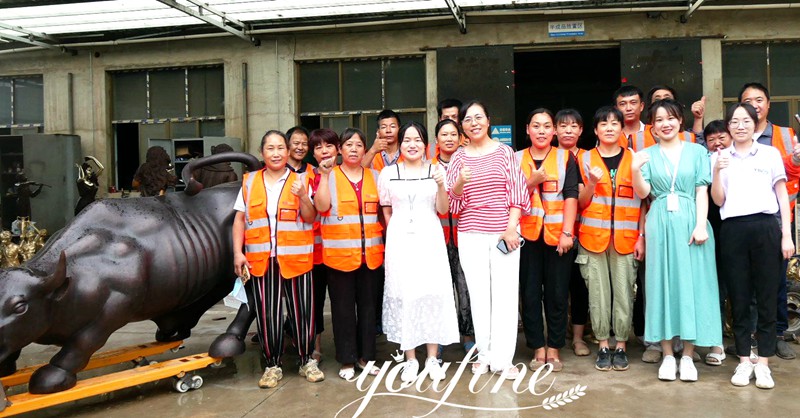
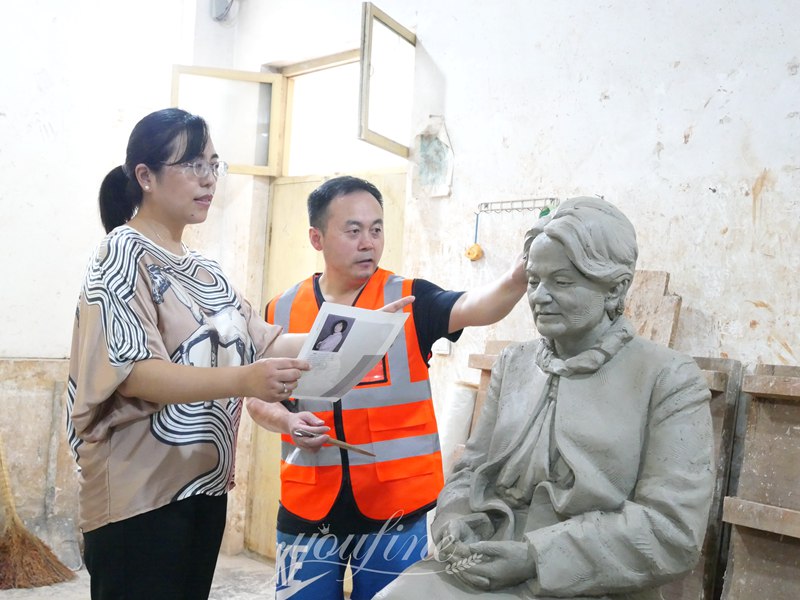
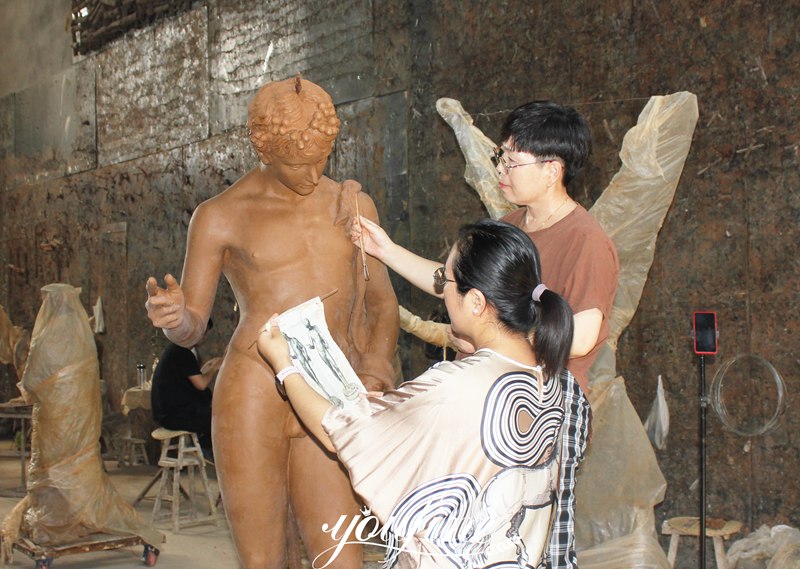
This step is by far the most critical. All the detail that appears in the original sculpture must be captured in this model. The model (depending on the size of the sculpture) is cut into sections for casting. YouFine would make one 1:1 clay model for every bronze sculpture after getting the orders from our clients. YouFine clay model artists are the best and most excellent in the art area. And, YouFine clay model artists never stop studying to improve their technique of making vivid artwork. Of course, through more than 30 years of practice, our artists could make the most realistic clay model.
Second Step
Silicon Rubber Mould Making
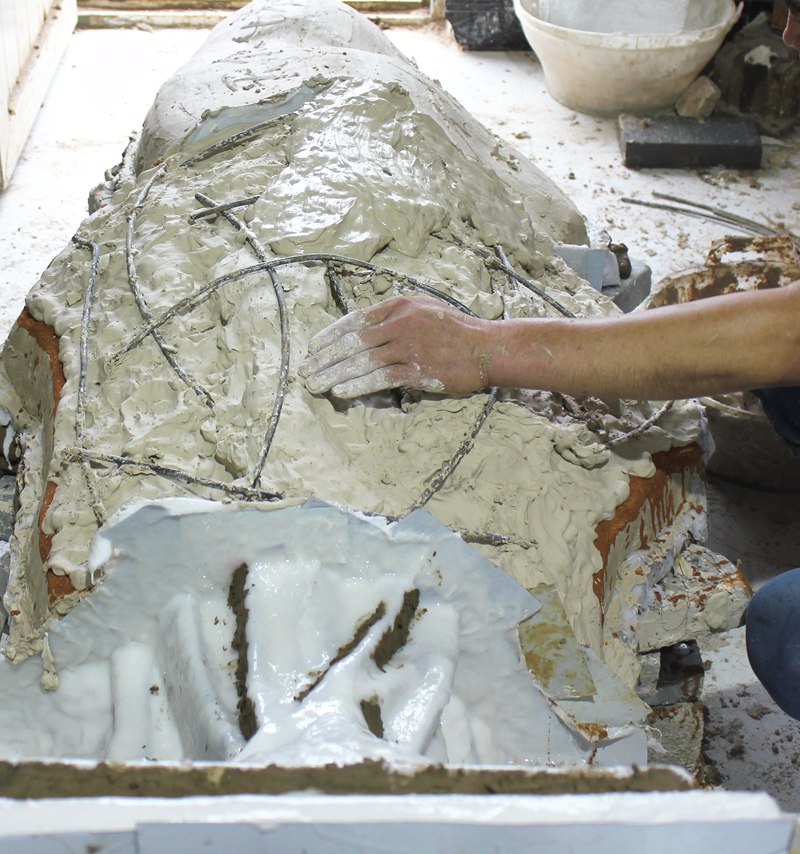
After an artist's original piece has been sculpted, a silicone rubber mould must be made. Layers of liquid rubber are applied to the original sculpture to capture the fine detail. After the rubber has been set, a thick plaster mixture is applied and given time to harden to create a rigid "mother mould" to help preserve the firm shape.
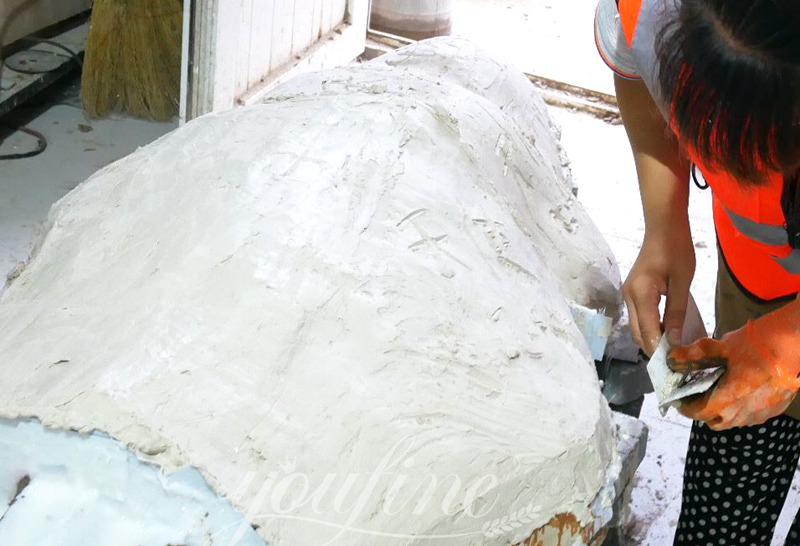
Depending on the size of the piece, a mould can be made in several pieces to allow for a more excellent wax pour and ease of assembly. Our artists would make a silicone rubber mold. Firstly, the Silicone Rubber is liquid, and artists carefully apply it layer by layer.
Third Step
Wax Making
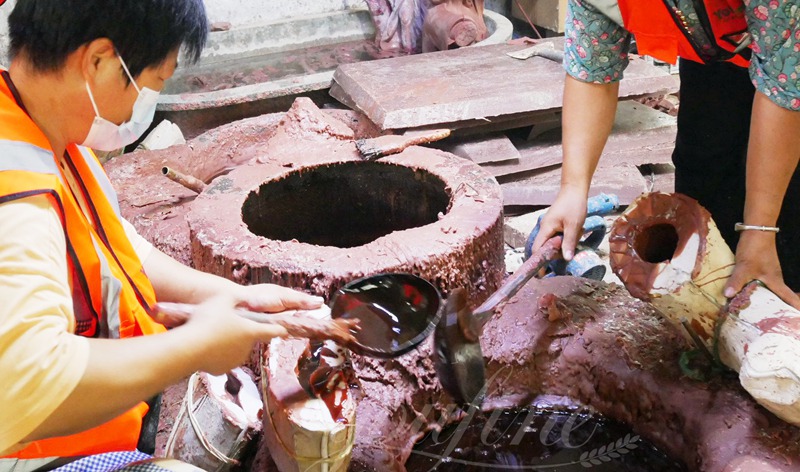
Now, using the rubber mold made from the original piece, molten sculpting wax is poured into the hollow interior of the mold. The wax is allowed to cool before it is carefully pulled out of the mold. Now we have a highly detailed positive wax copy of the original sculpture!
Fourth Step
Wax Mold Chasing
Technical Detail
Wax is melted to about 210°F, poured into the mold, and evenly coated or "slushed" inside. Slushing is repeated three times using cooler wax each time. Under ideal conditions, the wax wall will be about 3/16″ thick -- any less might create flow problems for the bronze; any more will result in a heavier-than-necessary sculpture.
The original sculpture is now used exclusively as a reference point. From the "negative" rubber mold, a wax "positive" must be created. When the mold is opened and the rubber peeled away, an almost perfect wax reproduction is removed.
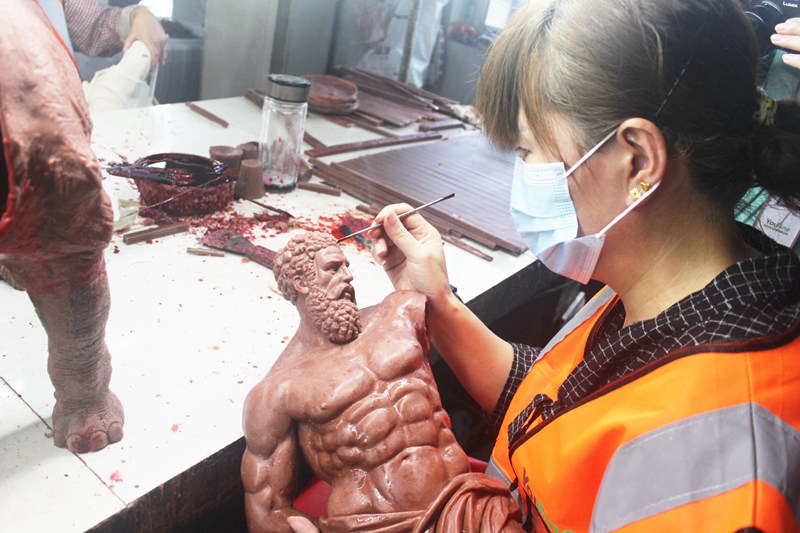
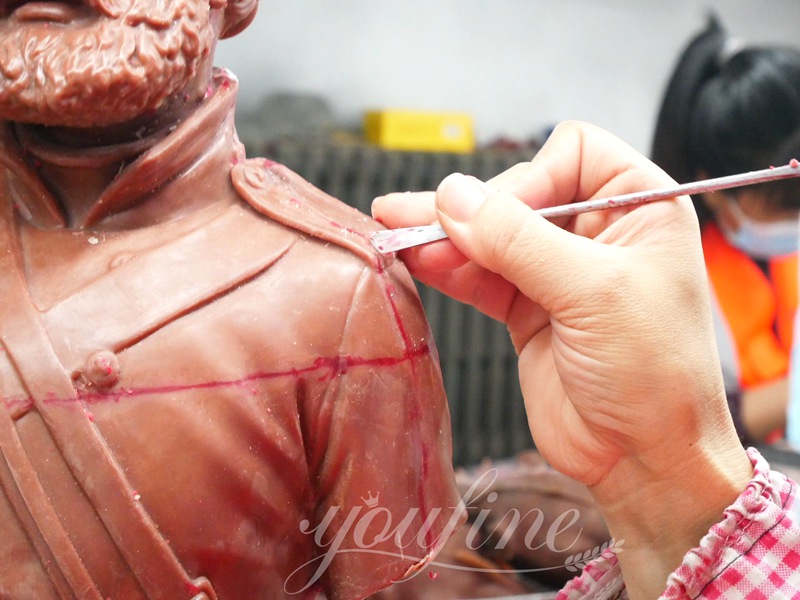
Our artists use professional tools (carving knife, needle, etc.) to chase the wax mold. Also, our attentive female artist chases the wax exactly according to the original pictures and clients' requests, trying their best to make sure the wax mold is 100% the same as the original.
Fifth Step
Sand Shell Making
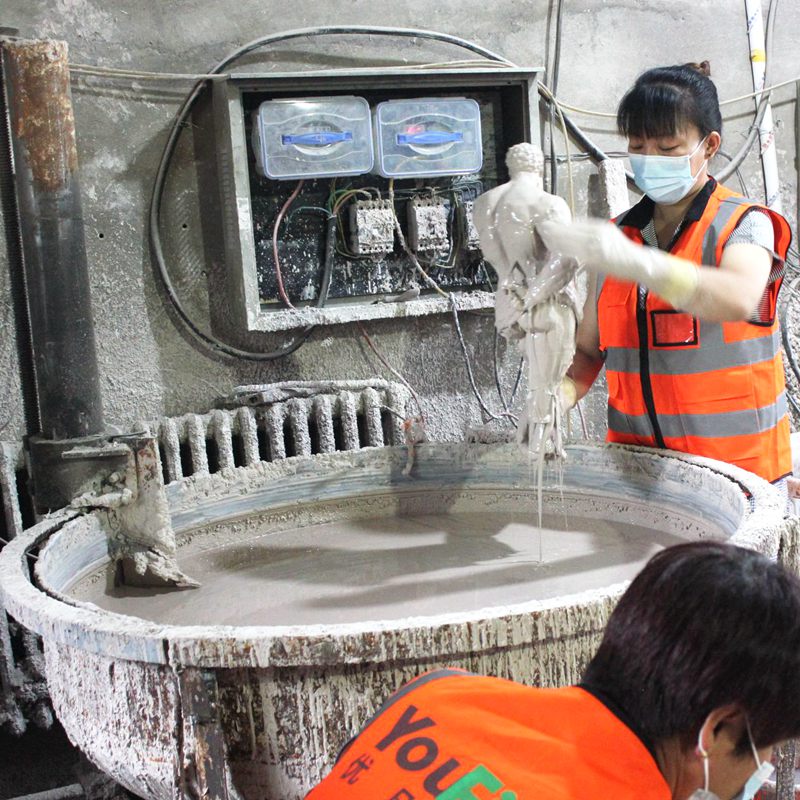
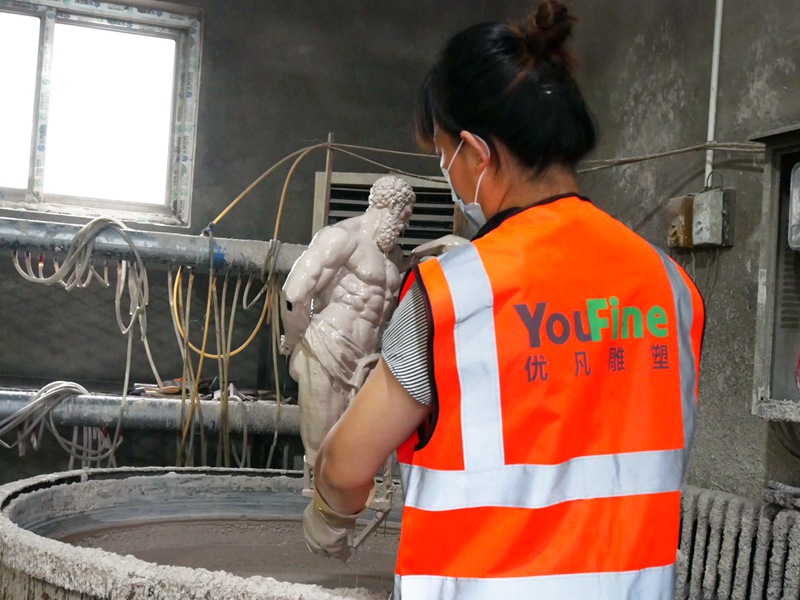
After chasing the wax molds, our artists would cover the fine white sand on the wax molds. It is important that our white fine sand comes from Inner Mongolia, where the sand is very fine and is reputed to be the best sand in China. Artists still need to check the fine sand with their hands every time before they make the shells. All of this would ensure the final sand shell is cleaner and does not affect the final fine surface of the statue.
YouFine Quality Advantage
In this process, we add Silica sol -- an excellent nanomaterial with strong acid resistance -- which is very different from traditional ammonia. Ammonia is acidic and makes the bronze color change after rain, causing white spots that damage the statue. YouFine bronze sculptures use Silica sol to avoid this, ensuring our sculptures become more beautiful with patina over time.
Sixth Step
Burn-Out
The ceramic shell is placed in a kiln and fired. The shell bakes and the wax is melted (lost) from the shell. This creates a hollow ceramic shell mold. Thus the term "Lost Wax". The shells are now ready for casting!
Seventh Step
Casting Bronze
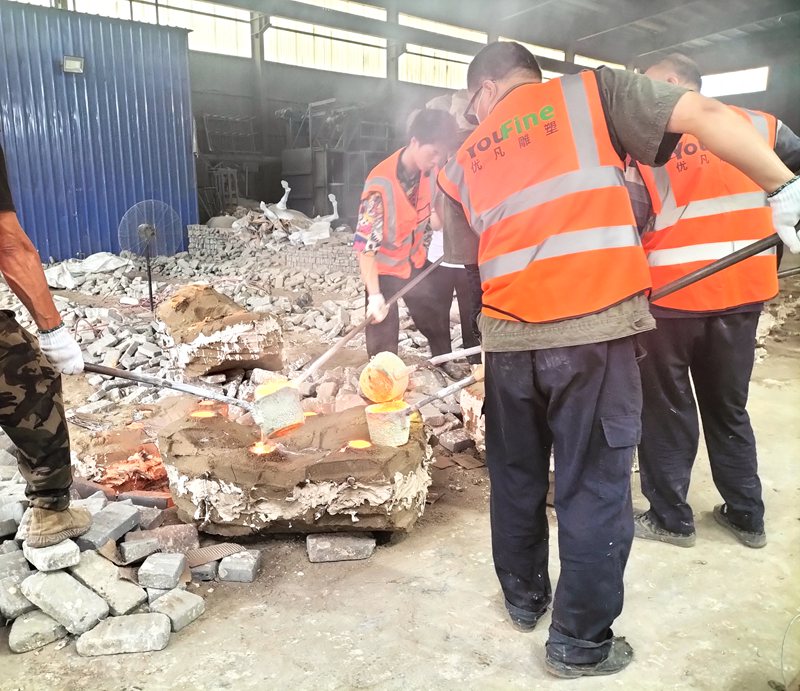
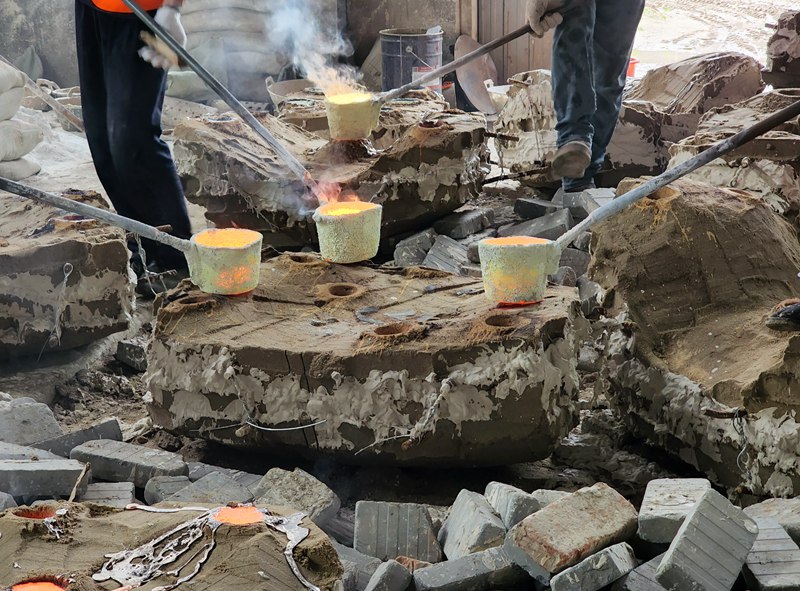
The sand shell (mold) is removed from the kiln and immediately the molten bronze is poured into the shell. Workers would use a crucible to pour the liquid bronze into formerly made sand shells -- the bronze pieces would be formed while the wax molds are heated to flow out. YouFine Foundry updated our furnace from coal heating to electric heating, which could keep thermostatic after heating to a certain degree and is also more environmentally friendly.
Eighth Step
Welding
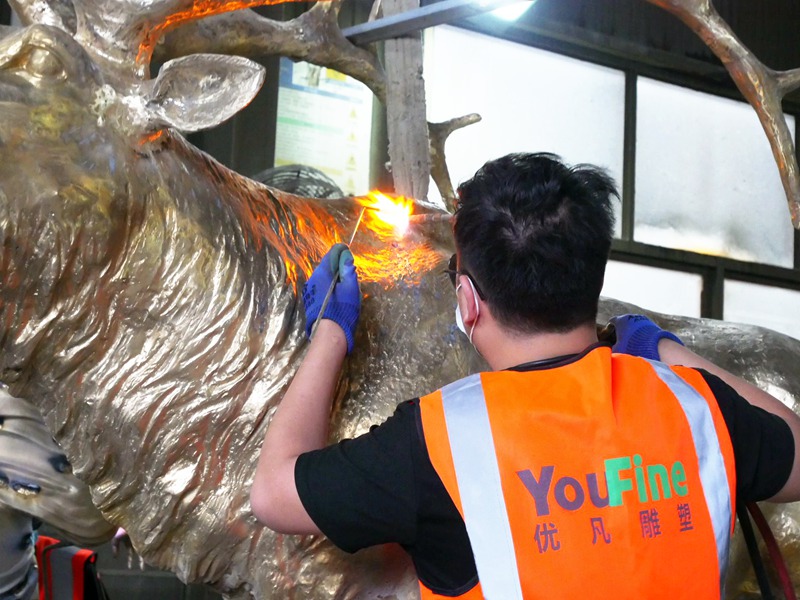
At this time all the pieces of the sculpture are welded together by our skilled craftsman. All the weld marks are chased and re-detailed. Welders would weld the bronze pieces together according to original requests. During this process, the most important thing is to make sure the structure is perfect -- YouFine welders need to learn clients' requests and the structure of the original artwork before they start to work, ensuring YouFine sculpture structure is perfect. Every famous artist checks artwork quality, and the first check is always the structure.
Ninth Step
Fine Polishing
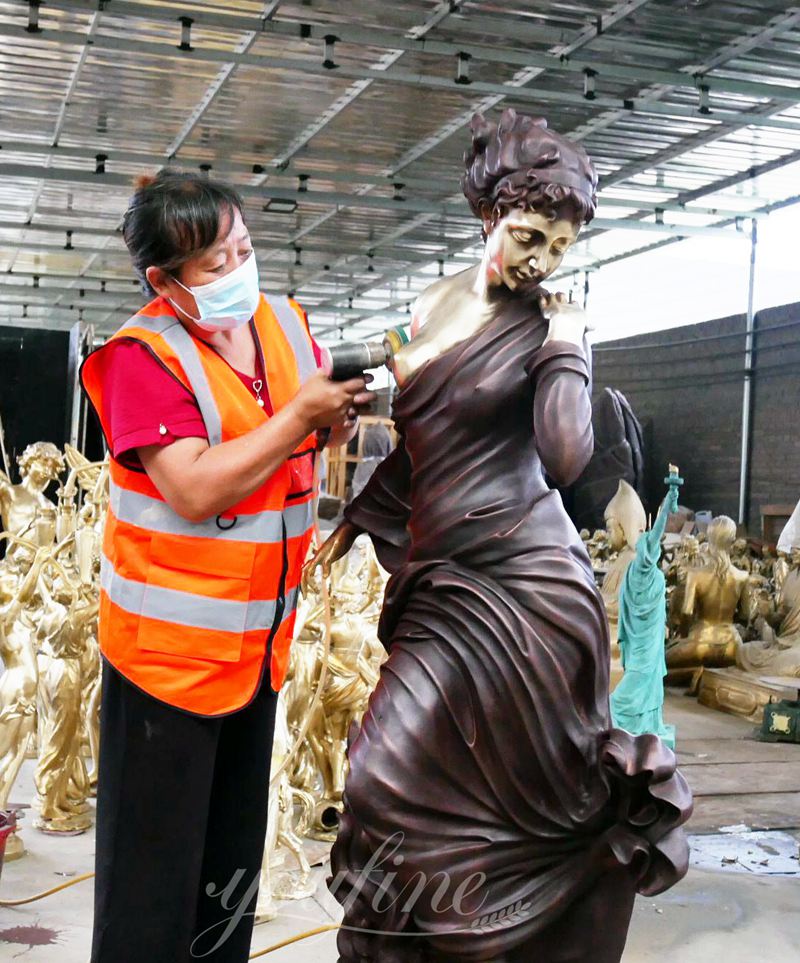
After welding the bronze statue, our artist would polish the statue carefully. Either too much polishing or too soft polishing is not good. YouFine team requested our polishing top masters to polish the structure just right -- not only keeping the details of the hairs and eyebrows, but also showing the total taste of the whole work. No doubt, the YouFine bronze sculpture is very close to the original one. The raw bronze sculpture is now hand-polished in preparation for the patina.
Tenth Step
Patina
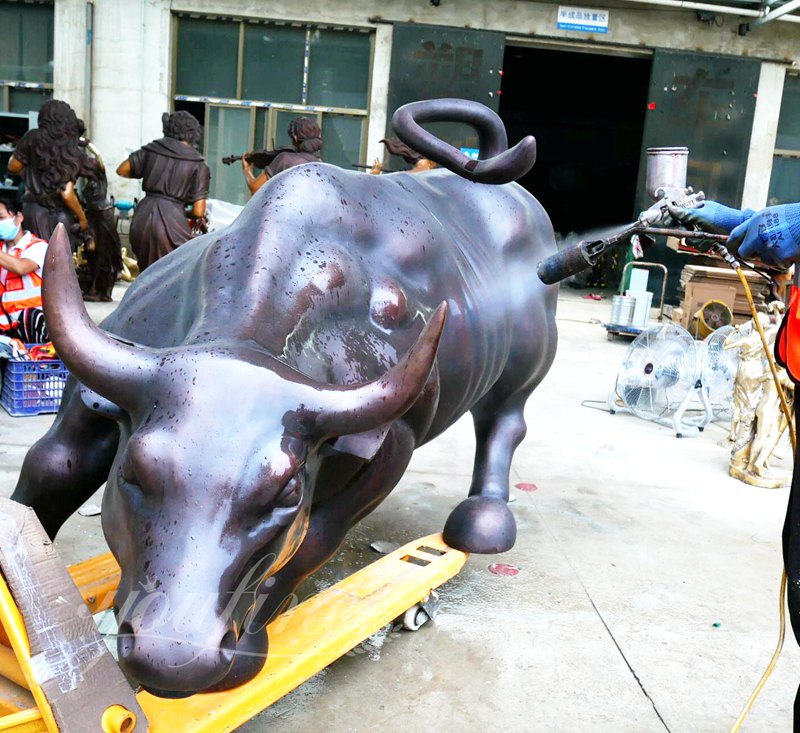
YouFine artists use patina to make the bronze statue, which means modulating different chemical liquids together to a different degree, then pouring the liquid on the bronze surface with heating. The beautiful final patina color comes out after several layers of color changing. The patina would ensure the statue is more natural and beautiful as time goes by -- and after centuries, our bronze sculpture could not fade.
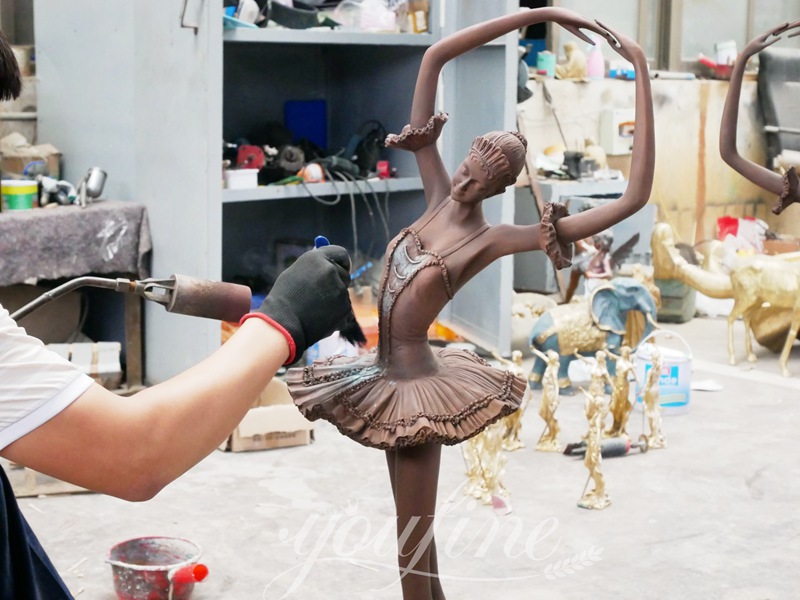
"The casting bronze sculpture is heated and chemicals are sprayed on the surface to create the patina -- a colored finish. Several layers of wax are applied while the sculpture is warm to create a sheen on the surface and provide protection from the elements."
-- YouFine Bronzes Gallery
Each casting, even those in an edition, is a one-of-a-kind, handcrafted work of art, created by highly trained artists and craftsmen. This, combined with the many hours of work involved in creating a sculpture, is why bronze sculpture can be expensive. Please keep in mind that each sculpture is unique, and as such, so is its price.
Final Step
Maintaining the Bronze Sculpture
Method One
Wax Protection
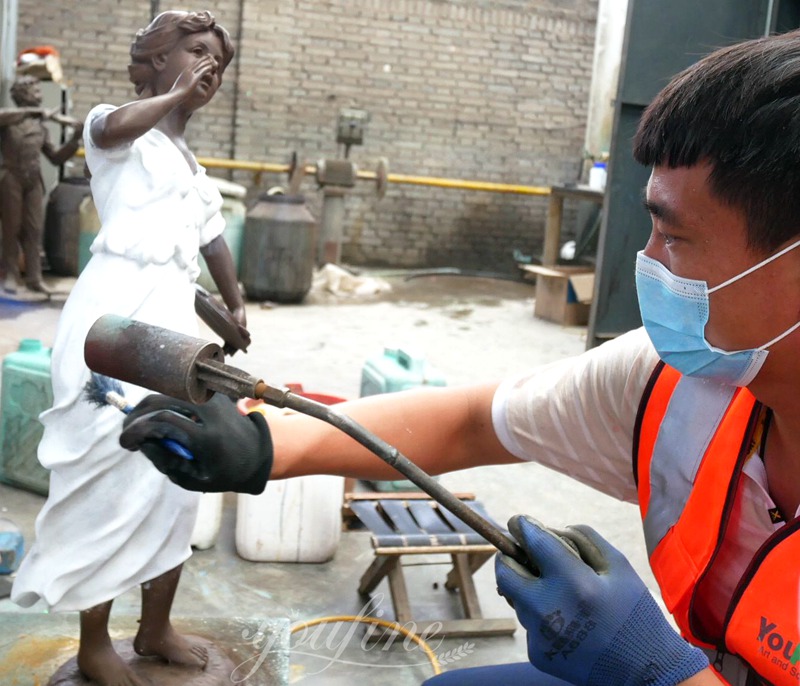
Top masters heat wax to liquid, then brush it softly onto the patina surface. A spray gun heats the surface simultaneously, ensuring the wax forms a complete protective layer. This method ensures the patina color lasts many years whether under strong sunlight or heavy snow.
Method Two
Varnish Coating
A thin layer of transparent varnish is sprayed on the surface, forming a smooth film that protects the bronze sculpture from dust and rain. Because the varnish is transparent, it preserves the original natural surface and patina color without alteration.
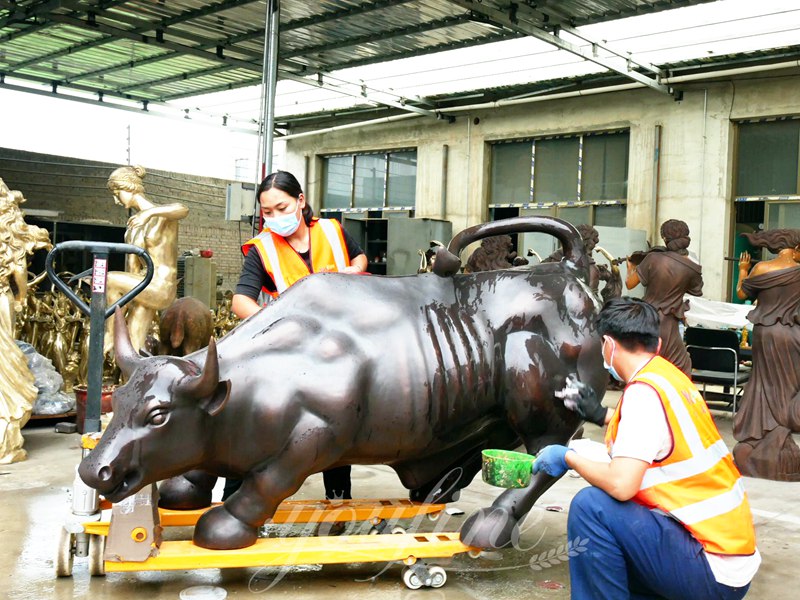
Overall, these methods ensure the statue becomes brighter and more beautiful as time goes by. YouFine artists devote all of their hearts to artwork -- at every step, you could feel it.
Choose the Best Bronze Artwork
So if you want to know more about the process of making sculpture -- no matter if it's marble, bronze, or stainless steel -- please contact us right now. Experience is important & our sculptors have it!