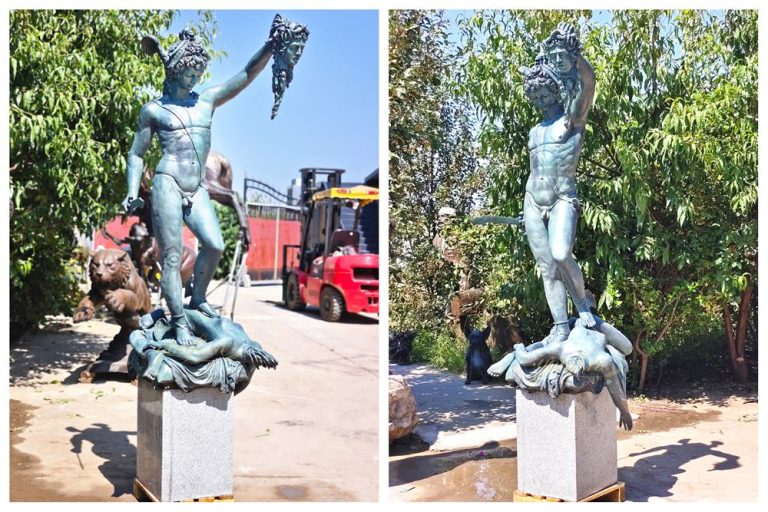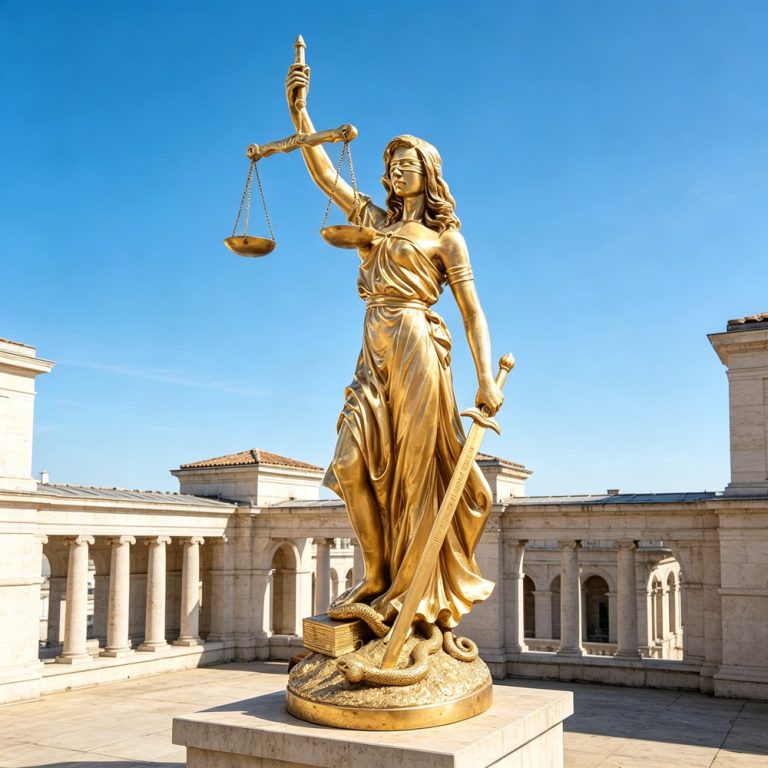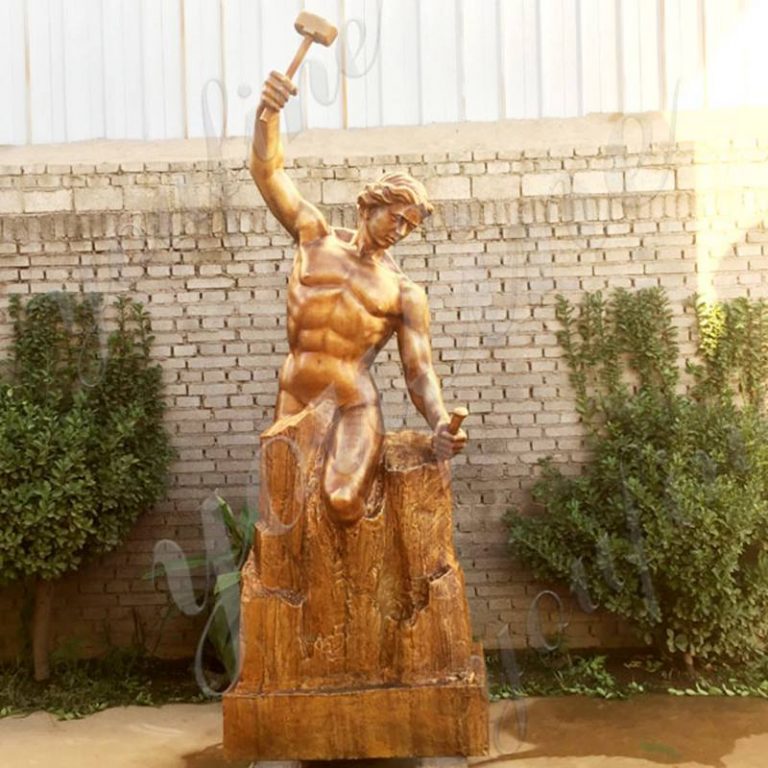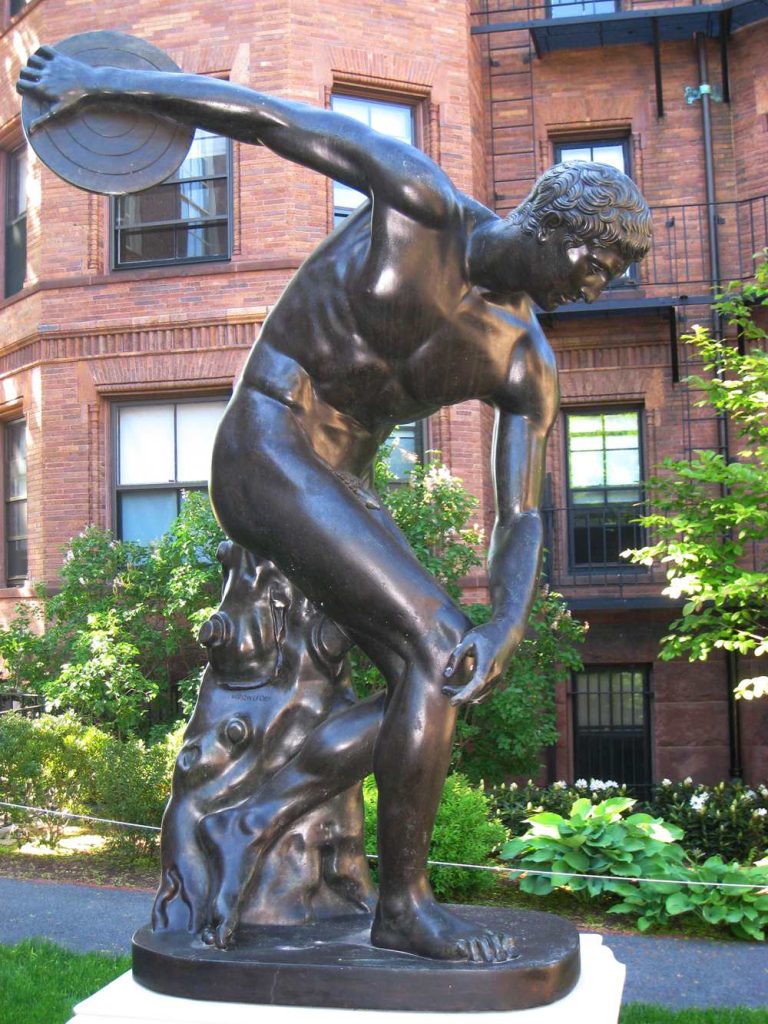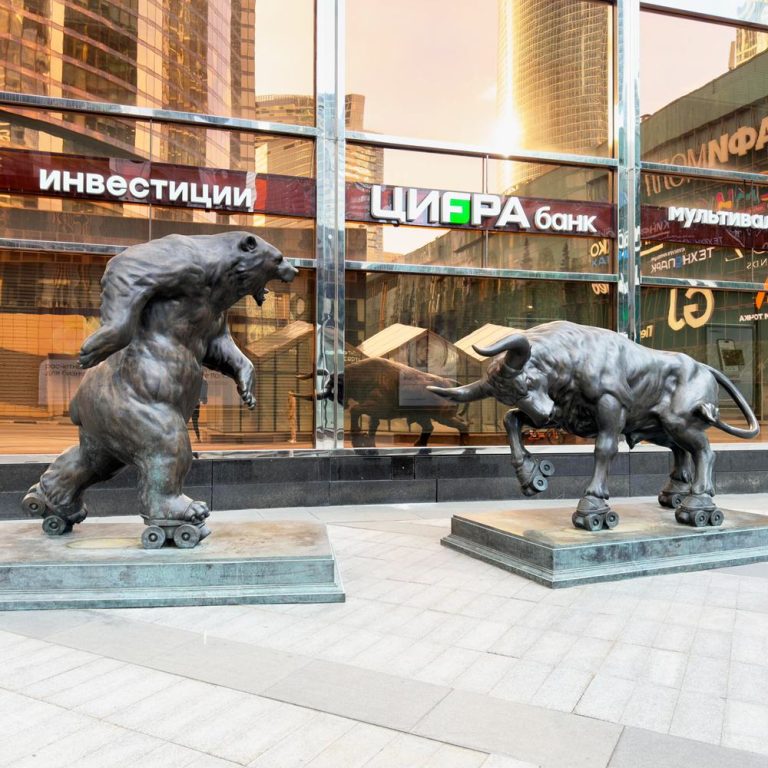

Yes, the best overall metal for fine art sculptures is bronze. Its unmatched balance of workability, inherent value, and ability to withstand centuries makes it the preferred choice of master artists and discerning collectors from ancient times to the modern day.
Now, you might be thinking, “Isn’t bronze old-fashioned?” or “Surely modern metals are better?” These are great questions. The real answer lies in understanding what each material offers. This isn’t just about picking a substance; it’s about choosing the future of your art piece. Let me break down the key factors from a professional’s perspective.
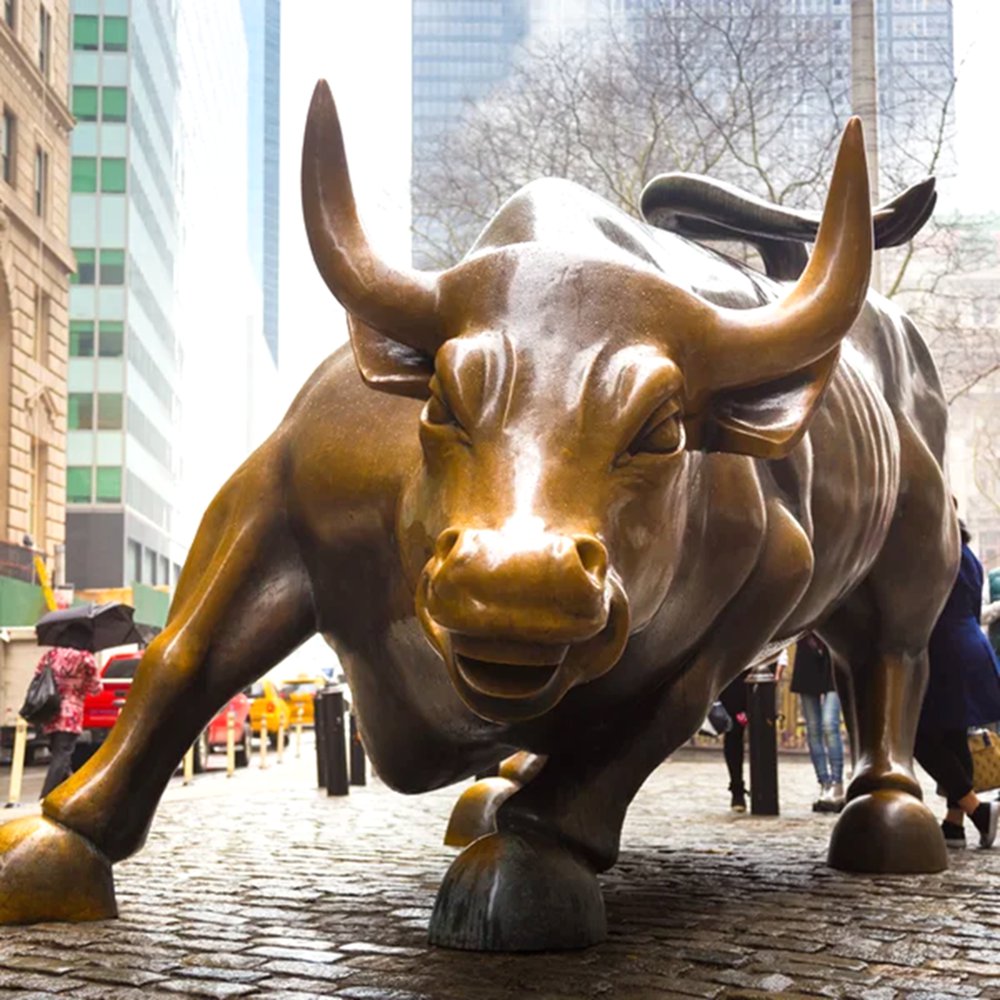
What Makes a Metal “The Best” for Sculpting?
You’re looking for a metal that could bring your vision to life, last a lifetime, and hold its value. A “good” material works, but the “best” material does all of that while adding its own soul to the piece. From my time in the foundry, I judge a sculptural metal by four critical pillars.
Craftsmanship & Detail: The best metal is a willing partner to the artist’s hand. It needs to capture every nuance of the original clay or wax model, from the subtlest facial expression to the most dynamic, flowing drapery. This comes down to castability – how well the molten metal fills a mold.
Durability & Legacy: A great sculpture should outlive its creator. The material resists corrosion, withstands weather (especially for outdoor installations), and maintains its structural integrity for generations. This is about creating a legacy piece that could be passed down.
Value & Investment: Art is an expression, but it is also an asset. The best material has intrinsic worth from its raw components, a respected history in the art market, and the potential to appreciate in value over time.
Aesthetic & Character: Finally, the material looks the part. It should offer a range of finishes, from polished brilliance to a textured patina, and its appearance should mature gracefully, telling a visual story of its age and environment.
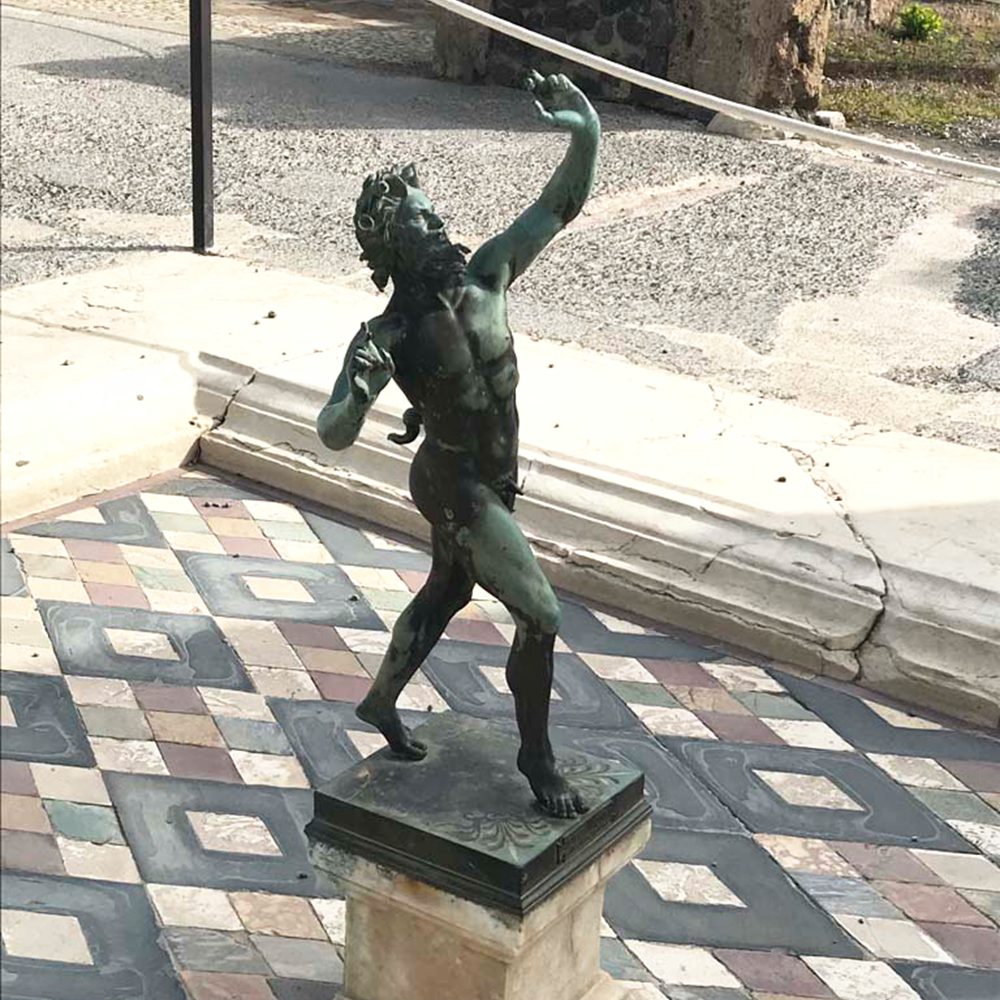
Few materials score highly in all four categories. Let’s see how the most common options compare.
Sculpture Material Comparison
| Feature | Bronze | Cast Aluminum | Stainless Steel | Cast Iron |
| Craftsmanship (Detail) | Excellent. The traditional lost-wax casting method allows for extreme detail. | Good for larger forms, but could struggle with the finest details compared to bronze. | Excellent for modern, welded fabrication. Casting is difficult and less common. | Fair. Best for simpler, more robust forms; fine detail is challenging. |
| Durability (Lifespan) | Exceptional (1000+ years). Develops a protective patina and does not rust. | Good. Lightweight but softer; could be prone to pitting over decades outdoors. | Excellent. Highly resistant to corrosion, but polished finishes could scratch. | Poor. Prone to rust unless meticulously and repeatedly painted/sealed. |
| Value & Investment | High & Appreciating. High intrinsic metal value and strong art market demand. | Low. Little intrinsic or resale value; seen as a decorative material. | Medium. Value is in the fabrication labor and design, not the common metal itself. | Low to Medium. Valued for antique pieces, but new work has limited art market appeal. |
| Aesthetic Character | Rich & Evolving. Warm, classic color. Patina adds unique character and historical depth. | Bright, modern, but could look industrial. Color is typically paint, which could chip. | Sleek, contemporary, and reflective. Maintains a consistent “new” look if polished. | Heavy, industrial, and dark. Requires constant upkeep to avoid unsightly rust. |
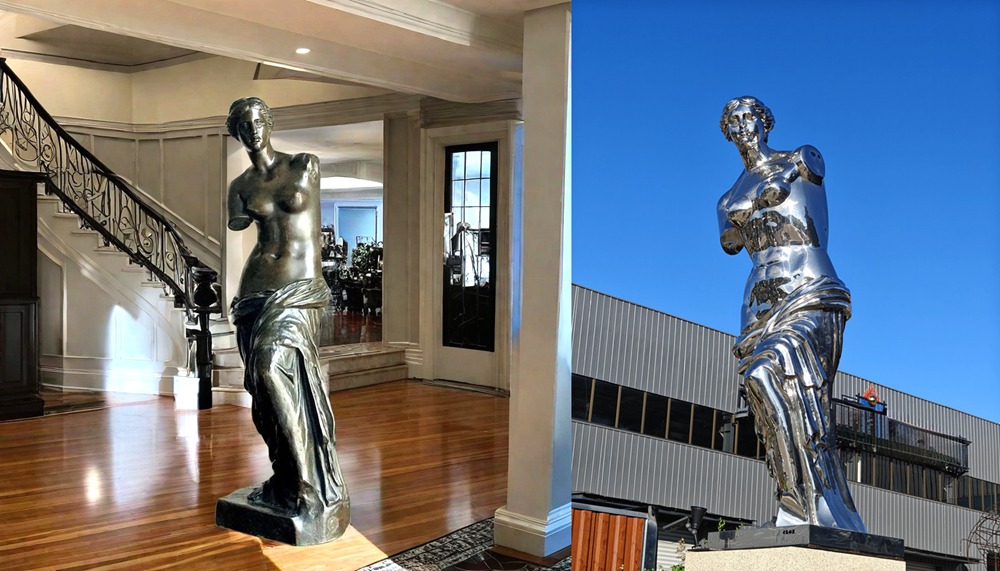
Why is Bronze the Undisputed Champion for Fine Art?
It’s the result of bronze’s unique physical and chemical properties, honed over millennia.
The primary reason is its perfect balance for the lost-wax process. When we pour molten bronze, it flows like thick honey, filling every crevice of the ceramic shell mold that was formed from the artist’s original wax. It then cools and solidifies in a controlled way, faithfully capturing even a fingerprint. This process has been used for thousands of years because it simply works better with bronze than with other metals for capturing fine art.
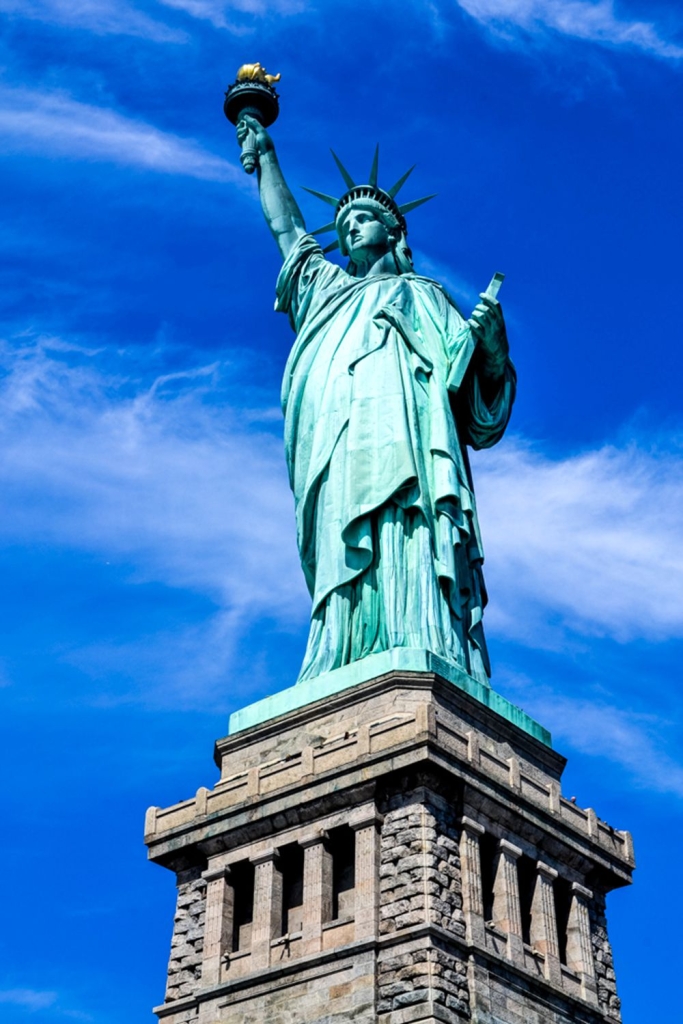
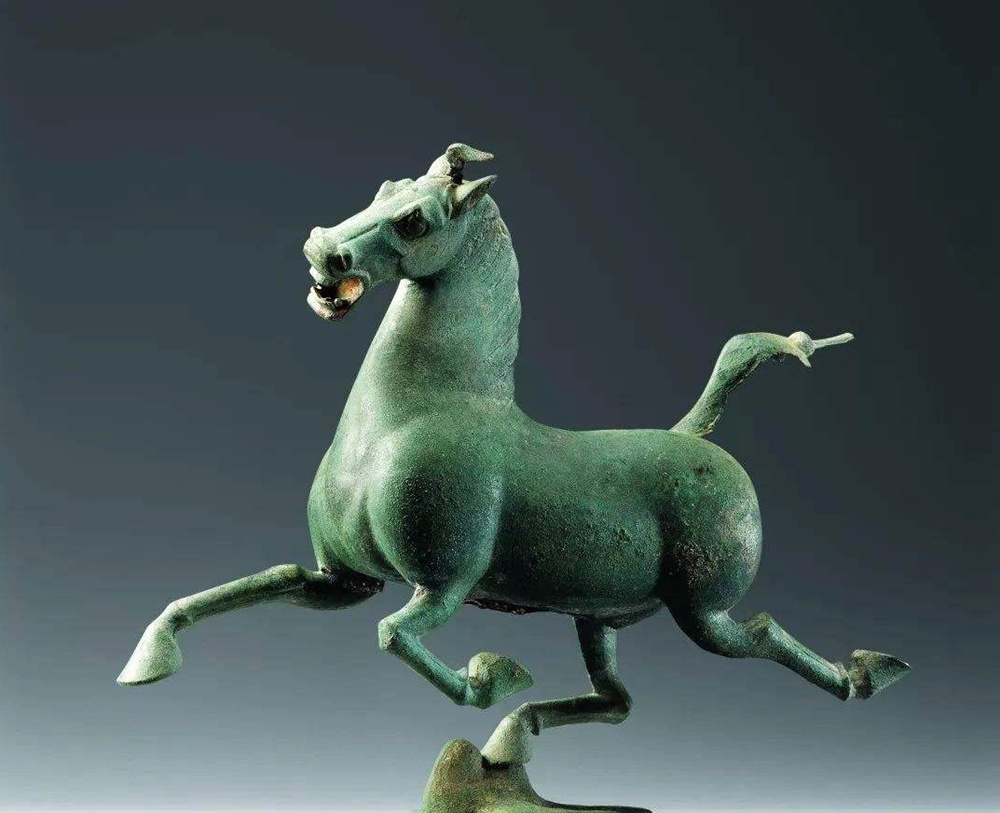
Furthermore, bronze’s endurance is legendary. While iron rusts away and aluminum could corrode, bronze reacts with the atmosphere to form a stable skin called a patina. This patina, whether the classic green verdigris or a rich brown, is not a sign of decay. It is a protective layer that seals and preserves the metal underneath, which is why we have ancient bronze artifacts from China and Rome that are still intact today. This natural aging process is highly desired by collectors because it adds a story that could not be faked.
Finally, there is the matter of substantial worth. A bronze sculpture is not just a shape; it is hundreds of pounds of valuable copper and tin. As these metals become more scarce and expensive industrially, the intrinsic value of a bronze sculpture provides a solid financial foundation. When you combine this with the artistic value of a well-crafted piece, you have an asset that is both beautiful and sound.
If Bronze is So Good, Why Do People Use Anything Else?
This is an excellent and practical question from my clients. The short answer is: budget, style, and immediate need.
Cost is the most common factor. The raw materials and the intensive, skilled labor required for lost-wax casting make bronze the most expensive option. For a large public art project with a tight budget, cast aluminum could be a viable alternative to achieve a large-scale form at a lower cost, even if it sacrifices some detail and long-term value.
A specific modern aesthetic calls for a specific material. If an artist’s vision is a highly polished, reflective surface that interacts with light and environment in a crisp, contemporary way, then stainless steel is the obvious and brilliant choice. Its value lies in the finish and fabrication, not in the tradition of casting.
Immediate decorative needs also drive choice. For a short-term installation, a garden ornament, or a piece where historical weight is not desired, materials like resin or coated aluminum serve a purpose. They fill a space but are not created with the intention of lasting for centuries or becoming a financial heirloom.
In my foundry, we work with clients to align their vision with the right material. For about 80% of those seeking a serious, lasting piece of art, the conversation begins and ends with bronze. For the others, we help them understand the trade-offs so they could make an informed choice.
How Do I Ensure I’m Getting a Truly Quality Bronze Sculpture?
You’ve decided on bronze. Now, how do you ensure you’re investing in a piece that would truly stand the test of time and hold its value? Not all bronze is created equal. Here is what we focus on at our foundry, and what you should look for:
1. The Foundry’s Reputation & Craftsmanship: The skill of the artisans is everything. Ask about their experience and their process. Do they use true lost-wax casting? Do they have a dedicated Quality Control team inspecting every stage? This craftsmanship is what you are really investing in.
2. The Quality of the Patina: Is the color applied with artistry? A master patineur uses heat and chemicals to create depth and variation, mimicking centuries of natural aging. A cheap, sprayed-on paint would look lat and could wear off. We offer a range of custom patina finishes because we know this final skin brings the sculpture to life.
3. Weight and Solidness: A quality bronze sculpture has a substantial, satisfying heft. While some pieces are hollow-cast to save weight and cost, the best ones—especially for outdoor endurance—are solid cast or have a very thick shell. This contributes directly to its durability and permanence.
4. Provenance & Uniqueness: Is it a unique work or part of a limited edition? Documentation matters. A sculpture from a recognized foundry or artist, with a clear history (provenance), carries more prestige and financial value in the long-term investment market.
Conclusion
So, what is the best metal for sculptures? For a temporary decoration, you have many choices. But for a true work of art—one that embodies the artist’s intent, carries the weight of history, ages with noble grace, and secures value for future generations—the answer, refined over thousands of years, is unequivocally bronze.
It is the material of Michelangelo’s David and Rodin’s Thinker. It is the medium that allows us at the foundry to translate fleeting inspiration into a permanent legacy. When you choose bronze, you are not just selecting a metal; you are choosing a timeline that stretches far into the past and far into the future.
If you desire a bronze work of art that will endure for thousands of years, we can cast the most exquisite bronze sculptures for you.
Panda, a 20-year veteran of bronze casting, is one of the co-founders and lead artisan of YouFine Art Bronze Foundry. Deeply rooted in the foundry, she has mastered every detail of the craft. Her expertise guarantees that each sculpture embodies the highest standards of quality and artistic integrity.