 You Fine Sculpture
You look at a bronze statue and wonder about the price. You worry that buying art is a risk and you might lose your money.
Yes, bronze sculptures are highly valuable assets. They hold significant intrinsic value because bronze is a copper-based alloy, and copper is a strategic global resource. Beyond the metal cost, the artistic craftsmanship and historical durability make them excellent long-term investments that often appreciate over time.
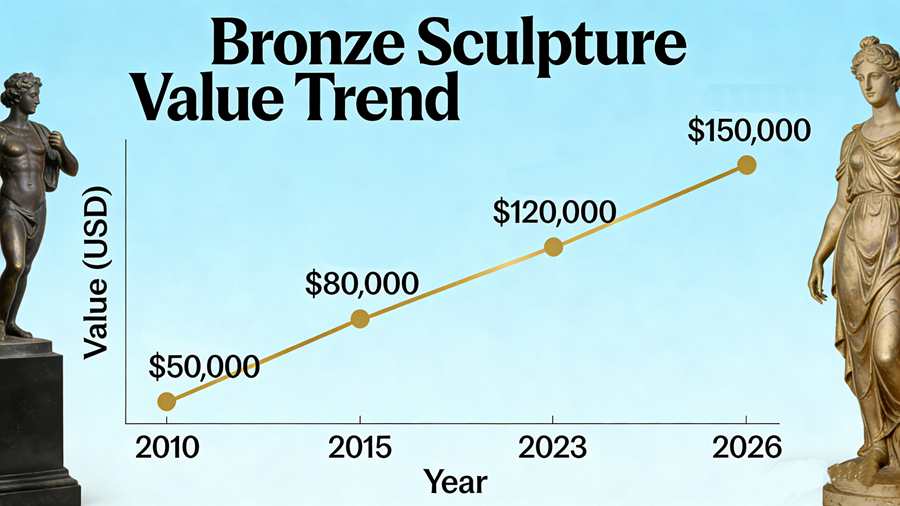
Many clients ask me this question. They come to my gallery in Quyang. They see the beautiful metal work. They ask if the value lasts. I tell them the truth about the market. I tell them about the history. I want to share these insights with you.
Why Does the Raw Material Make Bronze So Valuable?
You might think metal is just a cheap commodity. But the price of raw materials keeps going up every year, making new sculptures more expensive.
Bronze is primarily made of copper. Recently, the world upgraded copper to a strategic material. This means the base price of the sculpture is tied to a valuable global resource. As copper prices rise, the baseline value of your bronze sculpture rises too.
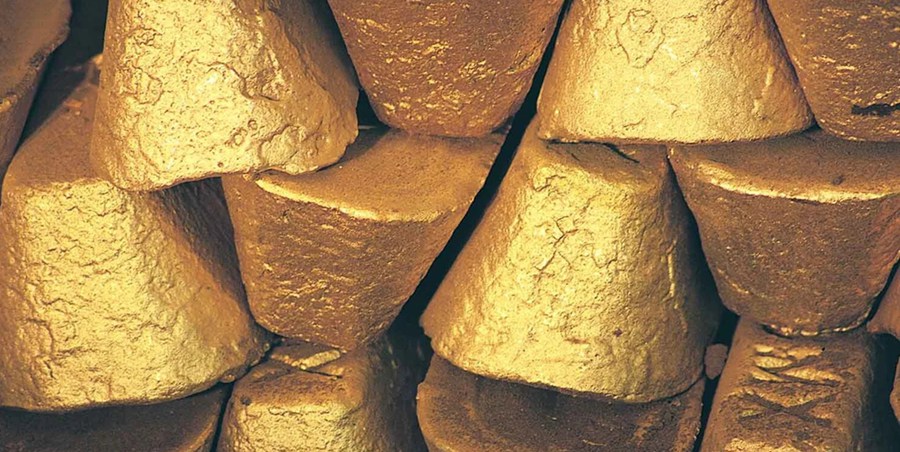
I have seen the changes in the market firsthand. In our factory, we use high-quality bronze. This is an alloy. It is mostly copper with some tin and zinc. This mix gives the metal strength. It also gives the metal value.
We need to look at the global market. Copper is now a strategic material. Industries need it for electronics. Green energy needs it. Construction needs it. The demand is very high. The supply is tight. This drives the price up. When you buy a bronze sculpture, you buy this material. You hold a heavy amount of valuable metal.
Paper money can lose value. Stocks can crash. But a physical resource like bronze has real worth. It is heavy. It is real. It is a store of value. We see this in the scrap market too. Even damaged bronze has a price. But a finished sculpture is worth much more. The labor adds value. The art adds value.
Here is a simple breakdown of why the material matters:
| Material Factor | Impact on Value | Why it Matters |
| Copper Content | High | Copper is a traded commodity with rising global demand. |
| Scarcity | Medium | Good quality copper is becoming harder to mine cheaply. |
| Durability | Very High | The material does not rust away like iron, preserving the investment. |
| Recyclability | High | Bronze can always be melted down and reused, ensuring a floor price. |
I tell my clients to view bronze as a hard asset. It is like gold or silver, but it is also art. You get to enjoy the beauty while you hold the investment.
Can Bronze Sculptures Really Last for Thousands of Years?
You fear that outdoor art will rot or break. You do not want to spend money on something that looks bad after a few years.
Bronze sculptures have an incredibly long lifespan. Archaeologists find bronze artifacts that are thousands of years old. These pieces still show the details of ancient civilizations. This durability proves that bronze is a permanent material that preserves history and value.
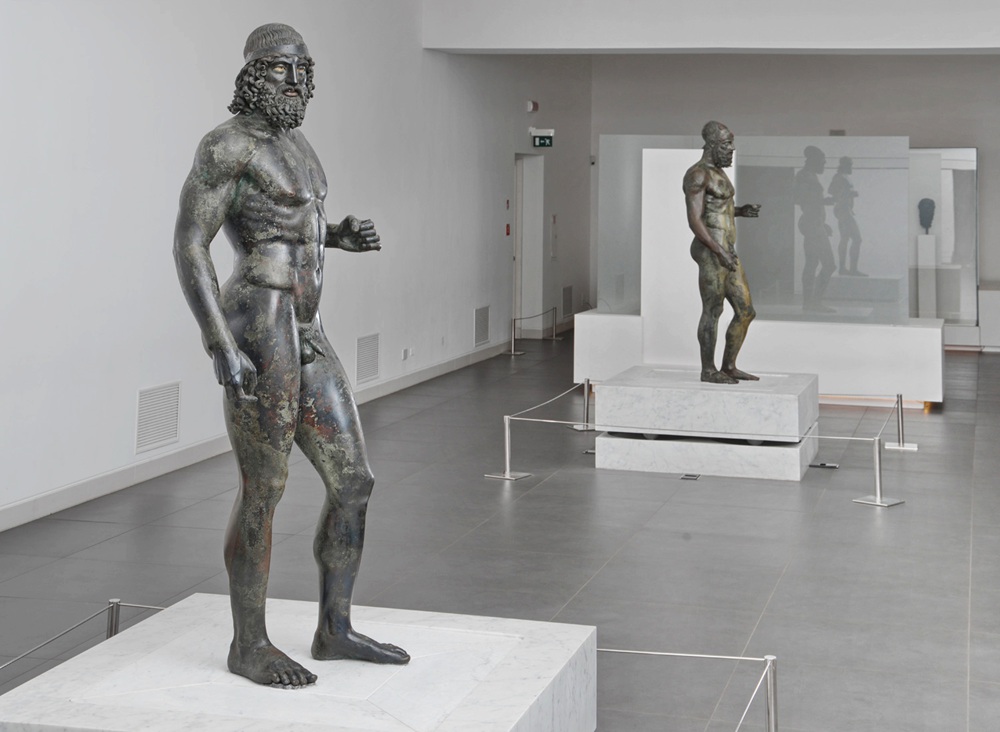
I walk through museums and I see history. I see the Bronze Age. I see the tools and the art. They are still here. Wood rots. Stone can crack. Iron rusts away. But bronze endures.
This longevity is key to value. When you buy a piece from us, you buy it for your children. You buy it for your grandchildren. It is a legacy. The earliest bronze artifacts date back millennia. They still exist. They testify to the existence of past people. They show us how they lived.
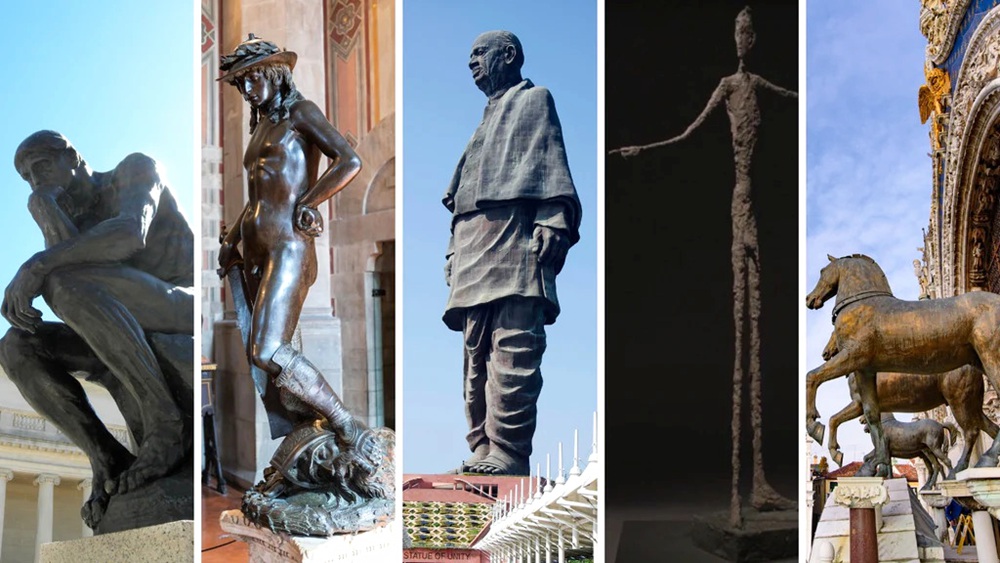
Think about the famous ancient sculptures. We have the statue of The Boy with a Goose. We have the Gaul Committing Suicide. We have the Dancing Girl. These are not just memories. They are physical objects we can touch today. They survived wars. They survived bad weather. They survived being buried underground.
This durability makes bronze “worth it.” You do not replace it. You do not fix it often. It develops a patina. This is a green or brown layer. It protects the metal. It makes the sculpture look distinguished. Collectors love this look. It shows age. It shows authenticity.
Here is why longevity equals value:
1. Low Maintenance Costs: You do not need to paint it or repair it constantly.
2. Historical Record: The piece becomes a marker of your time.
3. Intergenerational Wealth: You can pass it down as a family heirloom.
4. Weather Resistance: It stands strong in rain, snow, and sun.
I have been in this business for over 40 years. I see how our sculptures stand in gardens. They look better with time. This is the power of bronze.
Why Do Famous Figures Choose Bronze for Commemoration?
You want to honor a memory or a person. You are not sure which material shows enough respect and importance for the subject.
History’s greatest figures are immortalized in bronze. From US Presidents to famous scientists, society uses bronze to remember outstanding contributions. This tradition proves that bronze is the standard material for honor, prestige, and high value.
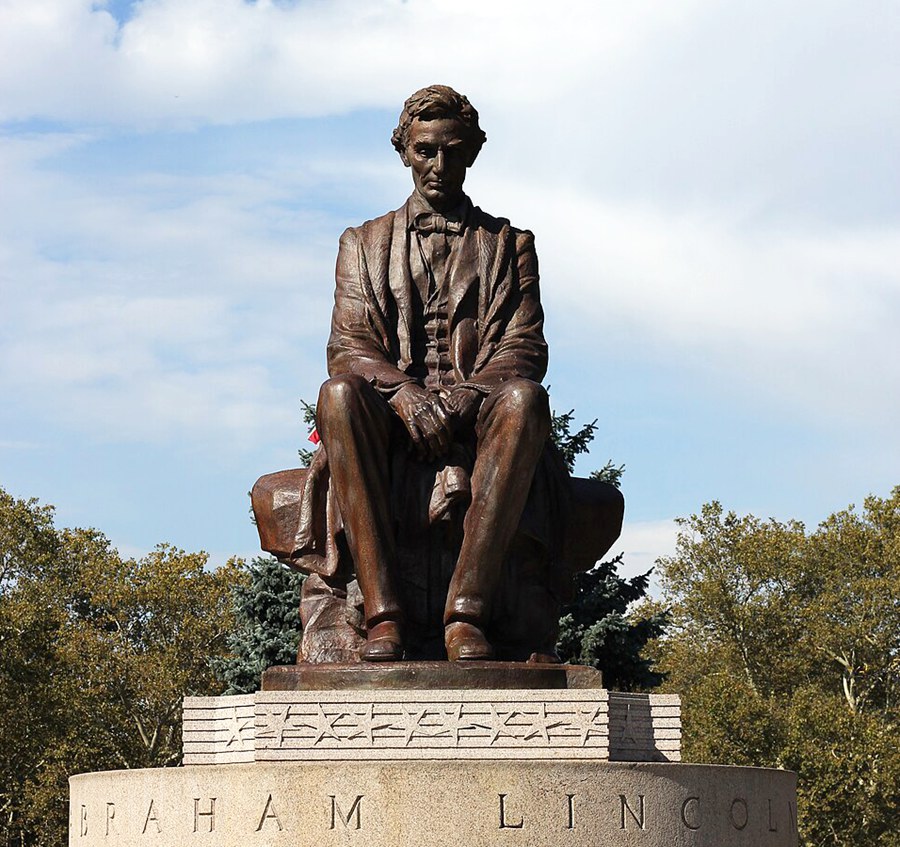
We look at the public squares. We look at the palaces. We look at the libraries. We see bronze everywhere. It is the skin of history. Important people want their image in bronze. This is because it lasts. It is also because it looks noble.
I have studied many of these famous statues. They tell the story of our world. Take the Presidents of the United States. We see the Lincoln Memorial statue. We see the bronze statues in the White House collection. We have statues of Dwight Eisenhower and Harry S. Truman. We see George W. Bush and Bill Clinton. We see Rutherford B. Hayes. Even the “United States” relief plaque is bronze. The U.S. Marine Corps War Memorial is a giant bronze work. We also see the Simón Bolívar bronze presidential statue.
It is not just politics. It is literature too. We have great writers. I see statues of Balzac. I see Dante and Shakespeare. I see Goethe and Schiller standing together. I see Pushkin. Then there are the thinkers. We have The Thinker by Rodin. We have Socrates, Plato, and Aristotle. We have Voltaire and Rousseau. In the East, we have Confucius. We also honor the artists. We see statues of Leonardo da Vinci and Michelangelo. We see musicians like Beethoven, Mozart, and Bach. We see modern masters like Van Gogh and Picasso.
Science uses bronze, too. We see Newton and Galileo. We see Einstein and Marie Curie. We see Darwin. We remember the ancients like Homer, Pericles, Sophocles, Seneca, and Cicero. We remember modern writers like Hemingway, Mark Twain, Andersen, Tagore, and Lu Xun.
Why do I list all these names? It shows a pattern. Bronze is for value. Bronze is for respect. If you want a sculpture to be worth something, you choose the material that the masters chose.
| Category | Famous Bronze Examples | Meaning |
| Presidents | Lincoln, Eisenhower, Clinton, Bush | Power and Leadership |
| Writers | Shakespeare, Hemingway, Twain | Intellect and Culture |
| Scientists | Einstein, Newton, Darwin | Discovery and Truth |
| Artists | Da Vinci, Beethoven, Picasso | Creativity and Beauty |
These sculptures capture glorious moments. They allow us to remember the struggles and the lives of these people.
How much have famous bronze sculptures appreciated over time?
You might wonder if you can actually make a profit. Let’s look at the numbers for some of the most famous pieces in history.
Famous bronze sculptures have seen massive appreciation, often selling for millions of dollars more than their original cost. Works by masters like Giacometti and Rodin have broken auction records, proving that bronze art outperforms many other asset classes.
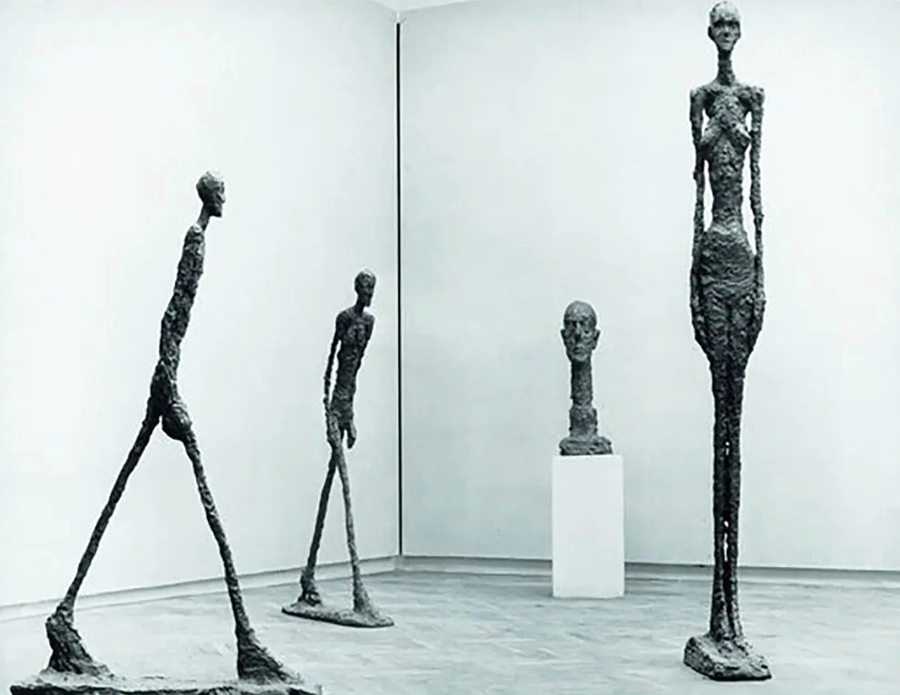
I always tell my clients that while you should buy what you love, the numbers are very encouraging. Let’s look at some real examples of how value changes over time.
When Auguste Rodin created The Thinker, it was a commissioned piece. It was expensive, but not a fortune. Today, original casts sell for over $15 million. But the most shocking example is Alberto Giacometti.
Here is a simple breakdown of how value can skyrocket:
| Artist | Sculpture Name | Estimated Original/Early Value | Recent Auction / Market Value |
| Alberto Giacometti | L’Homme qui marche I (The Walking Man I) | Sold for modest sums in the 1960s | $104.3 Million (Sold in 2010) |
| Alberto Giacometti | Chariot | Thousands (1950s) | $101 Million (Sold in 2014) |
| Amedeo Modigliani | Tête | Minimal (Early 20th Century) | $52.6 Million (Sold in 2010) |
| Jeff Koons | Rabbit (Stainless/Bronze look) | High, but not record-breaking | $91.1 Million (Sold in 2019) |
| Auguste Rodin | The Thinker (Original Casts) | Commission fees | $15.3 Million (Sold in 2013) |
These numbers are crazy. But even for non-famous artists, the value goes up. A well-made bronze horse I sold twenty years ago would cost three times as much to make today just because of labor and material costs. So even without a famous name, the replacement value increases.
Which artists created the most valuable bronze sculptures?
Knowing the names of the masters helps you spot quality. You need to know who set the standard for high-value bronze art.
The most valuable bronze sculptures come from artists who mastered the medium, such as Rodin, Giacometti, and Brancusi. Their works are valuable not just because of their names, but because they pushed the boundaries of what bronze casting could do.
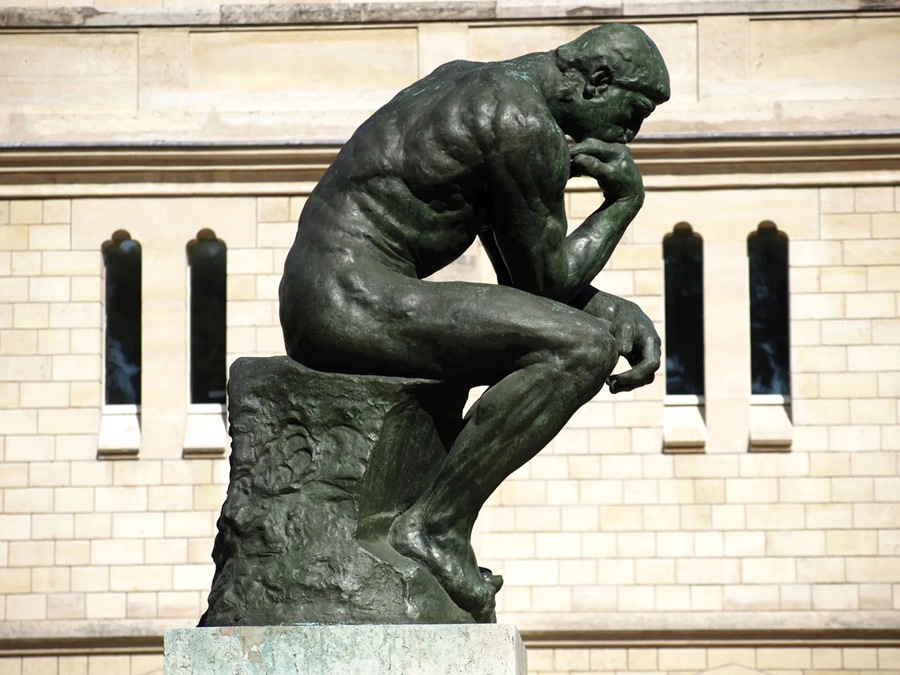
In my line of work, we study the masters constantly. We try to learn from them. If you are looking for value, you look at the artists who changed history.
Leonardo da Vinci and Michelangelo are famous, but their bronzes are rare. The real market movers are from the modern era. Auguste Rodin is the father of modern sculpture. His The Thinker is perhaps the most famous bronze in the world. He showed that bronze could be rough and emotional, not just smooth and stiff.
Then you have the modernists. Constantin Brancusi created Bird in Space. He polished his bronze until it looked like gold liquid. It is stunning. And of course, Giacometti. His thin, stick-like figures look fragile, but because they are bronze, they are strong.
Why are these valuable? Because casting bronze is hard. It takes a team. It takes the “Lost Wax” method. It takes months of work. When an artist like Picasso or Moore makes a bronze, they are directing a massive industrial and artistic effort. This complexity adds value. At YouFine, we work with artists today who are the next generation. We see the same passion. Collecting work from dedicated sculptors is how you start this journey of value.
Is Bronze Sculpture a Good Investment for the Future?
You work hard for your money. You want to put it into something that will grow and not disappear.
Bronze sculptures are a stable investment in the art market. Unlike trendy items that lose popularity, bronze has a centuries-old track record. The combination of material value and artistic merit helps these sculptures hold their worth and often increase in price.
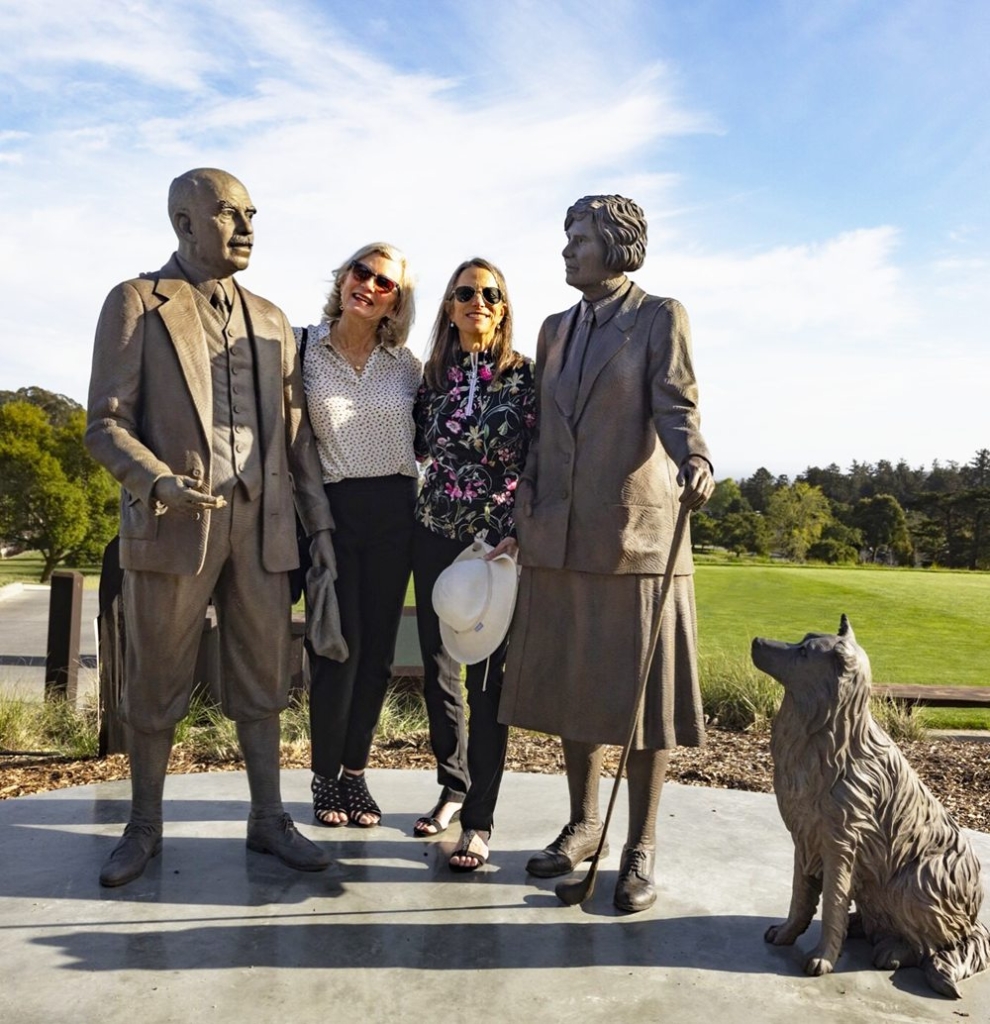
I talk to collectors from Europe and America. They tell me about their collections. They view bronze as a safe place for money. It is not a quick flip. It is a slow growth.
The art market respects bronze. Auctions sell bronze for millions. But even smaller pieces hold value. This is because making a bronze sculpture is hard. It takes a lot of time. We use the lost-wax method. This is a traditional way. It takes 33 steps. We make a clay model. We make a wax model. We make a shell. We melt the bronze. We pour it. We chase the metal. We patina it. This process limits the supply. You cannot print bronze like a poster. You cannot mass-produce it cheaply.
Scarcity creates value. When you buy a custom piece or a limited edition, you own something rare. Also, bronze fits everywhere. It fits in a castle. It fits in a villa. It fits in a golf course. It fits in a museum. This means there is always a buyer. If you want to sell it later, there is a market.
I suggest you look for quality. Look for good details. Look for good proportions. In Quyang, we focus on the spirit of the sculpture. We want the face to look alive. We want the muscles to look real. A bad sculpture is just metal. A good sculpture is art. Art has the highest value.
Here are some investment tips:
- Buy Quality: Good casting and detail matter most.
- Check the Material: Ensure it is real bronze (high copper content).
- Keep the Patina: Do not scrub it off. The age adds value.
- Know the Artist/Studio: A reputable studio like ours adds confidence.
Frequently Asked Questions About Bronze Value
I hear the same questions from buyers all over the world. Here are the honest answers to help you understand your investment.
Many people ask about maintenance, authenticity, and casting methods. Understanding these factors is crucial because a well-maintained, authentic lost-wax bronze sculpture will always hold its value better than cheap reproductions.
1. How do I know if a bronze sculpture is real?
You can test it with a magnet. Bronze is not magnetic. If the magnet sticks, it is likely iron or steel plated with bronze. Also, bronze is heavy. If it feels light, it might be resin. You can also look at the bottom or inside. You should see the raw metal color.
2. Does the patina affect the value?
Yes. The patina is the surface color. It happens naturally over time or by chemical process in the studio. A natural, old patina is very valuable. You should not polish it away. It protects the metal. It shows the history.
3. Is a hollow bronze sculpture worth less?
No. Almost all bronze sculptures are hollow. We cast them this way. If they were solid, they would be too heavy. They would also crack as they cool. Being hollow is the standard method for lost-wax casting. It does not mean it is cheap.
4. Can I place bronze outside in the winter?
Yes. Bronze is very tough. It handles snow and ice. We ship to Canada and Northern Europe. The sculptures stay outside all year. You just need to wax them once a year to keep them looking fresh.
5. Why are some bronze sculptures so expensive?
It is the labor. It takes months to make one piece. We employ artists, mold makers, casters, and welders. It is a team effort. Plus, the cost of copper is high. You pay for the material and the human skill.
6. Does cleaning a bronze sculpture lower its value?
If you do it wrong, yes. You should never scrub the patina (the surface color). The patina grows more beautiful with age. If you remove it, you remove history. We recommend simple waxing once a year. This protects the value.
7. What is the difference between “Hot Cast” and “Cold Cast”?
This is the most important question for value. “Hot Cast” is real metal, melted at high temperatures. It is valuable. “Cold Cast” is just plastic resin mixed with bronze powder. It is cheap and has very little resale value. You can tell by the sound—real bronze rings like a bell.
8. Do reproductions have value?
Yes. A high-quality museum reproduction (like the ones we make at YouFine) has value as a decor asset. It costs money to make, and materials are expensive. It won’t sell for millions like a Rodin original, but it retains its material and aesthetic value.
Conclusion
Bronze sculptures are definitely worth the investment. They combine the high value of strategic copper material with historical significance and incredible longevity. Whether for a private villa or a public museum, bronze stands the test of time.

Panda, a 20-year veteran of bronze casting, is one of the co-founders and lead artisan of YouFine Art Bronze Foundry. Deeply rooted in the foundry, she has mastered every detail of the craft. Her expertise guarantees that each sculpture embodies the highest standards of quality and artistic integrity.