 You Fine Sculpture
Do you struggle to tell bronze, brass, and copper apart? Choosing the wrong metal ruins your project. I will show you exactly how to identify each sculpture material easily.
You can distinguish these metals by their color, composition, and texture. Brass is bright yellow with zinc. Bronze is dark brown with tin or silicon. Copper is a reddish-brown pure metal. Knowing these differences helps you buy the perfect sculpture for your high-end space.
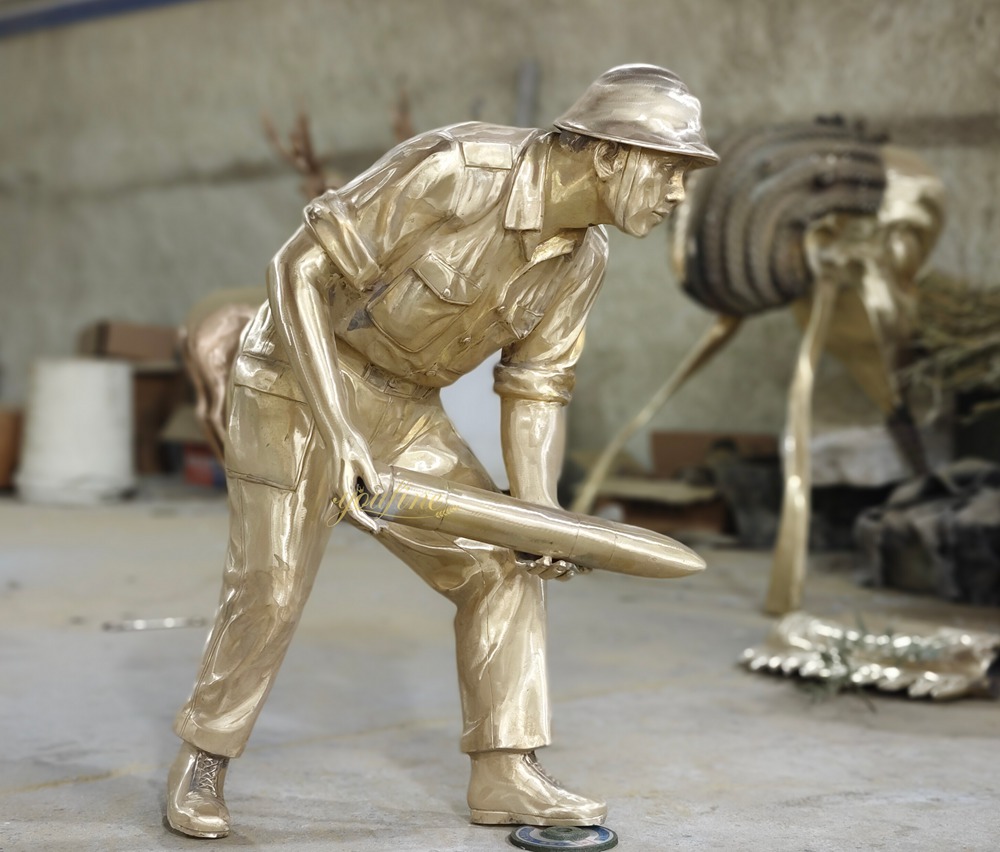
You might think all metal sculptures look exactly the same at first glance. But the hidden details will completely change your mind. Keep reading to discover the secrets that most factories will never tell you.
What Is a Brass Sculpture and How Do You Identify It?
Are you worried about buying a cheap brass fake? Bad brass causes ugly surface problems. I will help you spot true brass sculptures by checking their color and material.
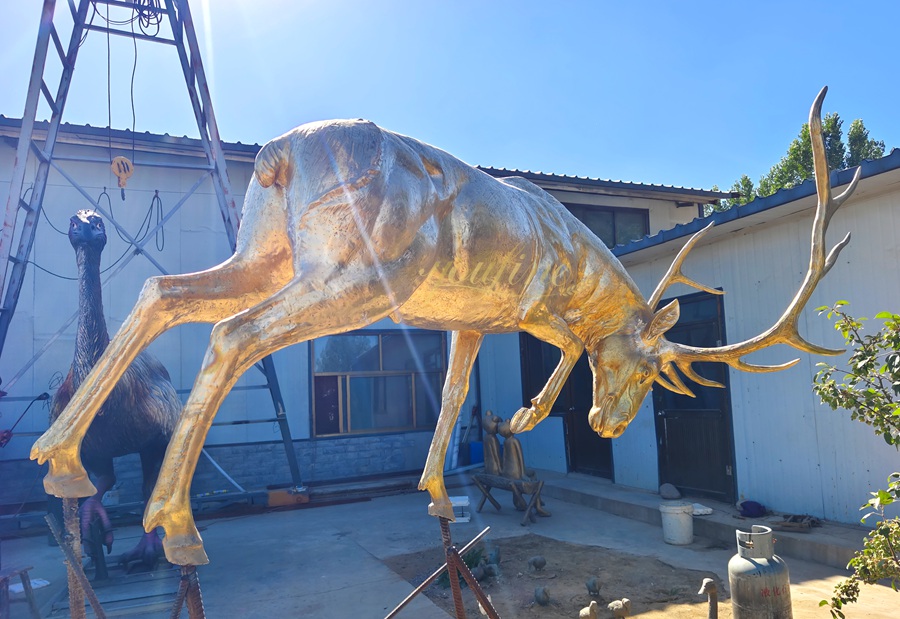
Brass is an alloy of copper and zinc. It shows a bright yellow or soft gold color. It looks like pure gold. As it ages, it turns greenish-brown. Brass has great ductility and a shiny surface. But it often contains recycled scrap metals.
The True Composition of Brass
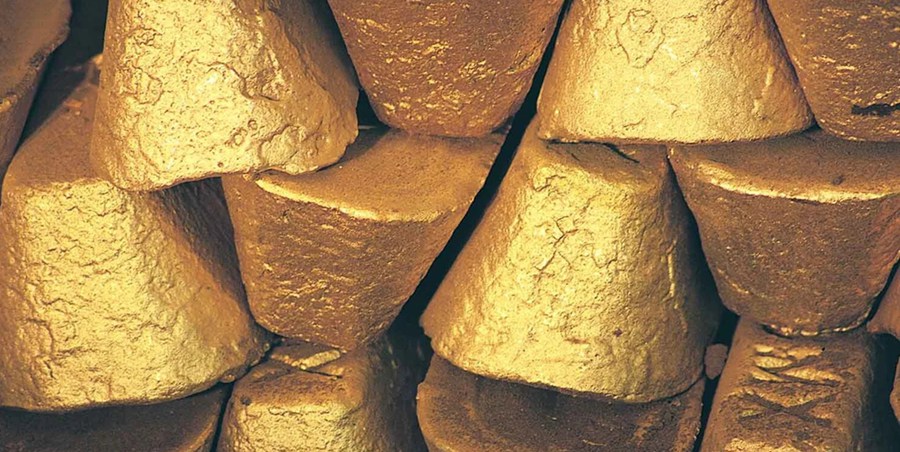
I often see buyers get confused about brass. Many factories use scrap brass to save money. Most of the scrap copper on the market is actually brass. Factories melt this scrap down to cast new sculptures. This recycling process means brass usually has more impurities. At our factory, we know that the brass we routinely manufacture has about 66% copper. This number matches the national standard range of 60% to 62%.
How Brass Looks and Acts
Brass has a very nice surface luster. It shines better than bronze. However, it is fundamentally different from bronze. Factories do not mix brass from pure elements. They just melt scrap brass directly. This means the exact material changes from one factory to another.
| Feature | Brass Sculpture Details |
|---|---|
| Composition | Copper and Zinc |
| Copper Content | Usually around 66% |
| Raw Material | Often melted recycled scrap brass |
| Color | Bright yellow, soft gold, or pale yellow |
| Aging Patina | Lightens to greenish-brown or pale yellow |
| Casting Thickness | Usually 4 to 5 millimeters |
Brass is cheaper to make. You can cast brass sculptures with a thickness of just 4 to 5 millimeters. This saves material costs. But you must remember that brass is not the best choice for every project. I always tell my clients to check the metal carefully.
What Is a Bronze Sculpture and Why Are There Different Types?
Do you hate it when outdoor sculptures crack or break? Weak metals fail over time. I will explain why true bronze gives you the strongest and most beautiful art pieces.
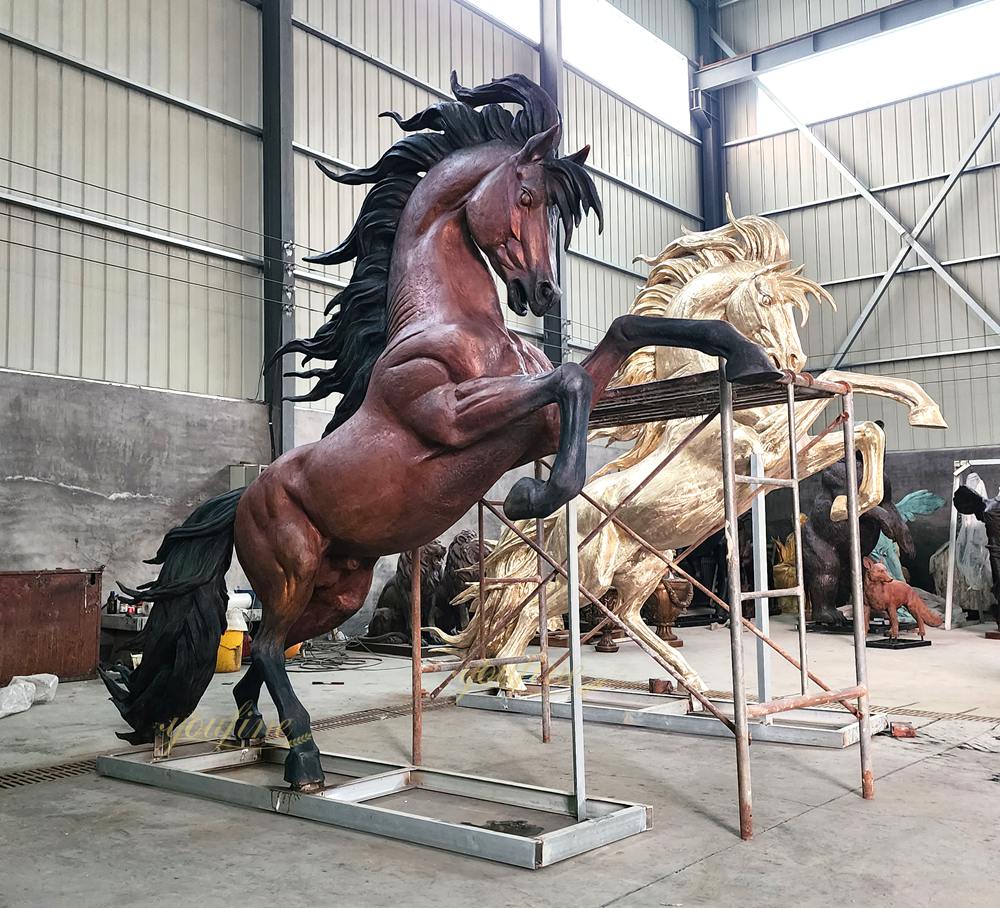
Bronze is an alloy of copper mixed with tin or silicon. It features a dull gold or dark brown color. Over time, it develops a beautiful antique-green patina. Bronze is extremely hard and durable. It also shows fine casting lines. We formulate bronze internally from pure electrolytic copper.
Silicon Bronze vs. Tin Bronze
Bronze is classified into two main types. These types are silicon bronze and tin bronze. The difference comes from the trace elements we use. We buy raw electrolytic copper plates. We mix the alloys ourselves. Scrap bronze is very rare.
Silicon bronze is very popular now. Tin is an expensive element. So, factories use silicon instead. Standard silicon bronze should contain about 95% copper. But very few factories actually reach this 95% level. The minimum standard for silicon bronze is 83% copper. If a factory uses 83% copper, the price is lower. For example, if brass costs 10,000 RMB, an 83% silicon bronze piece costs about 12,000 to 13,000 RMB.
Why Thickness Matters in Bronze
Silicon bronze costs 40% to 50% more than brass. The high copper content makes the metal softer. We must cast silicon bronze with a thickness of 6 to 7 millimeters. This extra thickness ensures the sculpture is strong.
| Bronze Type | Copper Content | Key Element | Characteristics |
|---|---|---|---|
| Silicon Bronze (Standard) | About 95% | Silicon | Very strong, needs 6-7mm thickness, avoids micro-cracks |
| Silicon Bronze (Minimum) | About 83% | Silicon | Cheaper, might show micro-cracks if polished thin |
| Tin Bronze | 80% to 88% | Tin (About 8%) | More expensive than silicon, excellent durability |
If a factory uses only 83% copper and makes it thin, tiny cracks will appear after polishing. These cracks are ugly. A 95% copper silicon bronze prevents this problem completely. Tin bronze is another great option. The copper content in tin bronze ranges from 85% to 88%. The tin content is about 8%. Because tin costs so much, many makers reduce the tin amount. Tin bronze is always more expensive than silicon bronze. I always check these details to ensure top quality.
What Is a Red Copper Sculpture and How Is It Made?
Are you confused by the term pure copper? Using the wrong copper ruins the shaping process. I will show you how we use red copper to create unique hammered artworks.
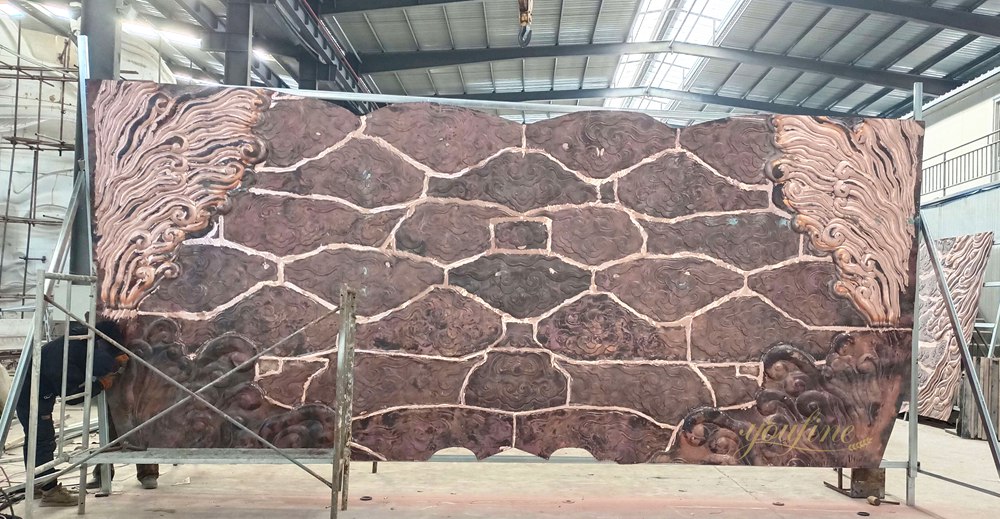
Red copper is pure copper with a reddish-brown hue. It contains about 90% copper. We do not cast red copper because it is too soft. Instead, we use red copper sheets to forge and hammer sculptures. Outdoors, it naturally forms a bright green patina over a long time.
The Nature of Red Copper
People also call red copper pure copper. Many people call it purple copper or 90% copper too. It has a very distinctive reddish-brown color. The texture of red copper is much softer than brass and bronze. It is very soft. We cannot use the lost-wax casting method for it. The metal simply does not hold sharp cast details well.
How We Use Red Copper Sheets
Instead of casting, we buy red copper in flat sheets. These sheets usually have a thickness between 1.2 millimeters and 2 millimeters. Our skilled artists use these sheets to create forged copper artworks. They hammer and shape the metal by hand. This hammering technique is perfect for modern designs. We also use it for large abstract shapes.
| Material Aspect | Red Copper Details |
|---|---|
| Alternative Names | Pure copper, purple copper, 90% copper |
| Copper Content | Approximately 90% |
| Production Method | Hand hammering and forging sheet metal |
| Sheet Thickness | 1.2 mm to 2 mm |
| Outdoor Patina | Bright green over a long time |
I love working with red copper. It offers a different artistic feel. We use it for products that require specific material properties. If you leave a red copper sculpture outside, nature takes over. It will slowly develop a bright green surface. This natural aging process adds immense value to the artwork.
Why Does YouFine Bronze Gallery Choose High-Quality Bronze?
Are you tired of replacing cheap sculptures? Low-quality metals rust and lose their beauty. I will show you how our high-quality bronze guarantees your artwork lasts for many generations.
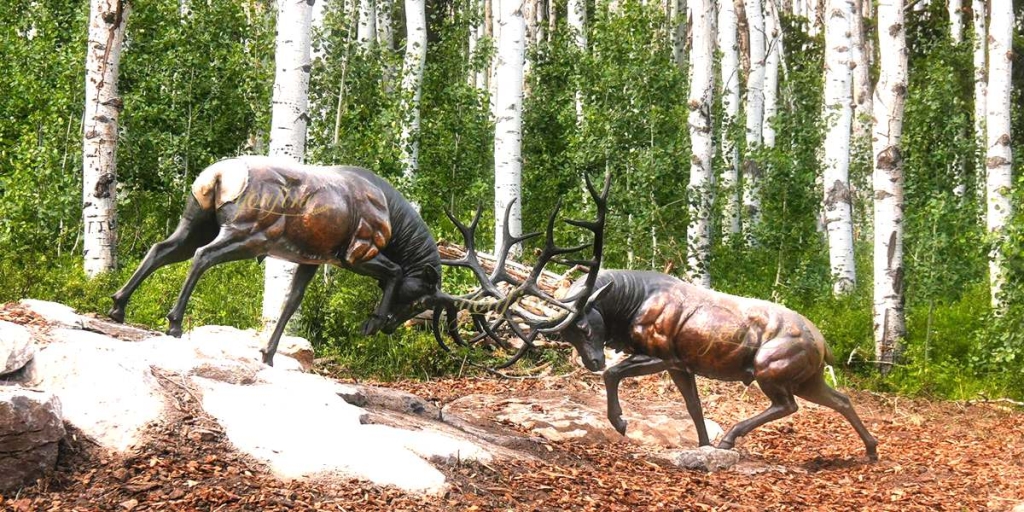
YouFine Bronzes Gallery exclusively utilizes high-quality bronze with a high copper content. We cast our sculptures from pure electrolytic copper plates. This strict material selection ensures superior quality and exquisite details. We refuse to use cheap scrap metals for our high-end art pieces.
Our Commitment to High Copper Content
At YouFine Bronzes Gallery, sculpture is in our blood. We focus entirely on the high-end international market. Our clients include private villa owners, museums, and galleries. These clients demand the absolute best. That is why we formulate our bronze alloys internally. We buy pure electrolytic copper plates. We never rely on unknown scrap metals.
Avoiding Visual Flaws
I explained earlier that low copper content causes minute cracks after polishing. These cracks do not break the sculpture. But they look bad. We refuse to accept visual flaws. We use silicon bronze with a copper content near 95%. This high content eliminates these issues completely. We cast our pieces thick. The thickness is usually 6 to 7 millimeters. This makes the sculpture strong and safe for large outdoor installations.
| Quality Standard | YouFine Bronzes Gallery Approach |
|---|---|
| Material Source | Pure electrolytic copper plates |
| Alloy Formulation | Internally mixed for exact precision |
| Casting Thickness | 6 to 7 millimeters for structural integrity |
| Flaw Prevention | High copper content prevents micro-cracks |
| Market Focus | High-end villas, castles, and museums |
I know that high-quality bronze is more expensive. Silicon bronze costs about 40% more than brass. But the investment is always worth it. Our craftsmen have decades of experience. They make sure every line and every texture is perfect. We provide art that lasts forever.
Conclusion
I hope this guide helps you easily distinguish between bronze, brass, and copper. Choosing the right high-quality metal ensures your beautiful sculpture lasts a lifetime in any environment.

Panda, a 20-year veteran of bronze casting, is one of the co-founders and lead artisan of YouFine Art Bronze Foundry. Deeply rooted in the foundry, she has mastered every detail of the craft. Her expertise guarantees that each sculpture embodies the highest standards of quality and artistic integrity.