 You Fine Sculpture
You buy a beautiful bronze statue for your garden, but over time, you notice the color changing. You might feel worried and wonder if you bought a fake product or if the metal is bad.
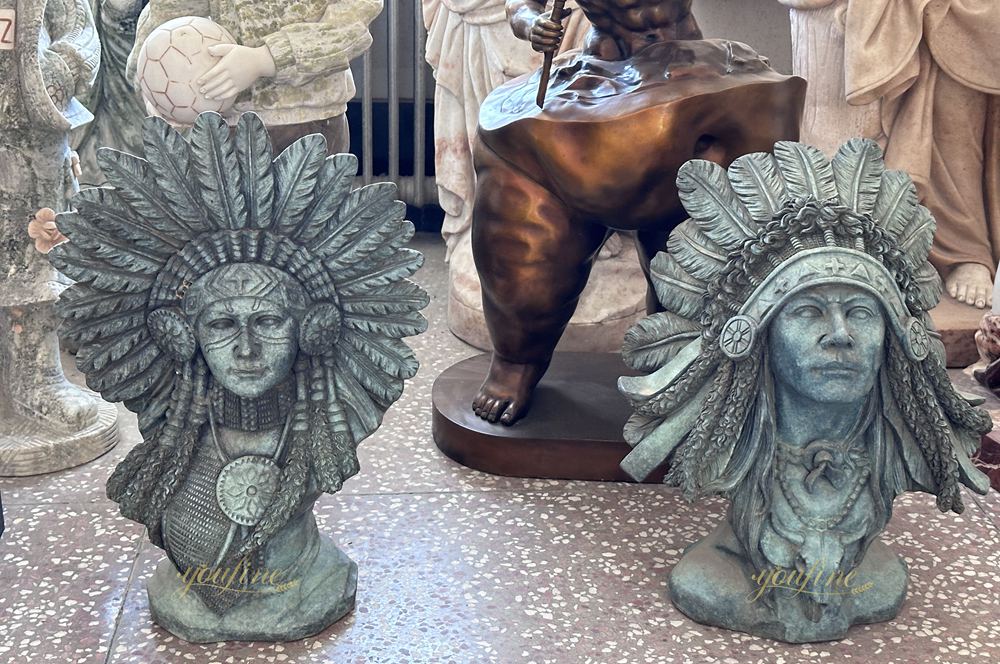
Yes, bronze statues do turn green over time, and this is a completely natural process called oxidation or patina. This green layer is actually helpful because it protects the metal underneath from getting damaged, which is why many famous statues look green today.
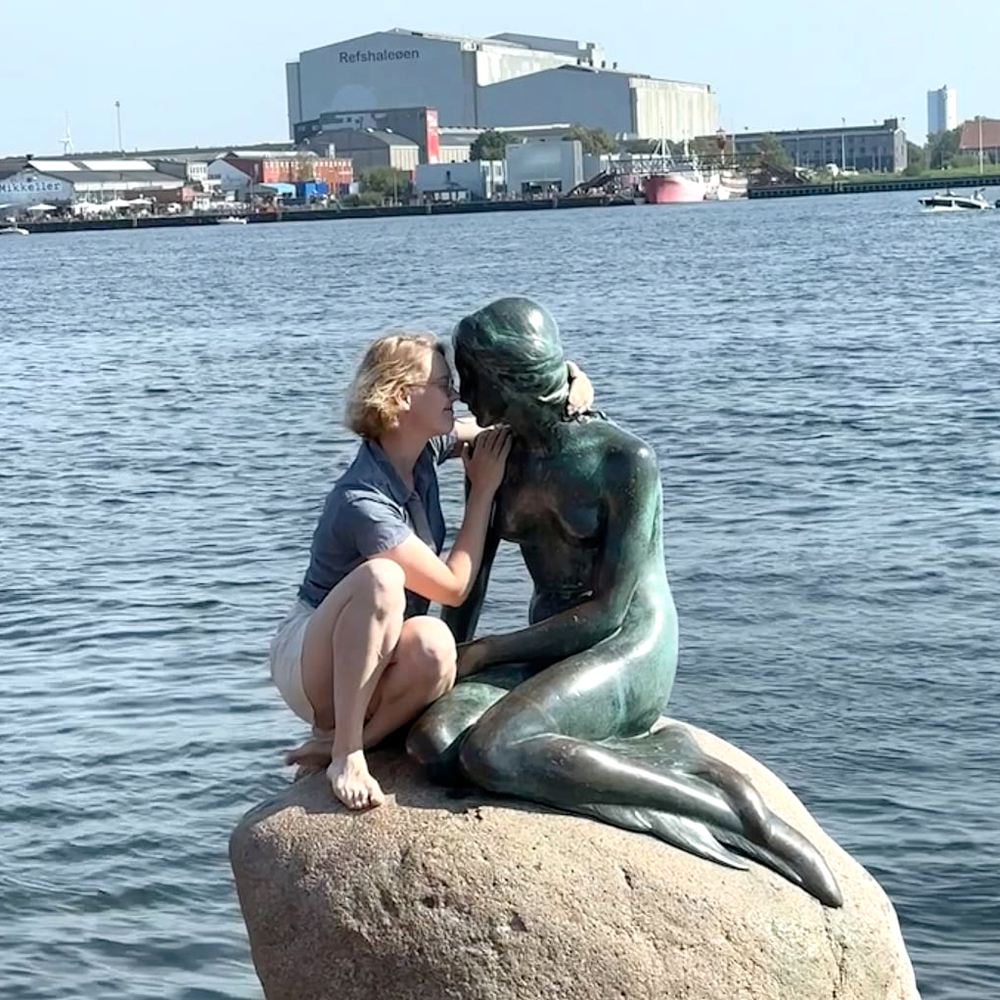
Many people feel confused when they see this change. I want to tell you exactly why this happens. I will also tell you how to stop it if you do not like the green color.
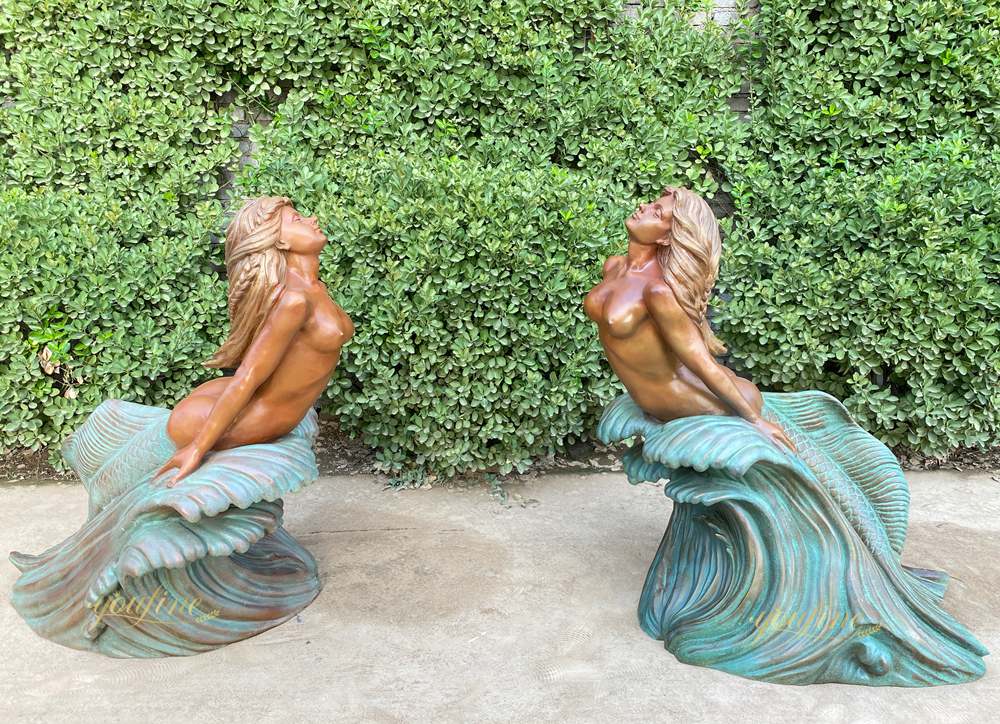
Is It True That Real Bronze Turns Green?
You might see a small green spot on your bronze horse or figure sculpture after a few months outdoors. You may think this is a defect, but I can tell you it is not.
It is a fact that real bronze will turn green eventually because of the copper inside the alloy. This change shows that the material is genuine bronze and not just painted plastic or cheap iron.
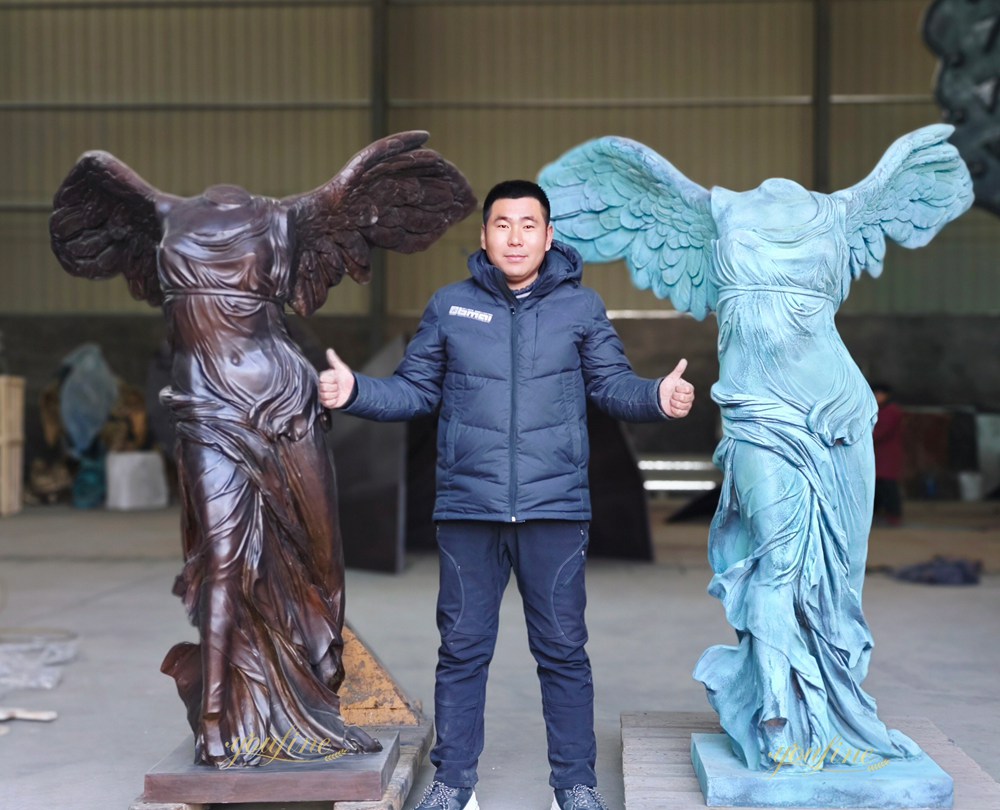
I have worked at YouFine Bronzes Gallery for many years. We are in Quyang, the hometown of sculpture. I have seen thousands of bronze pieces. Some clients call me. They sound panic. They say, “My statue is changing color!” I always tell them to stay calm. This is normal. Bronze is an alloy. It is made mostly of copper. Usually, we use more than 80% copper in our sculptures. Copper is a very active metal.
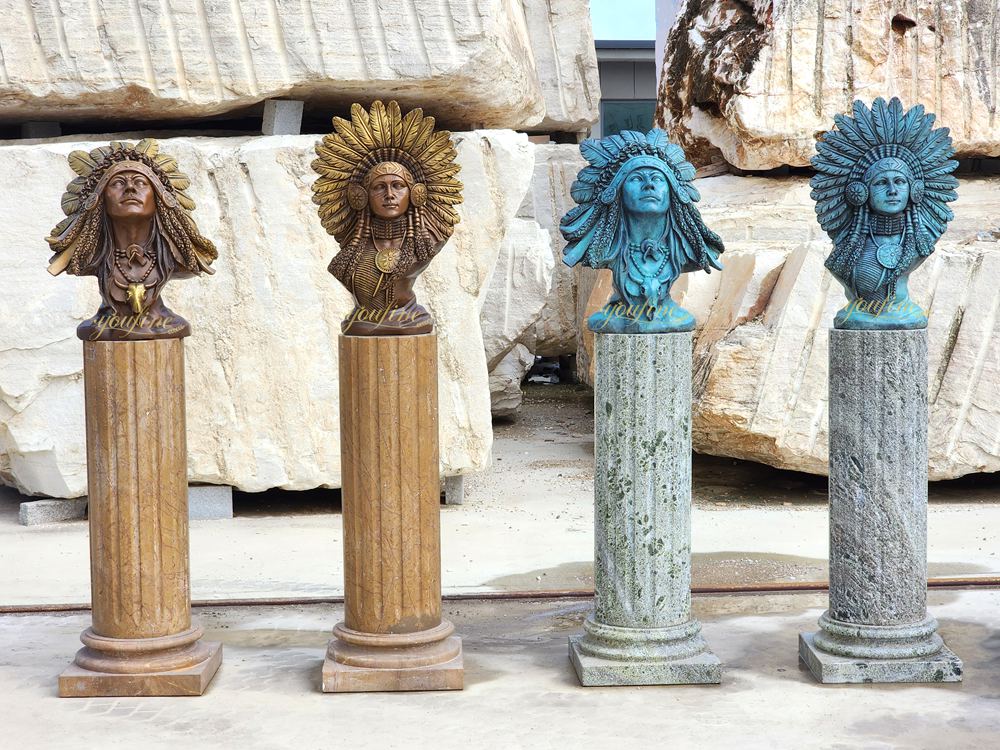
When copper sits outside, it reacts with the world around it. It is like an apple turning brown after you cut it. But for bronze, it turns green. This happens to all bronze, whether it is a small statue in a home or a giant monument in a city. If you buy a “bronze” statue and it never changes color or rusts red, that is actually bad. Red rust means it is iron. Iron rots away. Bronze turns green, but it stays strong. At YouFine, we use the traditional lost-wax casting method. This ensures the bronze is high quality. High-quality bronze will always react this way. It is the nature of the material.
Why Does Bronze Turn Green? The Science Explained
You want to know exactly what causes this change to happen to your sculpture. It is not magic, and it is not a stain from dirt or grass.
The green color comes from a chemical reaction between the copper in the bronze and the oxygen and moisture in the air. This process creates a layer called copper carbonate, which we often call patina.
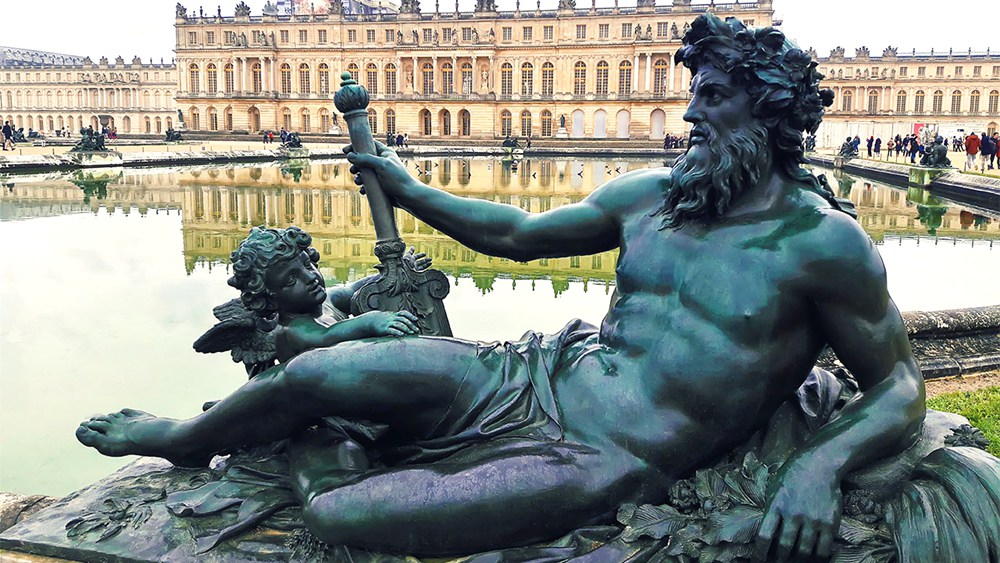
Let us break this down so it is easy to understand. The air has oxygen. The air also has water or humidity. When you put a bronze statue outside, the copper meets the air and water. They start a slow dance. The copper gives up some electrons. This is oxidation. At first, the bronze might turn a dark brown or black. This is the first step. Later, the chemicals in the rain join in.
If you live near the sea, the air has salt. Salt makes this happen very fast. If you live in a city with heavy traffic, the air might have sulfur. This also speeds it up. This is why outdoor sculptures change faster than indoor ones. Indoor air is dry and clean. Outdoor air has rain, sun, and pollutants.
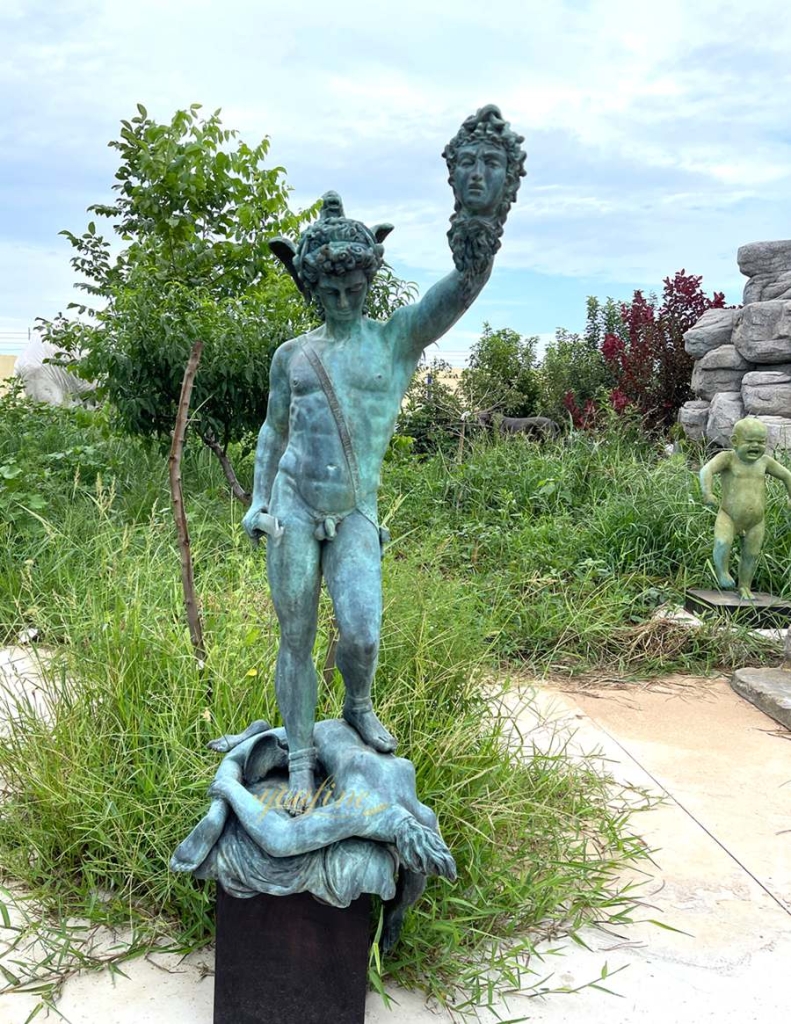
Here is a simple table to show what affects the speed:
| Factor | Effect on Bronze |
| Humidity | High humidity makes it turn green faster. |
| Salt (Sea Air) | Salt is very aggressive and causes rapid greening. |
| Pollution | Chemicals in city air speed up the reaction. |
| Indoor Location | Changes are very slow, almost unnoticeable. |
| Outdoor Location | Changes happen within a few months to a year. |
At YouFine, we know how different climates affect our work. We ship to America, Europe, and the Middle East. A statue in a rainy garden in London will turn green much faster than a statue in a dry desert in Dubai.
What Are the Benefits of the Green Patina?
You might think that green is a bad color for a statue. However, many collectors and artists actually want this color and try to create it on purpose.
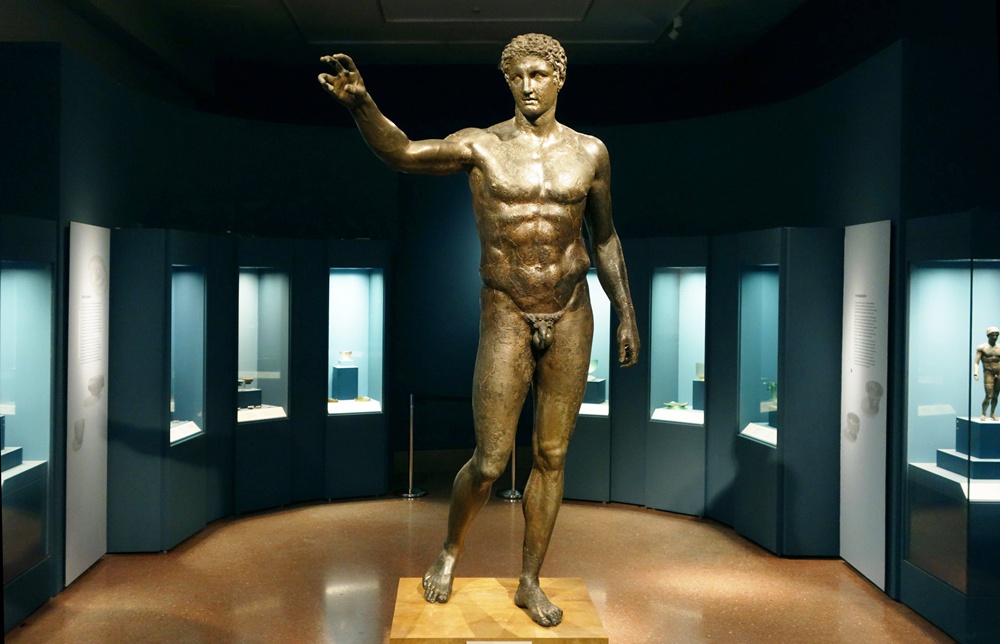
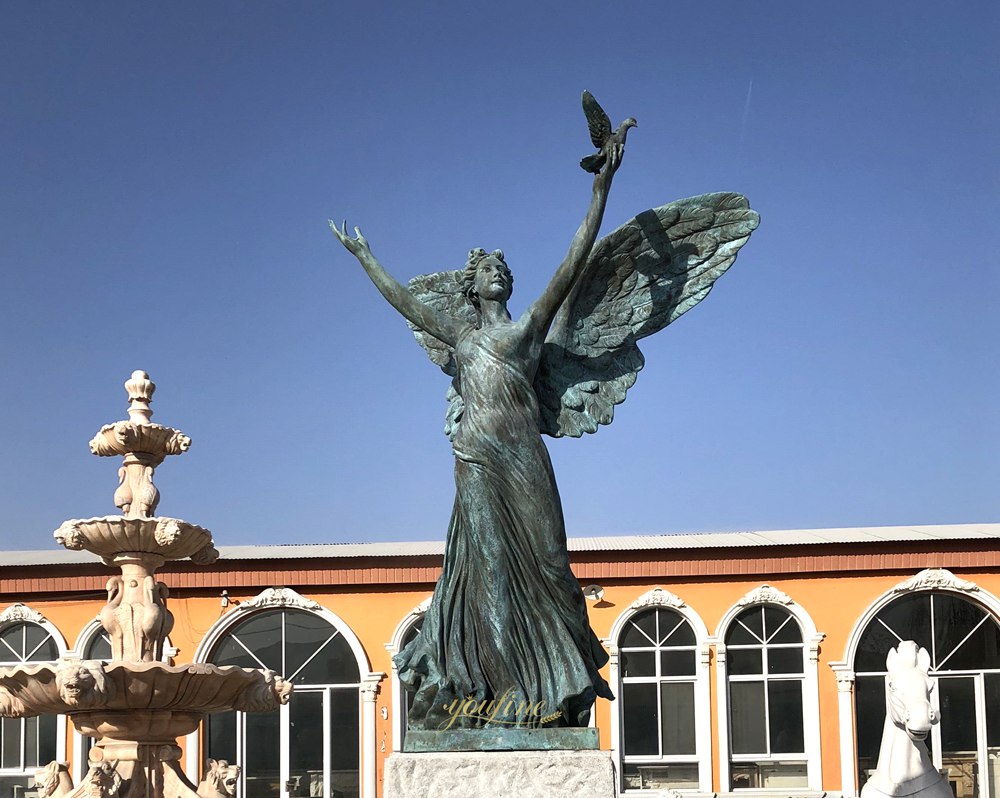
The green layer, or patina, gives the sculpture an antique look that adds value and history. More importantly, this layer acts as a shield that seals the metal and stops it from corroding any further.
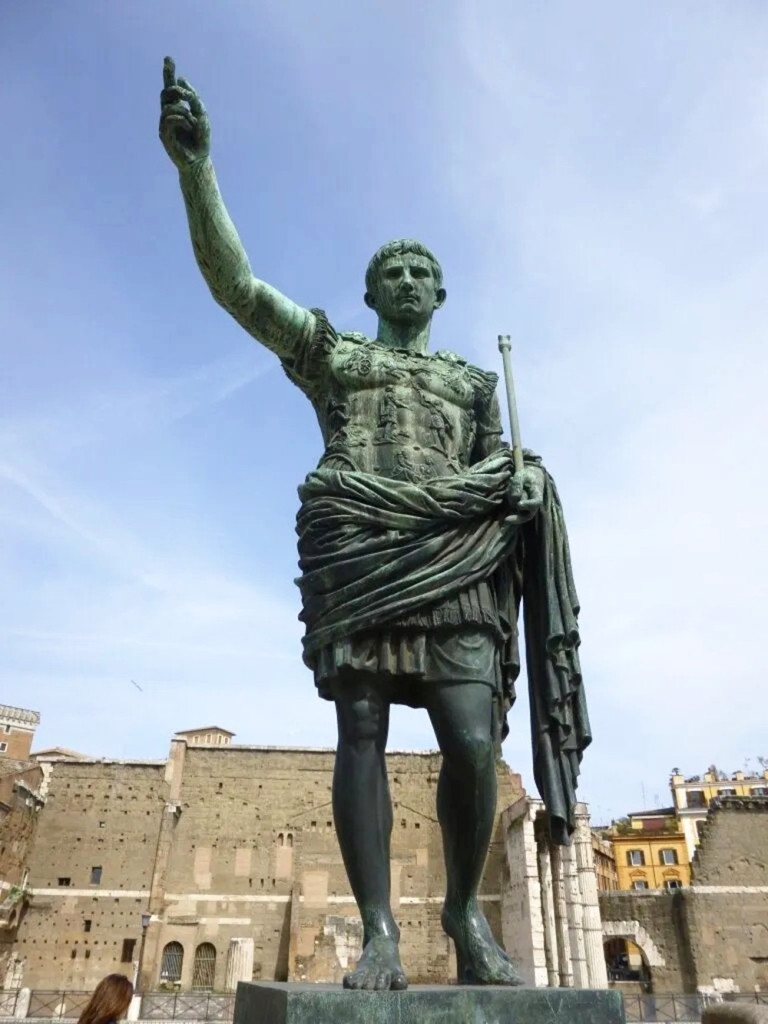
I often talk to art consultants and museum curators. They love the green color. We call it “Verdigris.” In the art world, this color means the object has a history. It looks like it has survived for hundreds of years. It gives the artwork a soul. A shiny, new gold-colored bronze looks modern. A green bronze looks timeless.
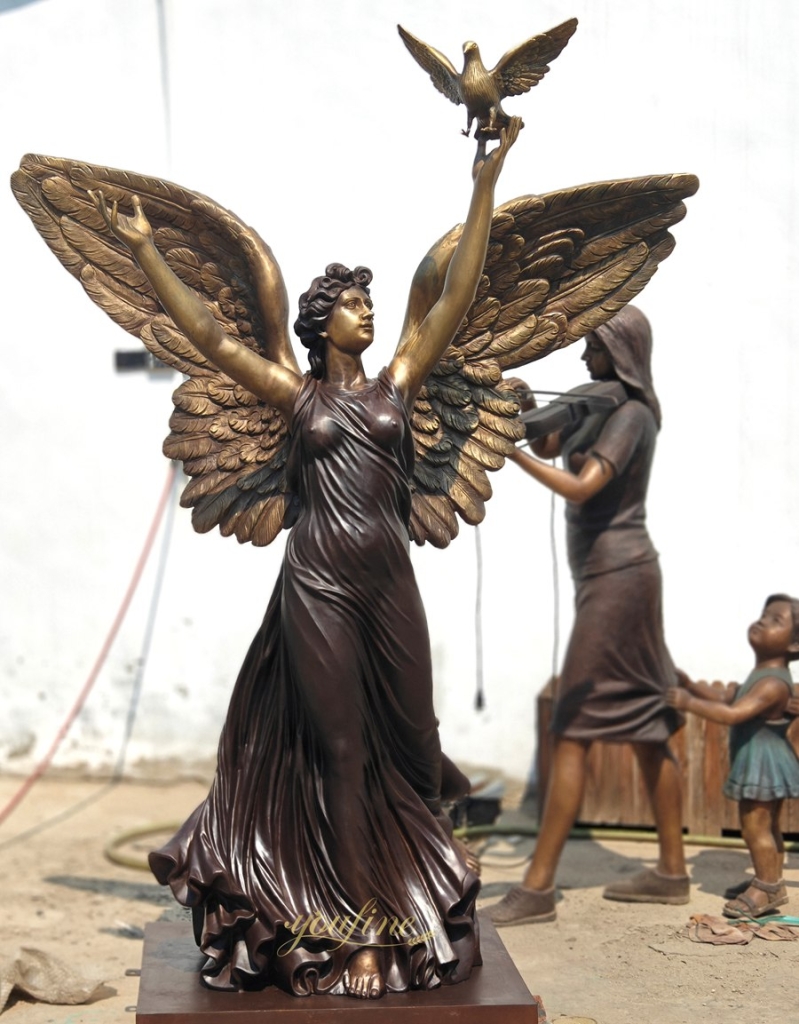
But there is a practical advantage too. Think of it like a scab on a cut. When you get a cut, a scab forms to protect the skin underneath. The green patina is the scab for the bronze. Once the surface turns green, the air cannot touch the deep copper anymore. The reaction stops. The metal inside stays safe. This is why bronze lasts so long. We have found bronze tools from thousands of years ago buried in the earth. They are green on the outside, but perfect on the inside.
At YouFine, we sometimes use chemicals to make the statue green before we ship it. We do this because the customer wants that “old” look immediately. They do not want to wait 20 years for nature to do it. This shows that the green color is often seen as a feature, not a bug. It is a sign of endurance and class.
Famous Green Bronze Sculptures Around the World
You might worry that a green statue looks neglected or ugly. But some of the most famous and photographed landmarks in the world are completely covered in this green layer.
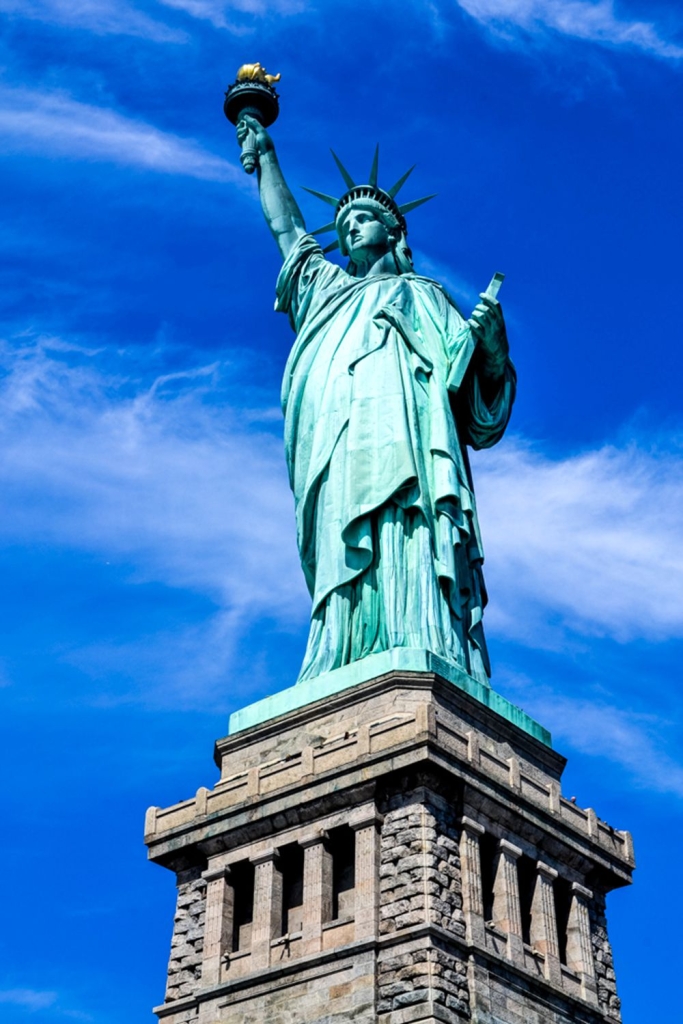
The most famous example is the Statue of Liberty in New York, which was originally copper-colored but turned green over time. Another example is the ancient Houmuwu Ding from China, which is thousands of years old.
Let us talk about the Statue of Liberty. Everyone knows her. She stands in the harbor in New York. When France gave her to America in 1886, she was not green. she was the color of a shiny new penny. She is made of copper sheets. Over about 30 years, the air and rain in New York turned her brown, and then finally the bright green we see today. The government thought about painting her to make her look new again. The people said no. They loved the green. It made her look majestic.
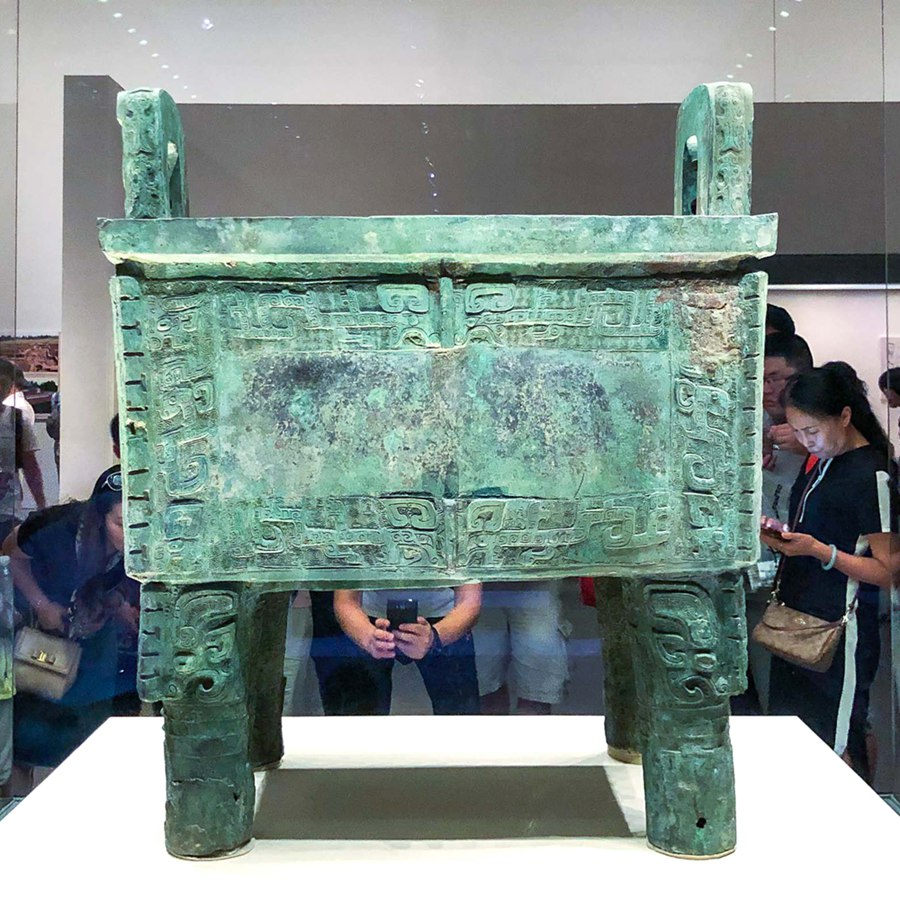
In my country, China, we have the Houmuwu Ding. It is a huge bronze vessel. It is over 3,000 years old. When archaeologists found it, it was covered in a beautiful green and blue patina. This layer protected it while it was buried underground for centuries. These examples prove that turning green does not mean the statue is broken. It means the statue is a survivor.
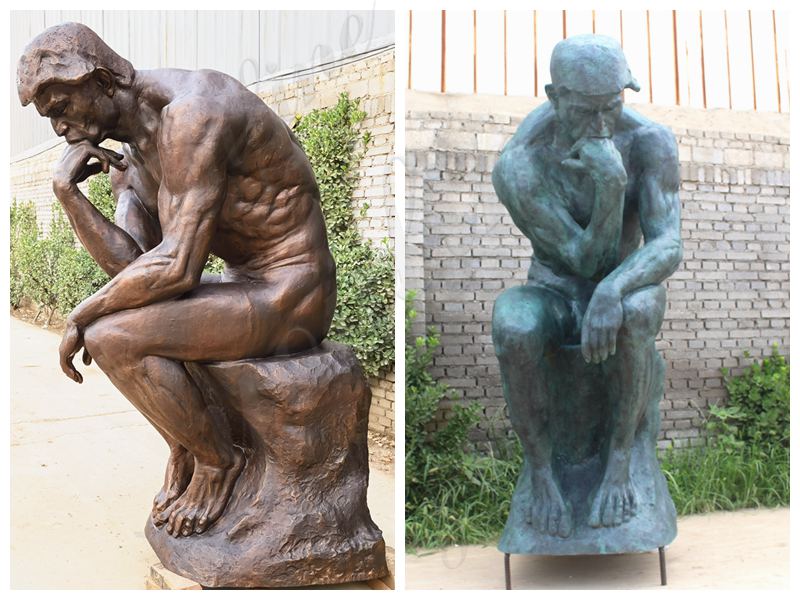
At YouFine, we make replicas of famous sculptures. When we make a replica of a Rodin thinker or a classic Greek figure, we often apply a green patina by hand. We do this to match the famous originals in museums. We want our clients to feel that same sense of history in their own gardens. Whether it is a giant monument or a small museum piece, the green color is a badge of honor for bronze.
How to Prevent Bronze from Turning Green?
Maybe you do not care about history or the Statue of Liberty. You just want your bronze lion or fountain to look shiny and golden like the day you bought it.
If you want to keep the original color, you must clean and wax the sculpture regularly. Waxing creates a clear barrier that stops the air and water from touching the copper, preventing the green color from forming.
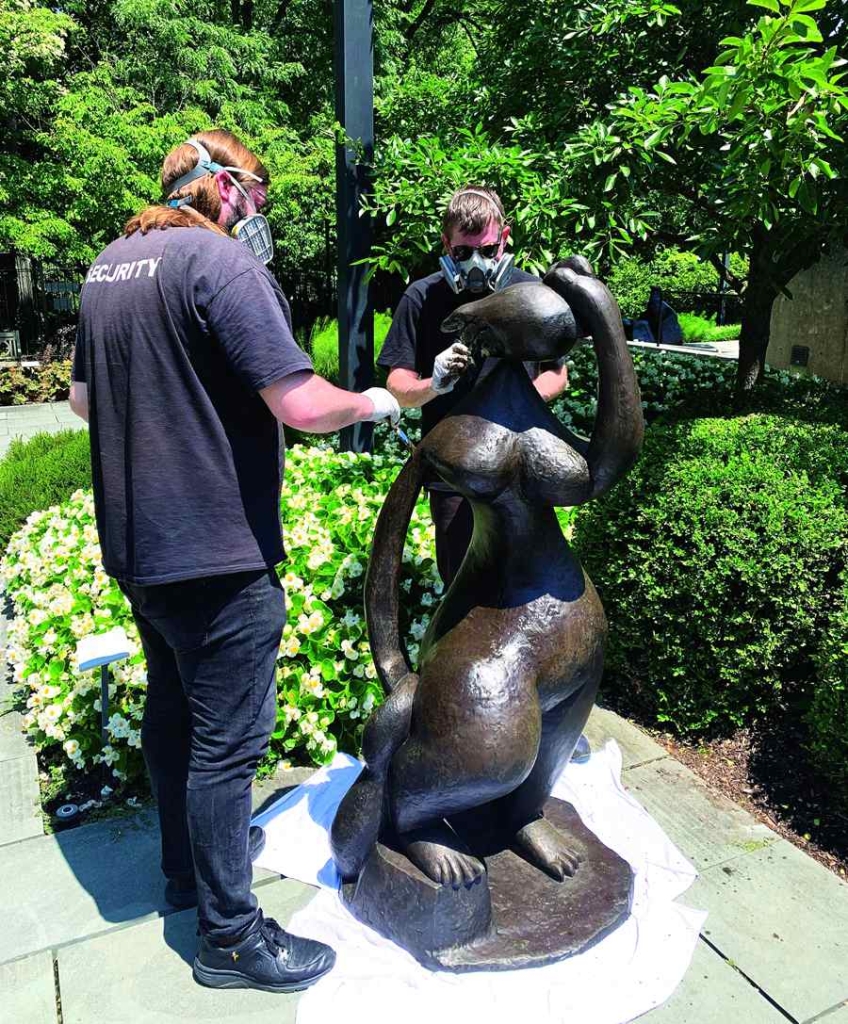
I understand that the green look is not for everyone. If you have a modern villa, you might want a smooth, black, or gold finish. You can keep it that way. But you have to work for it. Maintenance is the key. You cannot just leave it alone.
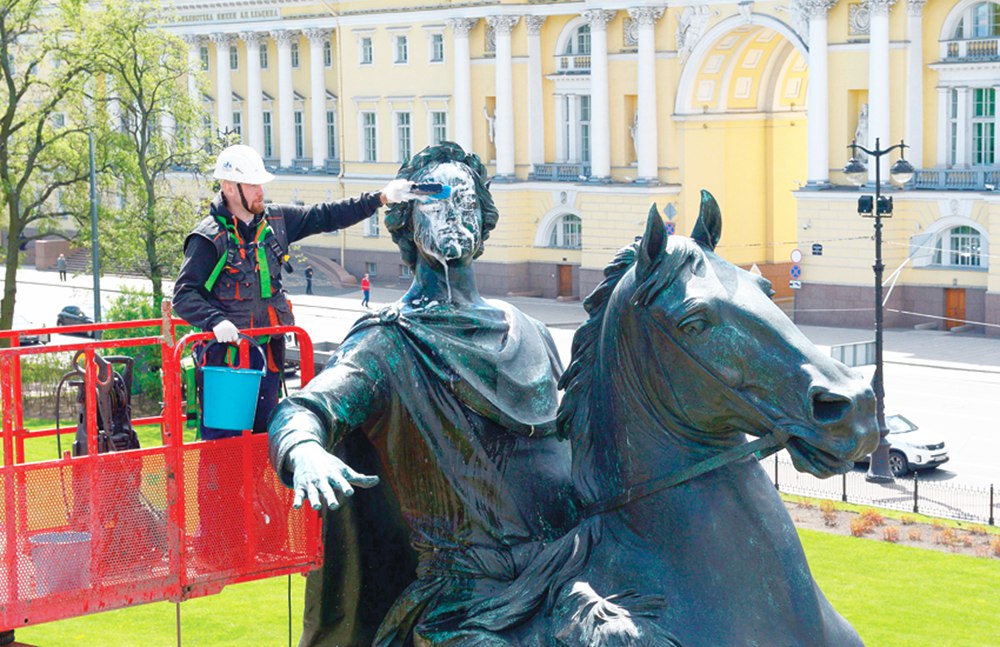
Here is the process we recommend to our clients at YouFine:
1. Wash it: Use gentle soap and water. Do not use harsh chemicals. Wash away the dust and bird droppings.
2. Dry it: Make sure it is completely dry. This is very important.
3. Apply Wax: Use a clear paste wax. You can use standard car wax or special micro-crystalline wax. Rub it on with a soft cloth.
4. Buff it: Let the wax dry a little, then rub it until it shines.
You need to do this once a year if you live in a normal place. If you live near the ocean, you should do it every six months. The wax acts like a raincoat. It keeps the water off the metal.
At YouFine, we seal every sculpture with wax before we ship it. This protects it during shipping. But the sun will melt the wax over time. The rain will wash it away. So, you must replace that layer. If you see a little green spot starting, do not panic. Use a little steel wool to rub it off gently, then put wax over it immediately. It is easy to fix if you catch it early.
Does Turning Green Shorten the Lifespan of Bronze?
You might worry that the green stuff is eating away at your sculpture like rust eats a hole in an old car. This is a very common fear.
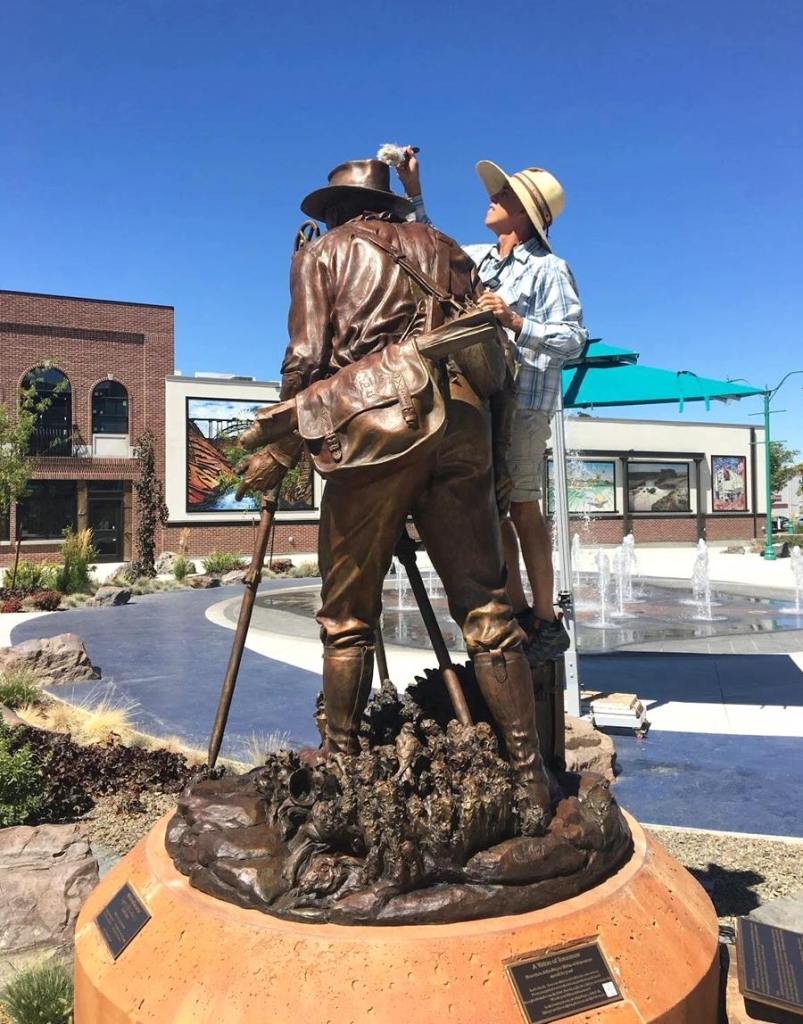
No, turning green will not shorten the lifespan of your bronze sculpture; in fact, it often extends it. Unlike iron rust, which flakes off and destroys metal, bronze patina binds to the surface and strengthens it.
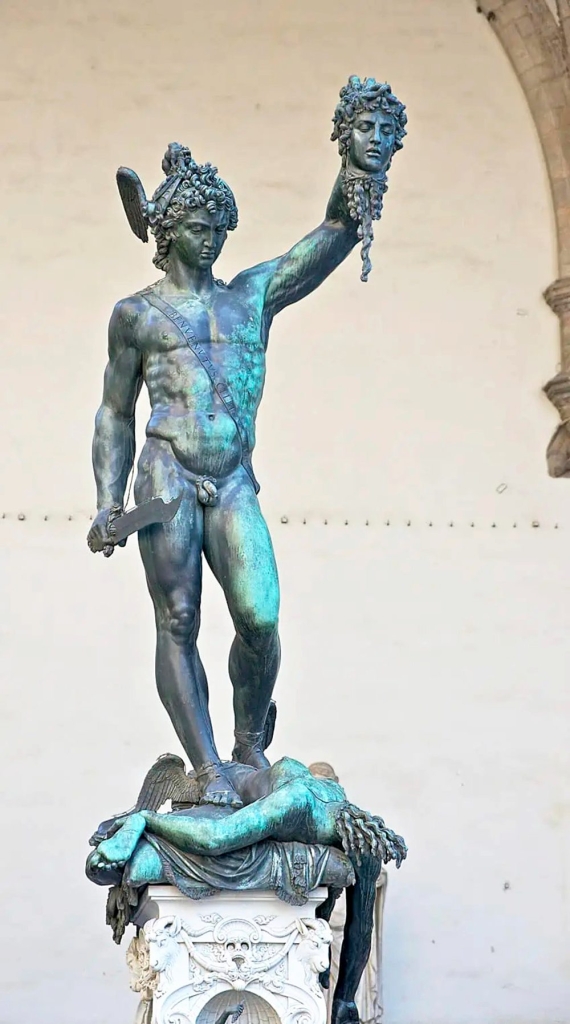
We need to understand the difference between iron rust and bronze patina. Iron rust is porous. It gets puffy and falls off. Then the fresh iron underneath gets attacked. This continues until the iron is gone. Bronze is different. The green patina is hard. It sticks very tightly to the metal. It does not flake off.
Think of it like paint. We paint wood to protect it from rotting. The green patina is nature’s paint. Once a bronze sculpture turns fully green, it can stay that way for hundreds or even thousands of years without changing shape. It will not get holes in it. It will not crumble.
I have seen old bronze statues in parks that are over 100 years old. They are green, but the details are still sharp. You can still see the artist’s signature. You can still see the hair on the lion’s mane. If that statue were made of iron or steel, it would be a pile of dust by now.
At YouFine, we choose bronze for our clients because we know they want something that lasts forever. We make sculptures for estates and castles. These clients want something their great-grandchildren can see. The green color ensures that the sculpture will be there for the future generations. It is a sign of durability, not weakness.
Frequently Asked Questions About Green Bronze
You probably still have a few specific questions about your specific situation. I have collected the most common questions clients ask me.
Here are quick answers to common concerns, such as how fast the color changes, if you can reverse the process, and if the green color affects the monetary value of your art.
Q: Can I remove the green if it is already there?
A: Yes, you can. But it is hard work. You have to strip the wax and use abrasives or chemicals to remove the patina. Then you must polish it and re-wax it. For big statues, you might need a professional. At YouFine, we can give you advice on how to do this, but it takes effort.
Q: Does the green color lower the value of the sculpture?
A: Usually, no. For antique sculptures, removing the green patina can actually destroy the value. Collectors want the original surface. For new sculptures, it depends on your taste, but it does not mean the material is damaged.
Q: My sculpture is turning black, not green. Is that okay?
A: Yes. Black or dark brown is usually the first stage of oxidation. It takes a long time to get to bright green. Some sculptures stay black for decades depending on the local air.
Q: Is the green stuff toxic?
A: It is not good to eat, but touching it is fine. Just wash your hands after handling the sculpture. It will not hurt your garden plants or pets just by being there.
Q: Can YouFine make a sculpture that never turns green?
A: We can paint bronze or use special clear coats that last longer than wax. However, no metal is truly permanent outdoors without maintenance. If you want zero maintenance, you might need painted stainless steel, but it does not have the noble look of bronze.
Conclusion
Bronze statues turn green because of a natural reaction with the air, but this layer protects the art and makes it last for centuries. You can choose to enjoy this historic look, or you can keep the original shine by waxing it regularly. At YouFine Bronzes Gallery, we help you understand and care for your sculptures so they bring you joy for a lifetime.
Panda, a 20-year veteran of bronze casting, is one of the co-founders and lead artisan of YouFine Art Bronze Foundry. Deeply rooted in the foundry, she has mastered every detail of the craft. Her expertise guarantees that each sculpture embodies the highest standards of quality and artistic integrity.