
Greek male statues represent the foundation of Western art. From the rigid figures of the Archaic period to the dynamic poses of the Classical era, these sculptures capture the Greek pursuit of ideal beauty, strength, and proportion. This guide explores the most famous Greek male statues—works that defined artistic standards for over two millennia and continue to inspire collectors worldwide.
Top 1 The Doryphoros (Spear-Bearer) – The Canon of Ideal Proportion
| Artist | Date | Original | Copy |
|---|---|---|---|
| Polykleitos of Argos | c. 440 BCE | Bronze (lost) | Marble, National Archaeological Museum, Naples |
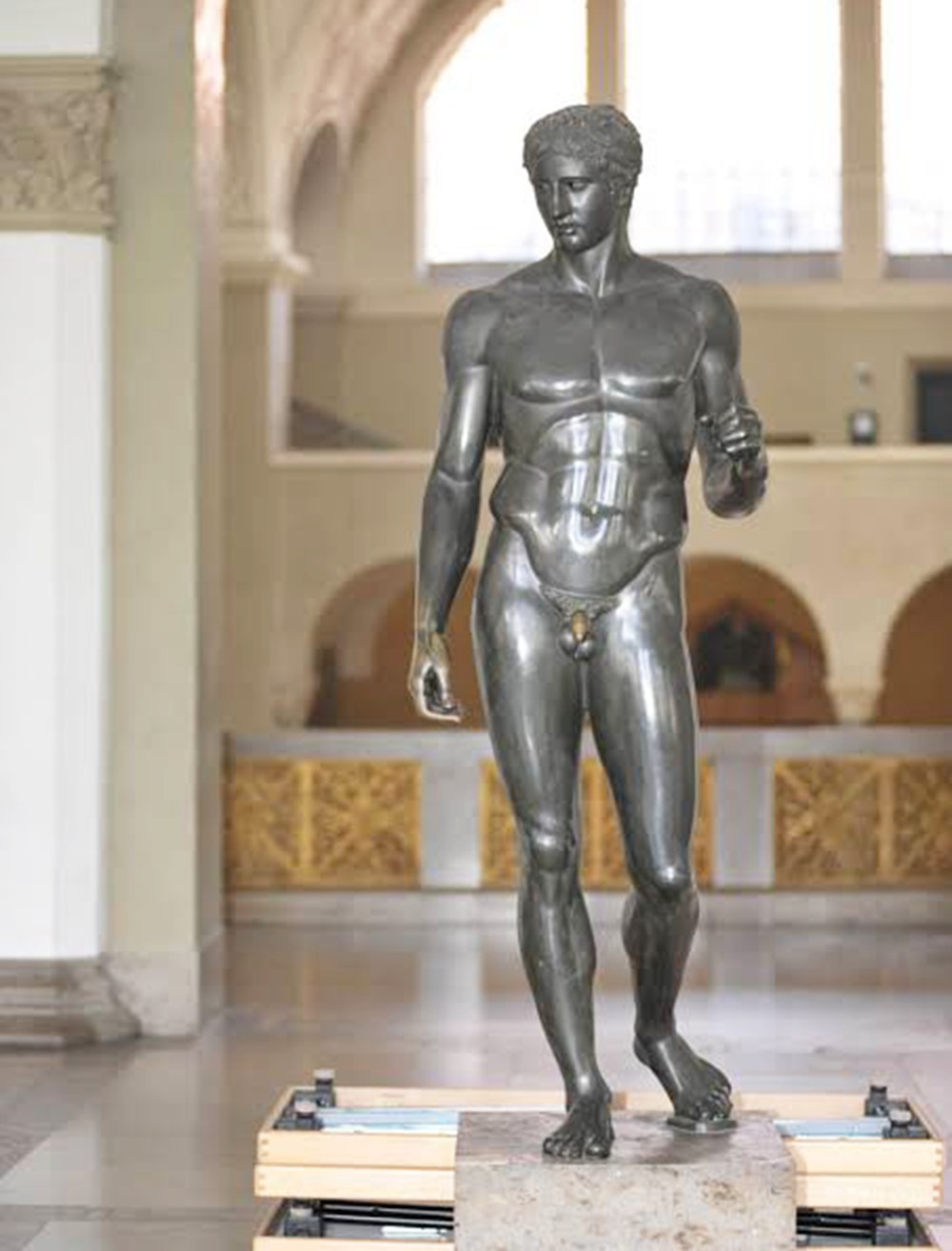
The Doryphoros, or “Spear-Bearer,” is perhaps the most influential statue in the history of Western art. Created by Polykleitos, it was designed as a visual demonstration of his “Canon” —a mathematical system for the ideal human body. According to ancient writers, Polykleitos wrote a treatise on proportion and then crafted the statue to prove his theories correct. The ancient Greek physician Galen wrote that beauty consists in “the commensurate, balanced relationship among the parts of the whole,” and cited Polykleitos’s Canon as the prime example.
What makes it significant:
-
Contrapposto: The statue stands with weight on one leg, creating a natural S-curve through the body—a revolutionary innovation that made static figures feel alive
-
Perfect Proportion: Polykleitos established a system where every part related to every other part and to the whole—a concept the Greeks called symmetria
-
Idealized Beauty: The figure represents not a specific person but an idealized young warrior—strong, youthful, and perfectly formed
The Doryphoros was so famous in antiquity that it was simply known as “The Canon”—a standard for sculptors to learn from. Roman writer Pliny the Elder credited Polykleitos with perfecting the art of sculpture through harmonious, mathematical proportion. Numerous Roman marble copies survive, proving its immense popularity.
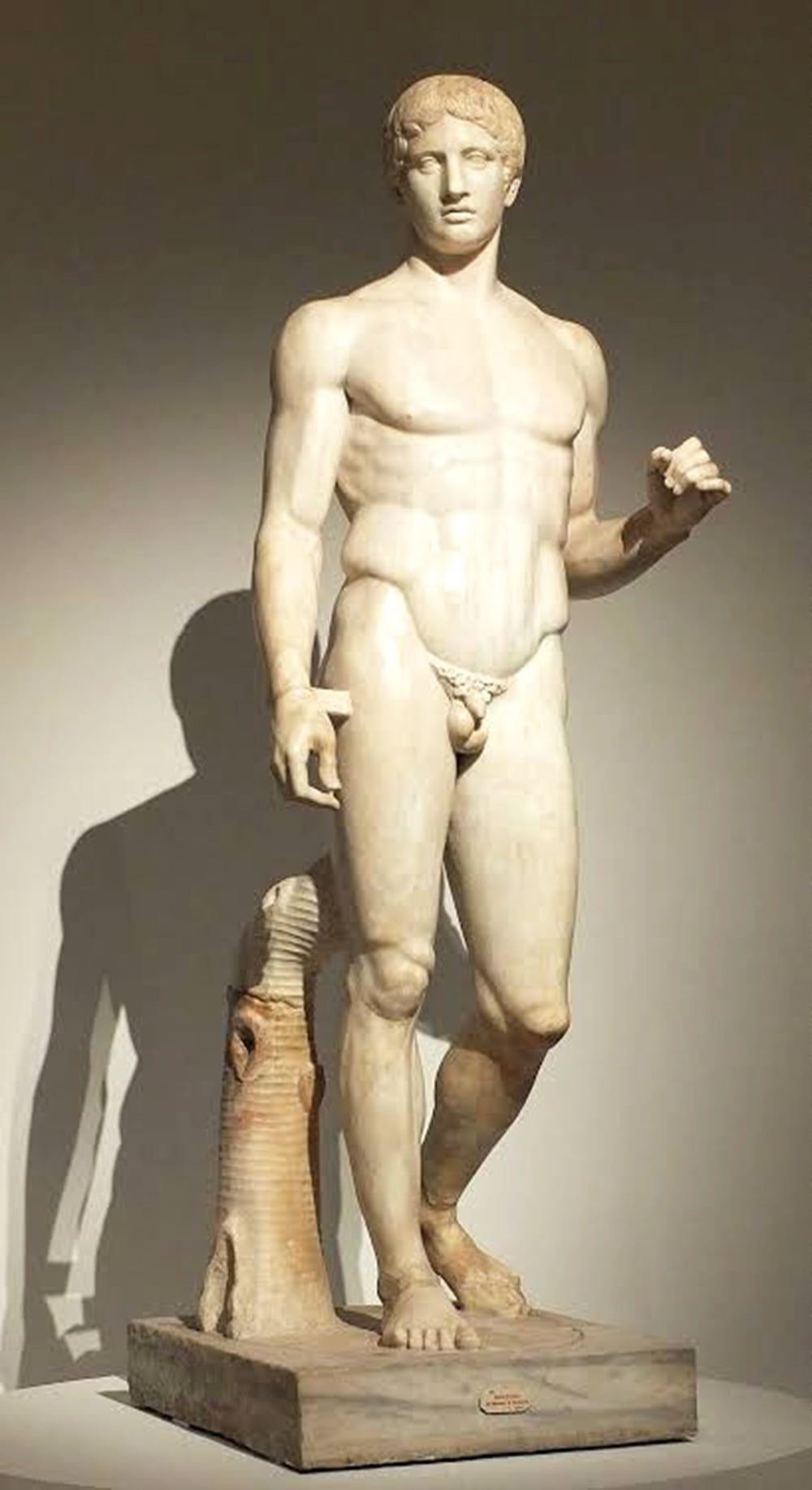
From YouFine’s Bronze Foundry: The classical contrapposto is the soul of this sculpture. When we replicate it, the most critical detail is the precision of the weight shift and the subtle tension in the muscles. If the axis of the shoulders and hips shifts even slightly, the entire sense of relaxed strength is lost. We pay particular attention to the bulging pectorals and the iliac crests—features that ancient writers noted as hallmarks of Polykleitos’s anatomical precision.
Top 2 The Apollo Belvedere – The Ideal of Male Beauty
| Artist | Date | Original | Copy |
|---|---|---|---|
| Attributed to: Leochares | c. 350–320 BCE | Bronze (lost) | Marble, Vatican Museums |
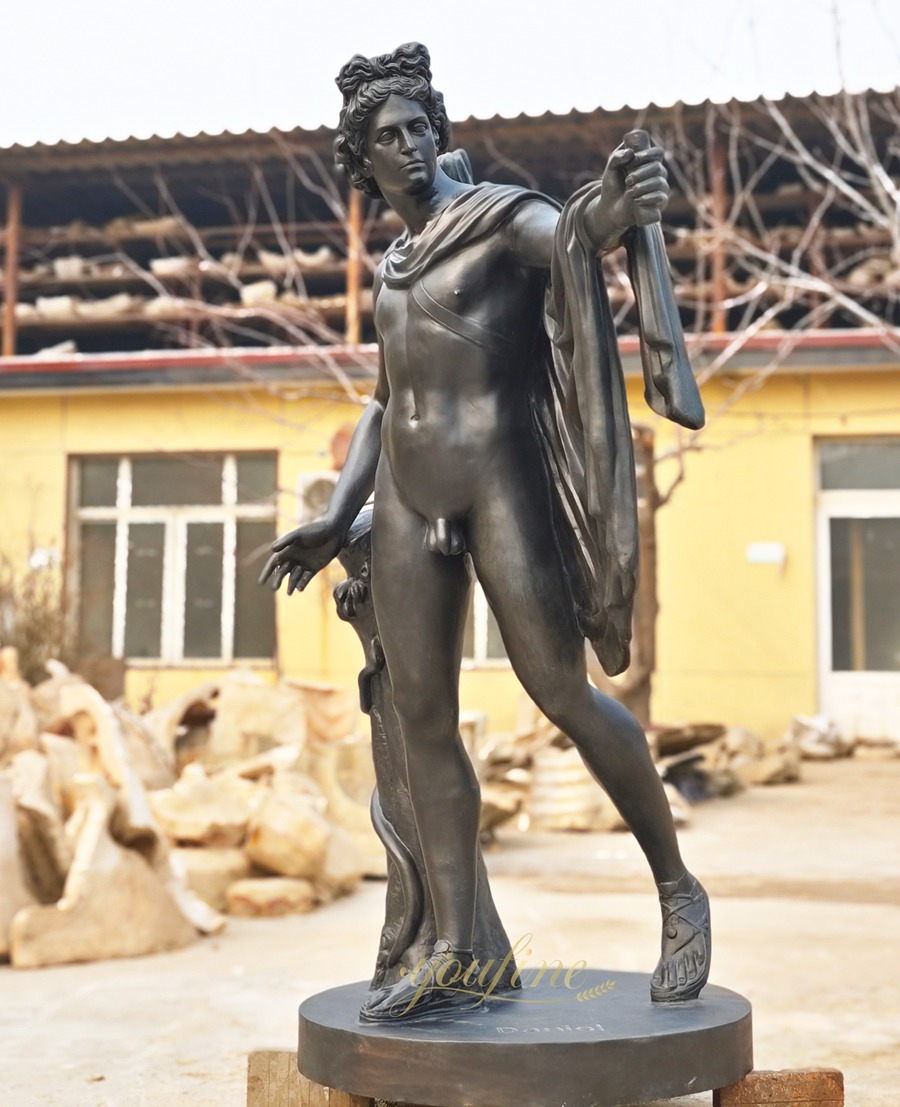
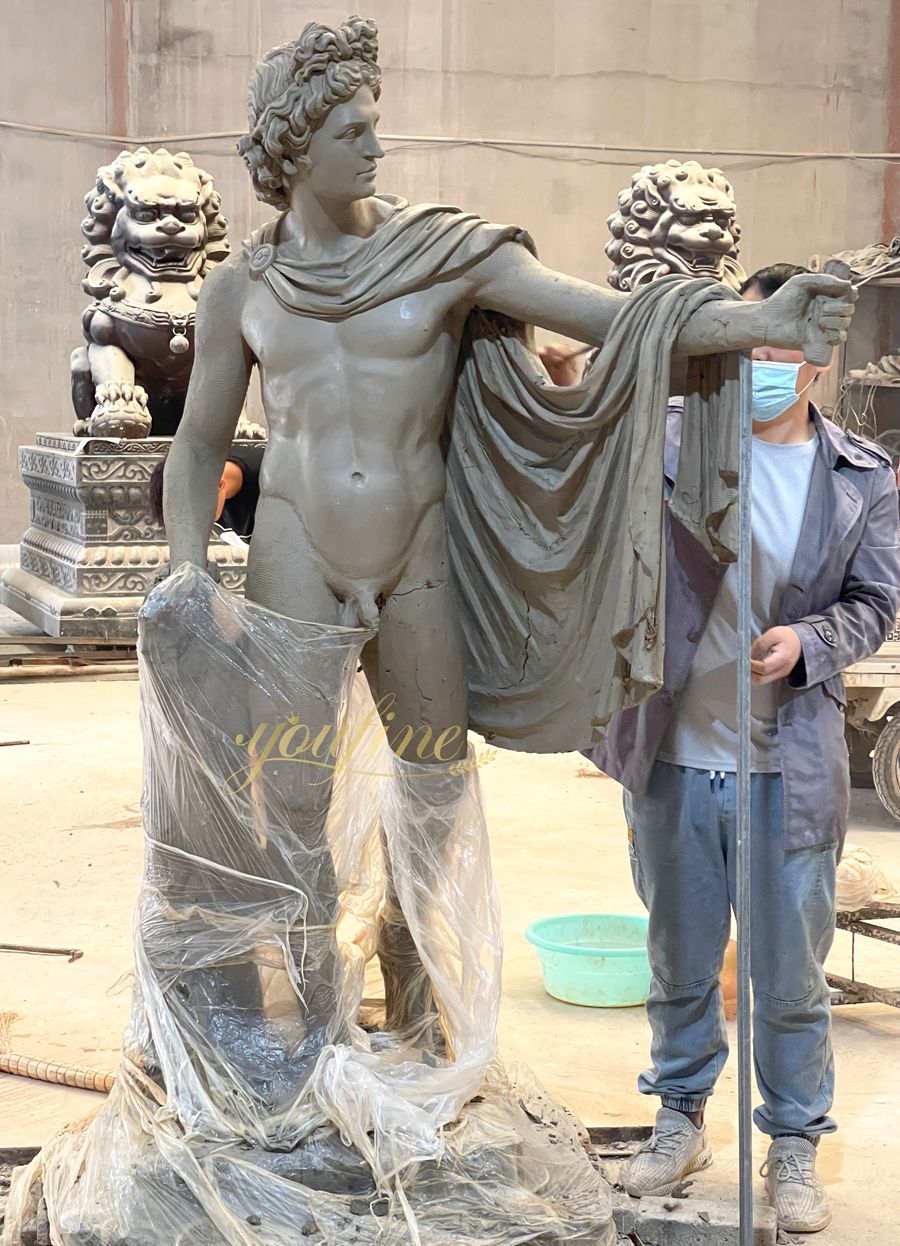
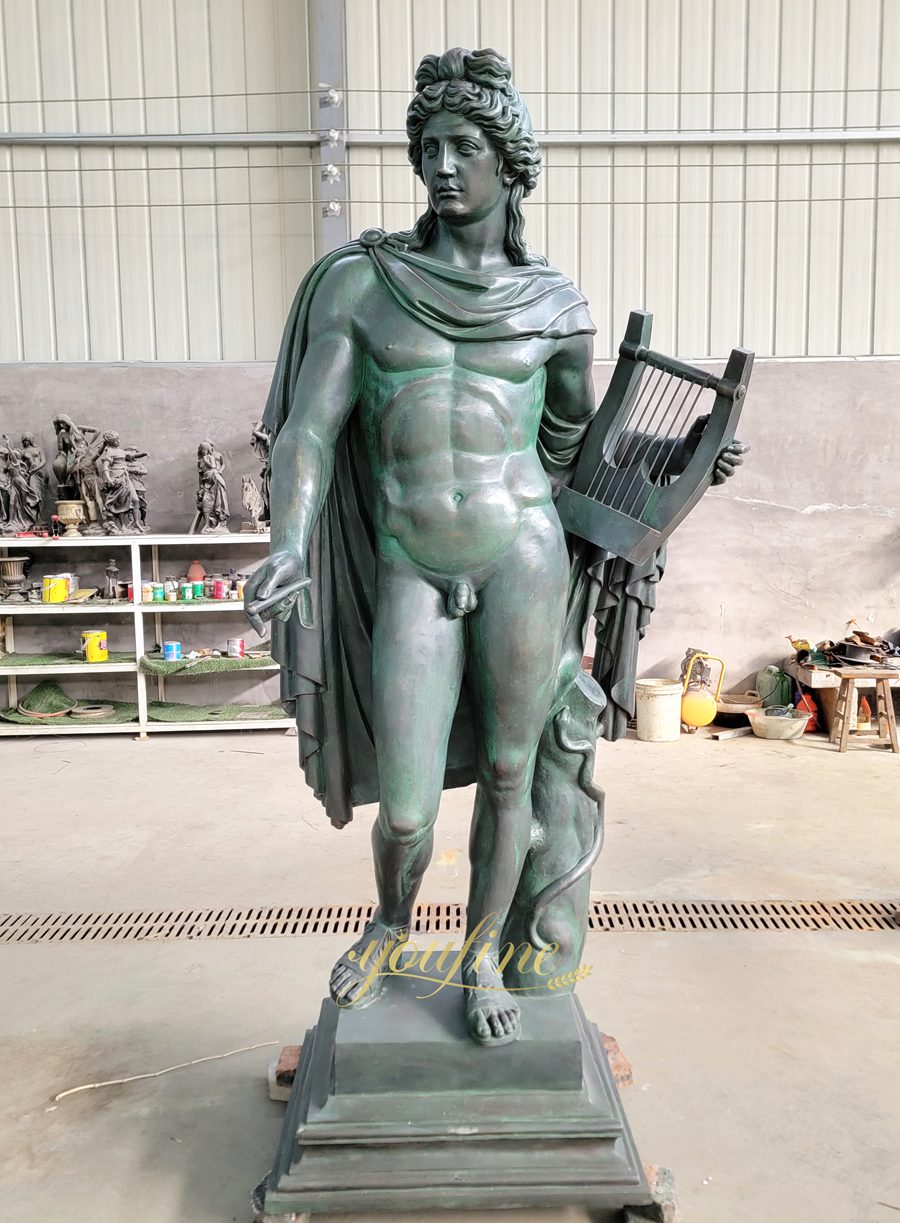
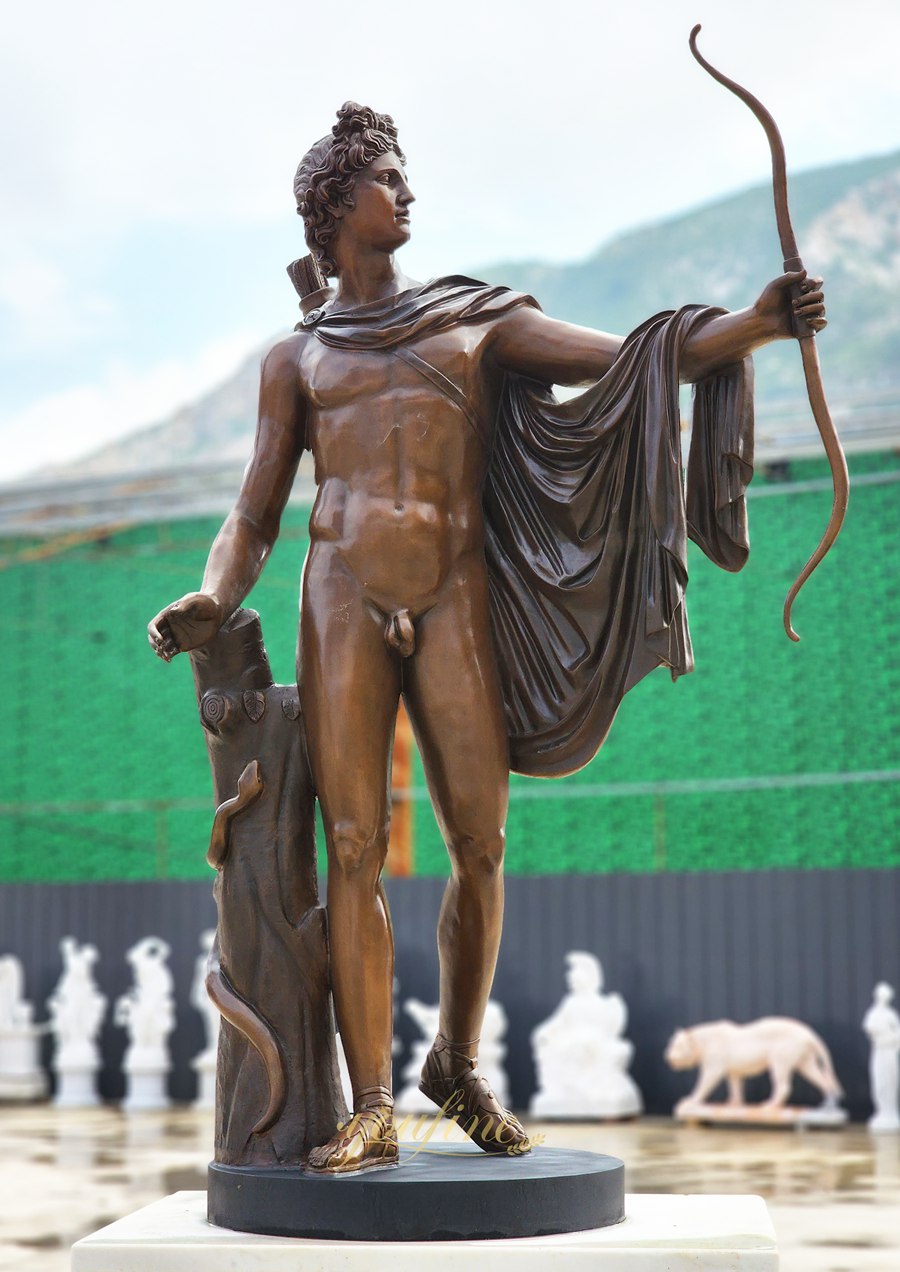
The Apollo Belvedere was considered the absolute standard of male beauty for centuries. Discovered near Rome in the late 15th century, it was immediately appreciated as a masterpiece and placed in the Vatican’s Cortile del Belvedere in 1509.
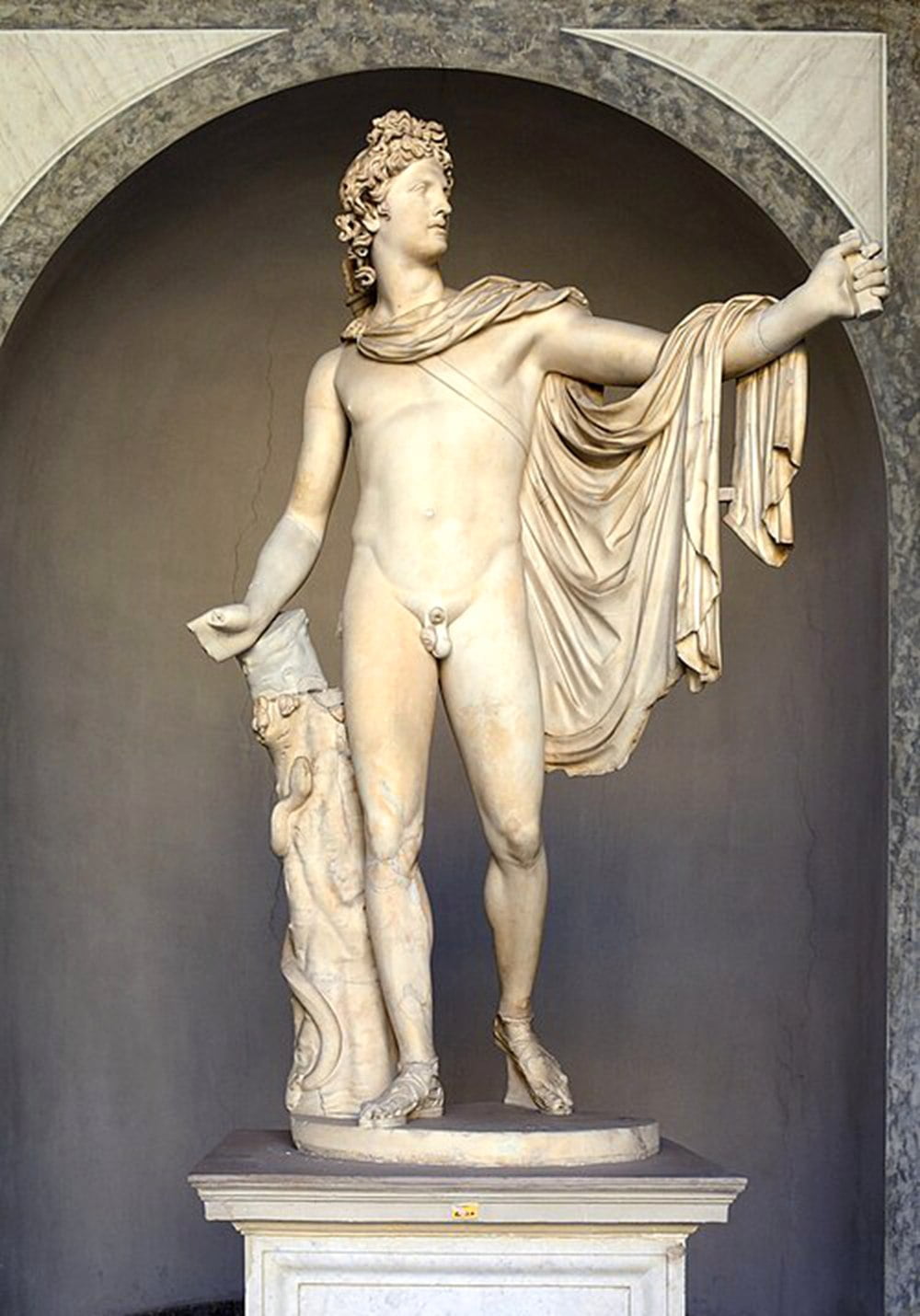
What makes it significant:
-
Harmonious Proportions: Apollo’s figure is perfectly balanced, combining athletic power with youthful elegance
-
Divine Confidence: The god appears in motion yet remains calm and composed—a hallmark of classical Greek sculpture
-
Renaissance Influence: Michelangelo was deeply influenced by this statue, which has been described as “the epitome of classical art and sculpture”
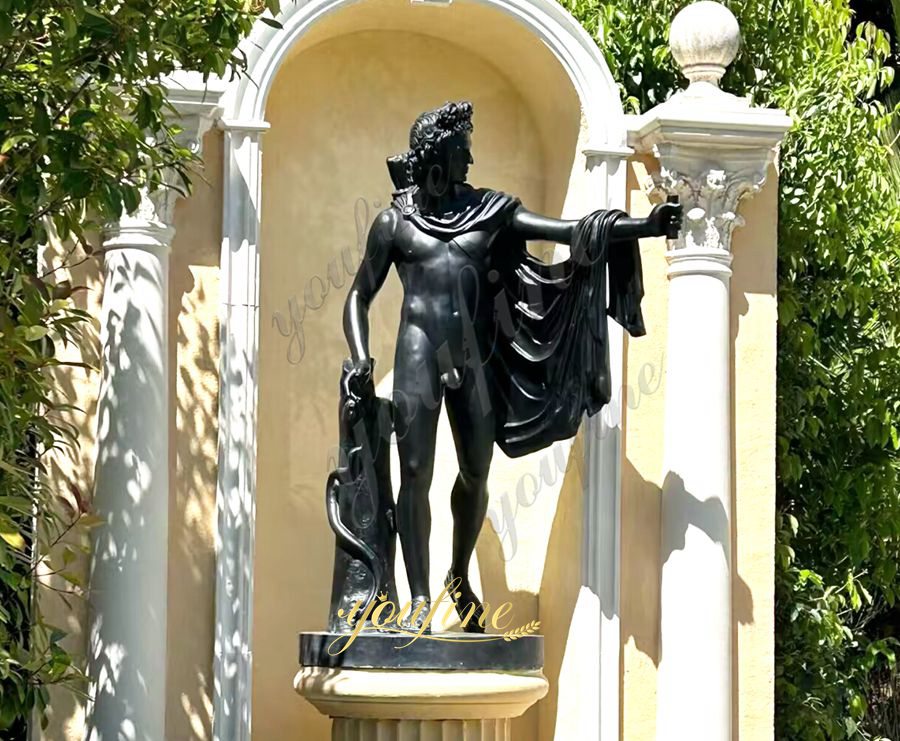
From YouFine’s Bronze Foundry: Apollo’s beauty lies in the balance between motion and stillness. The figure appears to be about to step forward, yet remains frozen in eternal calm. The most challenging part to replicate is the face—it must convey divine composure without appearing empty.
Top 3 The Discobolus (Discus Thrower) – Capturing Dynamic Motion
| Artist | Date | Original | Copy |
|---|---|---|---|
| Myron | c. 460–450 BCE | Bronze (lost) | Marble, British Museum / National Museum of Rome |
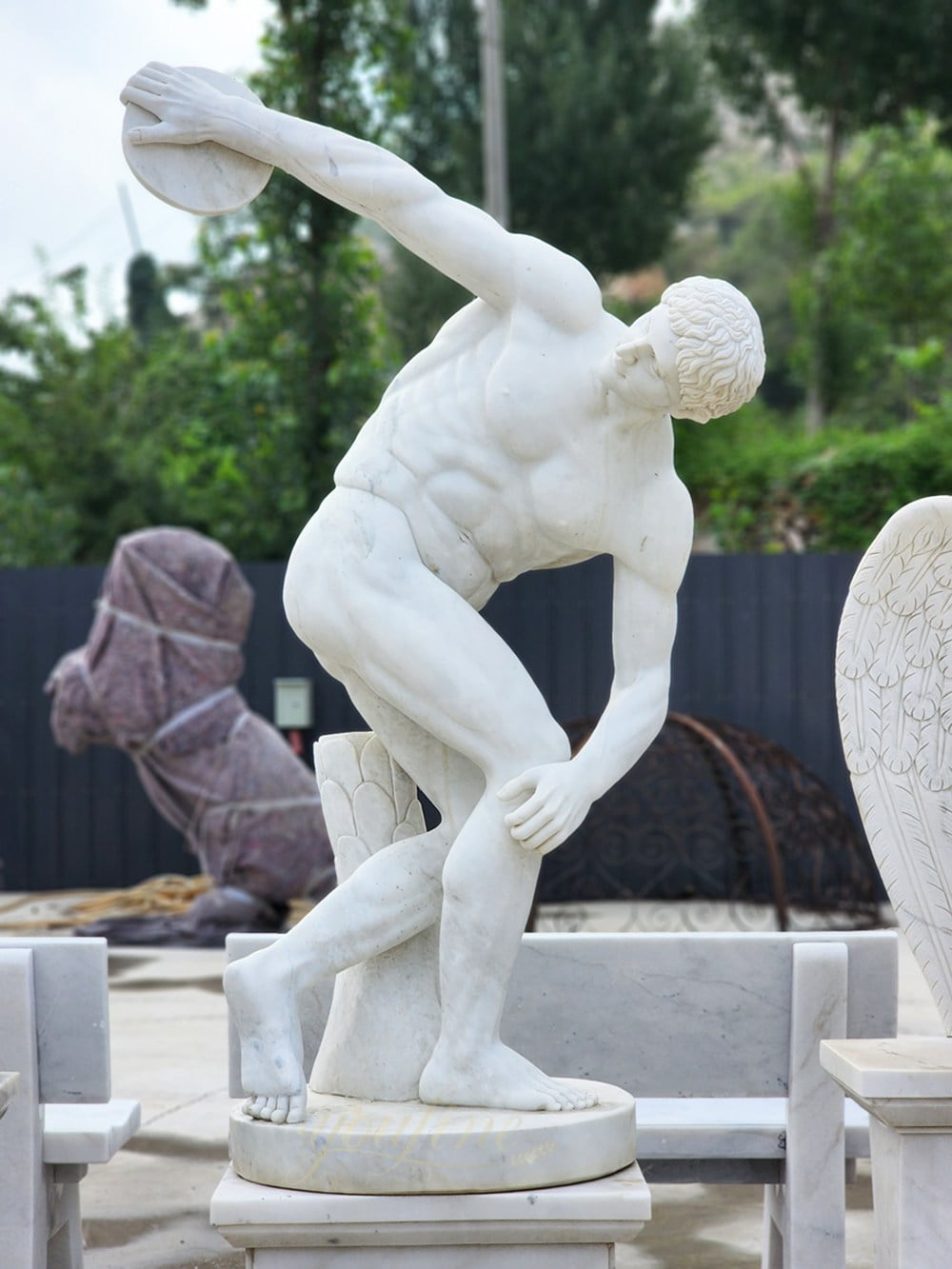
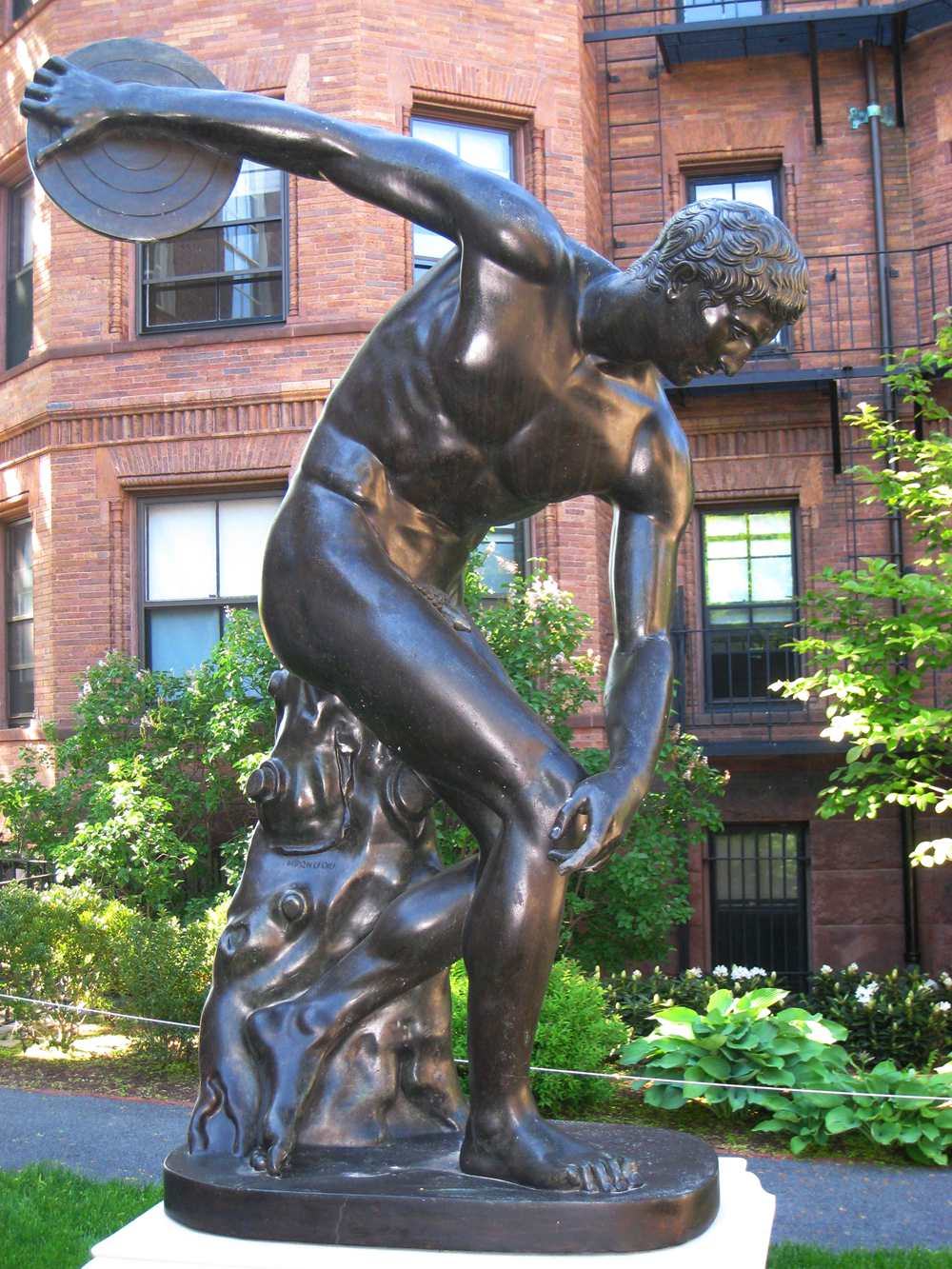
The Discobolus, or “Discus Thrower,” captures an athlete at the precise moment of releasing the discus. Myron’s genius lay in freezing a dynamic, momentary action in bronze. It is considered a model of “inducing but not sending out”—capturing the instant just before release.
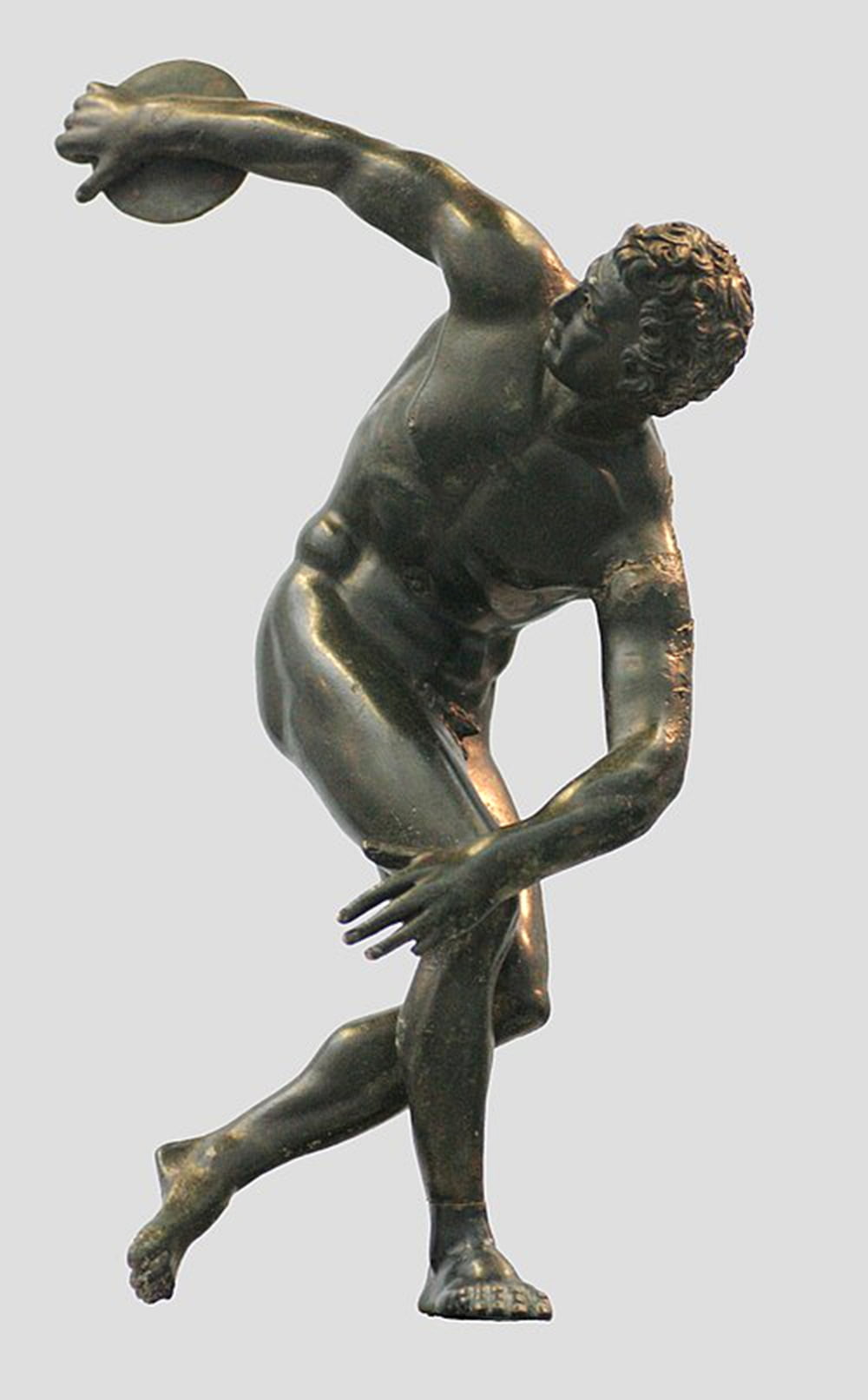
What makes it significant:
-
Rhythmos and Balance: The tightly-wound pose expresses the moment of stasis just before release
-
Anatomical Precision: Every muscle is engaged, reflecting Myron’s deep understanding of human anatomy
-
Literary Fame: Ancient writer Lucian of Samosata described the statue in detail, proving its fame in antiquity
The Discobolus is known through numerous Roman copies. The first copy discovered, the Palombara Discobolus (now in the National Museum of Rome), was found in 1781. Another major copy, the Townley Discobolus, is now in the British Museum.
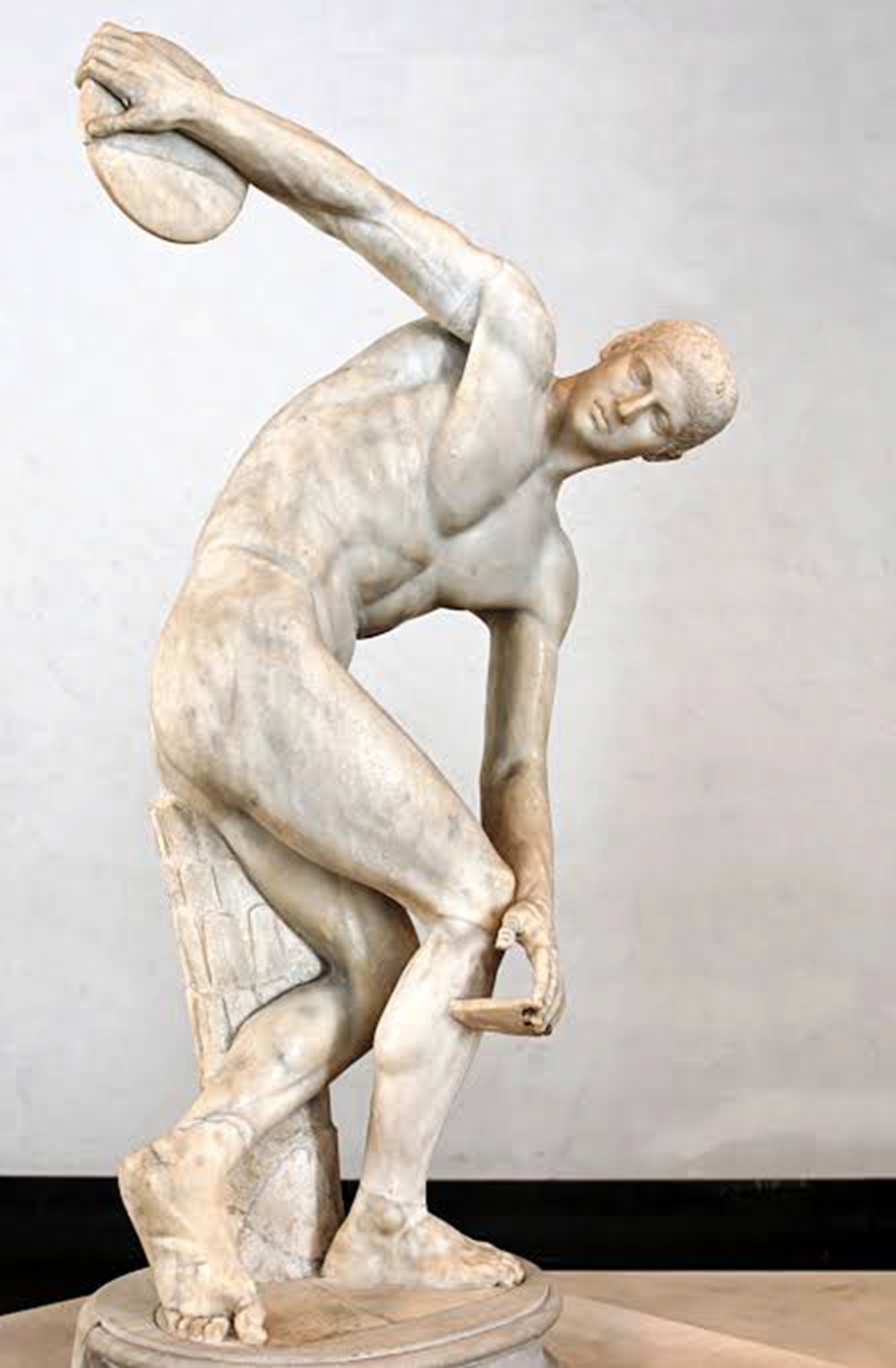
From YouFine’s Bronze Foundry: This is technically the most challenging sculpture we replicate. The extreme twist of the athlete’s body—capturing the tension between preparation and release—is the greatest difficulty. Our artisans spend extra time on the spiral musculature of the torso and the tension relationship between the limbs.
Top 4 The Diadumenos (Fillet-Binder) – The Athlete’s Victory
| Artist | Date | Original | Copy |
|---|---|---|---|
| Polykleitos | c. 420 BCE | Bronze (lost) | Marble |
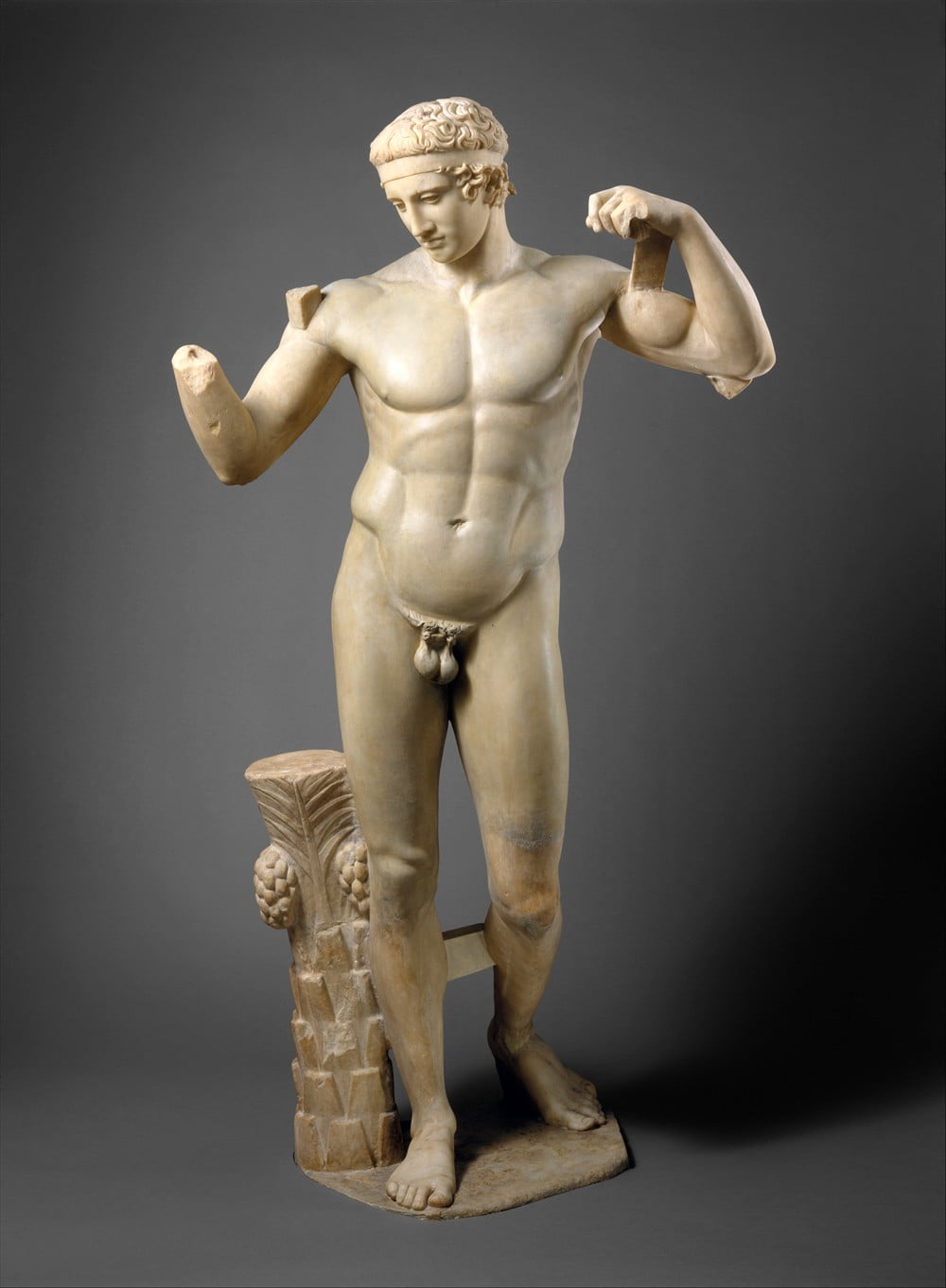
The Diadumenos depicts a young athlete tying a victory ribbon around his head after winning a competition. It represents Polykleitos’s later, more graceful style.
What makes it significant:
-
Softer Proportions: Compared to the Doryphoros, this figure is more slender and youthful
-
Victory and Grace: The gesture of tying the diadem captures the moment of triumph with dignity
- Multiple Types: Polykleitos’s work is divided into three types of idealized male images—the diadem-bearer, spear-bearer, and discus-bearer
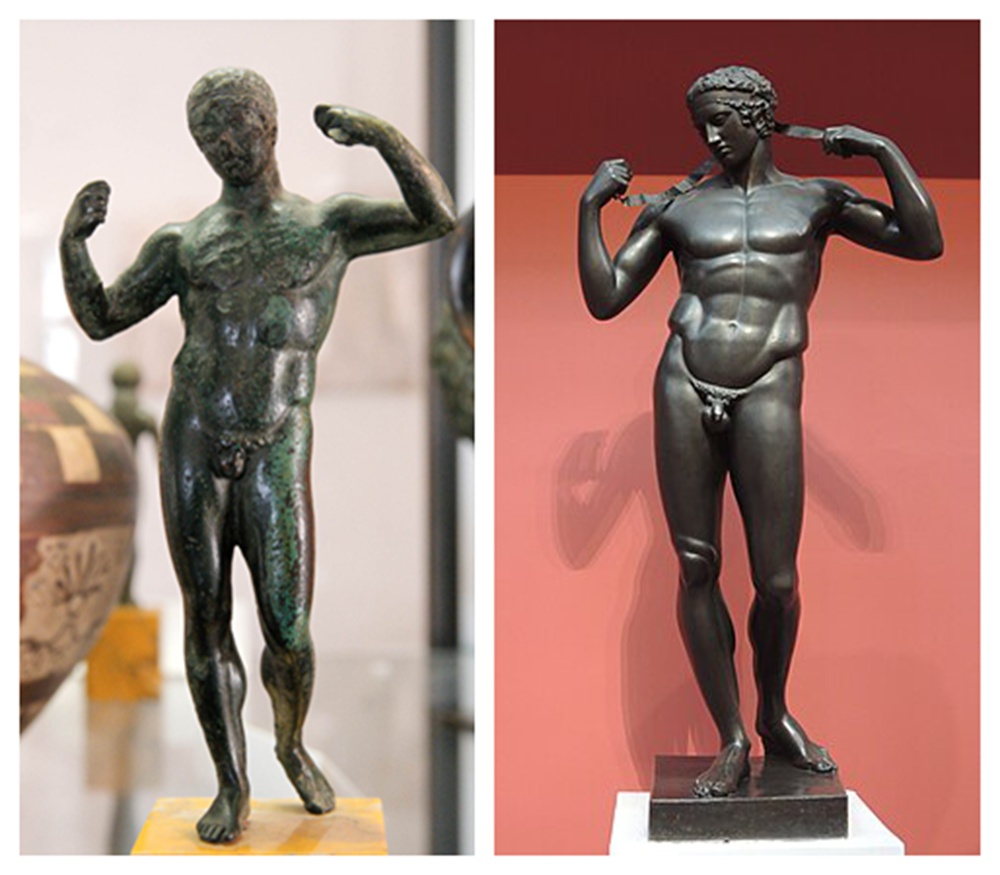
From YouFine’s Workshop: Compared to the Doryphoros, this statue’s challenge lies in its elegance and serenity. We pay special attention to the subtle movement of the shoulder blade as the arm is raised to tie the ribbon, and the gentle distribution of weight throughout the body—it should not appear “unsteady,” but rather as if breathing.
Top 5 The Kouros Figures – The Archaic Ideal
| Date | Material |
|---|---|
| c. 615–480 BCE | Marble |
Before the Classical period, Greek sculptors created kouros figures—standing nude male youths. These statues were heavily influenced by Egyptian art but gradually evolved toward naturalism.
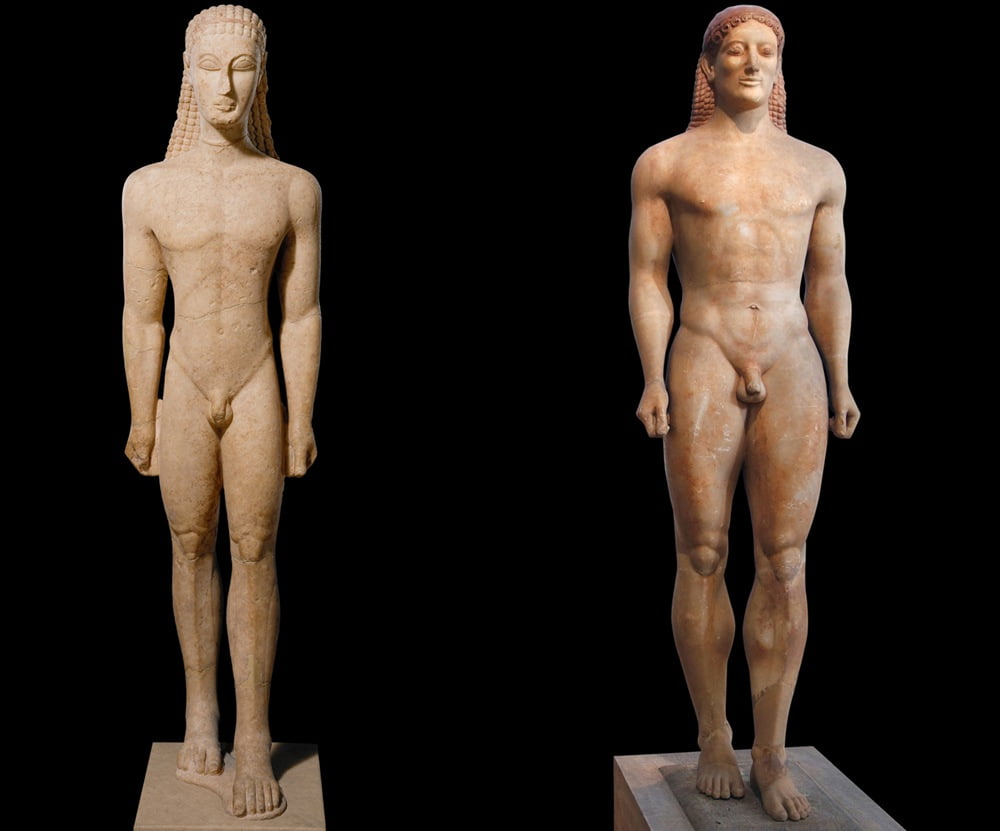
What makes them significant:
-
Archaic Smile: The characteristic smile seen on these figures was a stylistic convention of the period
-
Gradual Naturalism: Over time, these figures became more realistic, with better-proportioned muscles and more lifelike poses
-
Historical Role: They represent the foundation of Greek sculpture—the first large-scale attempts to depict the human form
The Kroisos Kouros from Anavyssos (c. 530 BCE) is one of the finest examples. Its inscription reads: “Stand and mourn for Kroisos, whom raging Ares destroyed in the front rank.”
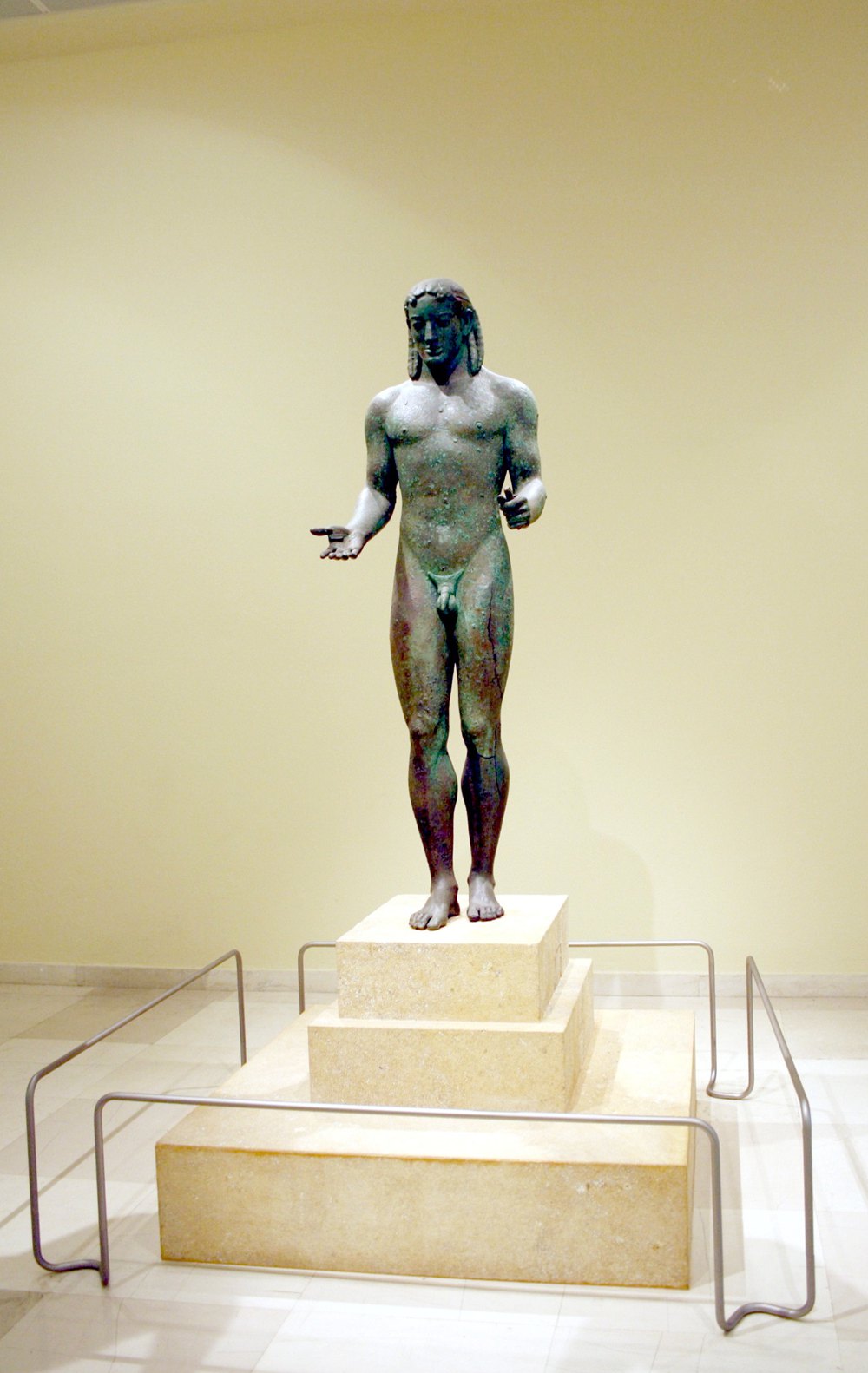
From YouFine’s Bronze Foundry: This is the work that most tests our artists’ sense of period accuracy. Early kouroi have a distinctly Egyptian influence—stiff, frontal, symmetrical. But by the later period, the muscles begin to show life. When we replicate these figures, we pay special attention to the “Archaic smile” and the overall proportional characteristics of the specific period.
Top 6 The Mantiklos “Apollo” – The Dawn of Greek Bronze Sculpture
One of the earliest surviving Greek bronze statues, the Mantiklos “Apollo” dates to the transition from the Geometric to the Protoarchaic period. It was dedicated to Apollo as a votive offering.
What makes it significant:
-
Historical Importance: This statue represents the earliest phase of Greek bronze casting, showing the transition from rigid geometry to more naturalistic forms
-
Inscribed Dedication: The thighs carry a verse inscription in poetic meter: “Mantiklos dedicated me as a tithe to the Far Shooter… You, Phoibos, give something pleasing in return”
-
Transitional Style: It embodies a moment when geometric order merged with interest in more closely reproducing natural forms
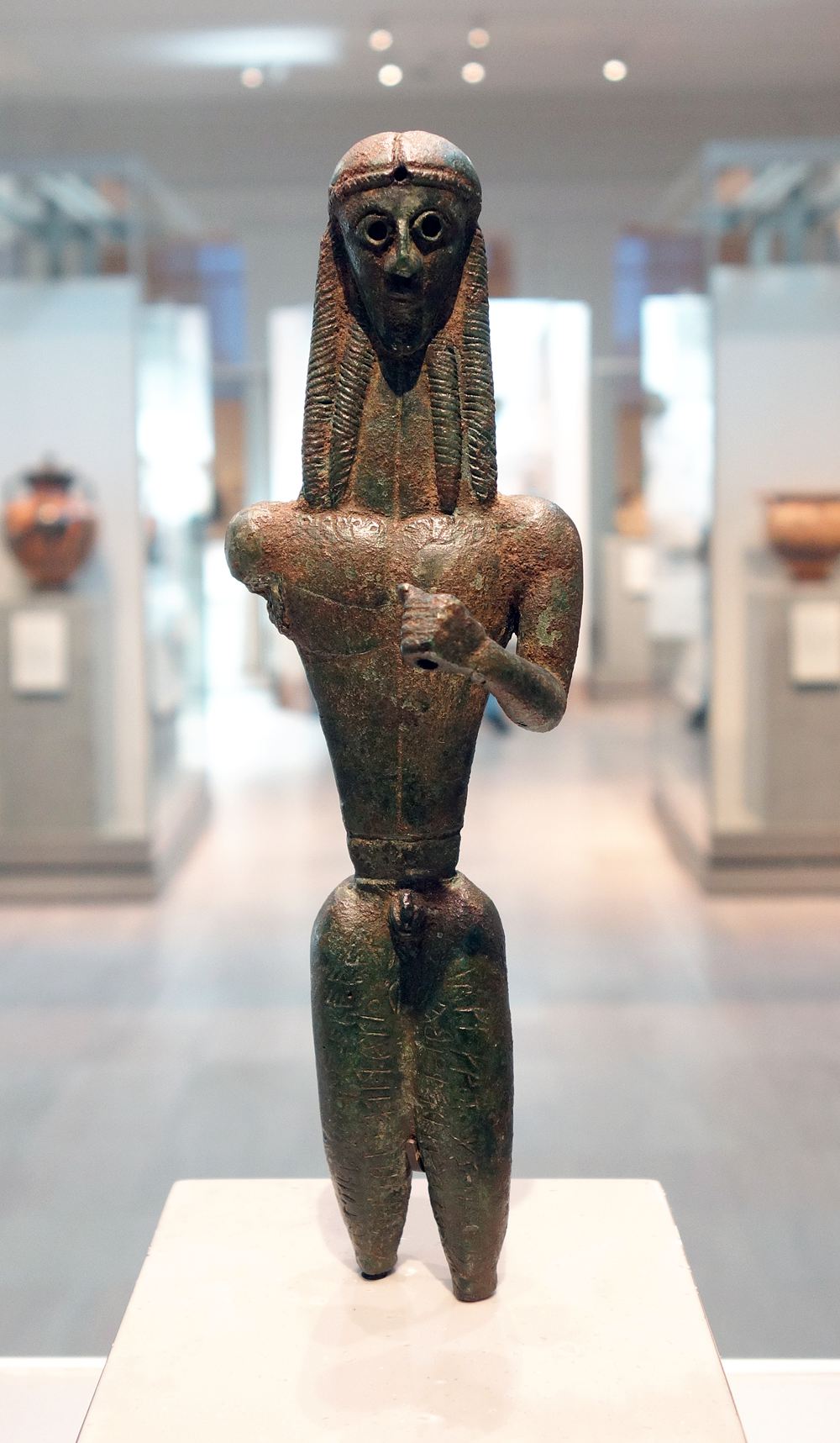
From YouFine’s Bronze Foundry: This statue’s historical significance outweighs its visual impact. When we replicate it, our focus is on the early characteristics of bronze casting—the overall geometry, the exaggerated proportions, and the “just-begun” quality of the figure.
Top 7 The Laocoön and His Sons – The Drama of Suffering
| Date | Material | Location |
|---|---|---|
| c. 1st century BCE | Marble | Vatican Museums |
The Laocoön and His Sons sculpture depicts a tragic scene from Greek mythology: the Trojan priest Laocoön and his two sons being attacked by sea serpents. It is considered a masterpiece of Hellenistic art, admired for its powerful narrative and skillful craftsmanship.
What makes it significant:
-
Dramatic Narrative: The sculpture captures the intense agony and despair of the figures as they struggle against the serpents’ coils
-
Emotional Power: It expresses three emotions simultaneously—fear, terror, and sympathy—an extraordinary achievement in sculpture
-
Artistic Influence: The muscular movement in this sculpture reaches its limit, showing strength under extreme tension
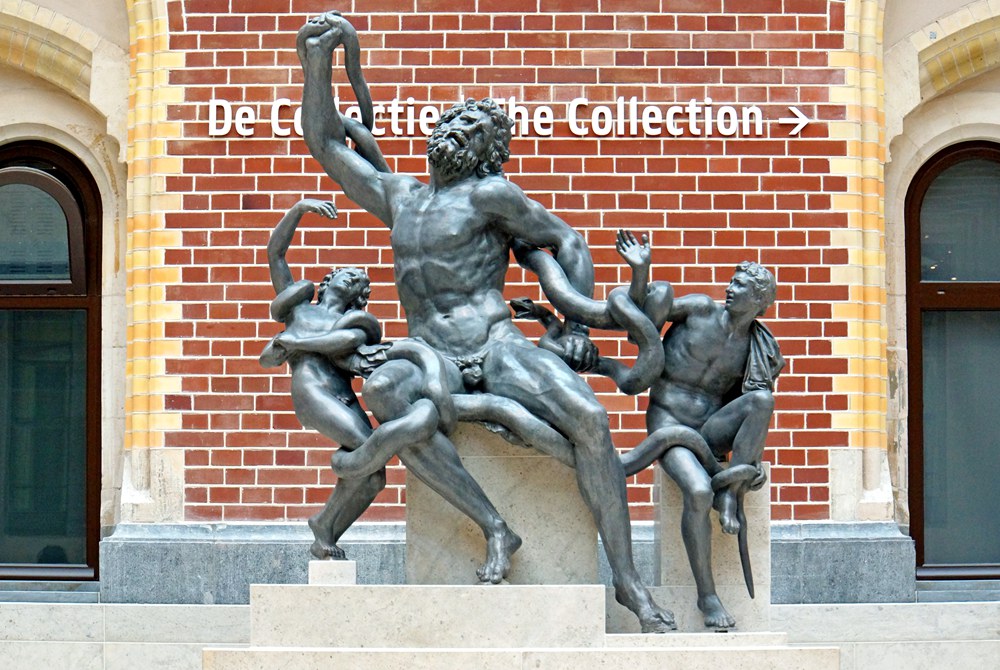
From YouFine’s Bronze Foundry: This sculpture’s complex composition (three figures and two serpents intertwined) is a high-difficulty casting challenge. We recommend a sectional casting approach, with special attention to the serpent’s twisting bodies and the facial expressions of the figures. The Laocoön is the pinnacle of Hellenistic dramatic sculpture.
Top 8 The Riace Warriors – Rare Greek Bronze Originals
| Date | Material | Location |
|---|---|---|
| c. 460–420 BCE | Bronze | National Museum of Reggio Calabria |
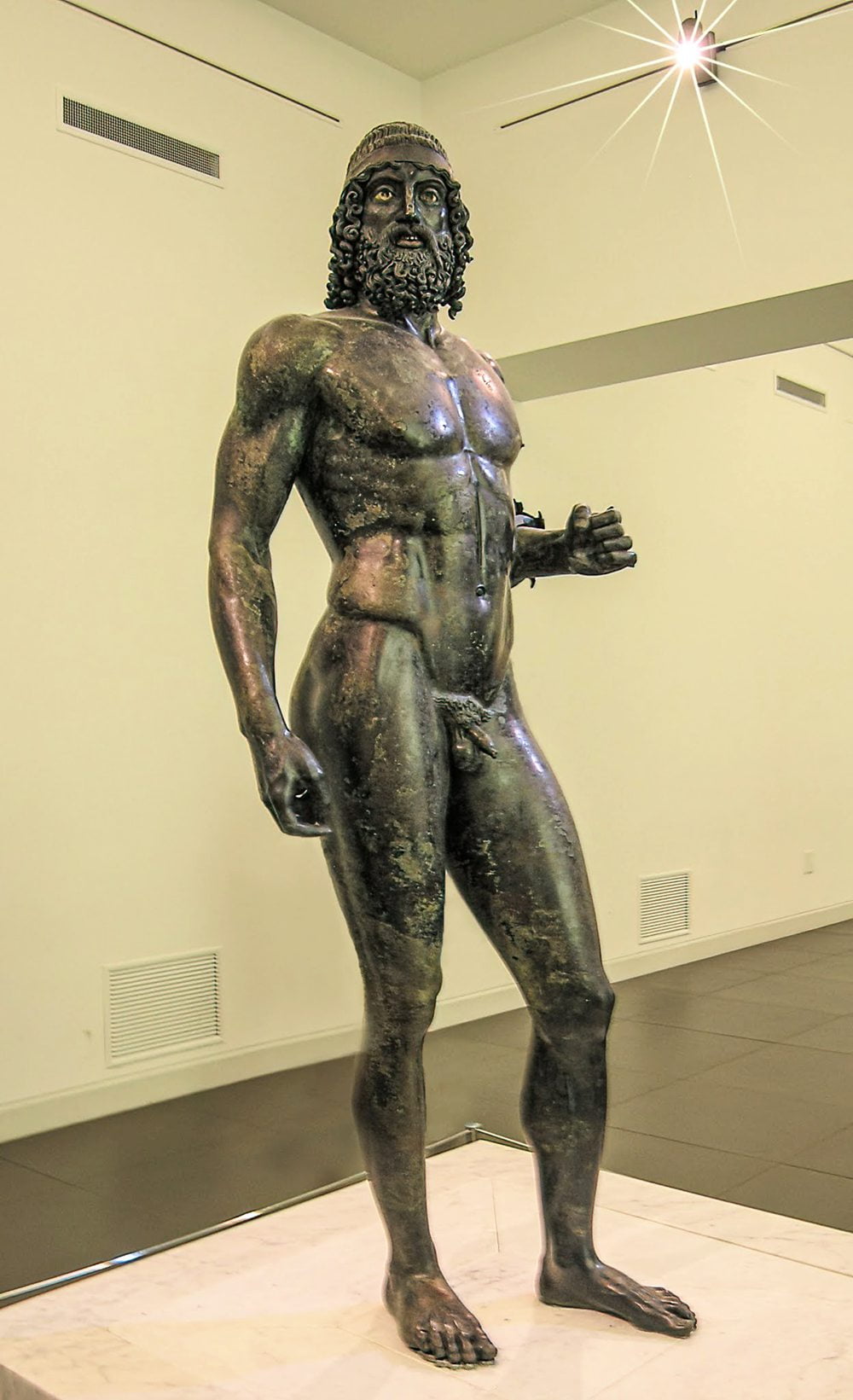
Discovered in 1972 by a diver off the coast of Italy, the Riace Warriors are two of the few surviving original Greek bronze statues (not Roman copies). Statue A stands 198cm tall, Statue B 197cm, both nude, bearded, and in contrapposto.
What makes them significant:
-
Rarity: Most Greek bronze originals were melted down over the centuries; these survive in remarkable condition
-
Exquisite Craftsmanship: The lost-wax casting is flawless, with copper inlay for lips and nipples, and other materials for eyes
-
Academic Debate: Their date and authorship continue to be discussed, adding to their mystique
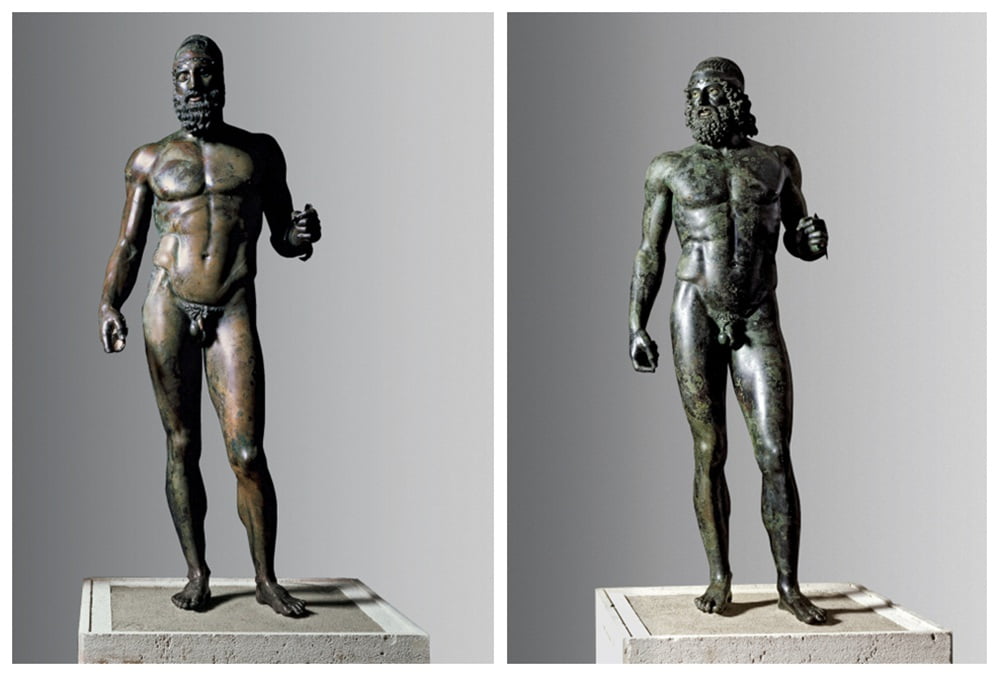
From YouFine’s Bronze Foundry: These warriors best showcase the pinnacle of bronze casting. Our artisans focus especially on the copper-inlay details and the accurate restoration of the Severe Style musculature. This is the most faithful demonstration of ancient bronze technology.
Summary: Why These Eight?
To better understand why these eight statues have remained so influential, we’ve put together a summary that pairs their historical significance with some practical notes on the bronze casting process. It reflects both research and years of craftsmanship.
| Sculpture Name | Key Evidence for Fame | From YouFine’s Workshop |
|---|---|---|
| Doryphoros | Called “The Canon” by ancient writers; defined Western proportion rules; numerous Roman copies | Focus on contrapposto precision and anatomical detail—the bulging pectorals and iliac crests that make it feel alive |
| Apollo Belvedere | The “absolute standard of male beauty” since the Renaissance has influenced Michelangelo | Focus on the balance between motion and stillness and the divine expression that must not appear empty |
| Discobolus | Described by ancient writers; captures the moment before release; Roman copies are in European museums | The extreme twist and dynamic tension of the pose—the greatest casting challenge |
| Diadumenos | Polykleitos’s other masterpiece, one of three idealized male figure types | Focus on elegance and serenity—the gentle weight distribution and subtle shoulder movement |
| Kouros Figures | The “source” of Greek sculpture, defined as the Archaic period (650-480 BCE) art | Focus on period accuracy—the transition from Egyptian rigidity to Greek naturalism, and the “Archaic smile” |
| Mantiklos “Apollo” | One of the earliest Greek bronzes (c. 700-675 BCE); the inscription records the donor | Focus on historical authenticity—the geometric proportions and “just-begun” quality |
| Laocoön and His Sons | Pinnacle of Hellenistic dramatic sculpture; admired for powerful narrative and craftsmanship | Complex composition of three figures and two serpents—requires sectional casting and detailed facial expression work |
| Riace Warriors | Rare surviving Greek bronze originals; exquisite craftsmanship; discovered in 1972 | Focus on copper-inlay details and Severe Style musculature—the most faithful demonstration of ancient bronze technology |
Custom Replicas for Your Collection
At YouFine, we cast museum-quality bronze replicas of these iconic Greek male statues. Based in Quyang—China’s “Hometown of Sculpture”—we have over 43 years of experience in lost-wax casting.
Explore More:
-
View our Bronze Greek Statues collection for more inspiration
-
Browse our Roman Statues: Gods, Mythology & Ancient Sculptures selection
What we offer:
-
Any size: From tabletop pieces to monumental installations
-
Custom patina: Deep brown, golden, green, or antique finishes
-
1:1 clay model: For your approval before casting
-
Traditional lost-wax casting: Faithful reproduction of every anatomical detail
-
No clay model fee for our most popular designs—ready for production
-
Global shipping: Secure wooden crate packaging delivered worldwide
Interested in a custom Greek male statue for your space? Contact us today for a free quote. We can recreate any of these masterpieces in the size, finish, and material that suits your vision.

Panda, a 20-year veteran of bronze casting, is one of the co-founders and lead artisan of YouFine Art Bronze Foundry. Deeply rooted in the foundry, she has mastered every detail of the craft. Her expertise guarantees that each sculpture embodies the highest standards of quality and artistic integrity.