
The meaning of bull and bear statues lies in the contrast between relentless optimism and the bear’s cautious defensive strategy. Whether it’s a grand bronze sculpture standing in the heart of a financial district or adorning the desk of a private investor, this iconic pair represents far more than just market volatility.
In this article, we’ll unravel the fascinating origins of these market mascots and explore the profound psychological and symbolic meanings behind their conflict.
The Symbolism of Bulls and Bears
The bull and bear statues are iconic symbols of the financial market, representing the duality of market trends. While the bull symbolizes optimism, confidence, and economic growth (bull markets), the bear represents caution, pessimism, and economic decline (bear markets). These symbols are deeply rooted in the natural combat behaviors of these animals: bulls thrust their horns upward, symbolizing rising markets, while bears swipe their paws downward, signifying falling markets.
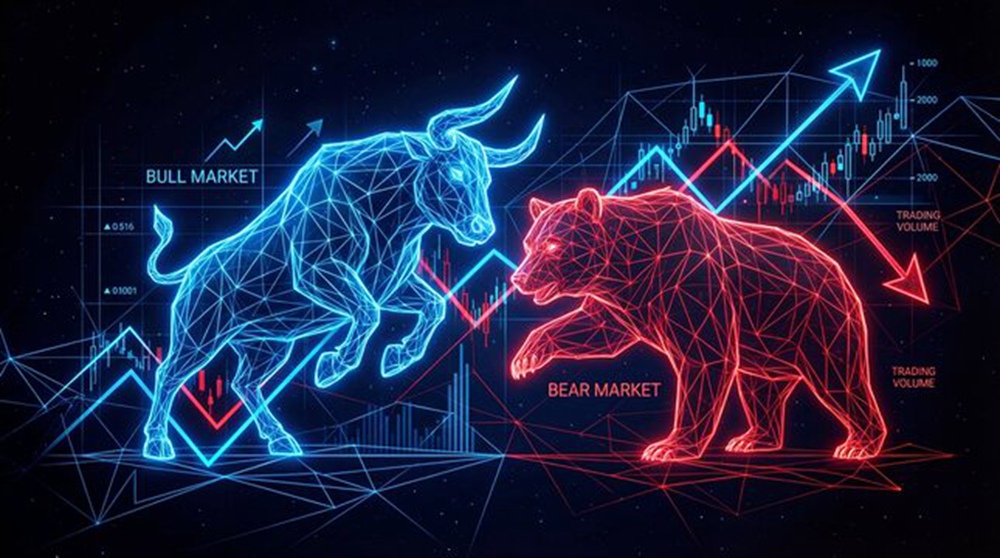
The Financial Symbolism of Bulls and Bears
The Origins of Bull and Bear Markets
The terms “bull” and “bear” originated in the 18th century, inspired by the contrasting fighting styles of these animals—bulls striking upwards and bears swiping downwards. Additionally, the term “bear” traces back to the phrase “selling the bear’s skin before catching it,” describing traders who sold stocks they didn’t own, betting on price drops.
Why Bulls and Bears Were Chosen as Symbols
Historically, bulls symbolized wealth and prosperity, revered for their utility in ancient societies. Bears, on the other hand, were seen as powerful and resilient creatures, capable of enduring harsh conditions, much like the market’s ability to recover after downturns. These attributes made them fitting metaphors for financial market trends.
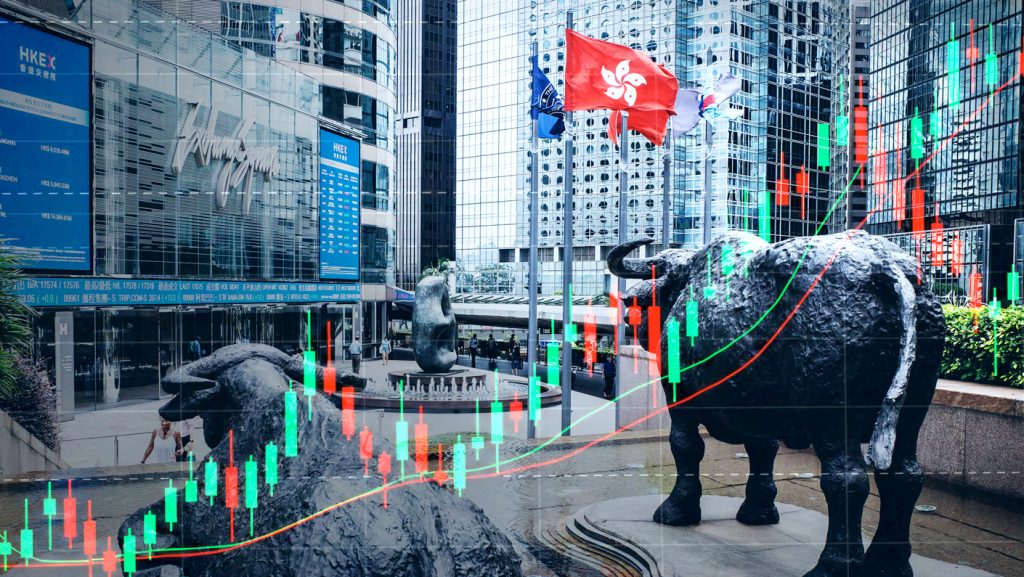
Cultural Significance of Bull and Bear Statues
The Symbolism of Bulls
Bulls represent strength, determination, and upward momentum. In financial markets, they embody the spirit of optimism and the belief in economic growth. A bull statue placed in a financial district or business setting is a powerful talisman of prosperity and resilience.
The Symbolism of Bears
Bears symbolize caution, patience, and the cyclical nature of markets. They remind us of the importance of navigating downturns with resilience and strategic thinking, waiting for the right moment to re-enter the market.
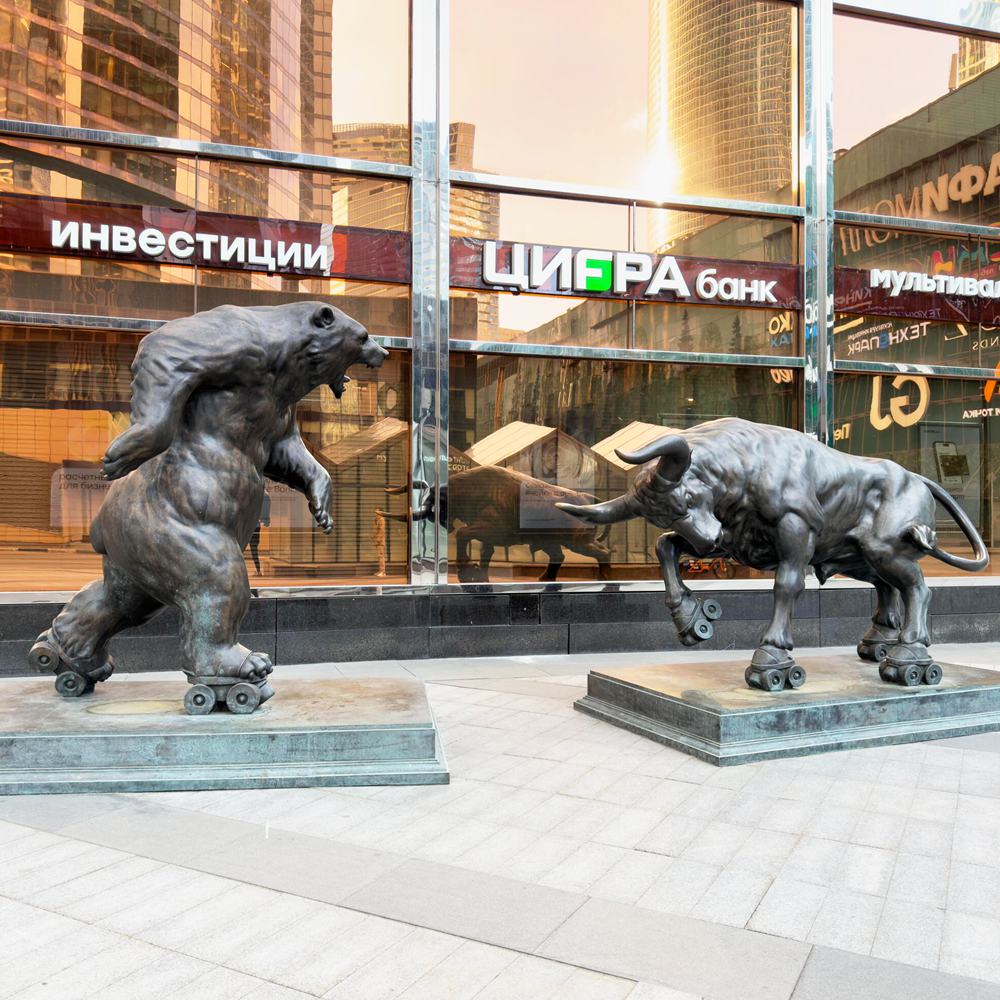
Famous Examples of Bull and Bear Statues
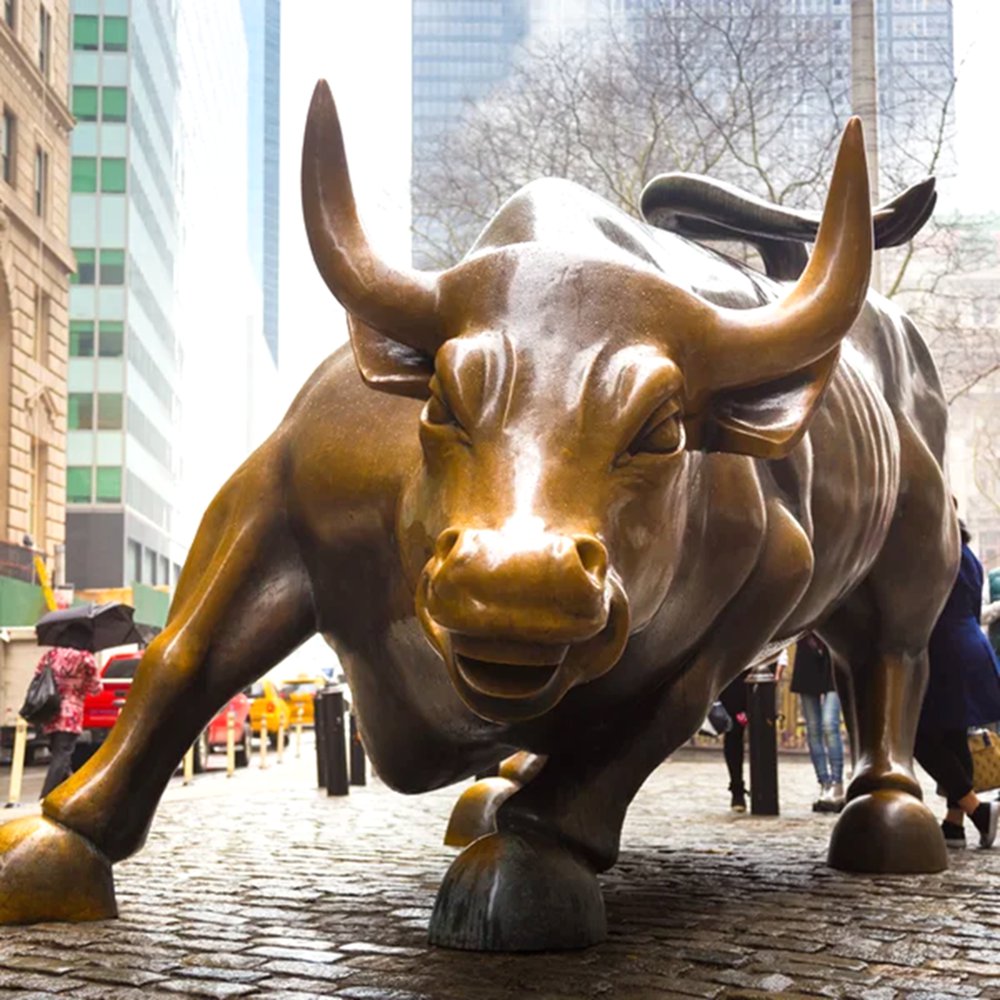
Charging Bull, Wall Street, New York
Created by Arturo Di Modica in 1989 after the stock market crash, this iconic 7,000-pound bronze sculpture symbolizes resilience, optimism, and economic strength. It has become a global emblem of financial markets. Learn more about the Charging Bull.
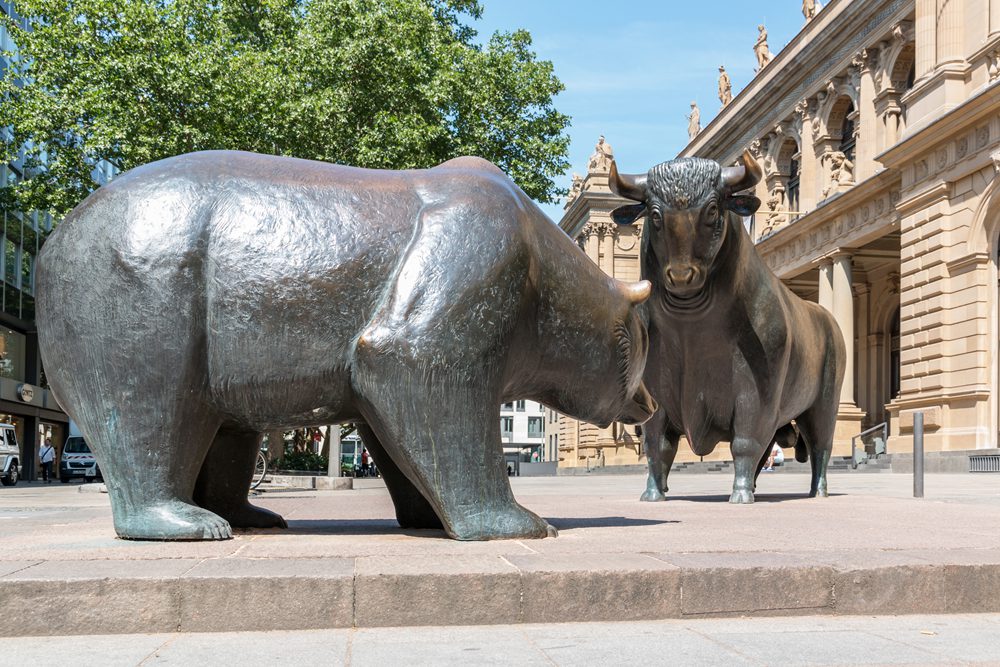
Bull and Bear Statues, Frankfurt Stock Exchange, Germany
Designed by Reinhard Dachlauer in 1985, these statues were commissioned to celebrate the 400th anniversary of the Frankfurt Stock Exchange. They depict the daily market fluctuations and are a popular tourist attraction. Explore the Frankfurt Bull and Bear Statues
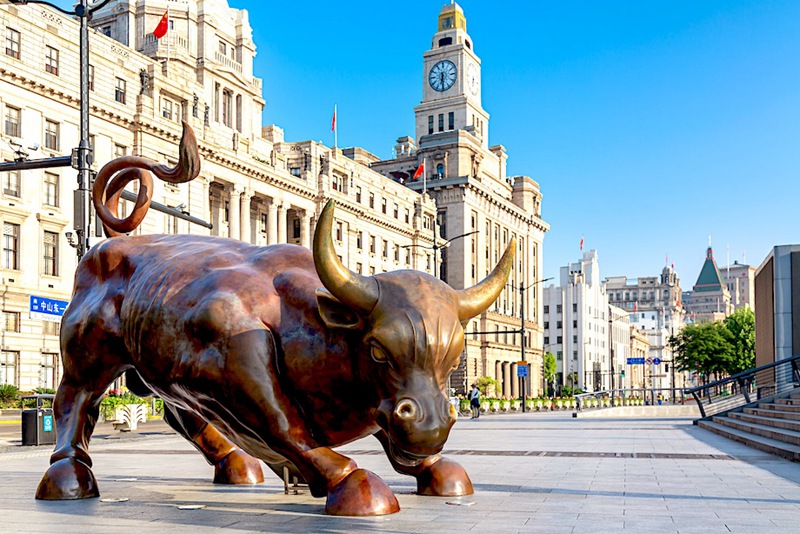
Bull Statues in Shanghai
A replica of the Charging Bull stands at the Bund in Shanghai, symbolizing the city’s financial vitality and strong economic growth.Discover the Bull Statue at The Bund, Shanghai
How to Choose the Right Bull and Bear Sculpture
First, let us clarify one point: the essence of the bull and bear sculptural pair lies in its vivid symbolism of the “ups and downs” of the financial world—namely, market volatility.
Over time, this symbolism gradually permeated popular culture, leading many commercial institutions to prominently display these two sculptures. When this symbolic significance is combined with the inherent qualities of bronze—particularly the sense of stability and gravitas conveyed by its distinct “metallic texture”—the pair becomes a highly sought-after decorative fixture within commercial environments.
For many of our corporate clients, these sculptures serve as a kind of business card: the “bull” symbolizes their enterprising spirit and willingness to pioneer new ventures, while the “bear” represents their prudent approach to risk management.
Placement Locations
Company/Storefront Entrance
Placing bull and bear sculptures here symbolizes an operational approach that combines the bull’s forward momentum (for launching new products and boosting performance) with the bear’s steady resilience (for upholding quality and controlling risk). It also signals that the company’s work is solid and substantial—never shoddy or designed merely to hoodwink clients.
Home Placement (with a focus on Wealth Attraction)
If you want to place these sculptures in your home, consider whether they attract wealth. It is important to note that bronze itself has value and is traditionally associated with regular income (wealth earned through diligent work, rather than speculative windfalls).
Most clients display the bull figurine much like an exhibit, positioning it to face outward—specifically toward the street or an intersection—to symbolize the “corralling” of external business opportunities and bringing them back into their own premises. This method of placement carries no inherent taboos or negative connotations, provided that the bull’s horns do not point directly toward a neighbor’s entrance or a public sidewalk (thereby avoiding potential interpersonal friction or safety hazards).
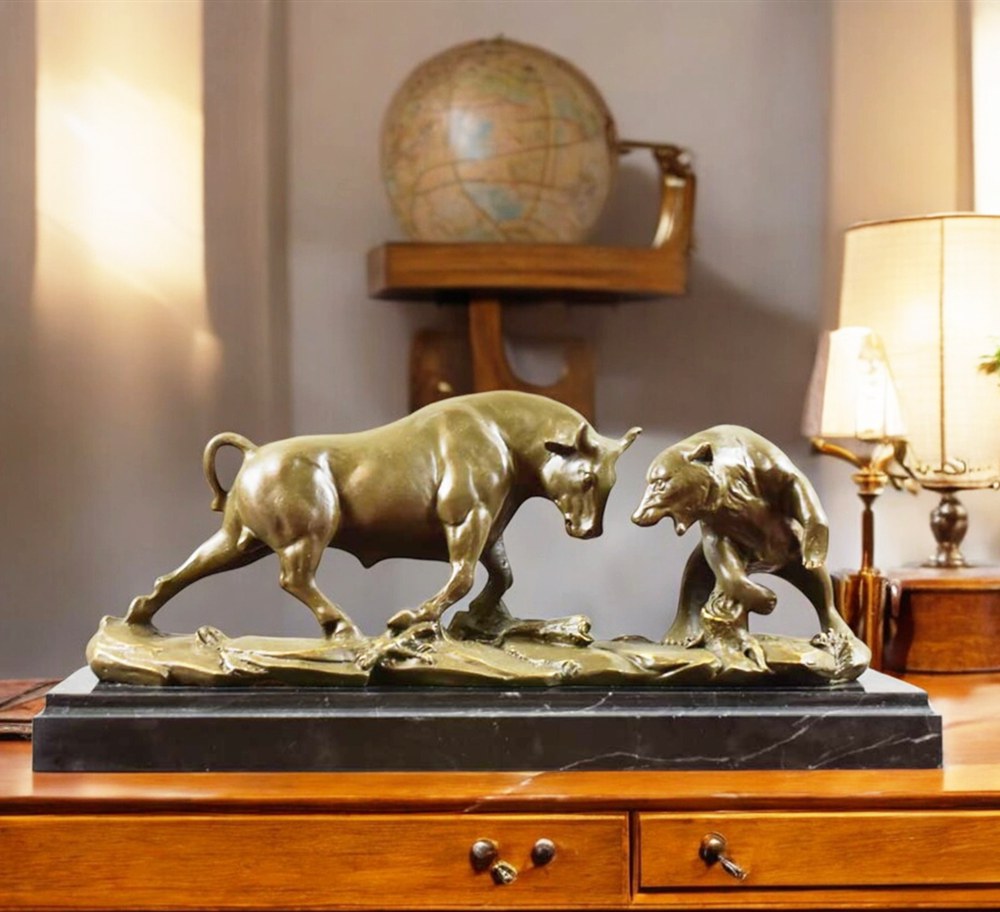
Purely Residential Settings
In the public eye, the commercial symbolism inherent in the “Bull and Bear” combination far outweighs its domestic significance. Consequently, in a purely residential setting, it is best to avoid displaying bear sculptures.
Instead, you may choose to place a single small bronze bull statue (keeping its size under 30 centimeters), positioned with its head facing outward—directly toward the main entrance—though it is advisable to avoid placing it within a bedroom. This practice serves to symbolize the guardianship of the home and the stabilization of the family’s fortune.
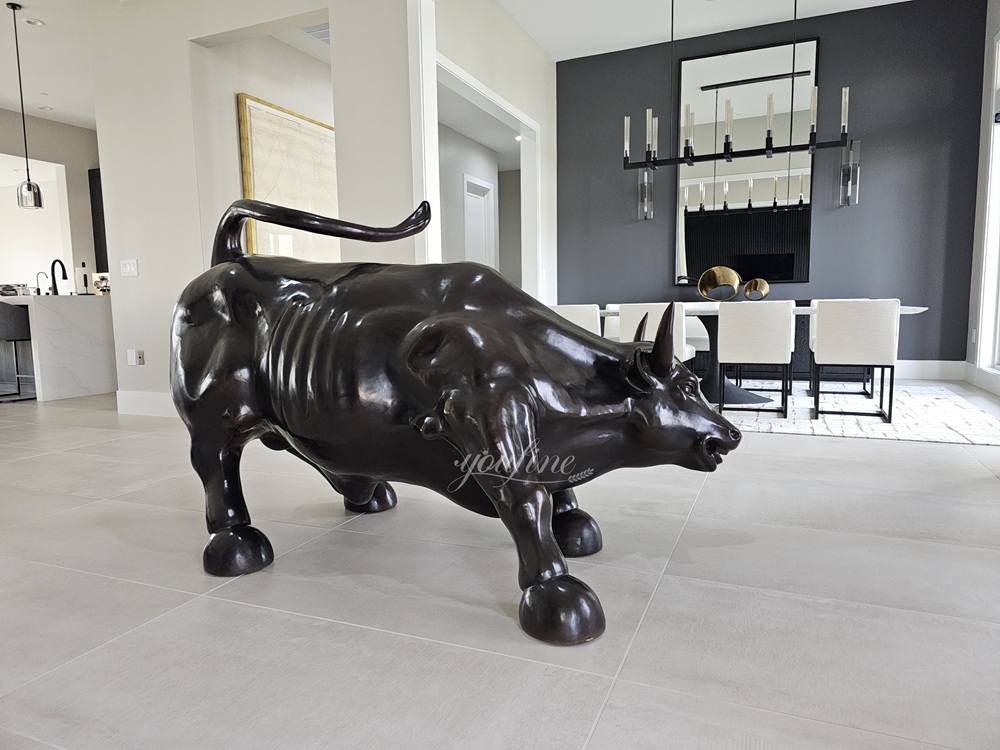
Recommended Dimensions
Financial Clients
For entities such as brokerage branches, private equity/investment firms, commodity trading houses, or even high-end private clubs, the primary objective is to achieve that instantly recognizable “Wall Street aesthetic.”
The material should be cast bronze, and the size should be 1.5 meters or larger. Additionally, a custom base can be commissioned to feature the company’s logo or founding year.
When displayed prominently at the entrance, this arrangement conveys a clear message to clients: the people behind this company possess both the drive to push forward and the stability to hold their ground—a combination that leads to a high closing rate for deals.
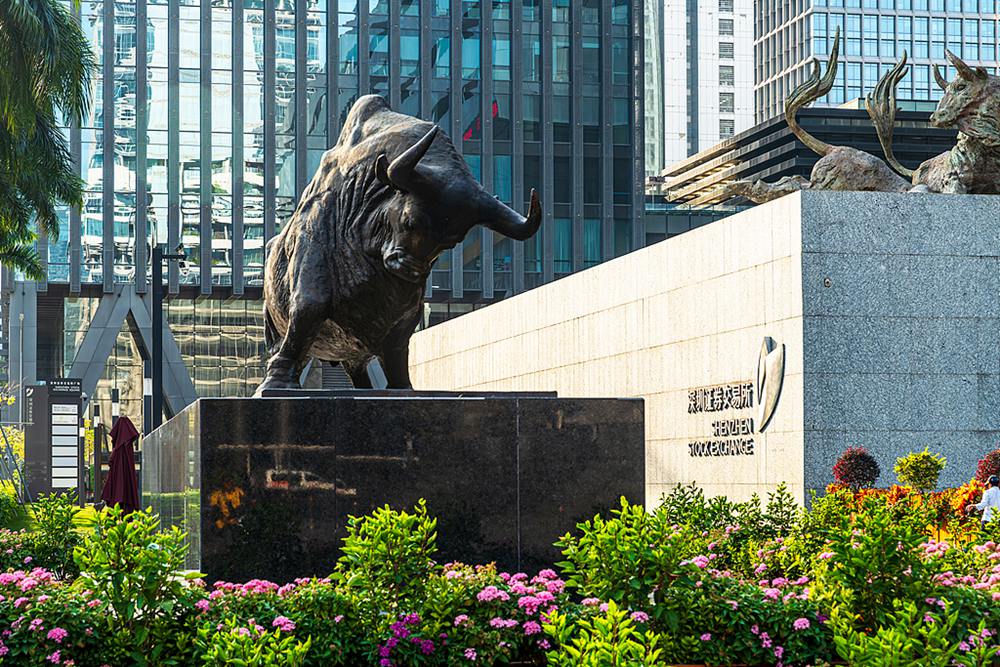
For small to medium-sized trading companies, teahouses/private clubs, and business park leasing centers
Bronze stands out as an exceptional choice; in contrast to marble, it is lightweight and easy to install and available in a wide array of dimensions, ranging from 1 meter to 3 meters. Its essence lies in its ability to serve as a captivating focal point within your reception area—an element that will undoubtedly enhance the aesthetic appeal of your space.
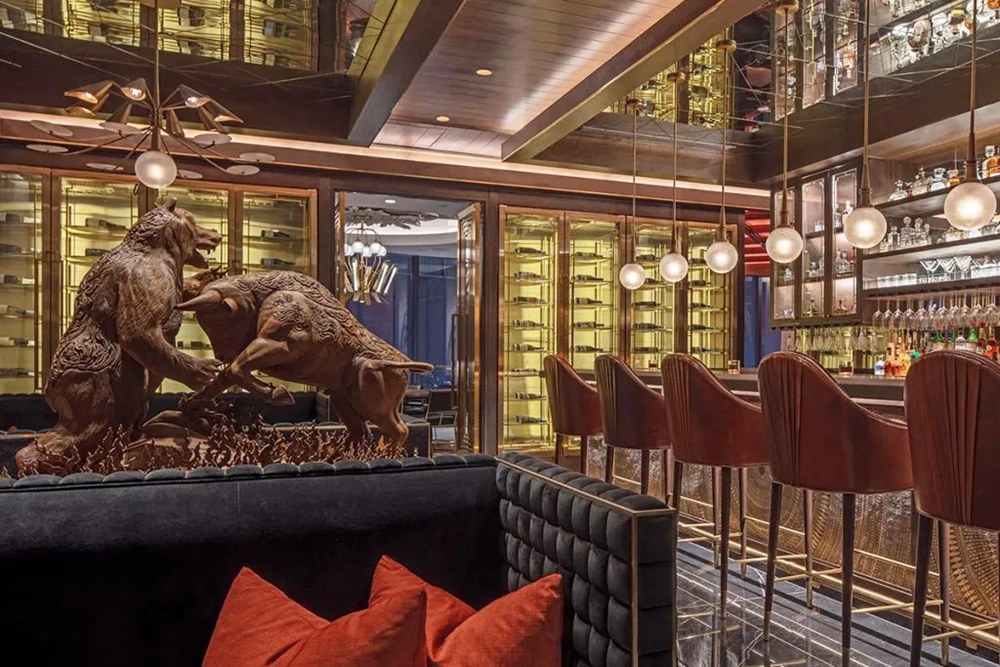
Choosing the Right Design
Selecting the appropriate posture is crucial. If the pair is to be displayed together, you might choose to depict the bull charging forward with its head held high, while the bear sits steadfastly behind it in a protective stance.
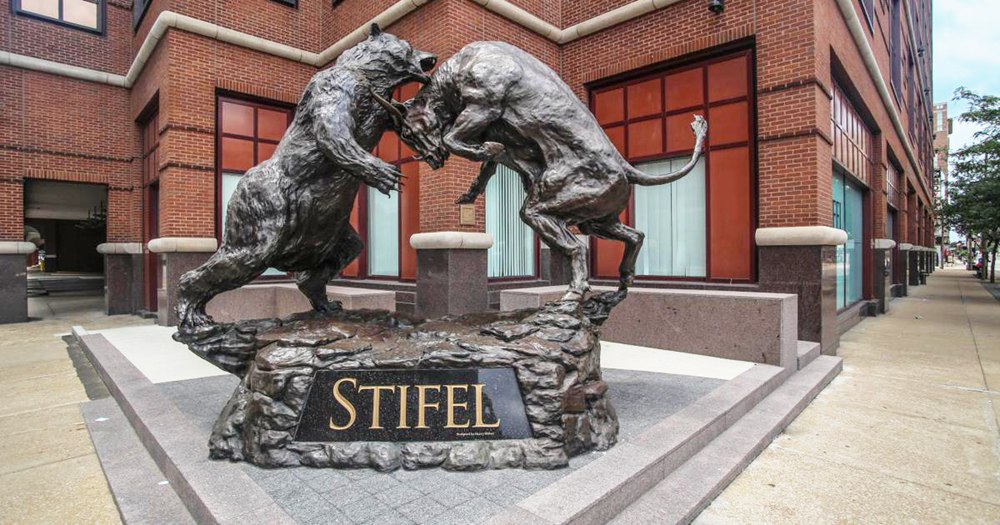
You should strive to avoid aggressive postures—such as the two beasts locking horns in combat, or the bear swiping downward with its paw—as clients may interpret such imagery as overly confrontational or as radiating a “negative aura.”
Similarly, you should steer clear of designs that are overly juvenile, cute, or cartoonish, as this would undermine the inherent symbolism of struggle and perseverance embodied by the bull and the bear. Beyond the classic “Wall Street Bull” archetype, you might also consider designs featuring a buffalo or an ox; these figures are equally capable of vividly conveying a corporate culture centered on unwavering resolve, steadfast diligence, and tireless dedication.
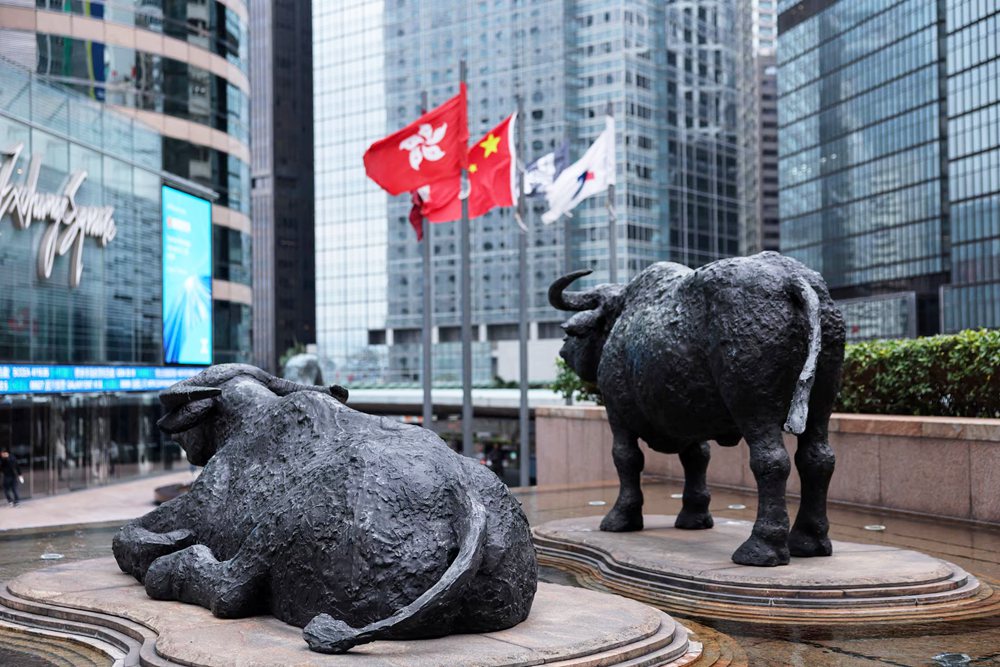
Based on the information above, we trust you now possess a deep understanding of the symbolism behind the Bull and Bear, as well as how to select the sculpture best suited to your specific needs. If you are currently looking to commission a pair of Bull and Bear sculptures for your project, we invite you to contact us. Our sculptures are crafted from premium bronze materials using the traditional “lost-wax casting” method, resulting in lifelike, high-quality works of art. Furthermore, we offer personalized options for design, dimensions, and surface finishes to ensure that your unique requirements are met with precision and style.
Explore Our Bull and Bear Sculptures
Panda, a 20-year veteran of bronze casting, is one of the co-founders and lead artisan of YouFine Art Bronze Foundry. Deeply rooted in the foundry, she has mastered every detail of the craft. Her expertise guarantees that each sculpture embodies the highest standards of quality and artistic integrity.