
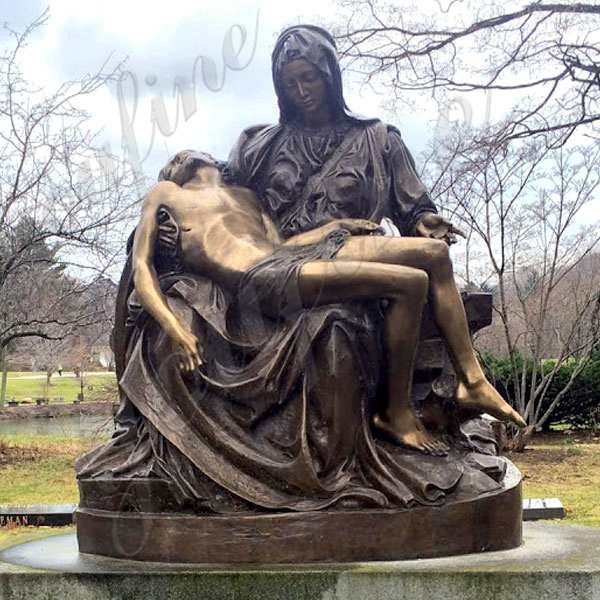
Renaissance Bronze Sculptures
Discover the timeless beauty of Renaissance sculpture -- where classical ideals meet masterful bronze craftsmanship. Our collection celebrates the artistic traditions of Michelangelo, Donatello, and the great masters of the 14th-16th centuries.
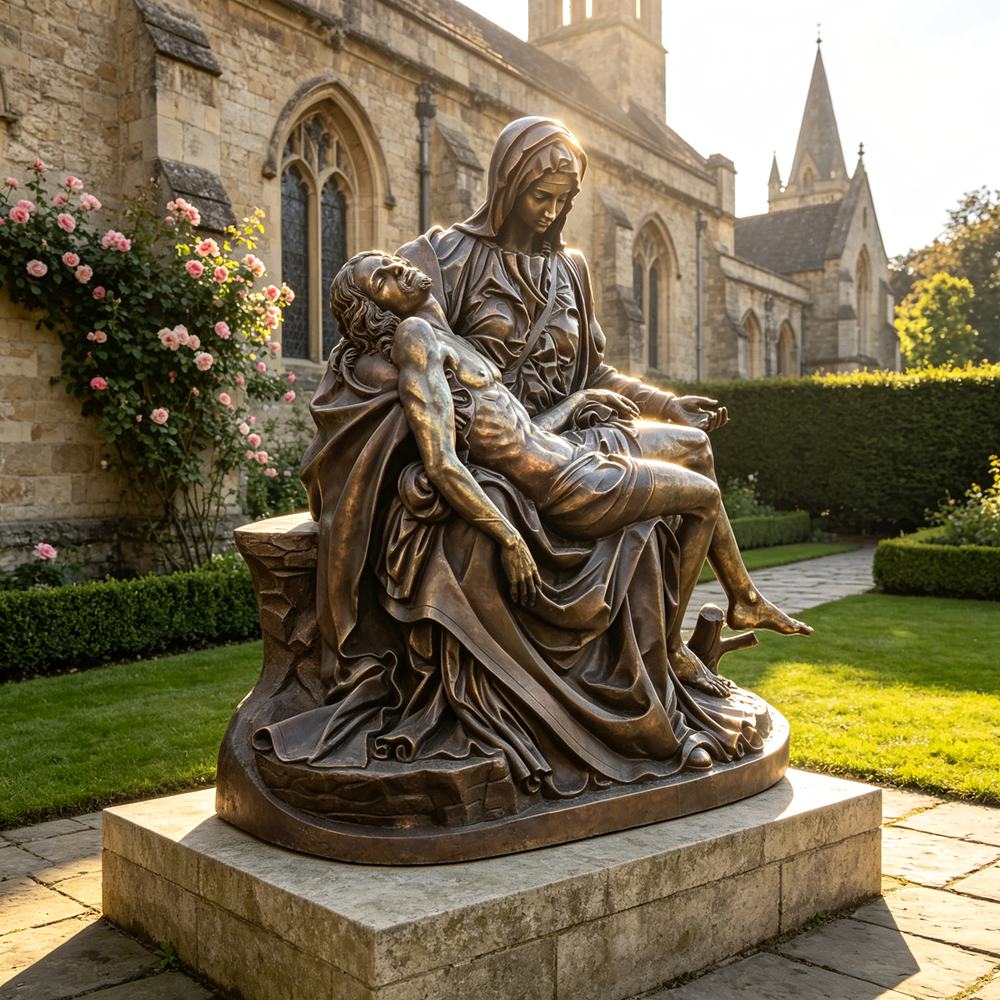
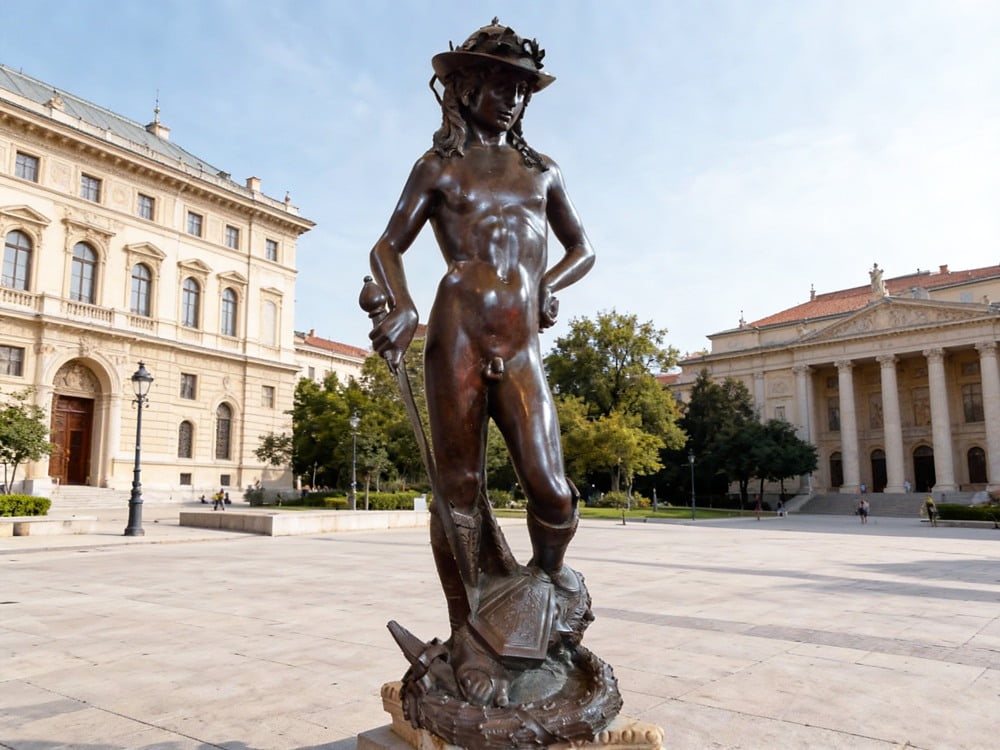
What Is Renaissance Sculpture?
Renaissance sculpture refers to the sculpture produced during the European Renaissance, particularly from the 14th through the 16th centuries. The movement developed from a renewed interest in the art and ideas of classical Greece and Rome, while artists also placed greater emphasis on observing the natural human body.
Renaissance sculptors sought to create figures with believable anatomy, convincing movement, expressive faces, and balanced proportions. Florence became one of the most important centers of Renaissance sculpture, followed by Rome and other Italian cities.
The development of sculpture during this period established many of the artistic principles that continue to influence figurative sculpture today.
Renaissance Sculpture Styles & Subjects
From religious devotion to mythological narratives, Renaissance sculpture explored the full spectrum of human experience and classical beauty.
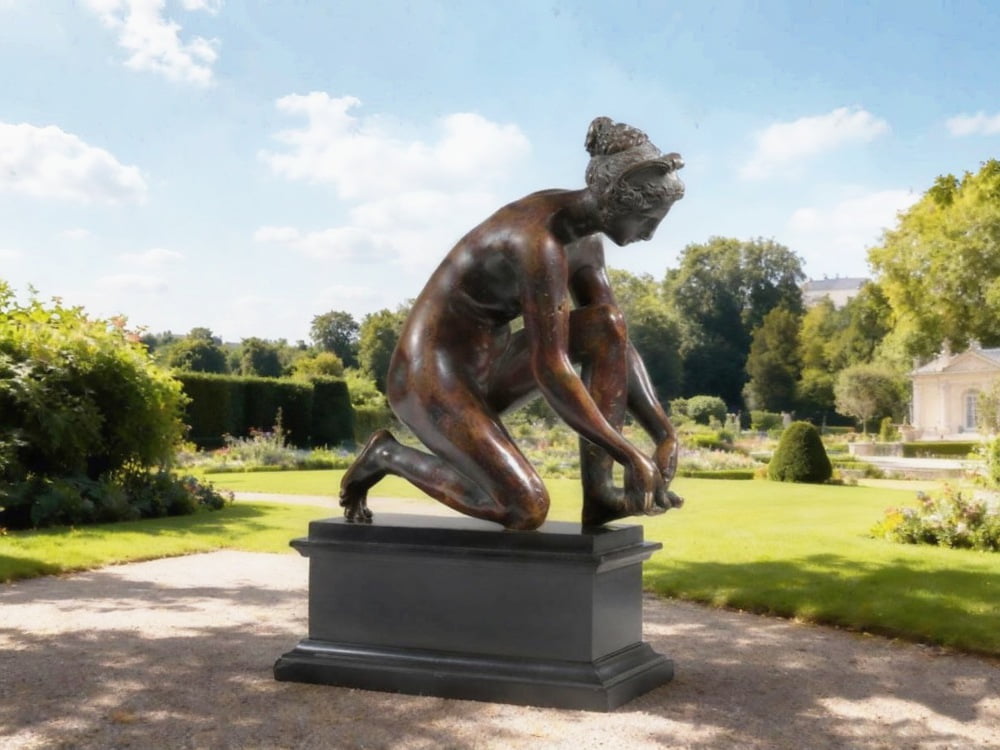
Figure Sculptures
Emphasizing the human body, natural proportions, realistic anatomy, and balanced movement. Standing, seated, and dynamic figures remain among the most recognizable forms.
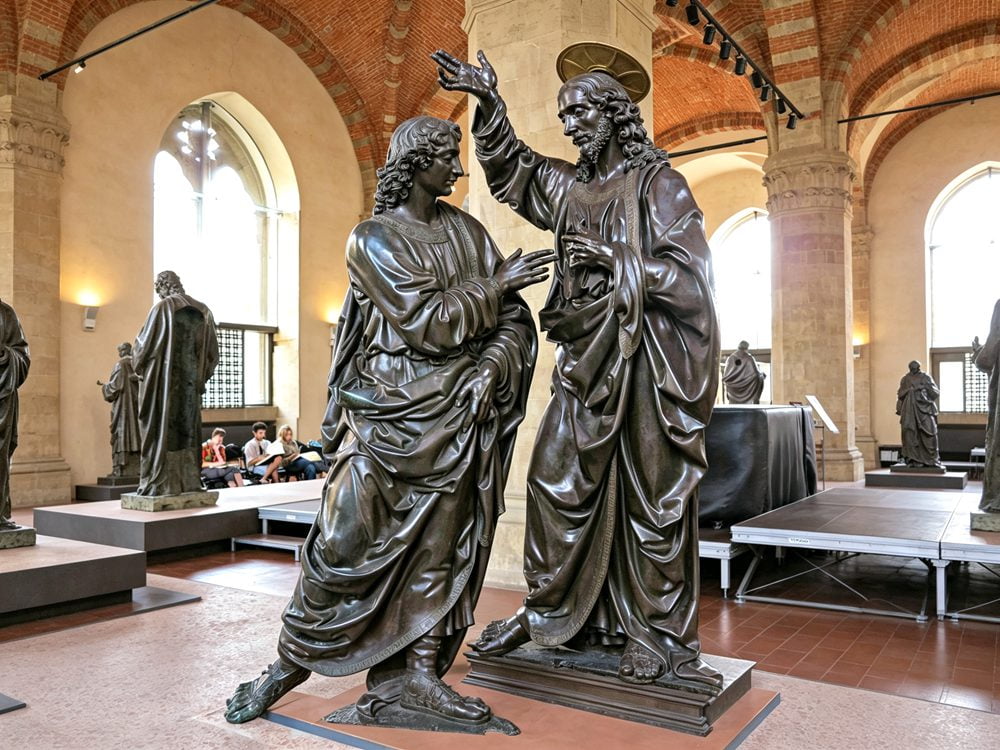
Religious Sculptures
Christian subjects played an important role in Renaissance art. Sculptures of Christ, the Virgin Mary, saints, and biblical figures combined religious meaning with naturalistic expression.
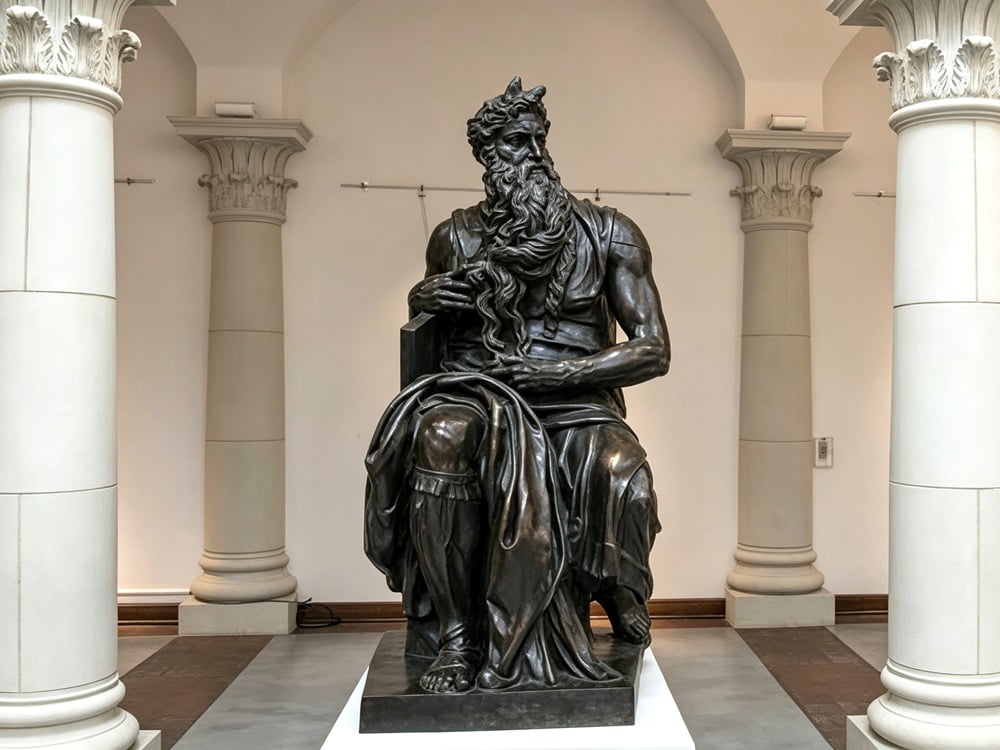
Mythological Sculptures
Renaissance artists returned to the mythology of ancient Greece and Rome, creating sculptures of gods, heroes, allegorical figures, and mythological scenes.
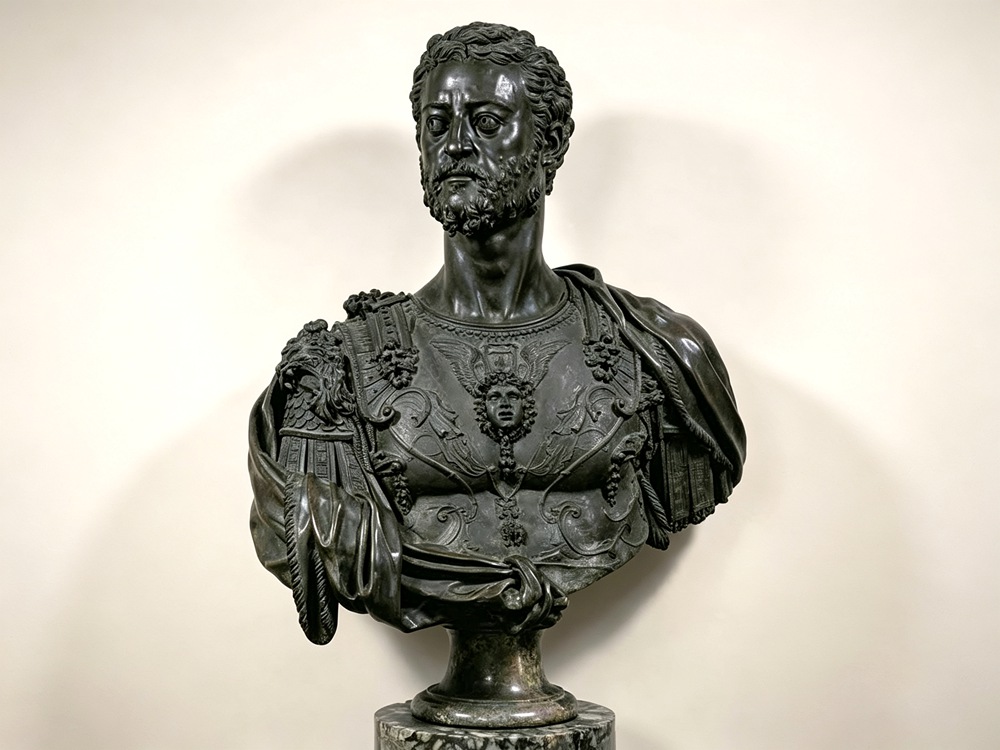
Portrait Busts
Portrait sculpture became an important way to represent individual identity, status, and character. Renaissance portrait busts often emphasize facial features and realistic expression.
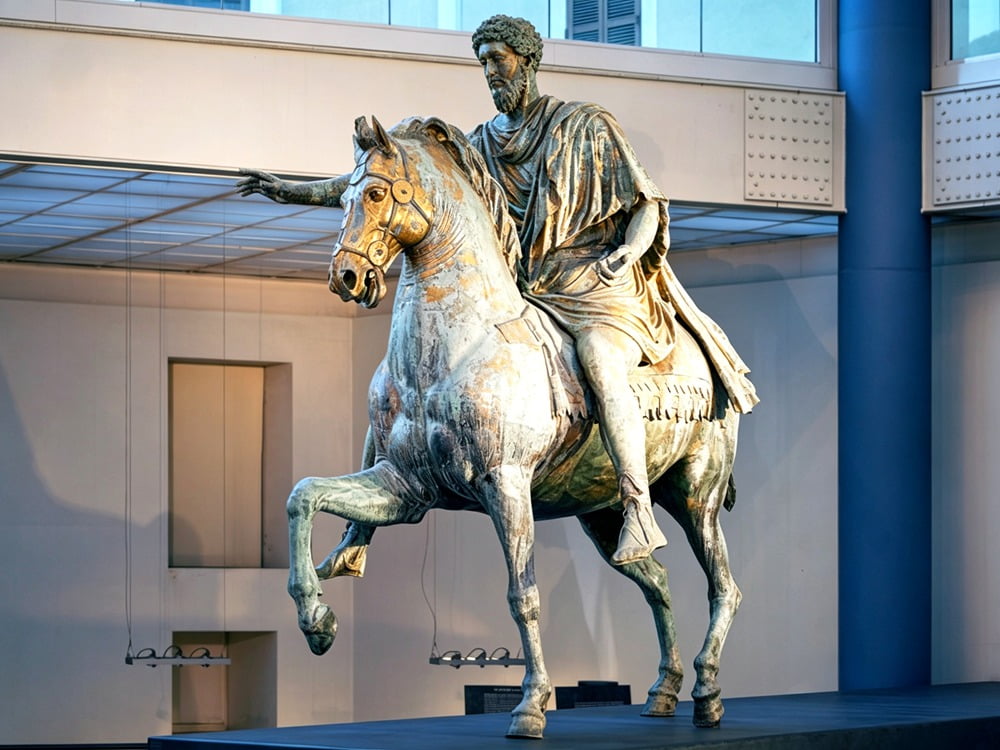
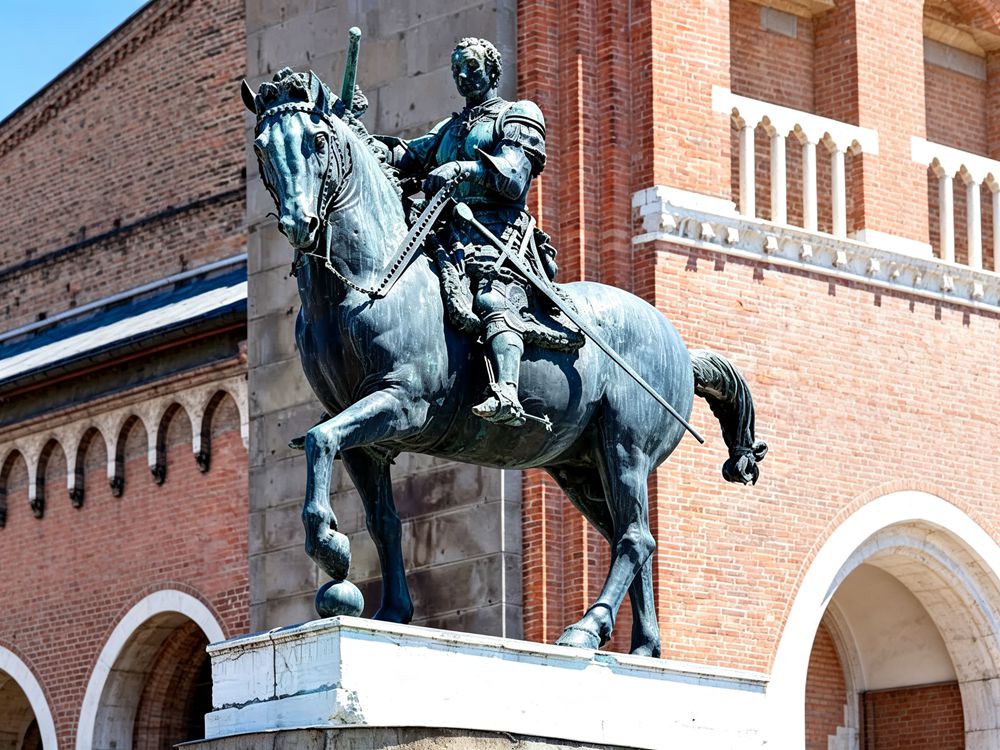
Equestrian Sculptures
Equestrian monuments combined portraiture, military symbolism, and mastery of movement. They became an important form of public sculpture during the Renaissance.
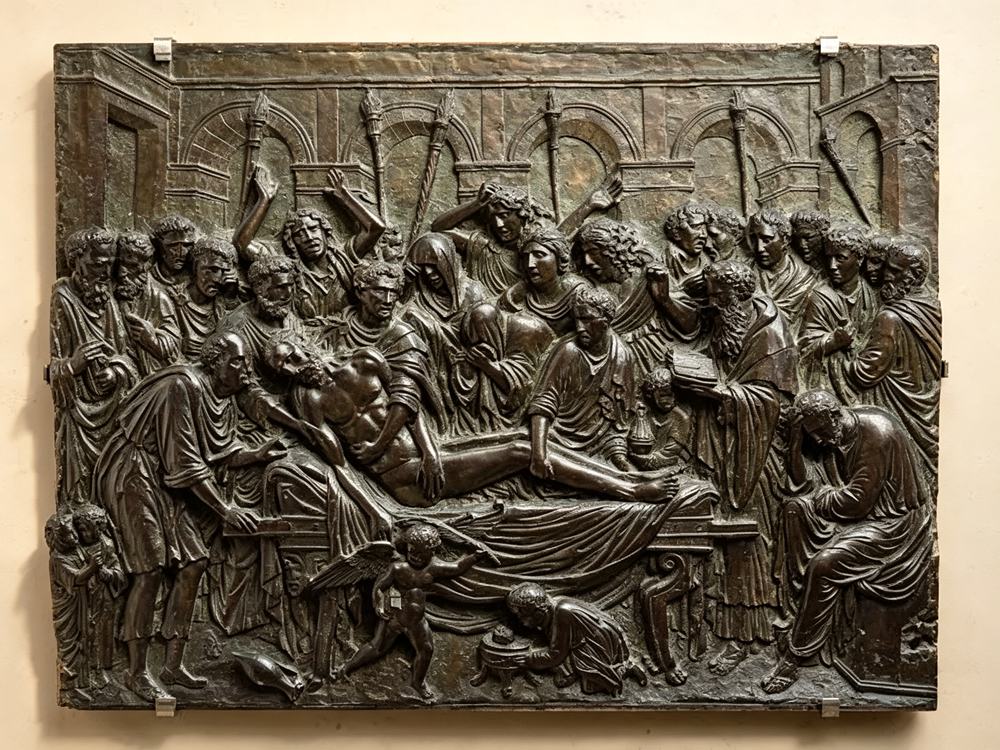
Relief Sculptures
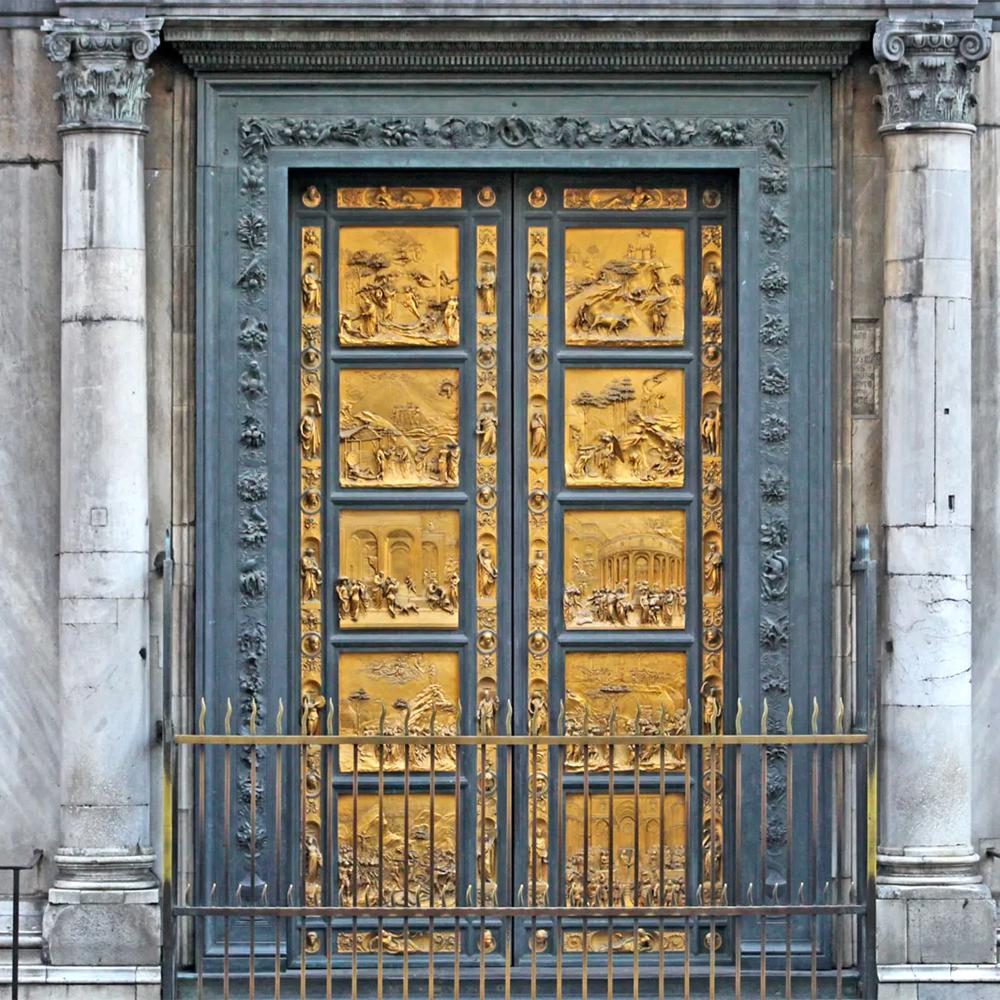
Carved in bas-relief and high-relief, these narrative panels adorned church doors, tombs, and altarpieces, blending sculptural depth with pictorial storytelling.
Characteristics of Renaissance Sculpture
The defining qualities that set Renaissance sculpture apart from medieval traditions and established new standards for figurative art.
Naturalism
Careful observation of the natural world creating convincing proportions and physical presence.
Humanism
Human experience as central subject -- exploring identity, emotion, beauty, and dignity.
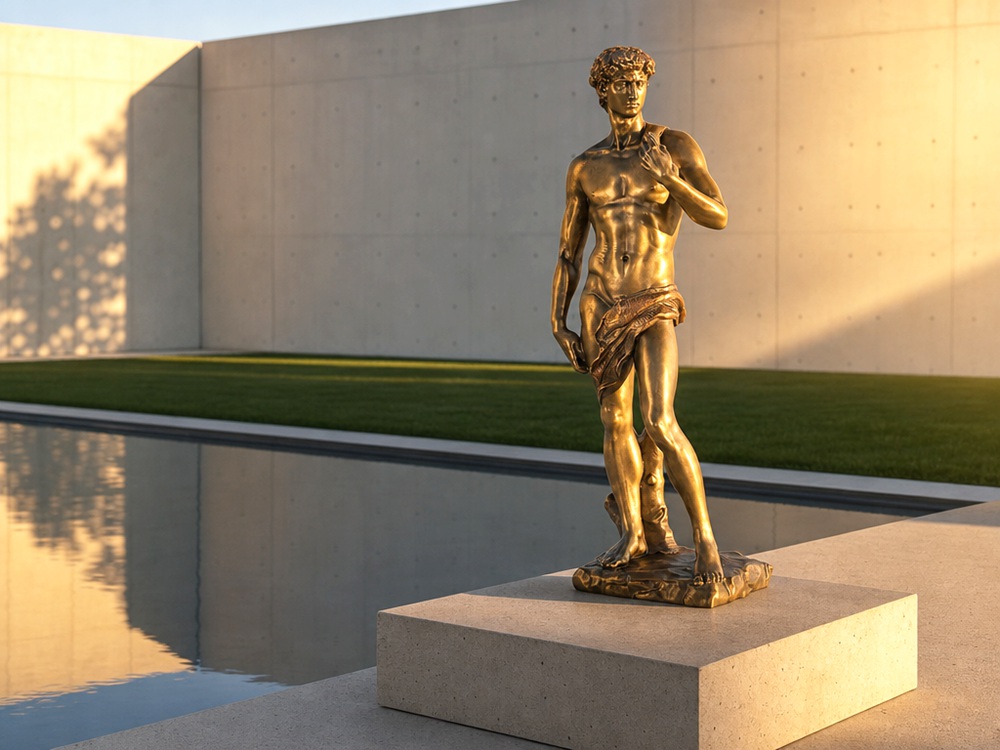
Anatomical Realism
Accurate representation of muscles, bones, posture, and physical movement.
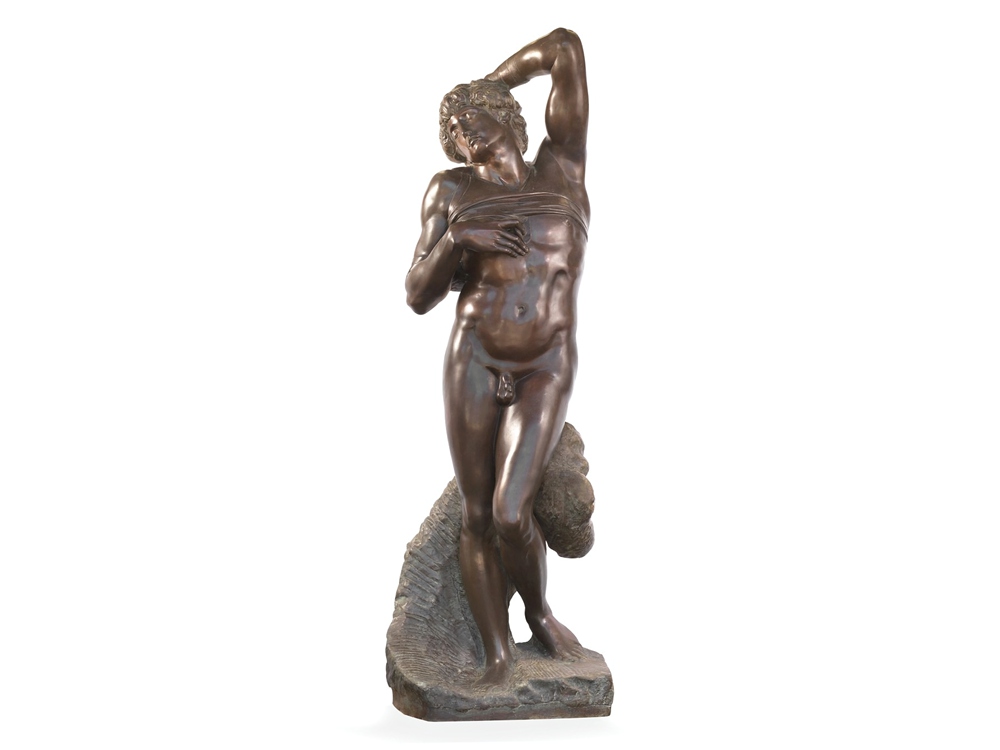
Contrapposto
Weight on one leg creating natural shifts through hips, shoulders, and torso.
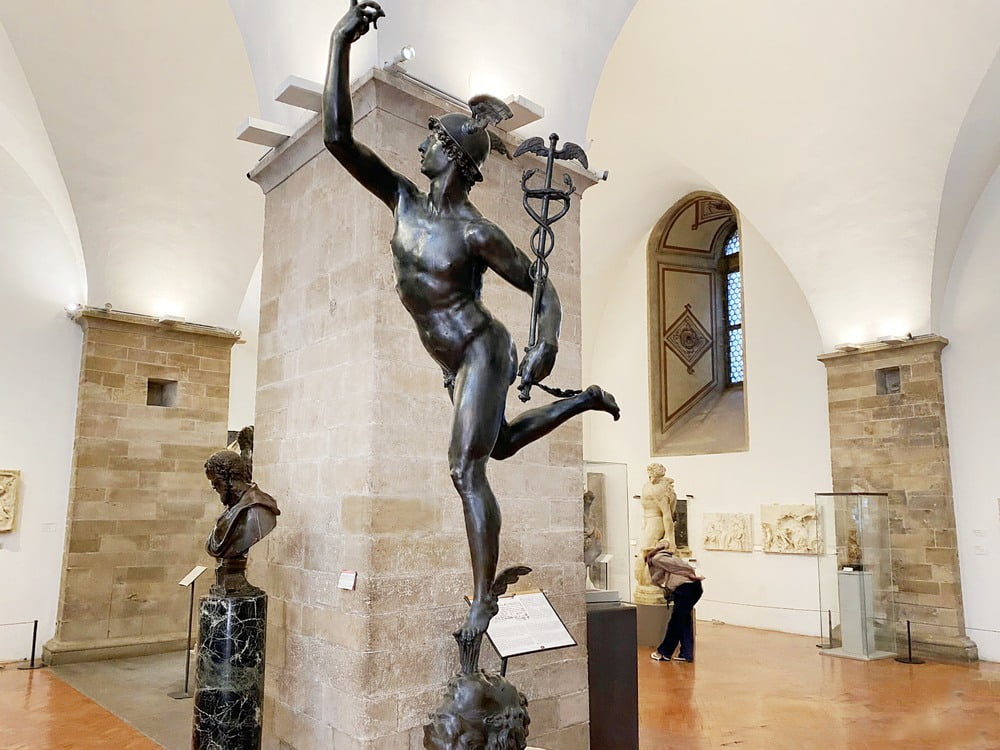
Movement
Dynamic poses, gestures, and facial expressions for emotional impact.
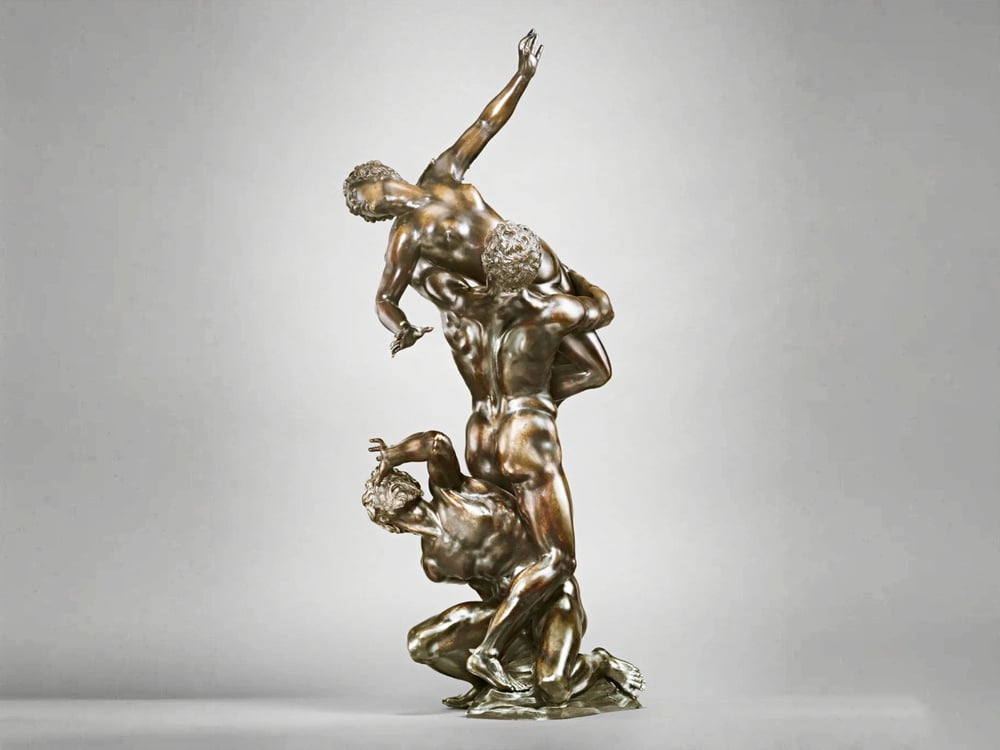
Famous Renaissance Sculptors
The master artists who defined the Renaissance sculptural tradition and whose influence continues to inspire bronze sculpture today.
Michelangelo
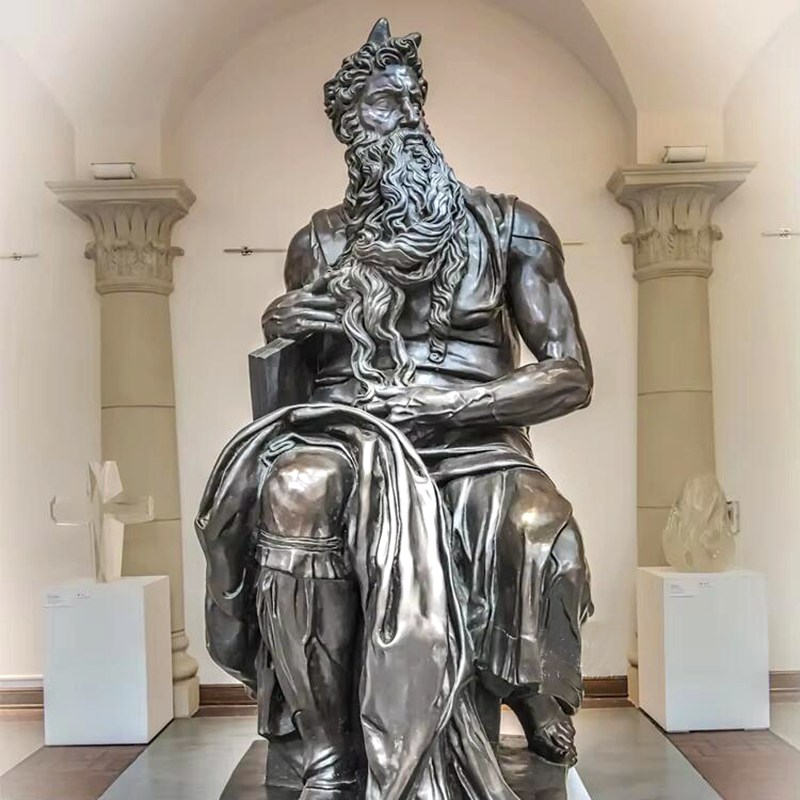
Regarded as one of the greatest sculptors of the Renaissance. His famous works include David, Pietà, and Moses.
Donatello
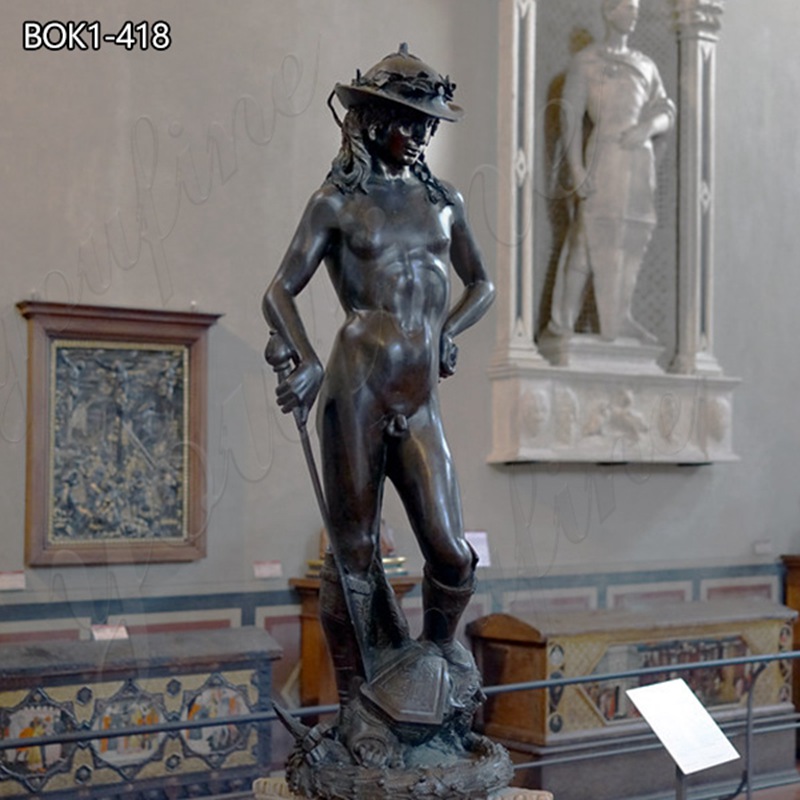
A pioneering sculptor known for naturalistic figures and influential bronze sculptures, including his famous David.
Lorenzo Ghiberti
Best known for the Gates of Paradise, monumental gilded bronze relief panels created for Florence.
Benvenuto Cellini
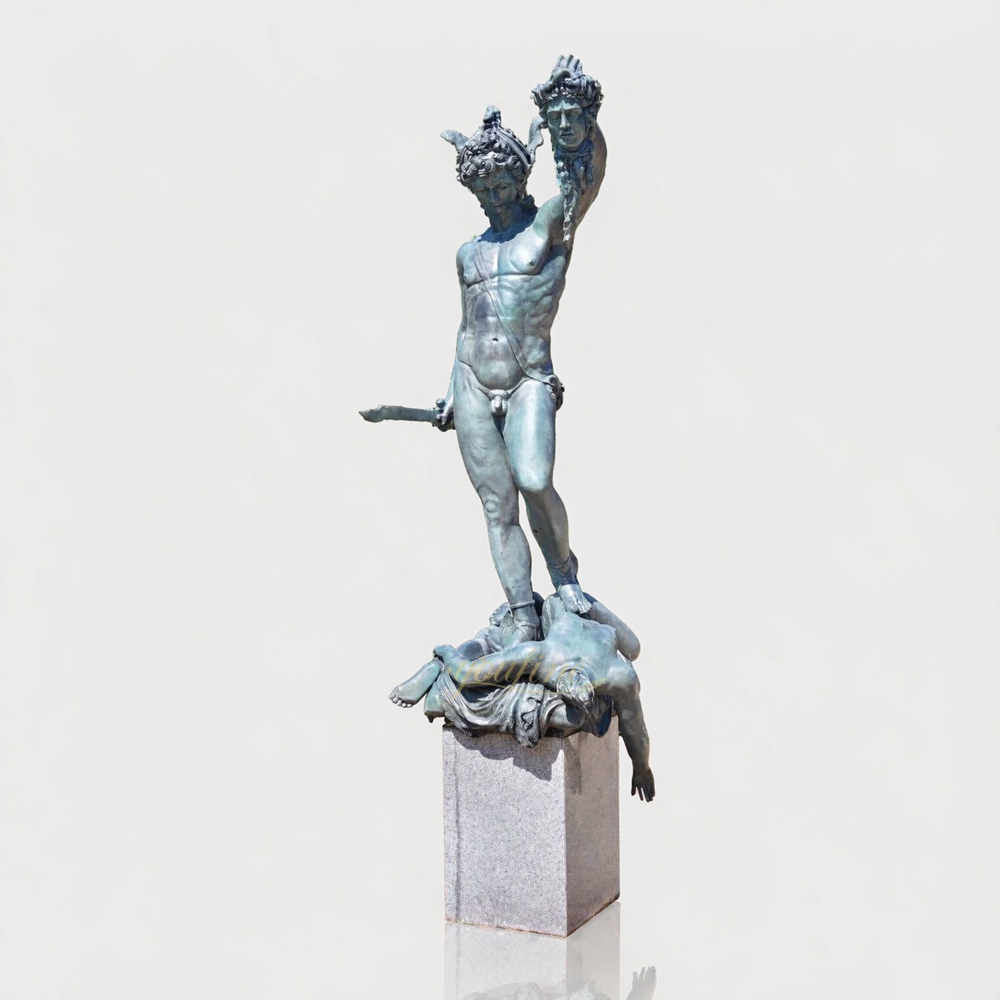
Renaissance goldsmith and sculptor whose Perseus with the Head of Medusa became one of the period's best-known bronzes.
Giambologna
Famous for dynamic compositions including The Rape of the Sabine Women and Mercury.
Andrea del Verrocchio
Influential Florentine sculptor combining naturalistic observation with Renaissance monumentality.
Materials Used in Renaissance Sculpture
The traditional materials that enabled Renaissance artists to achieve their artistic vision.
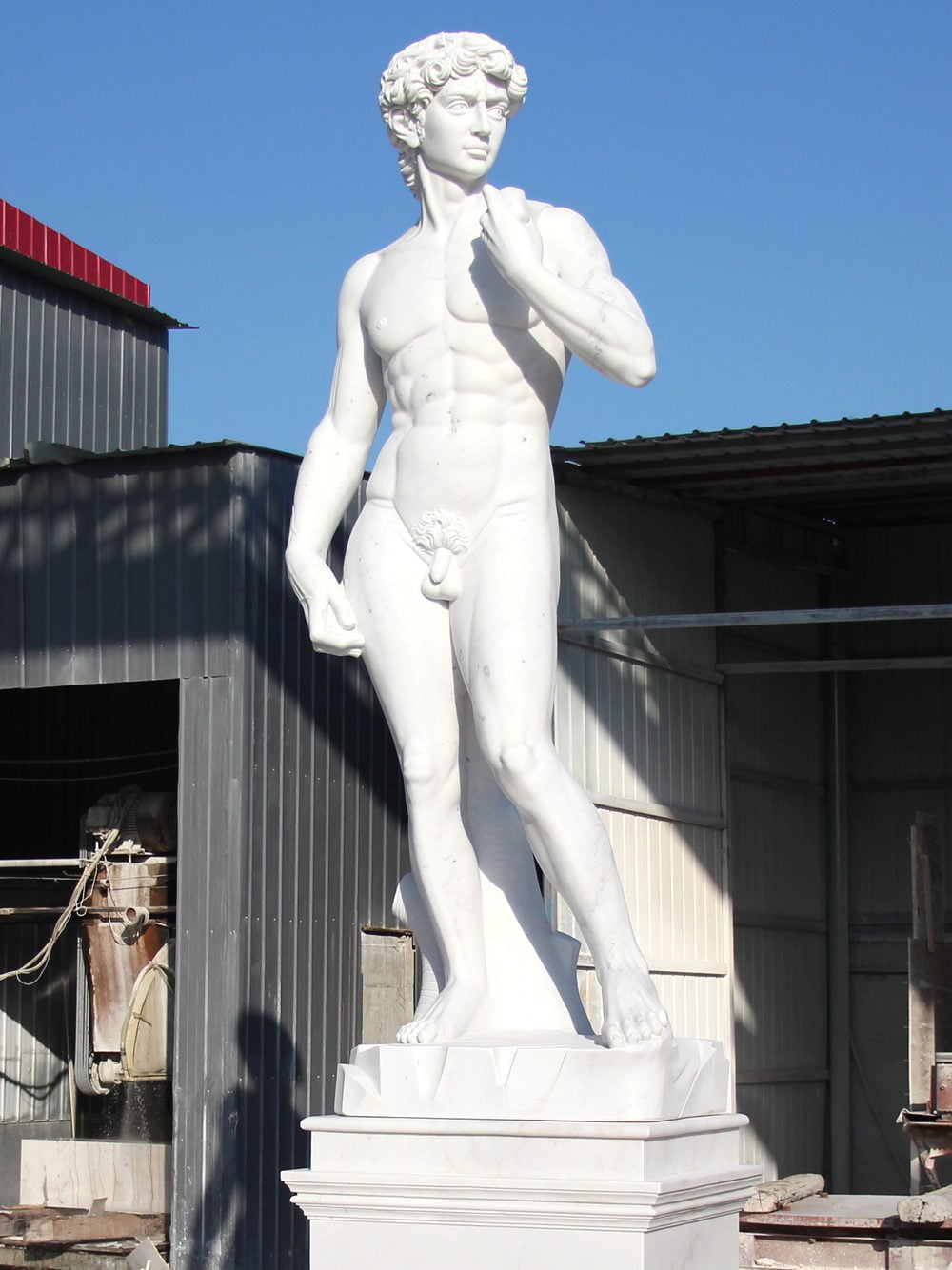
Marble
Marble became one of the defining materials of Renaissance sculpture because it allowed artists to achieve highly refined surfaces and detailed anatomical forms. The luminous quality of Carrara marble made it especially prized for figure sculpture.
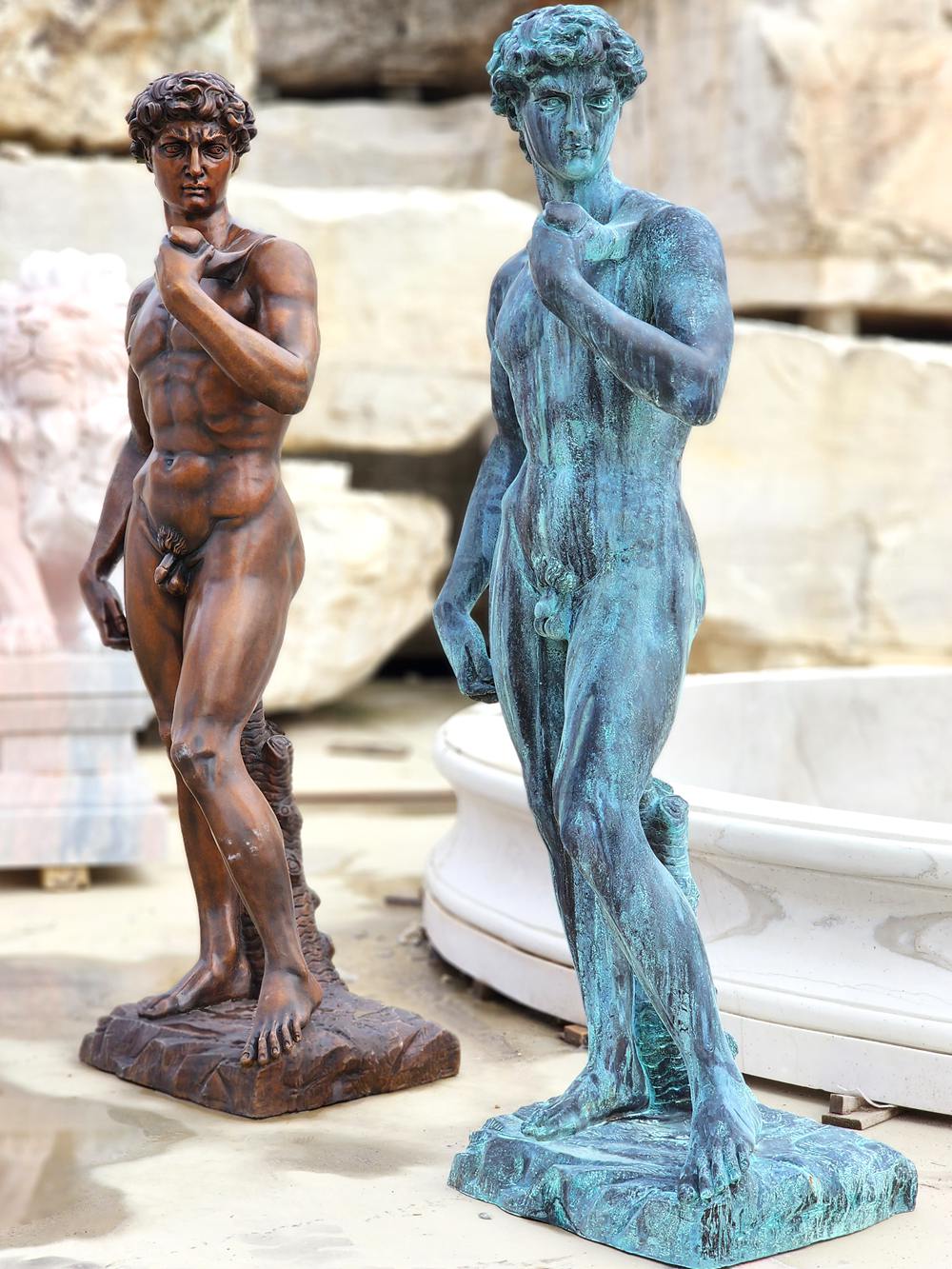
Bronze
Bronze allowed Renaissance sculptors to create detailed figures, complex poses, thin projecting elements, and durable monumental works. Lost-wax casting was particularly important to Renaissance bronze sculpture.
Renaissance Sculpture Replicas & Custom Sculptures
Whether recreating a masterpiece or developing an original Renaissance-inspired work, we bring classical artistry to your vision.
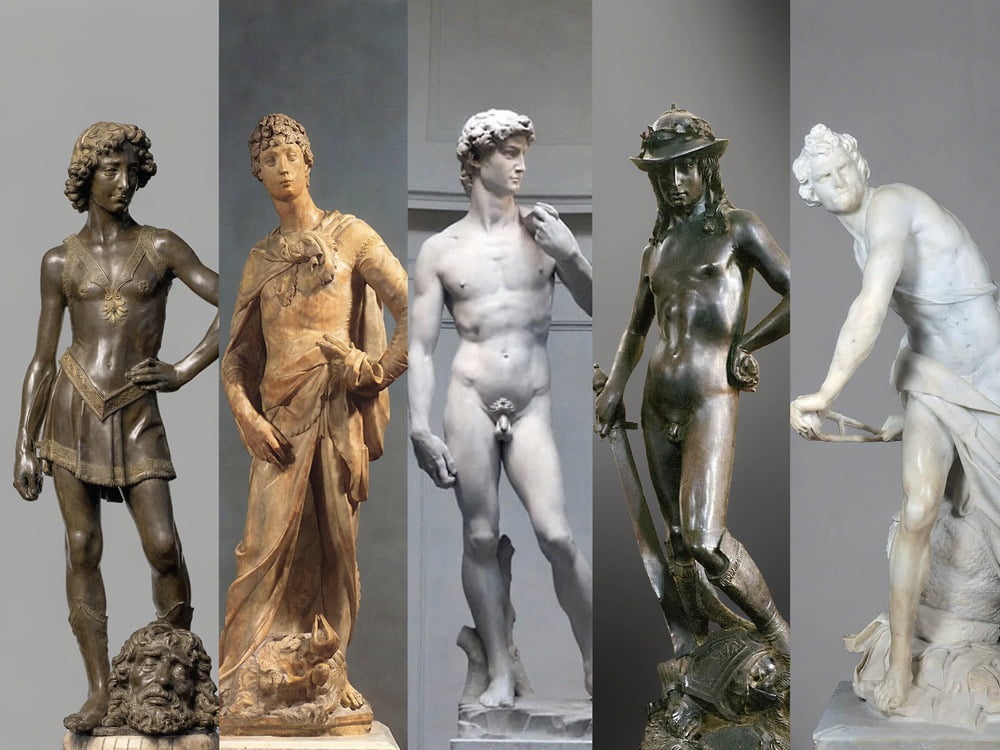
Renaissance Sculpture Replicas
Recreate famous Renaissance sculptures in bronze for private collections, gardens, estates, galleries, architectural projects, and cultural spaces. Replica projects can be produced according to the required dimensions and finish.
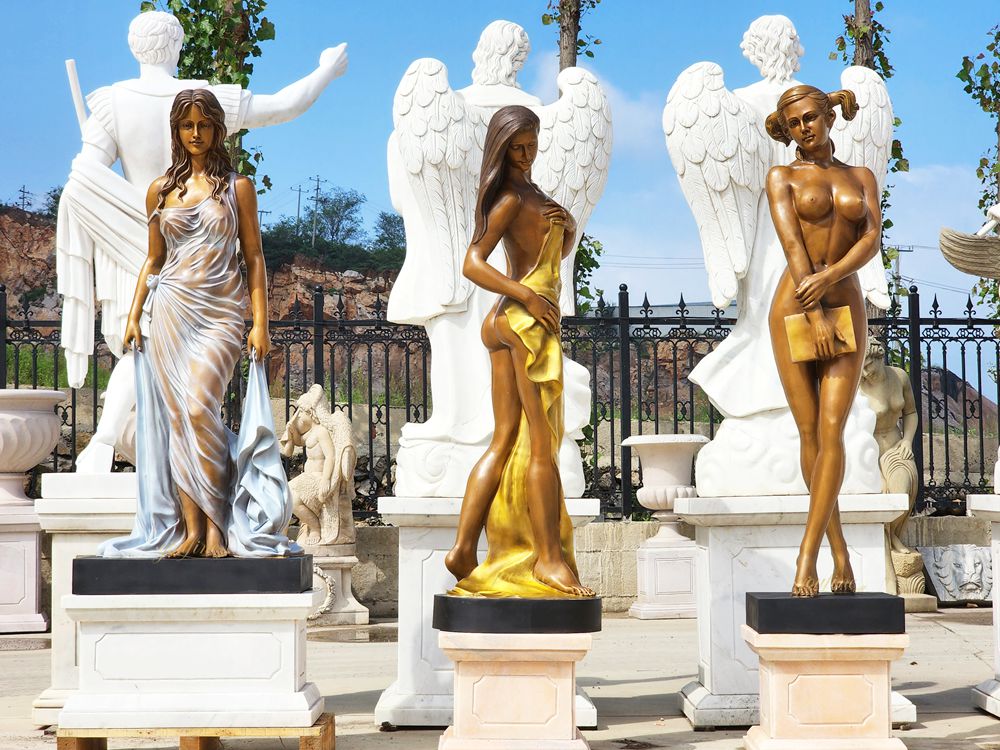
Custom Renaissance-Inspired Sculpture
We can also develop original sculptures inspired by Renaissance proportions, poses, classical subjects, and figurative traditions. Clients can provide reference images, sketches, digital models, or a concept for development.
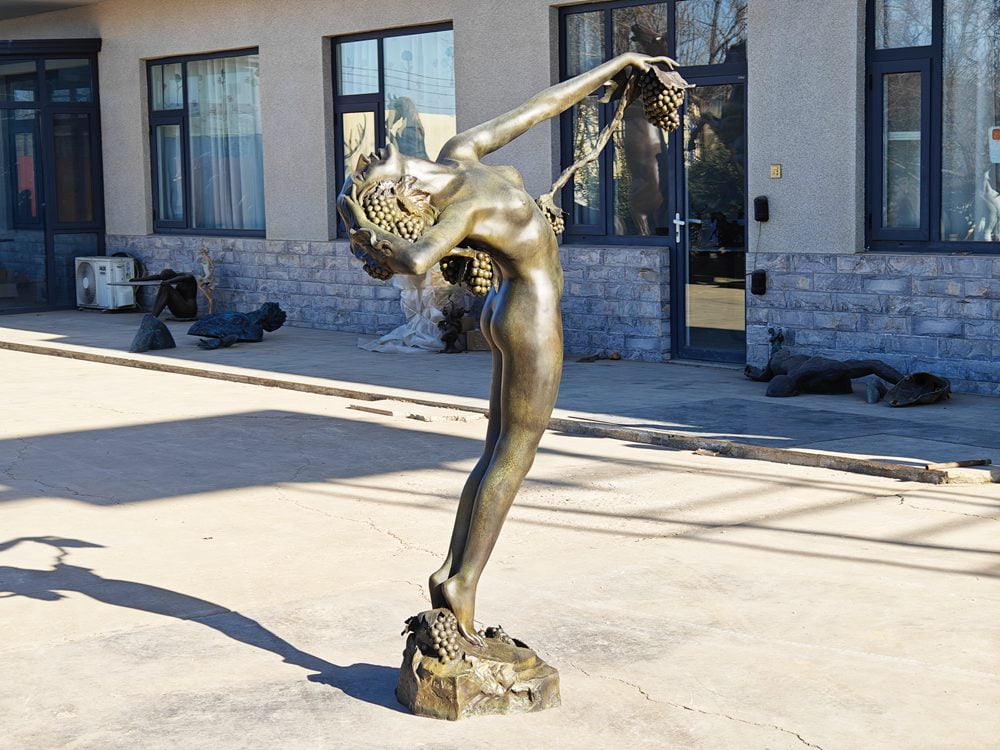
The Legacy of Renaissance Bronze
Bronze played an important role in Renaissance sculpture because it allowed artists to create durable figures with complex poses, fine details, and projecting elements that could be difficult to achieve in other materials.
Renaissance bronze sculpture is especially associated with artists such as Donatello, Ghiberti, Cellini, Verrocchio, and Giambologna. Their works demonstrate the technical possibilities of lost-wax casting together with the Renaissance interest in anatomy, movement, mythology, portraiture, and human expression.
Our bronze Renaissance collection draws on these traditions to create museum-inspired replicas, classical figures, mythological subjects, religious sculptures, and Renaissance-style custom works in bronze.
Creating Renaissance Bronze Sculptures Process
Our traditional process combines artistic modeling with controlled metal casting, following techniques refined over centuries.
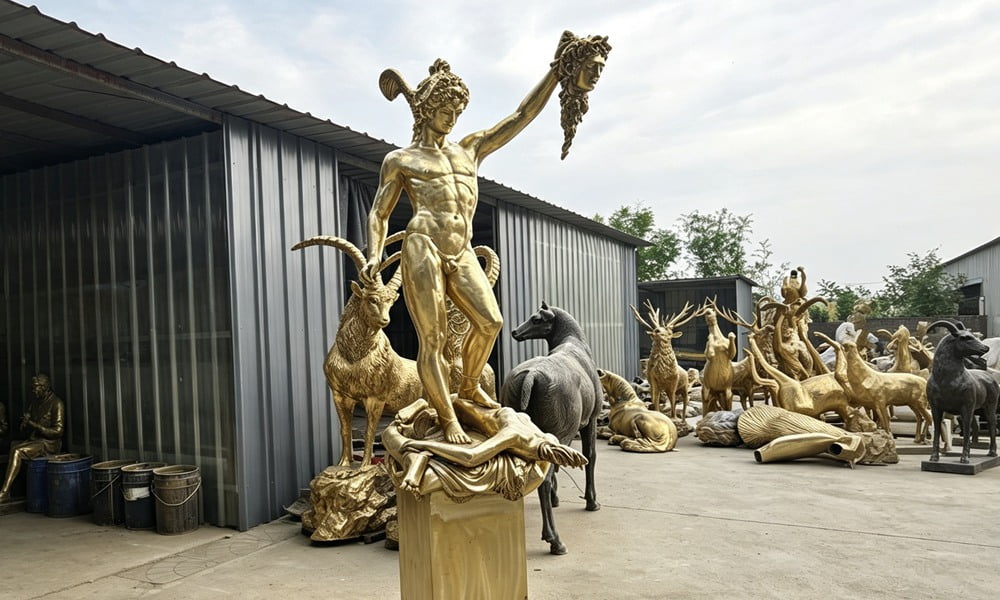
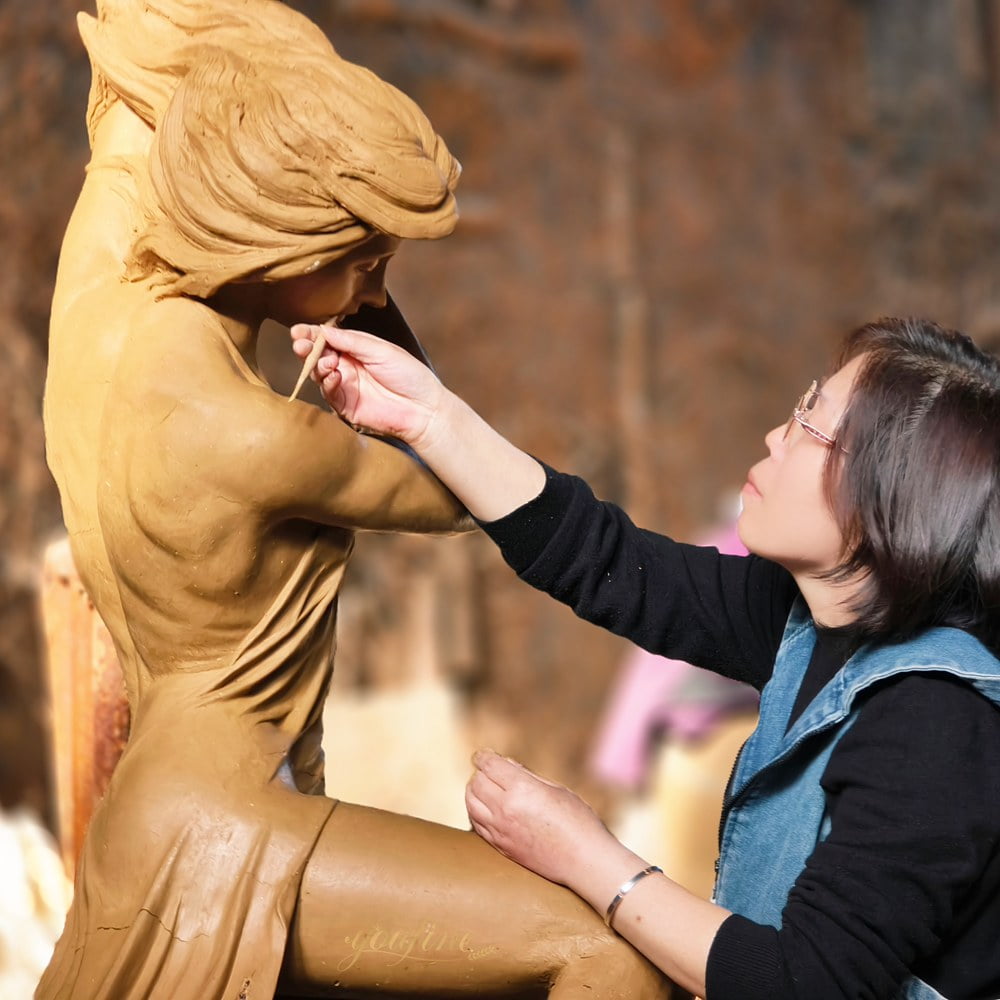
Clay Modeling
The figure is developed in clay to establish anatomy, proportions, pose, expression, and fine details before casting.
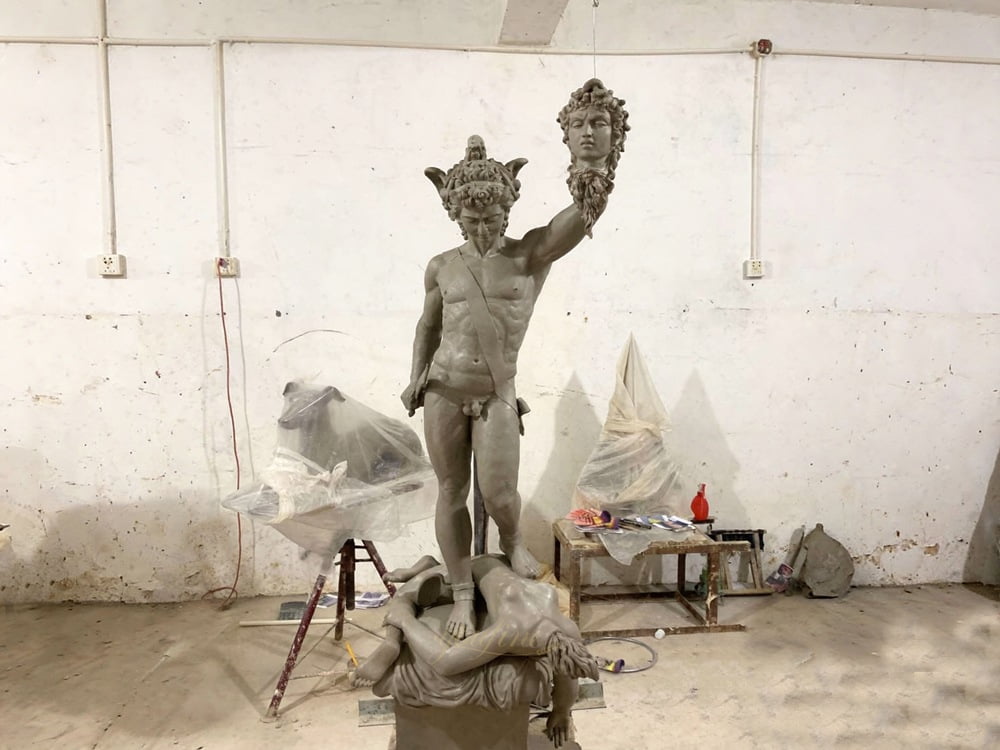
Lost-Wax Casting
The approved model is prepared for bronze casting using the traditional lost-wax process to reproduce detailed surfaces.
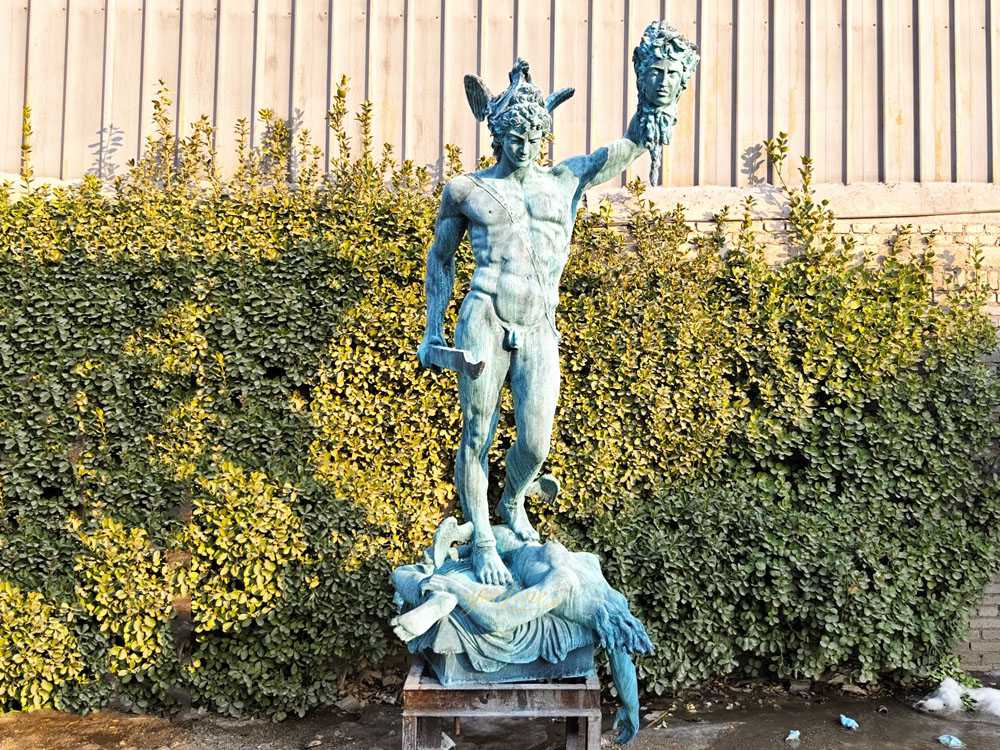
Patina
Chemical patination creates the desired bronze color and visual character, from dark classical finishes to warmer tones.
Frequently Asked Questions
Common questions about Renaissance sculpture and our bronze casting services.
What is Renaissance sculpture?
Renaissance sculpture refers to European sculpture produced during the Renaissance, particularly from the 14th through the 16th centuries. It was strongly influenced by classical Greek and Roman art and emphasized naturalism, human anatomy, proportion, movement, and individual expression.
Who were the most famous Renaissance sculptors?
Major Renaissance sculptors include Michelangelo, Donatello, Lorenzo Ghiberti, Benvenuto Cellini, Giambologna, and Andrea del Verrocchio.
What are the most famous Renaissance sculptures?
Famous Renaissance sculptures include Michelangelo's David, Pietà, and Moses; Ghiberti's Gates of Paradise; Cellini's Perseus; Giambologna's Rape of the Sabine Women; and important equestrian monuments by Donatello and Verrocchio.
What materials were used for Renaissance sculptures?
Renaissance sculptors worked with marble, bronze, wood, and terracotta. Marble was especially important for monumental figure sculpture, while bronze allowed artists to create detailed and complex compositions.
Can Renaissance sculptures be reproduced in bronze?
Yes. Famous Renaissance sculptures can be reproduced in bronze according to the available reference material, required dimensions, surface finish, and installation requirements.
Can you create a custom Renaissance-style bronze sculpture?
Yes. Custom Renaissance-inspired sculptures can be developed from drawings, photographs, reference sculptures, digital models, or an original concept. Size, pose, details, patina, and finishing can be customized for the project.
How long does it take to make a custom Renaissance bronze sculpture?
Production time depends on the sculpture's size, complexity, modeling requirements, and quantity. A project timeline can be established after the design and specifications have been confirmed.
Where can Renaissance bronze sculptures be installed?
Renaissance bronze sculptures can be used in private gardens, estates, villas, galleries, museums, courtyards, architectural spaces, and other indoor or outdoor settings.
Commission a Custom Renaissance Bronze Sculpture
Looking for a Renaissance sculpture replica or an original bronze sculpture inspired by Renaissance art? Share your reference images, preferred size, subject, and installation requirements with our sculpture team. We can help develop the concept, create the model, cast the sculpture in bronze, and prepare it for delivery.
+86 17897571005
sales@you-fine.com
Quyang County, Hebei Province, China
Request a Free Quote
Fill out the form below and we will respond within 8 hours.