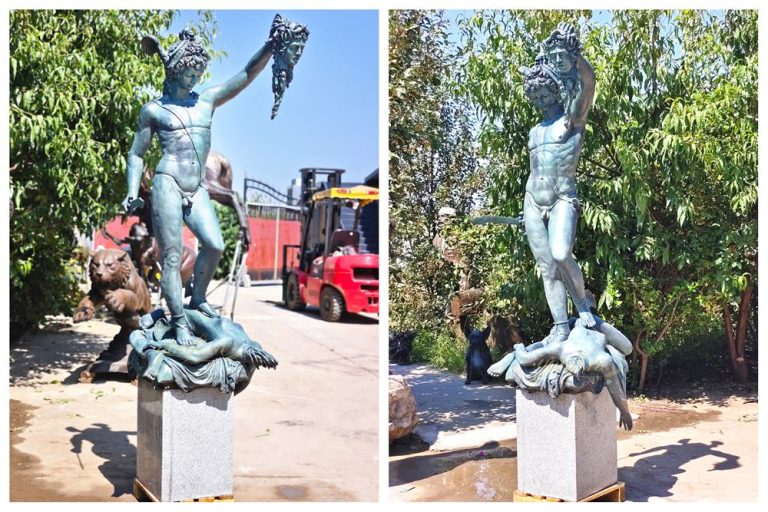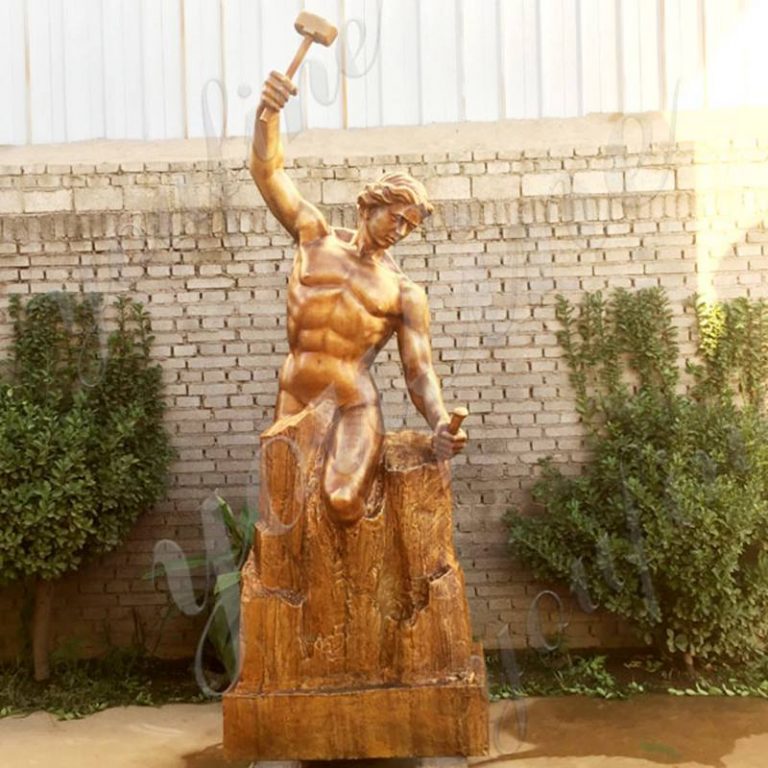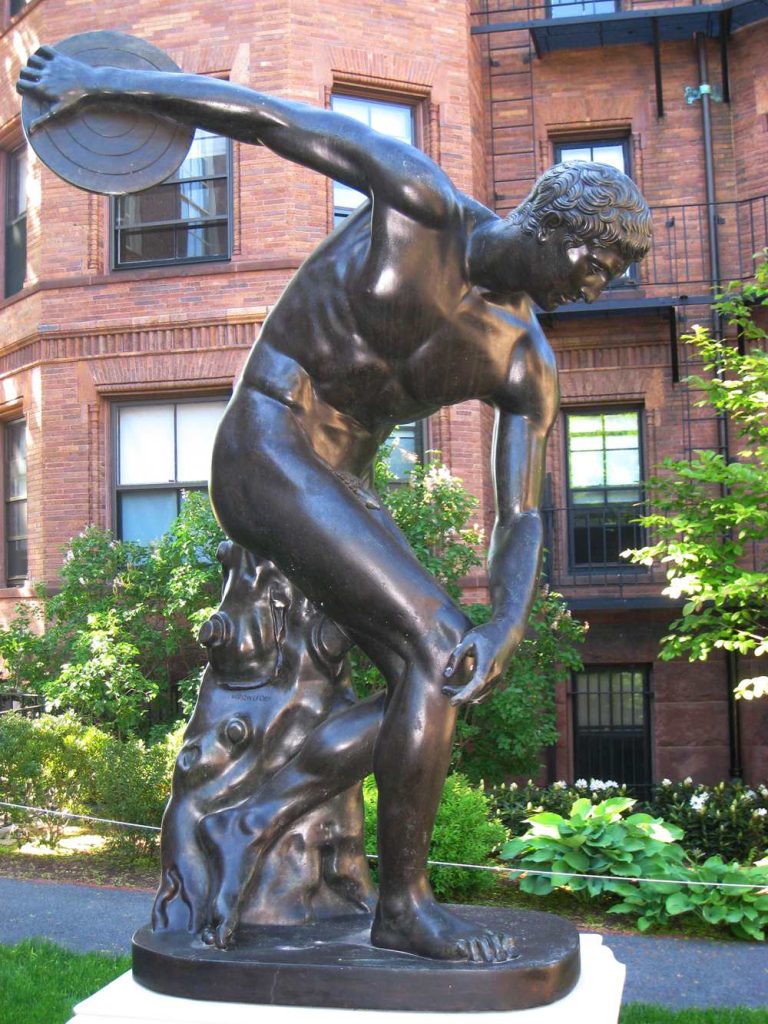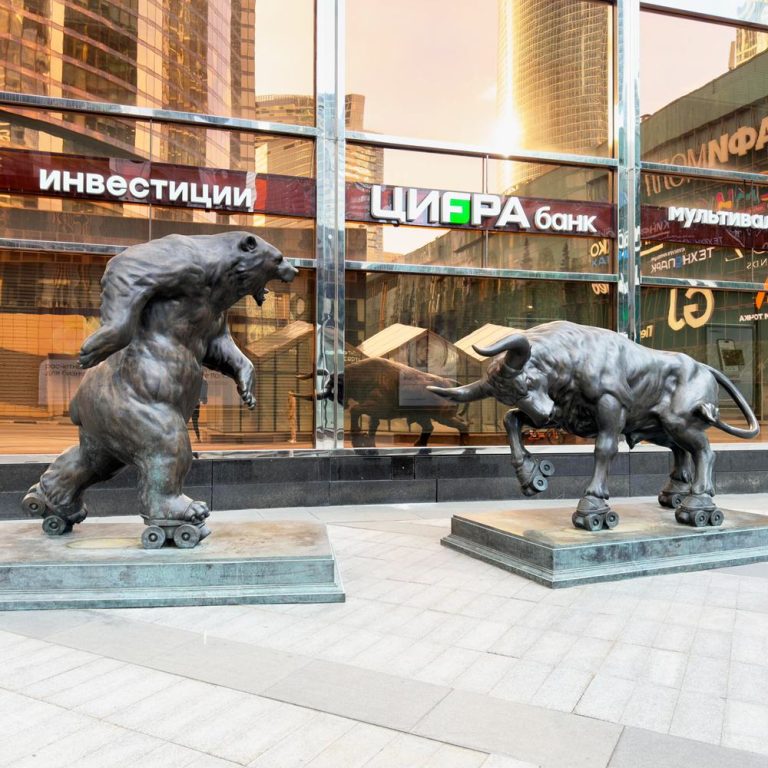

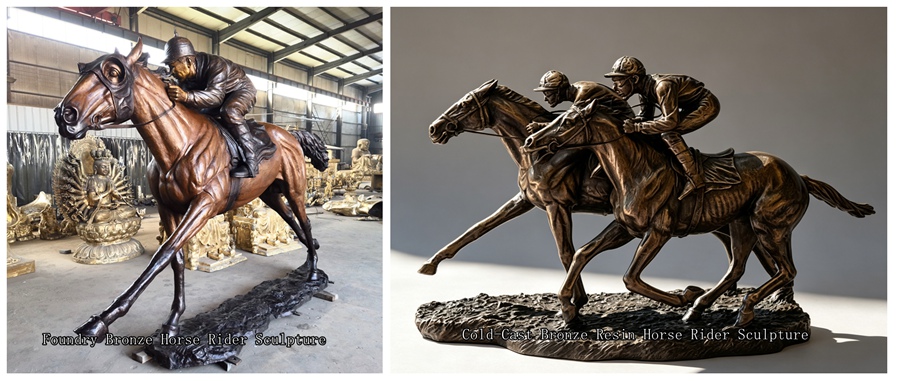
Foundry Bronze Metal is a traditional material composed of a copper-tin alloy. Produced using the intricate lost-wax casting process, it boasts exceptional durability and a unique texture, making it suitable for long-term preservation in both indoor and outdoor environments—and an excellent choice for art investment. Cold Cast Bronze Resin, conversely, is a composite material created by blending bronze powder with resin; it offers a lower cost and lighter weight, making it well-suited for interior decoration.
What is Foundry Bronze Metal?
Foundry Bronze—also known as “Hot Cast Bronze”—is a traditional sculptural material with a casting history of thousands of years. It is a metal alloy composed primarily of copper and tin, renowned throughout the industry for its exceptional durability, structural strength, and timeless aesthetic appearance.
The Production Process
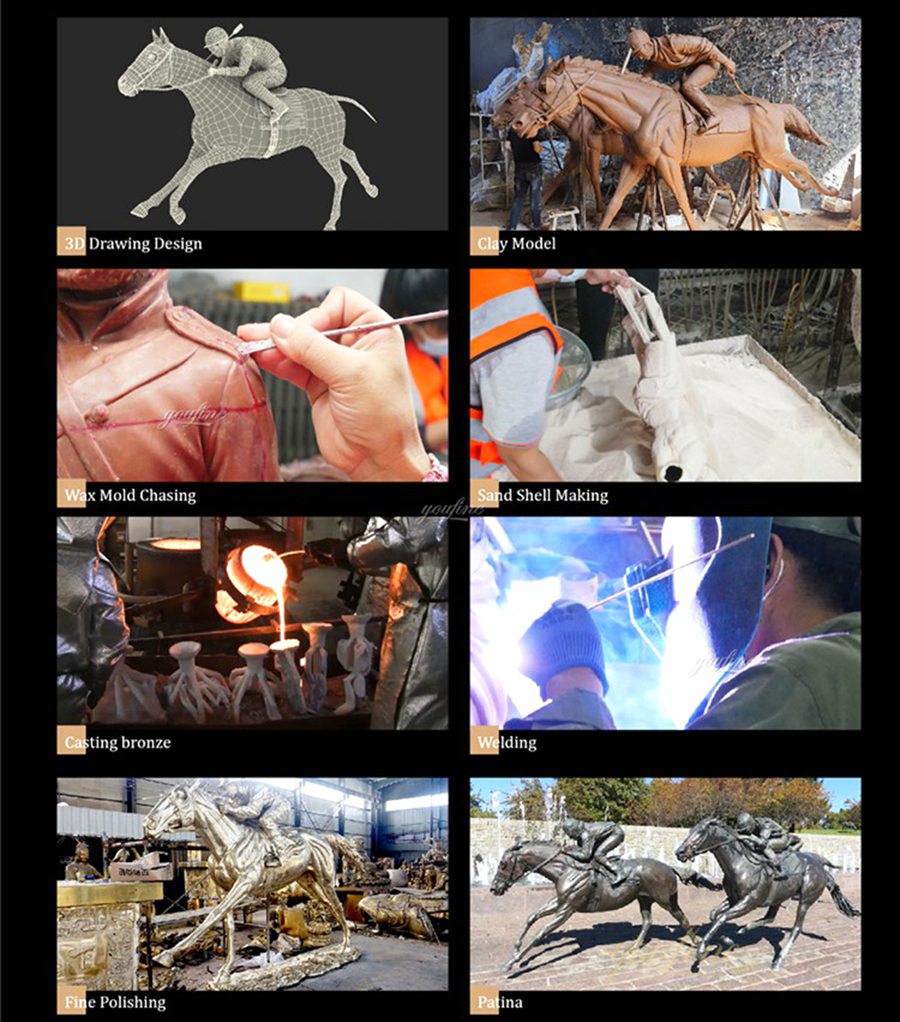
Foundry bronze sculptures are created using the “lost-wax casting” method. This is an ancient and intricate process, the steps of which typically include:
- Creating a clay model.
- Creating a wax model of the sculpture.
- Coating the exterior of the wax model with a layer of sand shell to form a mold.
- Heating the mold to melt and drain away the internal wax, thereby creating a hollow cavity within the mold.
- Pouring molten bronze (heated to approximately 1200°C) into the mold.
- Breaking away the sand mold to extract the newly formed bronze sculpture.
- Finally, welding, polishing, and applying a “patina” treatment to give the sculpture its unique surface finish.
To learn more about the bronze casting process, please click: Bronze Sculpture Casting Process.
What Is Cold Cast Bronze Resin?
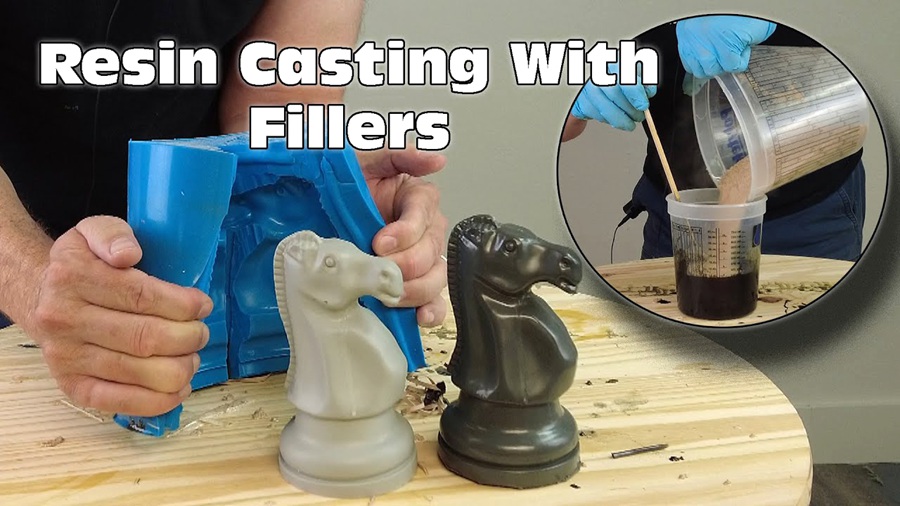
Cold cast bronze, also known as bronze resin, is a composite material made by mixing real bronze powder with a resin, such as polyester or epoxy. The mixture is poured into a reusable rubber mold to create the final sculpture.
The Process
- Real bronze powder is combined with resin to form a liquid mixture.
- The mixture is poured or brushed into a mold, forming a thin outer layer.
- The interior may be reinforced with fiberglass or other materials for added strength.
- The surface is polished and treated with color to mimic the appearance of foundry bronze.
Key Differences Between Foundry Bronze and Cold Cast Bronze Resin
In the process of sculpture creation and purchase, cast bronze metal and cold-cast bronze resin represent two of the most common material choices. While they may appear similar in appearance, they actually differ in terms of composition, manufacturing process, durability, and intended application. Below, we present a concise comparison table to provide you with a quick overview of the key distinctions between these two materials.
| Feature | Foundry Bronze Metal | Cold Cast Bronze Resin |
| Material Composition | Copper and tin alloy (metal). | Bronze powder mixed with resin (composite material). |
| Durability | Extremely durable, lasts for centuries. | Less durable, lifespan of 35–100 years (with care). |
| Weight | Heavier due to solid metal composition. | Lighter but can be weighted with fillers. |
| Cost | Higher cost due to the material and labor-intensive process. | More affordable and quicker to produce. |
| Sound | Produces a clear metallic sound when tapped. | Produces a dull, plastic-like sound. |
| Appearance | Rich patina, deeper color, and unique texture. | Mimics bronze but lacks the same depth and authenticity. |
| Applications | Ideal for outdoor and public spaces due to its strength. | Suitable for indoor use or decorative purposes. |
Features of Foundry Bronze
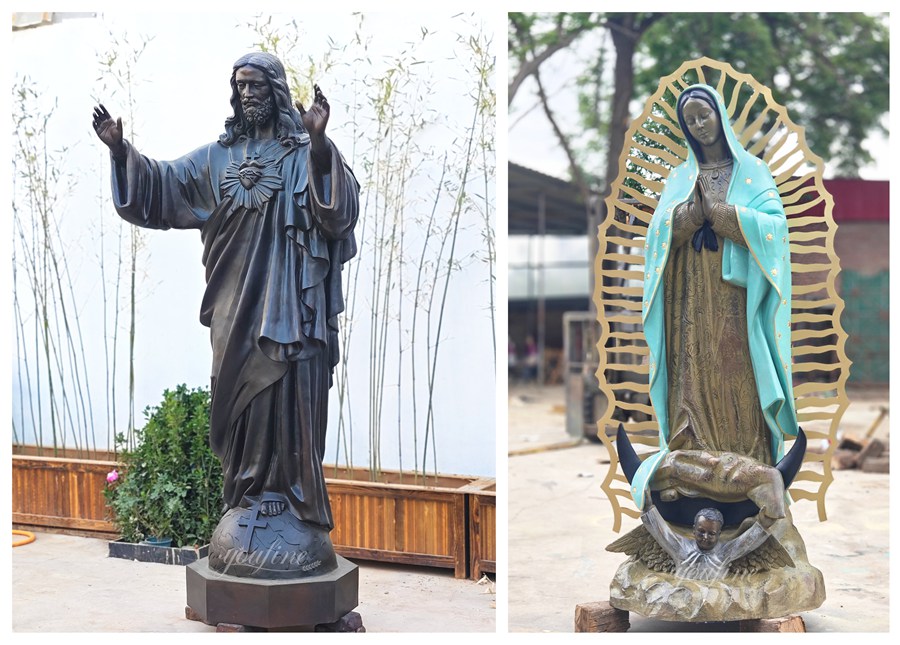
Durability: Foundry bronze sculptures are incredibly strong and can last for centuries when properly cared for. They are highly resistant to weathering and corrosion, making them ideal for outdoor displays.
Timeless Beauty: The natural patina that develops over time enhances the sculpture’s appearance, giving it a rich and vibrant color.
Investment Value: Foundry bronze is considered a premium material, making sculptures crafted from it a valuable and long-lasting investment.
Features of Cold Cast Bronze Resin
Affordability: Cold cast bronze sculptures are typically more budget-friendly than foundry bronze, making them an accessible option for many buyers.
Lightweight: These sculptures are generally lighter, making them easier to transport and install.
Quick Production: The manufacturing process is faster and less labor-intensive compared to foundry bronze.
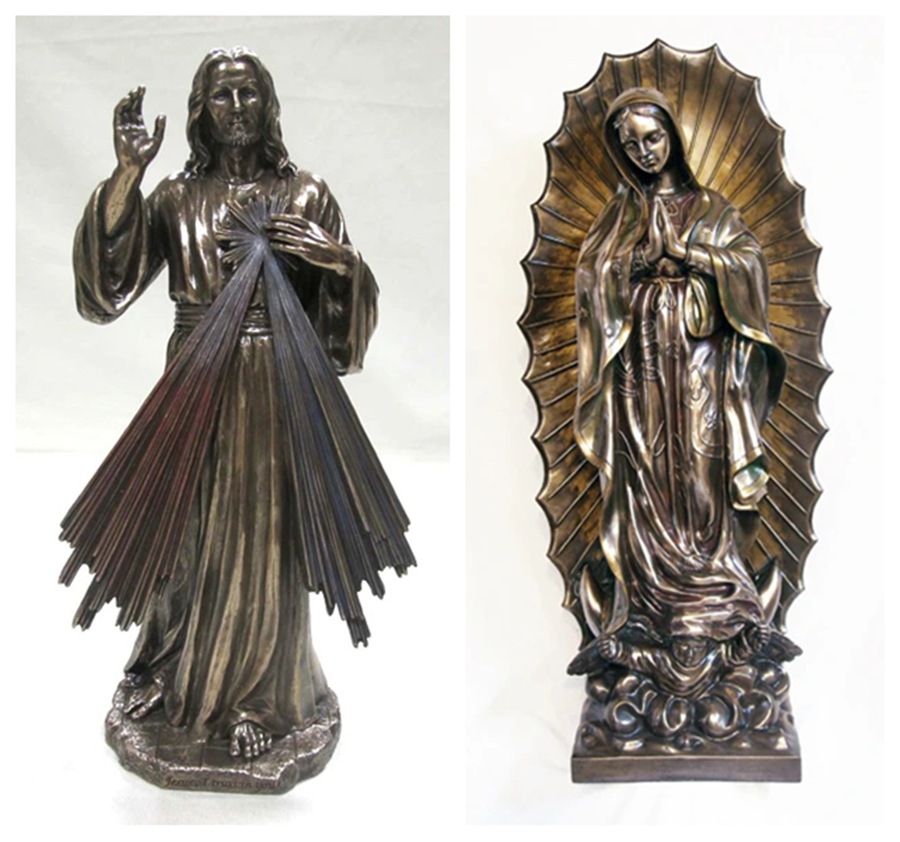
How to Distinguish Between Traditional Cast Bronze and Cold Cast Bronze
If you wish to determine whether a sculpture is made of traditional cast bronze or cold cast bronze resin, consider the following tips:
Sound Test
Sound is often the most definitive indicator. You can gently tap the sculpture with a nearby metal object. Traditional cast bronze will produce a crisp, resonant metallic ring, whereas cold cast bronze resin will yield a duller, more muted sound.
Color Characteristics
Traditional cast bronze typically exhibits a more refined, deep, and rich coloration, and its surface patina (aging effect) appears more natural and authentic. While cold cast bronze resin can visually resemble the real thing, it often lacks the depth and luster of traditional bronze, sometimes giving off a plastic-like impression.
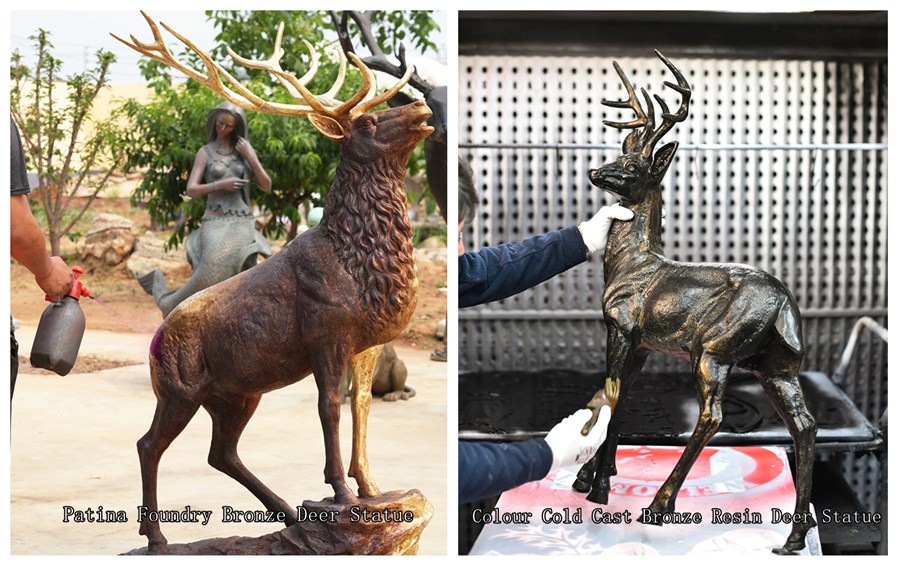
Scratch Test
Note that scratching can potentially damage a sculpture, so this method is generally not recommended. However, you may gently scrape a small, inconspicuous area of the piece. If it is cast bronze, the scraped area will reveal the underlying metallic texture; if it is cold cast bronze resin, it will likely expose a core made of resin or a plastic-like material.
Temperature Test
As a metal material, traditional cast bronze typically feels cool to the touch. However, if the sculpture has been exposed to direct sunlight for an extended period or kept in an extremely cold environment, the results of this test may be misleading.
Weight Test
This test is not always conclusive. Traditional cast bronze is typically heavier than cold cast bronze resin. However, please be aware that some cold cast bronze sculptures may be internally weighted to simulate the heft and density of genuine bronze.
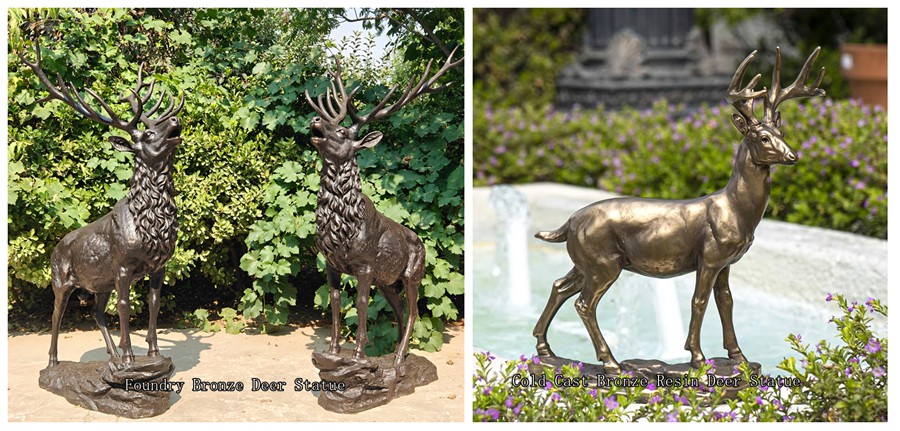
Which One Should You Choose?
The choice between foundry bronze and cold cast bronze resin depends on your needs, preferences, and budget. Here are some factors to consider:
For Outdoor or Public Art: Foundry bronze is the best choice due to its durability and resistance to weathering and physical influence. If your sculpture is to be placed outdoors in a garden or by the water year-round, enduring wind and rain, then cast bronze is the best option.
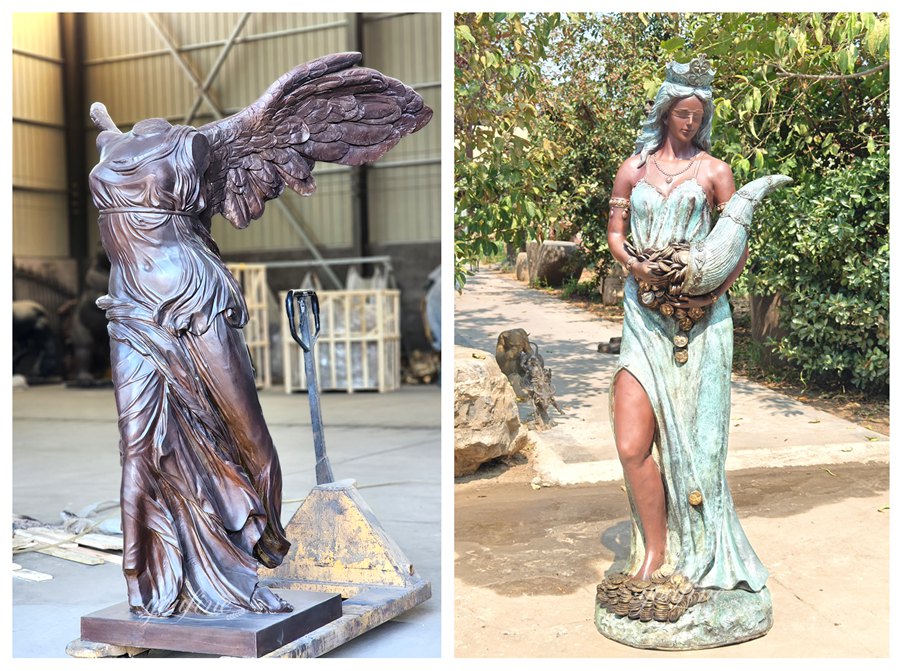
For Indoor Decoration: Cold cast bronze resin is a more affordable and lightweight option, making it ideal for less demanding environments. If, however, you are simply looking for an interesting decorative piece for your dining room or living room, and weight is a limiting factor, then a cold-cast sculpture would be a suitable choice.
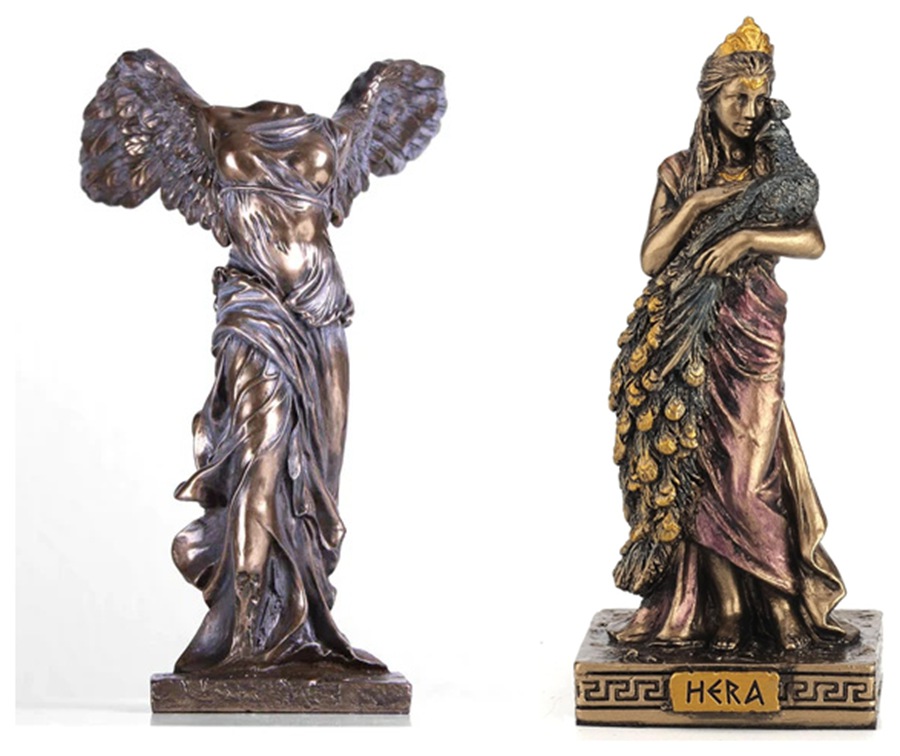
For Investment: Foundry bronze holds its value better over time and is considered a premium material for collectors. Some contemporary artists have begun to use the cold-casting method to create their works, which also has a certain degree of collectible value.
Case Study: Real vs. Fake Replica Bronze Sculptures
To illustrate the differences, here’s a real example:
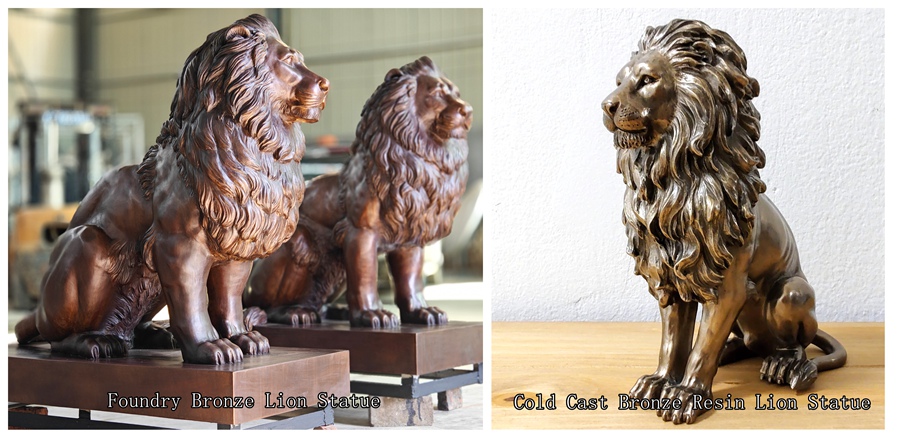
Foundry Bronze Lion Sculpture: A life-size lion statue crafted using the lost-wax method. It has a deep patina, weighs significantly more, and has been displayed outdoors for decades with minimal wear.
Cold Cast Bronze Resin Lion Sculpture: A similar lion statue with a bronze-like appearance but lighter weight. After a few years outdoors, it developed small cracks due to weather exposure.
This comparison highlights the importance of understanding the material’s properties and choosing the right one for your specific needs.
Conclusion
Now that you have a comprehensive understanding of the differences between cast bronze metal and cold-cast bronze resin, you can make a well-informed decision based on your specific needs. Cast bronze is known for its longevity, lifelike detail, and potential investment value, while cold-cast bronze resin offers a more economical and lightweight alternative, suitable for various applications where flexibility in material is preferred.
If you have any further questions or need assistance, please don’t hesitate to reach out to us. At YouFine Bronze Gallery, we take pride in using the traditional “lost-wax casting” method to create authentic bronze sculptures with exceptional detail and quality. Whether you’re looking for a striking centerpiece for your home, a durable outdoor sculpture, or a timeless piece of art, we’re here to help you find the perfect fit for your needs.
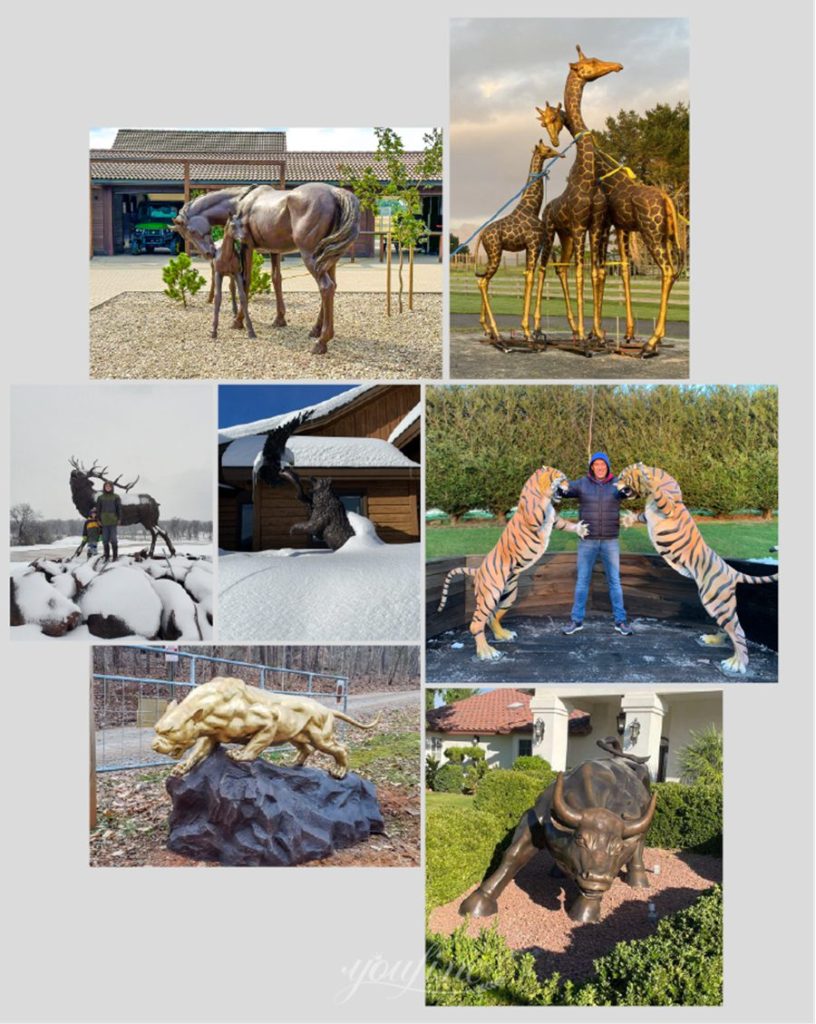
You could contact us today to learn more about our services or to commission a custom-made bronze sculpture tailored specifically to your vision. Based on the expertise of our factory artists and our service team’s commitment to quality, we guarantee that your investment in a bronze sculpture will become a cherished heirloom.
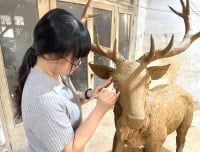
Panda, a 20-year veteran of bronze casting, is one of the co-founders and lead artisan of YouFine Art Bronze Foundry. Deeply rooted in the foundry, she has mastered every detail of the craft. Her expertise guarantees that each sculpture embodies the highest standards of quality and artistic integrity.