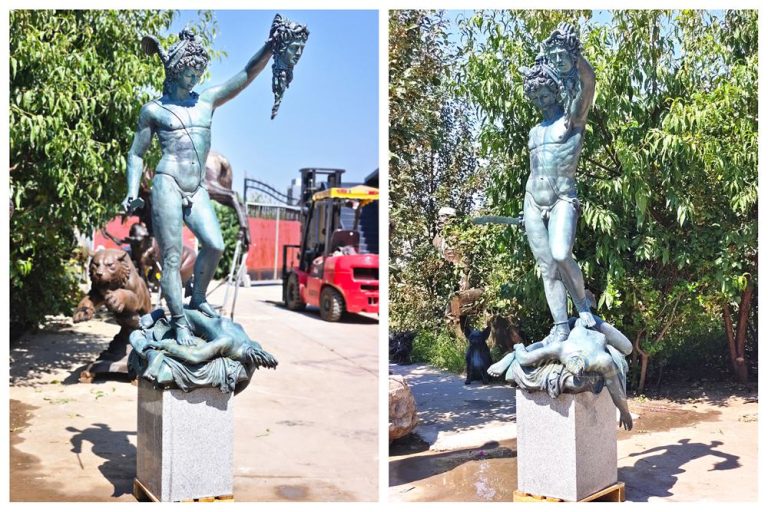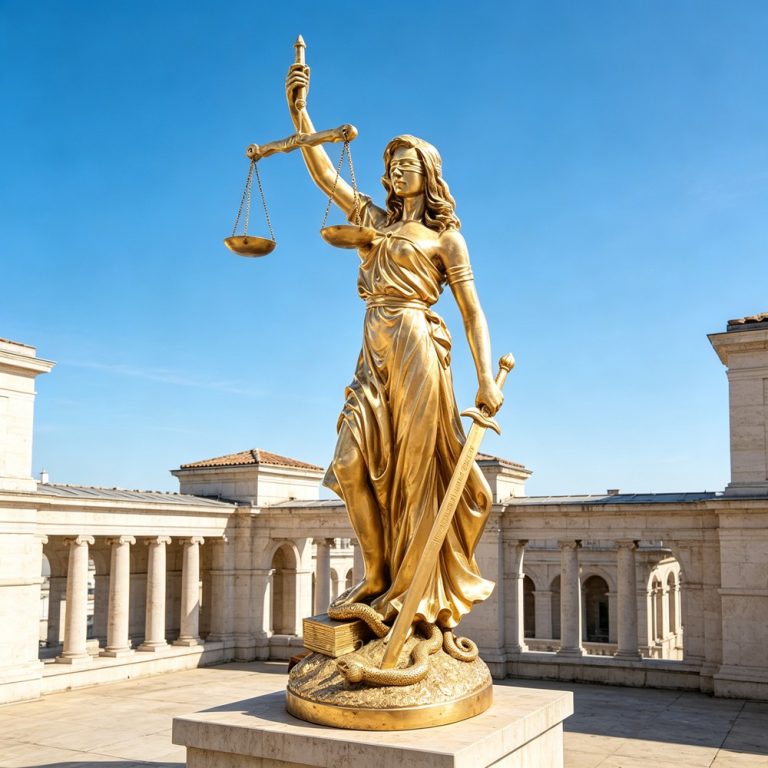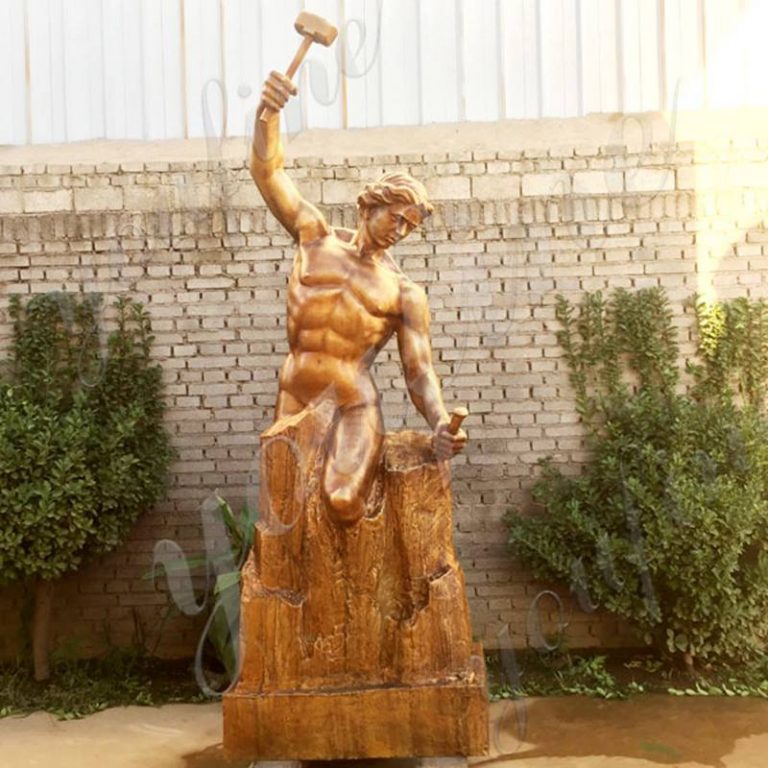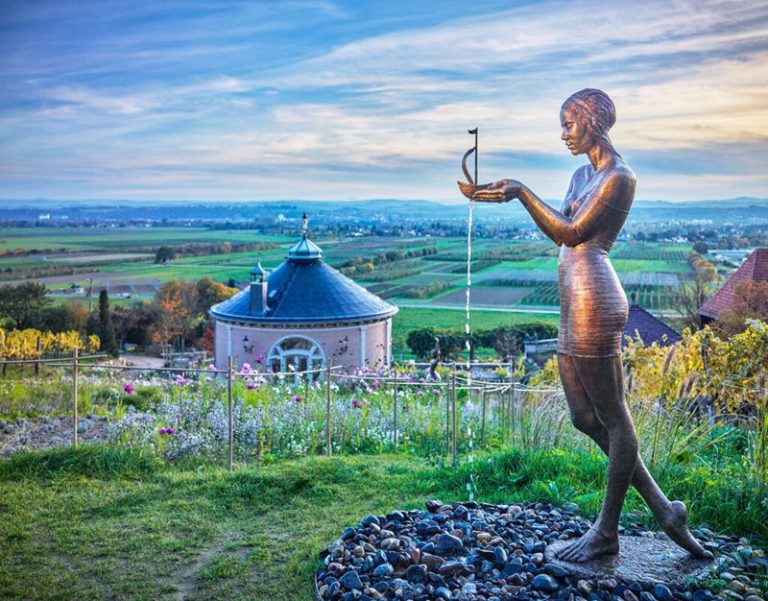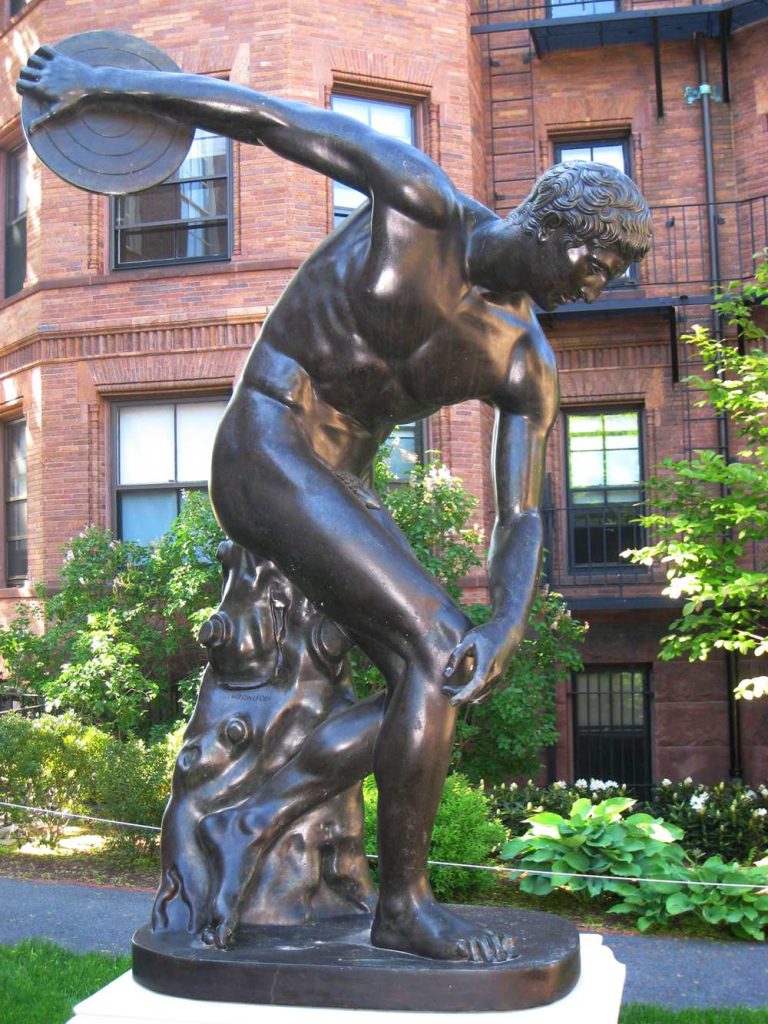

Greek and Roman mythology are closely connected, which is why many gods in classical sculpture look surprisingly similar.
Zeus and Jupiter both represent supreme divine power. Aphrodite and Venus are both connected with love and beauty. Poseidon and Neptune both rule the sea.
Yet Greek and Roman mythology are not exactly the same.
The Romans adopted many Greek gods but changed their names, roles, cultural meaning, and the way they were represented in art. These differences can still be seen in classical statues today.
For sculpture buyers, collectors, and designers, understanding these differences can make it easier to identify a figure and choose a statue that fits a garden, estate, museum, or architectural project.
Quick Answer: What Is the Main Difference Between Greek and Roman Mythology?
Greek mythology developed earlier and focused strongly on gods, heroes, human character, fate, and stories about the relationship between mortals and the divine.
Roman mythology borrowed heavily from Greek mythology, but many gods were adapted to fit Roman religion, politics, society, and ideas about duty and power.
This is why many Greek and Roman gods share similar roles but have different names.
For example:
- Zeus became Jupiter
- Aphrodite became Venus
- Ares became Mars
- Athena became Minerva
- Poseidon became Neptune
- Hermes became Mercury
In sculpture, the differences are not always obvious.
The same god may have similar symbols and poses in both traditions, so identifying a statue often depends on the object it holds, the artistic style, and the historical context.
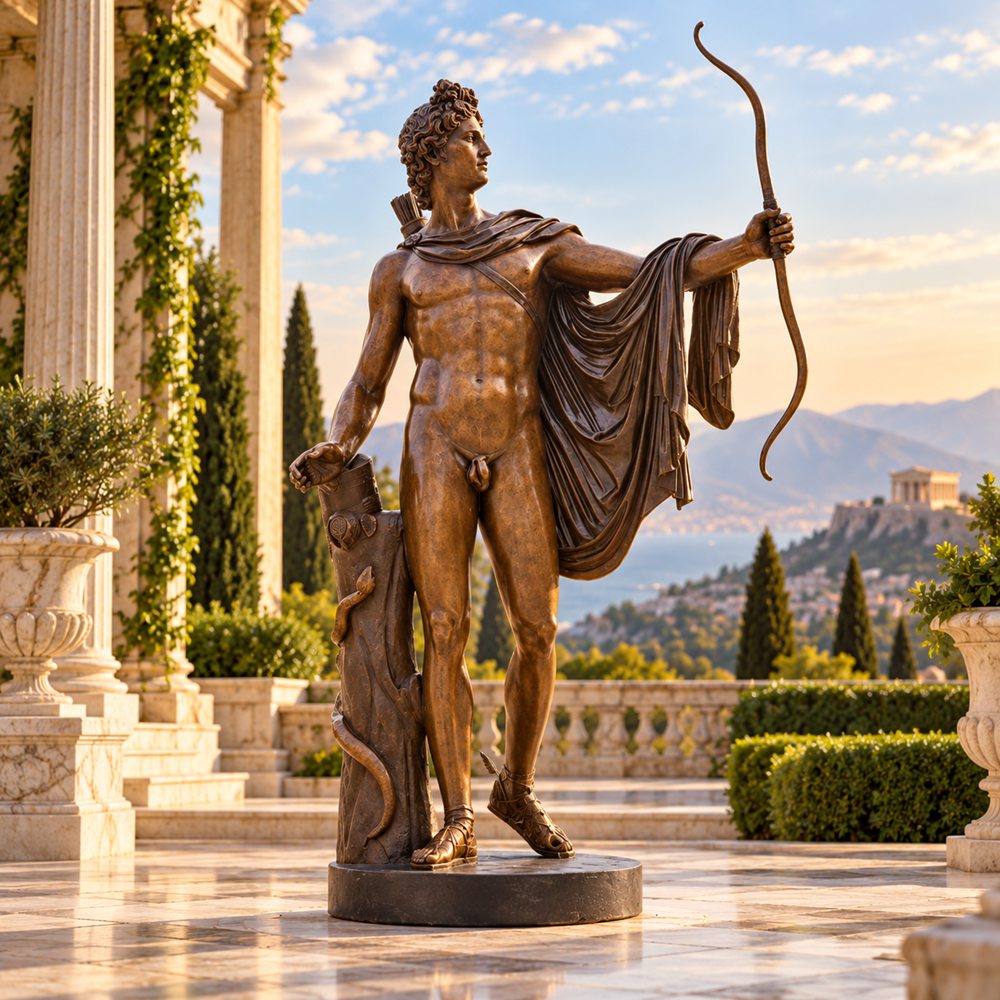
Greek Gods vs Roman Gods: Same Figures, Different Names
One of the easiest ways to understand Greek and Roman mythology is to compare the gods side by side.
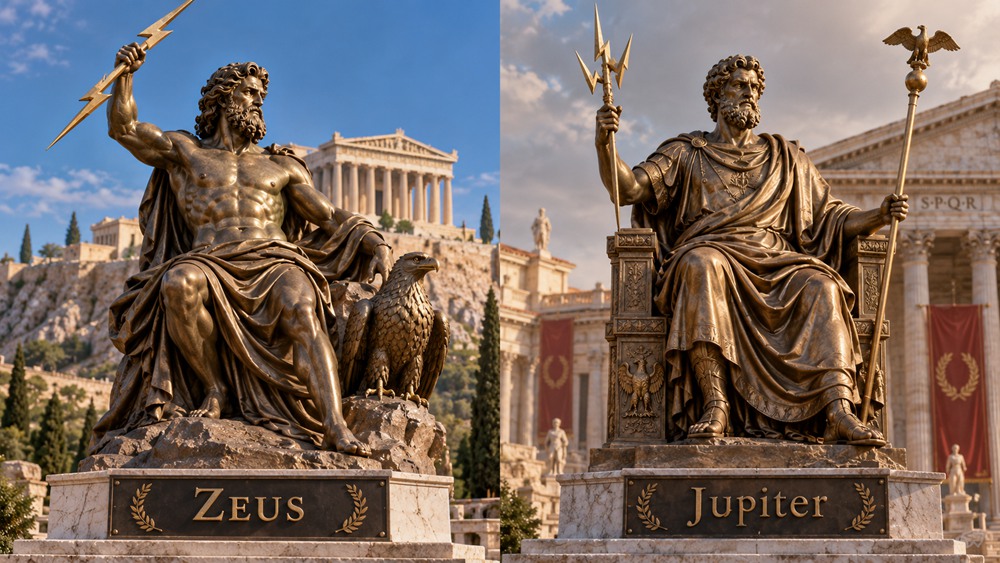
Zeus and Jupiter
Zeus is the king of the Greek gods and ruler of Mount Olympus.
He is often associated with:
- thunder
- lightning
- the eagle
- authority
- the sky
In Roman mythology, the equivalent figure is Jupiter.
Jupiter also represents supreme authority, but Roman art often gives him a more formal and commanding character.
In sculpture, both Zeus and Jupiter may appear as mature, bearded men holding a thunderbolt or staff.
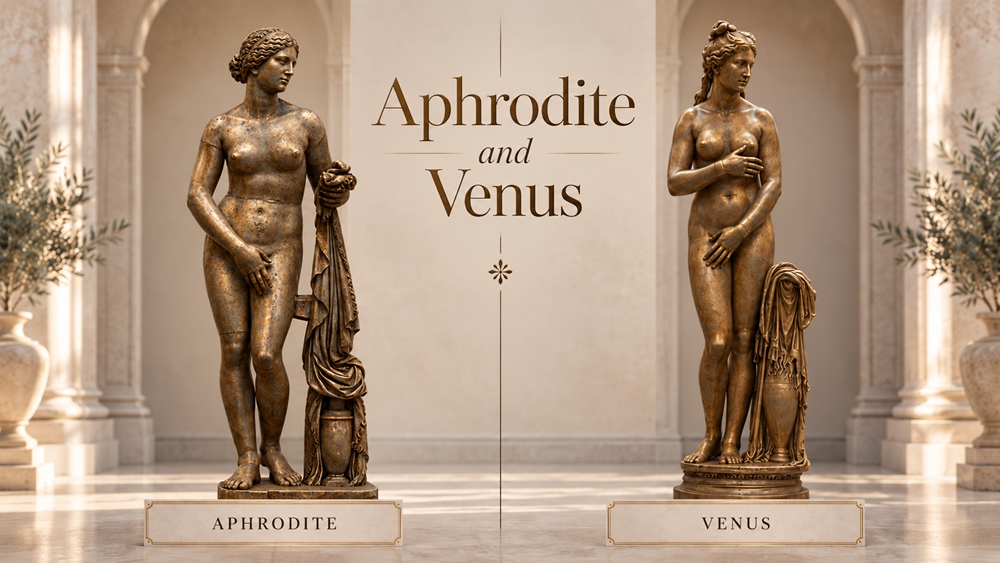
Aphrodite and Venus
Aphrodite is the Greek goddess of love, beauty, and desire.
The Roman equivalent is Venus.
Although the two figures are closely related, Venus became especially important in Roman culture and was sometimes connected with ideas of fertility, prosperity, and the origins of Rome.
In sculpture, both may appear as idealized female figures with flowing drapery or partially nude classical forms.
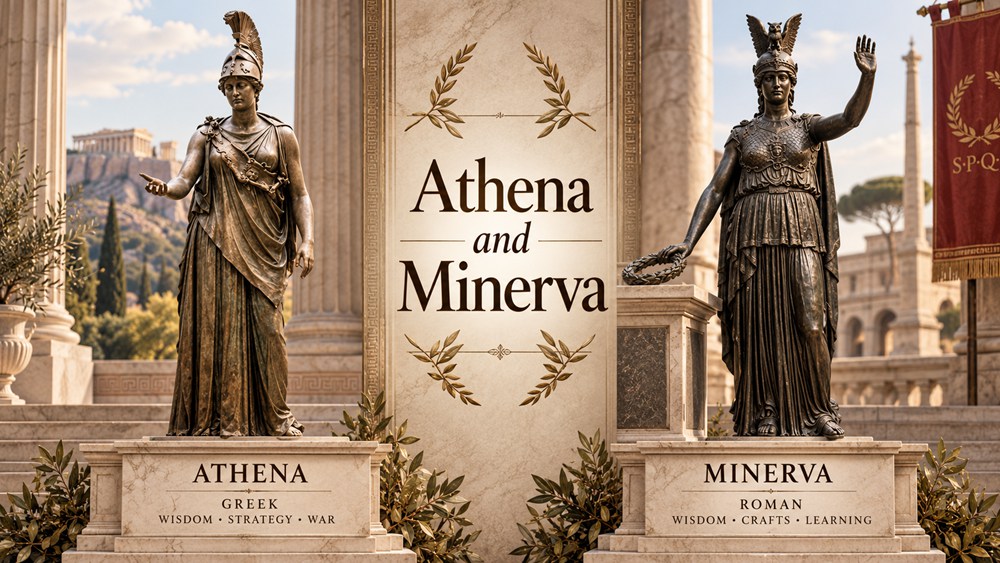
Athena and Minerva
Athena is the Greek goddess of wisdom, strategy, and warfare.
She is often shown with:
- a helmet
- shield
- spear
- owl
- aegis
The Roman equivalent is Minerva.
Minerva also represents wisdom, skill, and learning.
In sculpture, Athena and Minerva can be difficult to separate because they often share the same symbols.
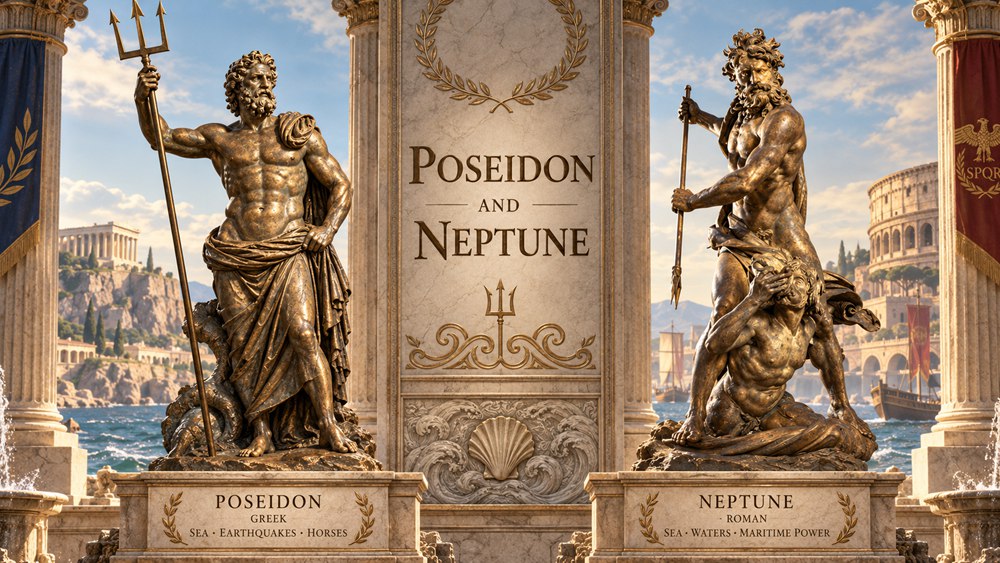
Poseidon and Neptune
Poseidon is the Greek god of the sea, earthquakes, and horses.
Neptune is his Roman counterpart.
The most recognizable symbol of both gods is the trident.
Large Poseidon or Neptune sculptures are especially popular near fountains, pools, coastal landscapes, and classical gardens because the theme connects naturally with water.
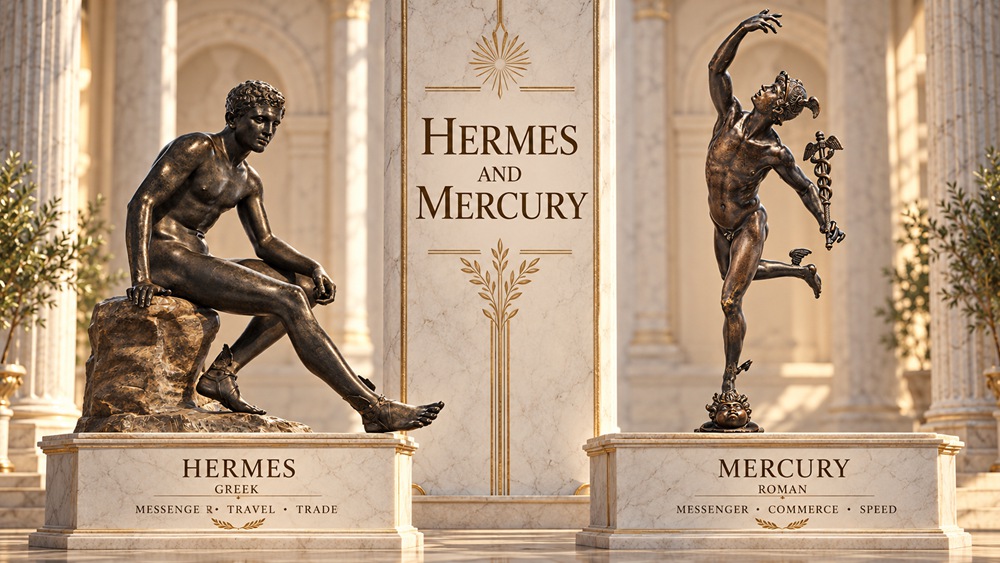
Hermes and Mercury
Hermes is the Greek messenger god.
He is associated with travel, communication, trade, and movement.
Mercury is the Roman equivalent.
Both are commonly identified by:
- winged sandals
- winged helmets
- the caduceus
- youthful athletic appearance
These visual symbols make Hermes and Mercury some of the easiest mythological figures to recognize in sculpture.
How Greek and Roman Gods Look Different in Sculpture
Greek and Roman sculpture developed in different cultural environments.
Because of this, their artistic priorities were not always the same.
Greek Sculpture Often Emphasizes Ideal Form
Greek sculpture is well known for idealized human proportions.
Artists often focused on:
- balanced posture
- athletic anatomy
- natural movement
- calm facial expression
- harmony and proportion
Many Greek god sculptures therefore feel graceful, idealized, and closely connected with the human body.
Even powerful gods may appear physically perfect rather than heavily decorated.
Roman Sculpture Often Feels More Formal and Powerful
Roman sculpture was influenced by Greek art, but Roman culture placed stronger emphasis on identity, authority, status, and public life.
In many Roman sculptures, viewers may notice:
- stronger military clothing
- armor
- symbols of office
- formal poses
- architectural presence
- more individual facial features
However, the difference is not absolute.
Roman artists copied and adapted many Greek sculptures, so some Roman statues can look almost completely Greek in style.
Greek Mythology Statues vs Roman Mythology Statues: Which Style Fits Different Spaces?
There is no rule saying that Greek sculpture belongs in one type of space and Roman sculpture in another.
However, the visual language can help guide the choice.
Greek-Inspired Statues
Greek mythology statues often work well in spaces that emphasize:
- art
- beauty
- mythology
- classical gardens
- villas
- museums
- private collections
Their idealized body forms and balanced poses can create a refined and artistic atmosphere.
Roman-Inspired Statues
Roman mythology statues may feel more suitable for spaces that need:
- authority
- scale
- formality
- architectural presence
- historical character
They can work well at estate entrances, formal courtyards, public buildings, grand villas, and cultural projects.
The exact statue matters more than the label, so the pose, size, finish, and surrounding architecture should always be considered.
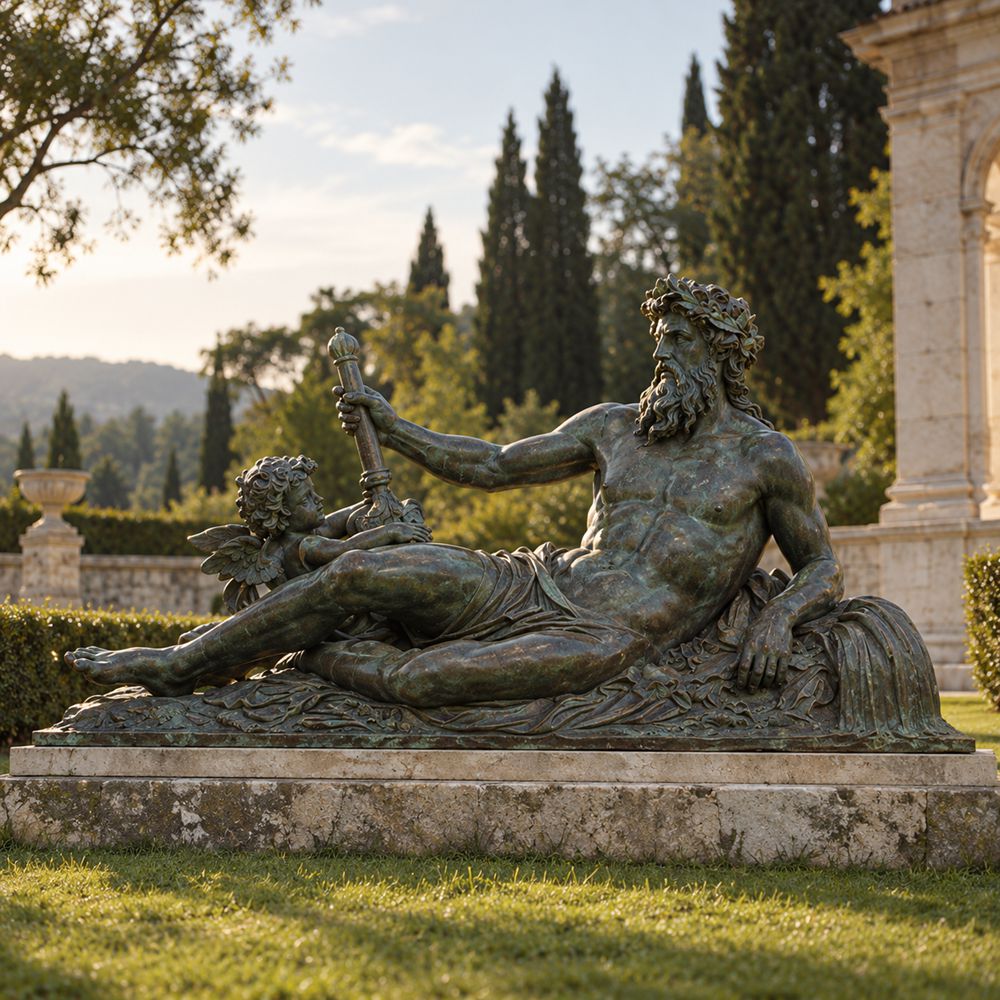
Why Bronze Works Well for Greek and Roman Mythology Sculptures
Mythological sculptures often contain complicated details.
A single statue may include a human figure, armor, weapons, flowing fabric, animals, shields, helmets, or symbolic objects.
Bronze casting makes it possible to keep these details while also producing sculptures suitable for larger outdoor spaces.
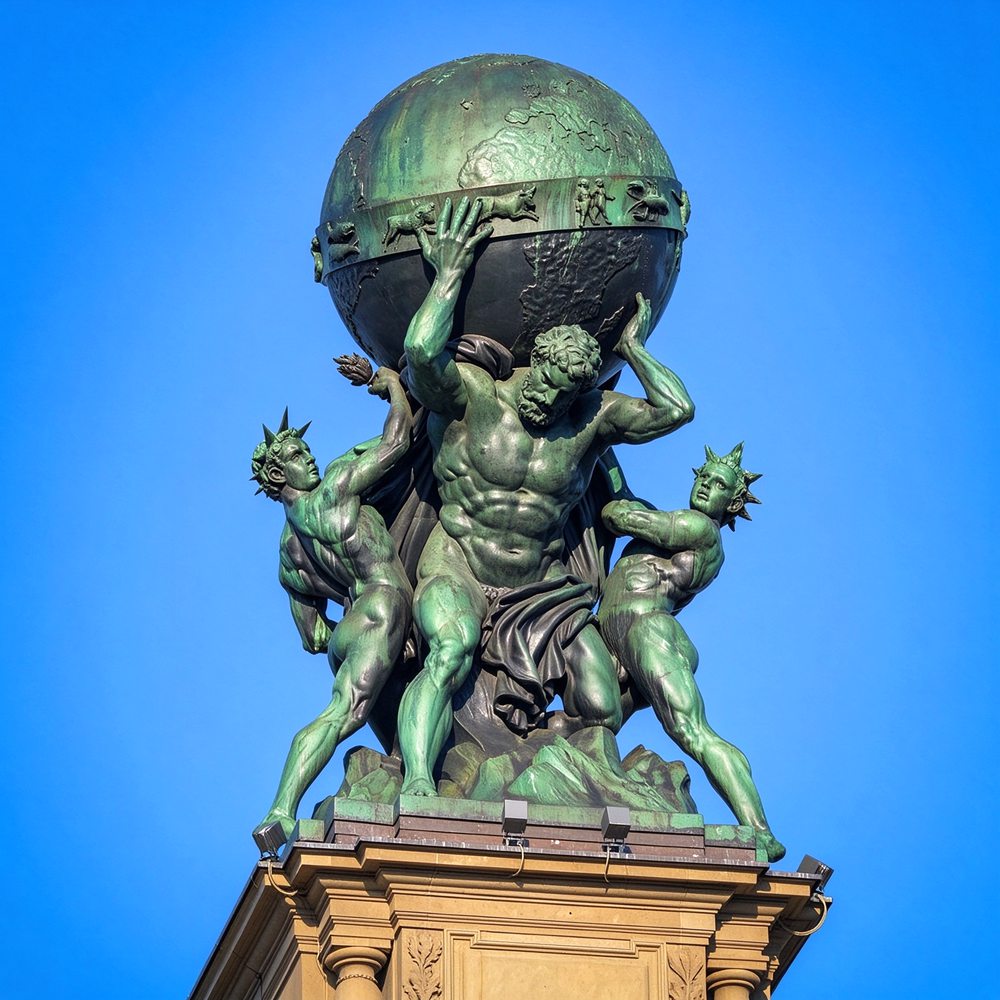
At YouFine factory, mythological bronze sculptures are usually developed through a clay model before lost-wax casting.
The clay stage is especially important for classical figures because small changes in anatomy, posture, facial expression, and drapery can affect the entire sculpture.
For outdoor projects, we also consider the sculpture’s size, internal structure, base, installation method, and finish before production.
FAQ
Are Greek and Roman gods the same?
Many Roman gods were adapted from Greek gods, but they are not completely identical. Their names, cultural roles, and meanings often changed in Roman religion and society.
Why do Greek and Roman gods have different names?
The Romans adopted many Greek deities and gave them Latin names while adapting their roles to Roman culture.
Is Zeus the same as Jupiter?
Jupiter is the Roman counterpart of Zeus. Both are supreme sky gods, although their cultural roles are not exactly the same.
Is Venus Greek or Roman?
Venus is Roman. Her Greek counterpart is Aphrodite.
Is Athena Greek or Roman?
Athena is Greek. Her Roman counterpart is Minerva.
Which mythology came first, Greek or Roman?
Greek mythology developed earlier and had a major influence on later Roman mythology.
How can I tell whether a statue is Greek or Roman?
Look first at the god’s symbols, name, armor, weapons, pose, and historical context. The artistic style alone is not always enough because Roman artists frequently copied Greek models.
Are Greek and Roman bronze statues suitable for outdoor use?
Yes. Bronze is widely used for outdoor sculpture because it can preserve fine details while also working well for large forms and long-term exterior display.
Explore Greek and Roman Bronze Sculptures
Greek and Roman mythology created some of the most recognizable figures in classical sculpture.
Although many gods share similar roles and symbols, their cultural meaning, artistic treatment, and visual character can be different.
Understanding these differences can help when choosing a sculpture for a garden, villa, museum, fountain, public space, or architectural project.
Panda, a 20-year veteran of bronze casting, is one of the co-founders and lead artisan of YouFine Art Bronze Foundry. Deeply rooted in the foundry, she has mastered every detail of the craft. Her expertise guarantees that each sculpture embodies the highest standards of quality and artistic integrity.