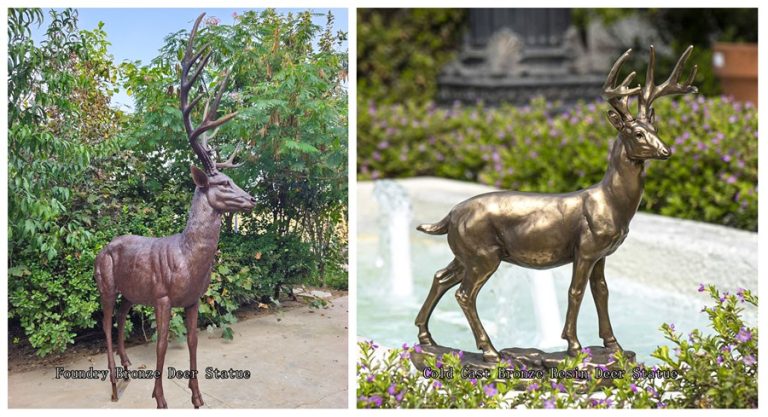

Bronze deer sculptures are a timeless classic in Western gardens, mansions, public squares, and even interior decorations. Whether a male deer standing tall with majestic antlers or a doe gently nestling beside her cub, they possess a unique charm. This love for them is not accidental; it stems from the rich symbolism deeply rooted in deer in Western culture and the timeless beauty that bronze itself imbues the sculptures with.
Simply put, people choose bronze deer sculptures because they simultaneously satisfy aesthetic, cultural, and spiritual needs.
1. The Multiple Symbolisms of the Deer in Western Culture
The image of the deer permeates Western mythology, religion, literature, and aristocratic traditions, making it more than just an animal but a powerful cultural symbol.
Nobility, Grace, and Beauty
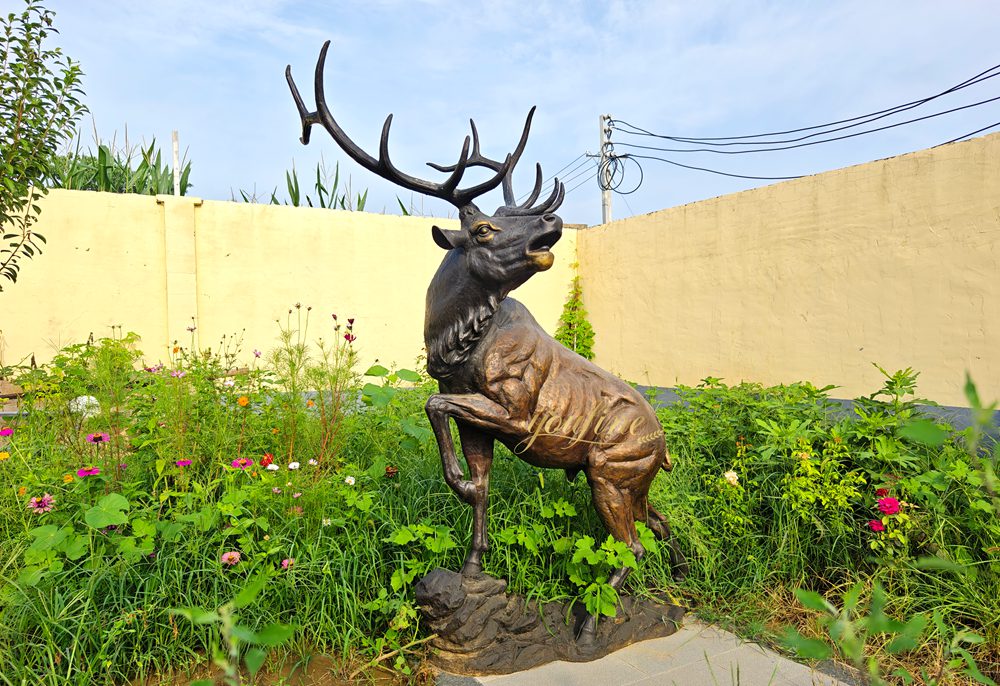
Deer are known as the “Prince/Princess of the Forest.” Their flowing lines, agile posture, and calm demeanor embody the elegance of nature. The majestic antlers of the stag, in particular, are considered a symbol of strength, dignity, and leadership. Placing a deer sculpture in a garden instantly elevates the space’s style and elegance.
Nature, Wilderness, and Freedom
Deer are the ultimate symbol of untamed nature. In an increasingly urbanized world, a deer sculpture evokes a yearning for forests, mountains, and the vast expanse of nature. It reminds us of the power and tranquility of nature and offers a spiritual return.
Gentleness, Peace, and Innocence
In contrast to the strength of the stag, the doe and fawn symbolize tenderness, maternal love, peace, and innocence. Disney’s “Bambi” has deeply ingrained this image into the hearts of generations of Westerners. Therefore, sculptures of mother deer and their cubs are often used to create an atmosphere of tranquility, security, and family warmth.
Spirituality, Divinity, and Guardianship
This is one of the most profound symbolic meanings of the deer in Western culture.
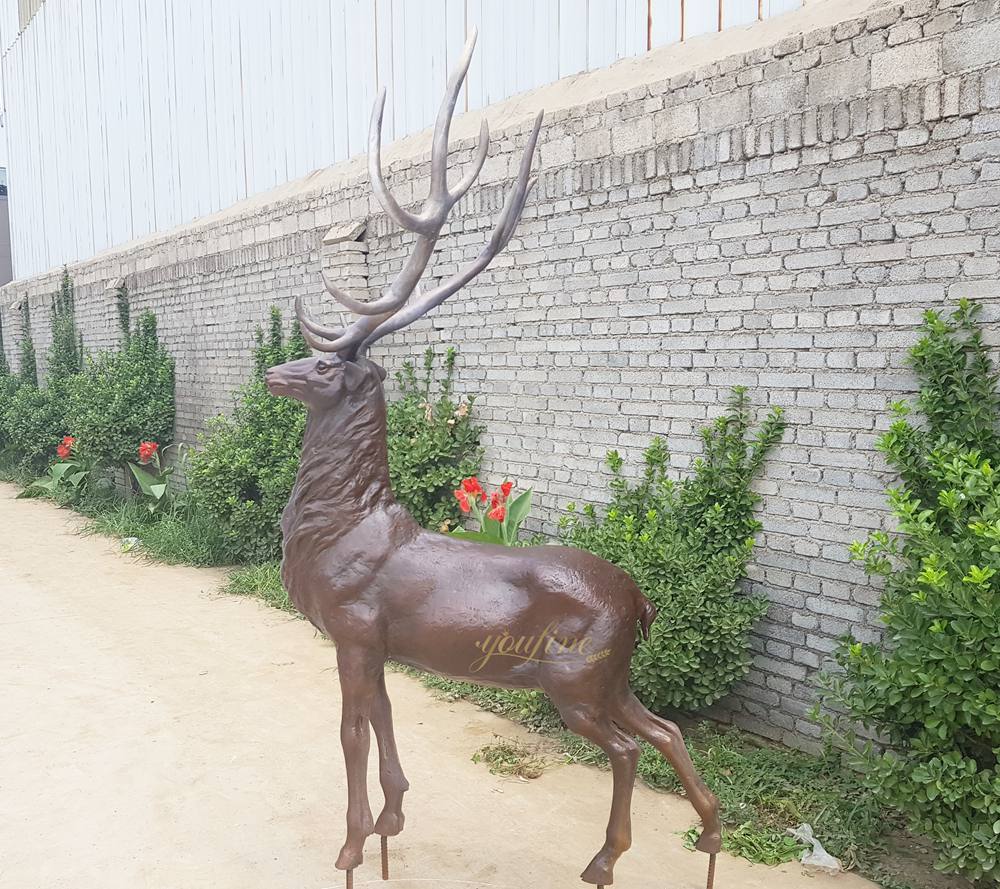
In Christian tradition, the famous Saint Hubertus, while hunting in the forest, encountered a stag with a cross shining between its antlers, and was converted. Thus, the cross between the antlers has become a symbol of divine inspiration and faith. The famous line from the Book of Psalms, “As the deer pants for the water brooks, so pants my soul for you, O God,” depicts the deer as a soul longing for the spiritual world.
In Celtic and Norse mythology, the White Stag is a messenger from the “otherworld.” Its appearance foreshadows a great quest or a crucial turning point. It represents unattainable knowledge and divine guidance. (Harry’s Patronus in “Harry Potter” is a stag, also stemming from this cultural context.)
In Greco-Roman Mythology, the deer is the sacred animal of Artemis/Diana, goddess of the hunt and the moon, symbolizing holiness, swiftness, and inviolability.
Rebirth and Renewal
The stag’s antlers shed and regrow annually, a process that makes them a powerful symbol of rebirth, renewal, and the cycle of life. This imbues the image of the deer with philosophical connotations of growth, resilience, and the passage of time.
2. Comprehensive Comparison of Major Deer Species
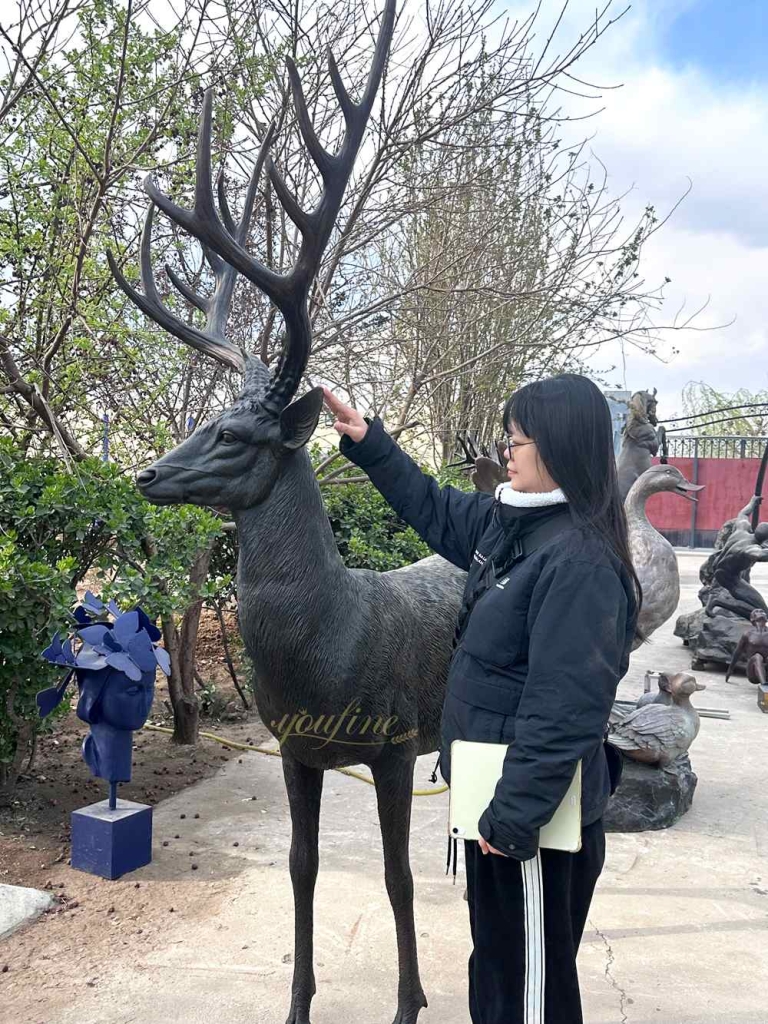
The Cervidae family is a huge family with many species. To make it easier for you to understand, we have compiled a detailed table of the most important and well-known deer species worldwide.
| pecies(Alias) | Key Physical Characteristics | Behavior & Habitat | Primary Geographic Distribution |
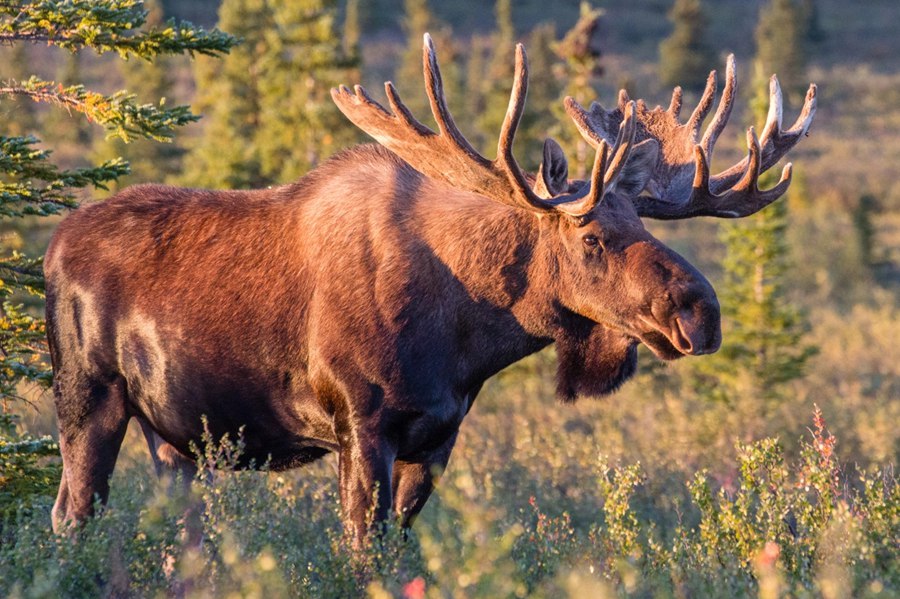
| Moose (Called Elk in Europe) | *Largest deer *Shoulder height exceeds 2 meters *Antlers flattened and shovel-shaped *Distinct humps on the shoulders Broad nose | *Good swimmer Feeds aquatic plants Inhabits *coniferous forests and temperate broad-leaved mixed forests | Northern coniferous forests and temperate broad-leaved mixed forests |
| Species(Alias) | Key Physical Characteristics | Behavior & Habitat | Primary Geographic Distribution |
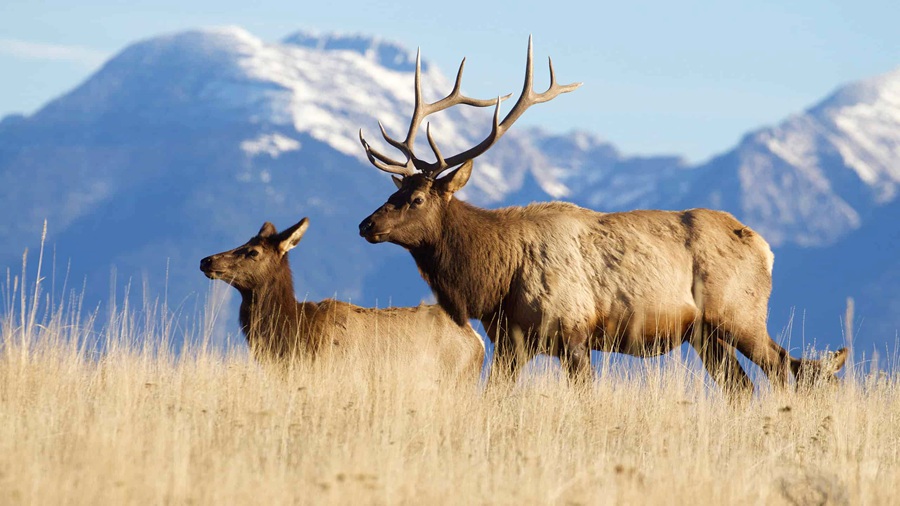
| Elk (or Wapiti) | *The second-largest deer species. *Large, forked antlers that curve backward. *Brown body with a darker neck. *Male deer have a distinctive high-pitched roar. | *They live in groups. *Mostly inhabiting woodlands, plateaus, and mountainous areas. | North America (USA, Canada) and parts of East Asia. |
| Species(Alias) | Key Physical Characteristics | Behavior & Habitat | Primary Geographic Distribution |
| Reindeer (Called Caribou in North America) | *Both males and females have antlers. *large, wide hooves, like snowshoes. *Fur is thick and provides excellent insulation. | *migrate in large numbers. * primarily feed on lichens (“reindeer moss”). *Some populations have been domesticated. | Circumpolar Arctic and subarctic regions, including northern Eurasia, North America, and Greenland. |

| Species(Alias) | Key Physical Characteristics | Behavior & Habitat | Primary Geographic Distribution |
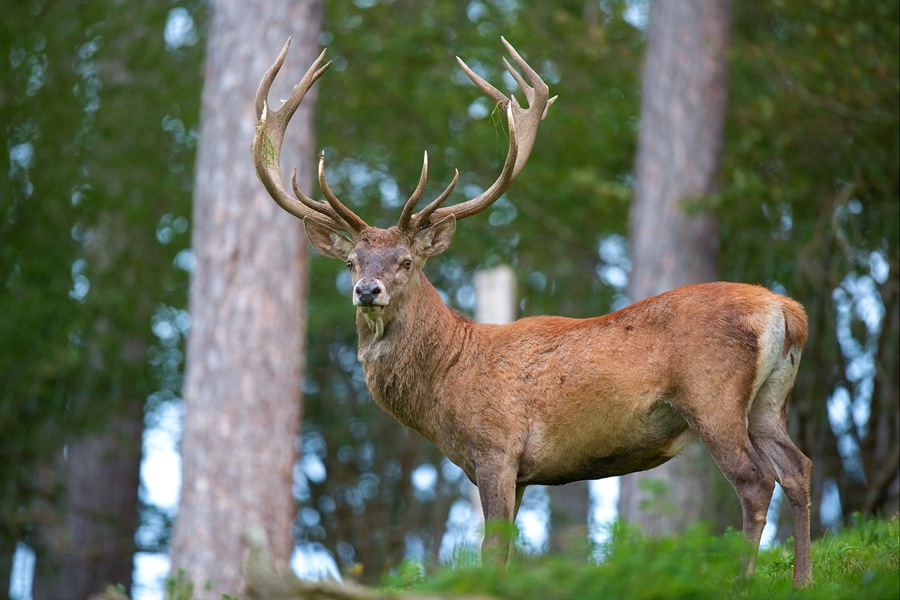
| Red Deer | *Large size *Closely related to Elk *Male deer have large, forked antlers *Summer coat is reddish-brown | *Social lifestyle *Mostly live in single-sex groups Inhabit *woodlands, plateaus, and mountains | Widely distributed, spanning Eurasia. |
| Species(Alias) | Key Physical Characteristics | Behavior & Habitat | Primary Geographic Distribution |
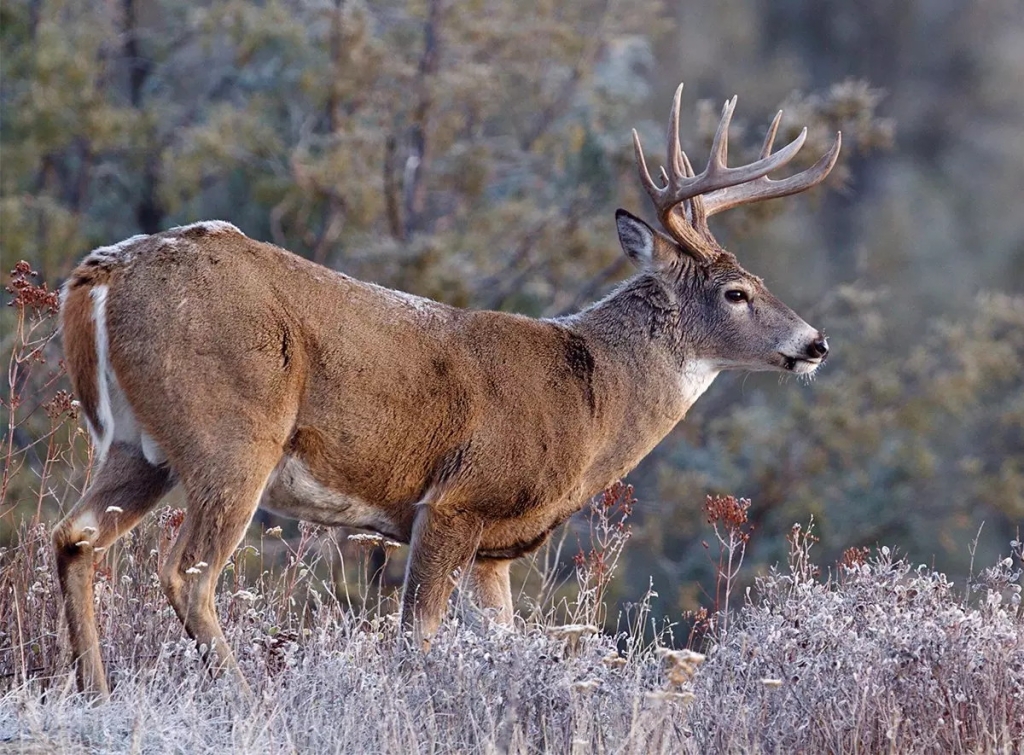
| Whitetail Deer | *Medium-sized Pure white *underside of the tail *Tail raises when startled | *Highly adaptable *Alert and agile *Primarily herbivorous *Distributed from the woodlands to the suburbs | Widespread across North America (Canada, USA, Mexico), Central America, and northern South America. |
| Species(Alias) | Key Physical Characteristics | Behavior & Habitat | Primary Geographic Distribution |
| Mule Deer | *large ears *Symmetrically forked *Black tail tip *Escapes with a unique leaping gait | *In arid, mountainous regions of Northwest America *More adaptable than the white-tailed deer | Western North America, from the Yukon in Canada down to Mexico. |

| Species(Alias) | Key Physical Characteristics | Behavior & Habitat | Primary Geographic Distribution |
| Fallow Deer | *Medium-sized *Summer coat is characterized by white spots *Adult male deer have flat, fan-shaped antlers | *live in groups. *parks and sparse woodlands. *During mating season, male deer emit a distinctive grunting sound. | Originally from the Mediterranean region, it has been widely introduced to Europe, the Americas, and Australia. |

| Species(Alias) | Key Physical Characteristics | Behavior & Habitat | Primary Geographic Distribution |
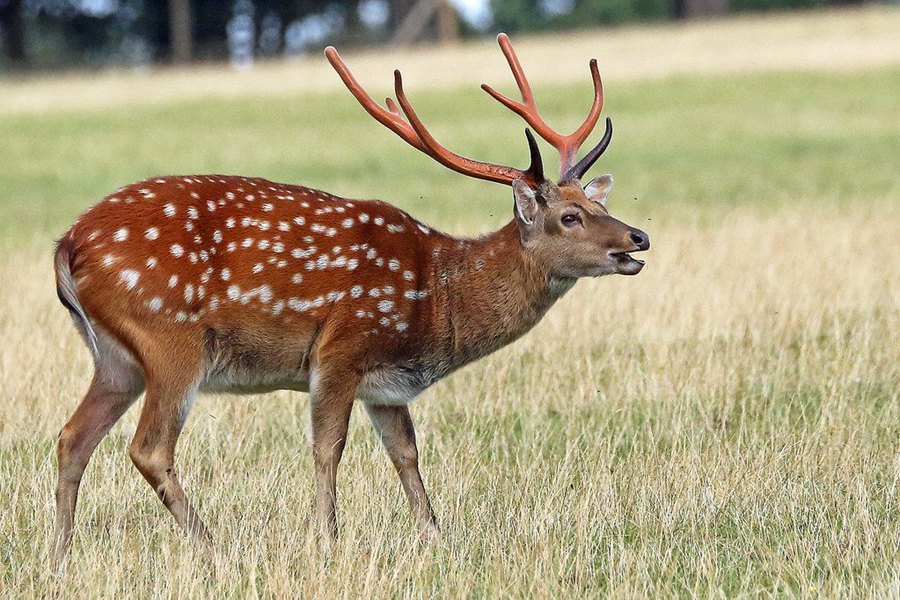
| Sika Deer | *Medium build *characterized by white spots still present in adults *distinct white patches on the buttocks | *Good swimmer *Highly alert *Produces many vocalizations Inhabits mixed forests. *grasslands, and marshes | Native to East Asia, including China, Japan, Taiwan, and Vietnam. Now introduced in many other parts of the world. |
| Species(Alias) | Key Physical Characteristics | Behavior & Habitat | Primary Geographic Distribution |
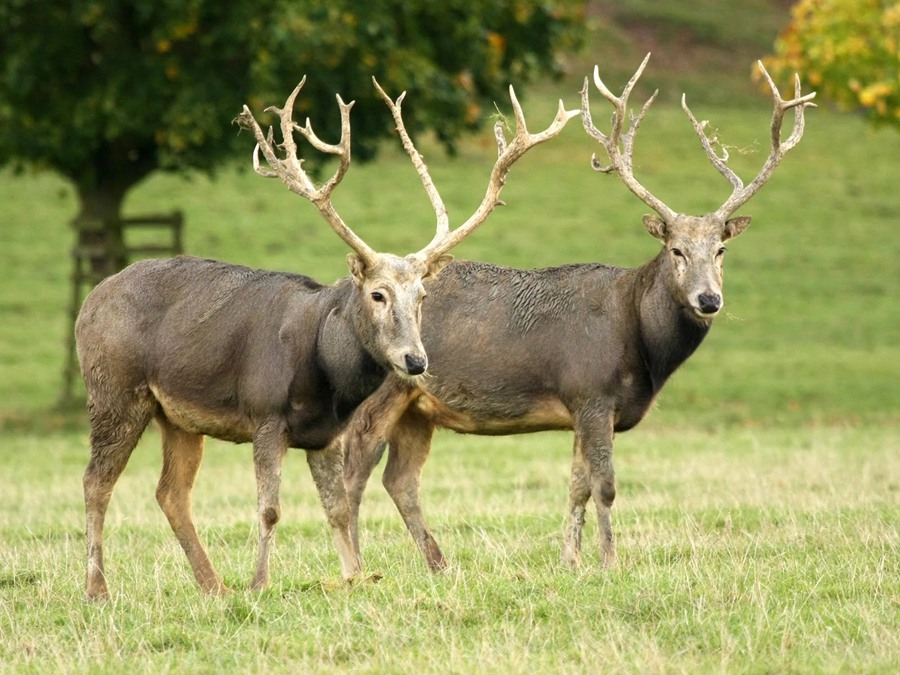
| Père David’s Deer | *A unique creature *Main beam extends forward, branches grow backward *Large hooves | *Semi-aquatic deer *Strong swimmers *Fed aquatic plants and grasses *Enjoy wallowing in mud | Native to the river valleys of China. Once extinct in the wild Reintroduced from captive populations in Europe |
| Species(Alias) | Key Physical Characteristics | Behavior & Habitat | Primary Geographic Distribution |
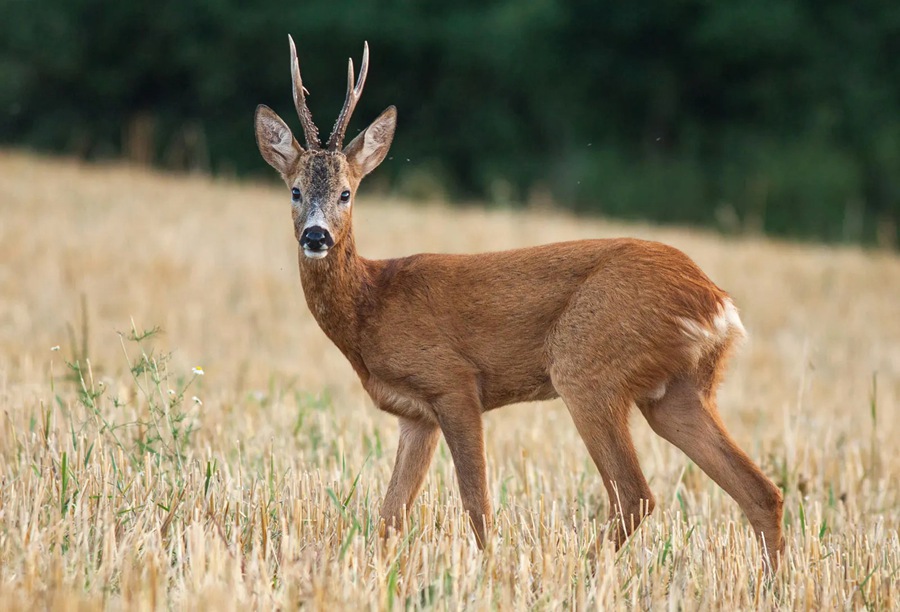
| Roe Deer | *Small in size *Short, simple antlers (usually 3 tines per side) *No visible tail, only a white rump patch *Makes a loud barking sound when alarmed | *Solitary or lives in small family groups *Most active at dawn and dusk *Inhabits woodlands, farmland, and heathland | Widespread across most of Europe and Asia, as far east as Siberia. |
3. General Terminology for Deer by Sex and Age
For large deer species (e.g., Red Deer, Elk, Moose), the typical combination is: Stag / Hind / Calf.
For small to medium-sized deer species (e.g., Whitetail Deer, Roe Deer), the typical combination is: Buck / Doe / Fawn.
Male Deer
A male deer is most commonly called a buck, while females are does, and young are fawns, though larger species (like moose) use bull/cow/calf, and older terms like stag/hart (male) and hind (female) exist, especially for red deer. Bucks are known for growing antlers, which they shed annually and use for display and fighting during mating season (rut).
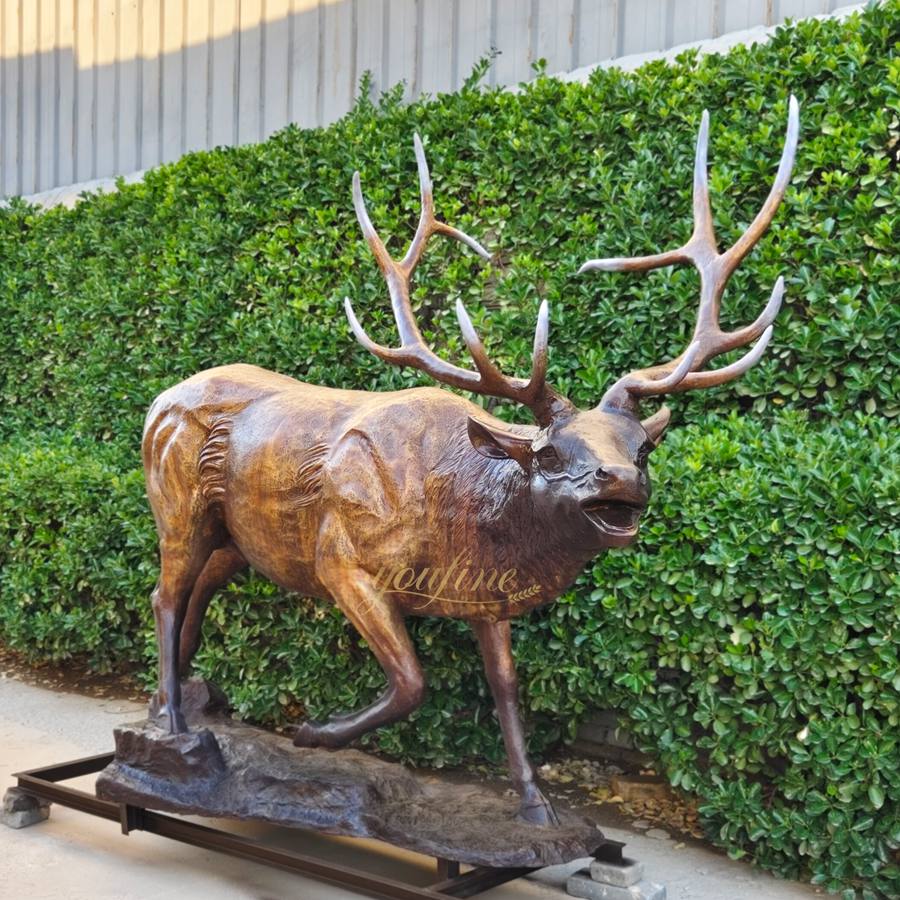
| Stag or Hart Refers to the adult male of large deer species, emphasizing maturity and impressive antlers. Primarily used for Red Deer and Elk. “Hart” is an older synonym. |
| Buck The most common and general term for an adult male deer. Primarily used for small to medium-sized species like Whitetail Deer, Mule Deer, Fallow Deer, and Roe Deer. |
Female Deer
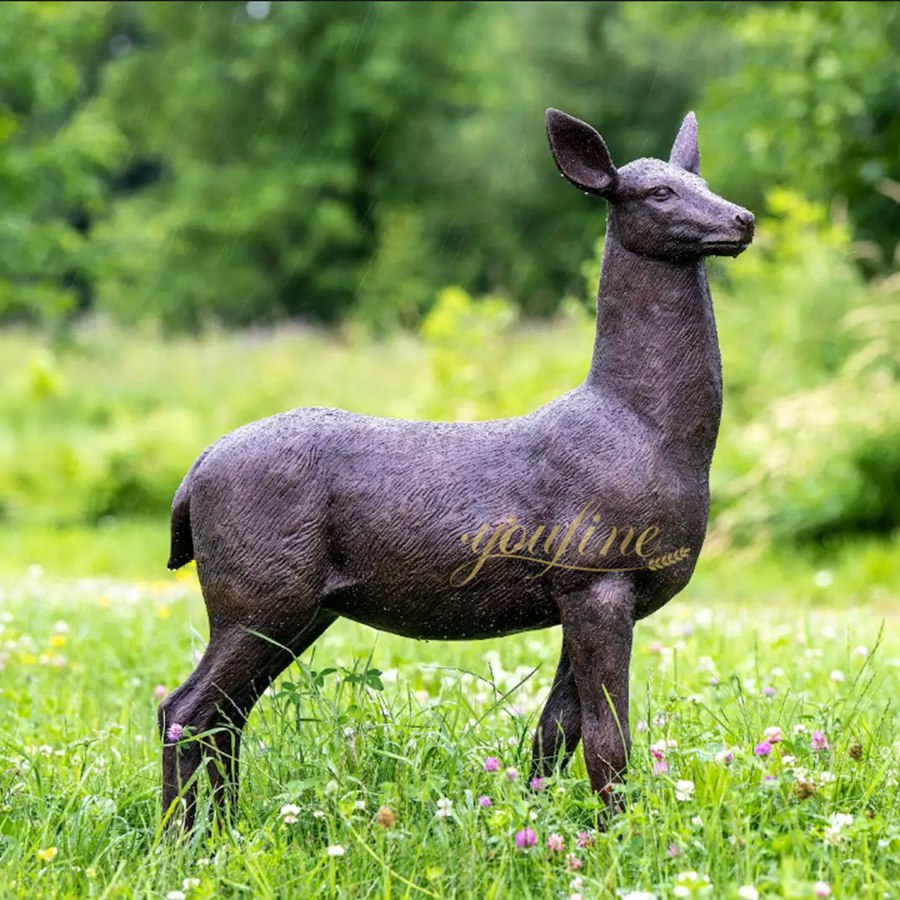
| Doe The most common and general term for an adult female deer. Corresponds to species where the male is called a “Buck”. |
| Hind Refers to the adult female of large deer species. Corresponds to species where the male is called a “Stag” or “Hart,” such as Red Deer and Elk. |
Young Deer
| Fawn Refers to a very young deer, typically in its first year. Often associated with spotted coats. Used for the young of most deer species, especially Whitetail Deer and Mule Deer. |
| Calf Refers to the young of the largest deer species. Specifically used for the offspring of Moose, Elk, and Reindeer/Caribou. |
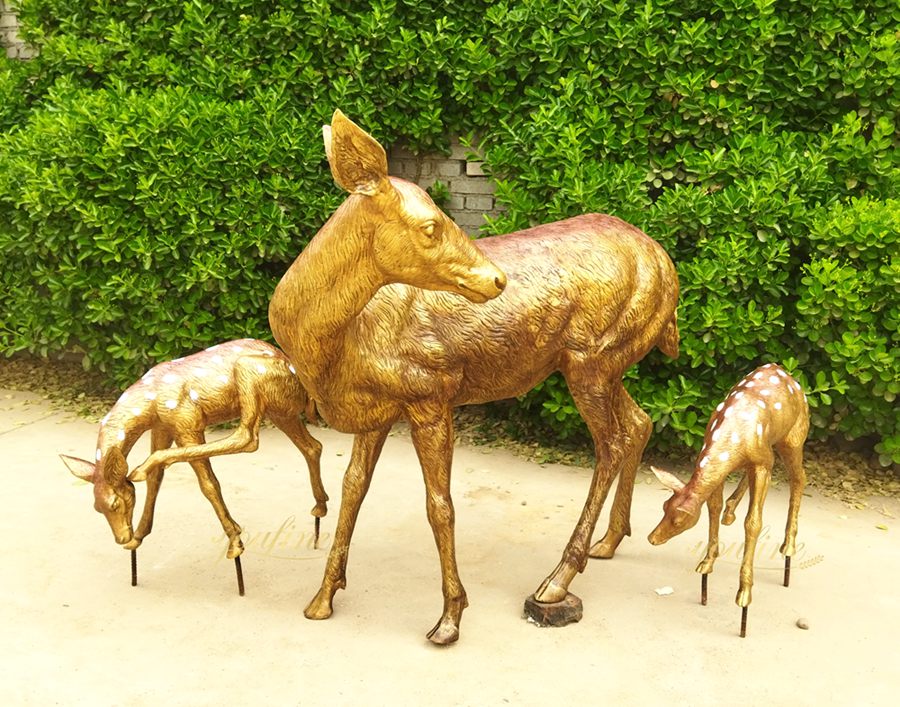
4. Why are Bronze Deer Sculptures so Popular?
If the image of the deer carries rich cultural connotations, then bronze imbues it with immortality.
Eternity and Heritage
Bronze is an extremely durable precious metal, capable of withstanding the erosion of wind and rain for hundreds or even thousands of years. Choosing bronze signifies that this artwork is not merely a temporary decoration but a valuable asset passed down from generation to generation.
Classicism and Dignity
From ancient Greece to the Roman Empire, bronze has been the material of choice for statues of heroes and gods. It carries a sense of historical weight and classical solemnity, perfectly aligning with the deer’s noble demeanor.
Details and Texture
The bronze casting technique captures the deer’s muscular lines, fur texture, and even its facial expressions with exceptional precision. Its unique metallic luster and the patina that develops over time further enhance the artwork’s depth and vitality.
So, Westerners appreciate bronze deer sculptures because they seamlessly combine natural beauty (the deer’s graceful form), profound cultural connotations (nobility, spirituality, and freedom), and timeless artistic value (the durability and timelessness of bronze). More than just a decorative object, it embodies a cultural narrative, a spiritual sustenance, and a legacy of family honor.

5. Common Placements for Bronze Deer Sculptures in the West
In Western culture and lifestyle, the placement of bronze deer sculptures is carefully chosen to achieve specific aesthetic and symbolic effects. Here are some of the most classic and popular locations:
Hunting Clubs, Private Estates, and Historic Hunting Lodges
At the world’s finest hunting clubs, private estates, and historic hunting lodges, a bronze deer sculpture is a symbol of their soul. Far more than a decorative object, it serves as a statement, deeply rooted in the heart of hunting culture. For a true hunter, successfully capturing a stag with magnificent antlers and a majestic physique is a lifelong honor. We understand the weight of this honor and have the privilege of transforming this moment of passion and achievement into timeless art for countless clients.
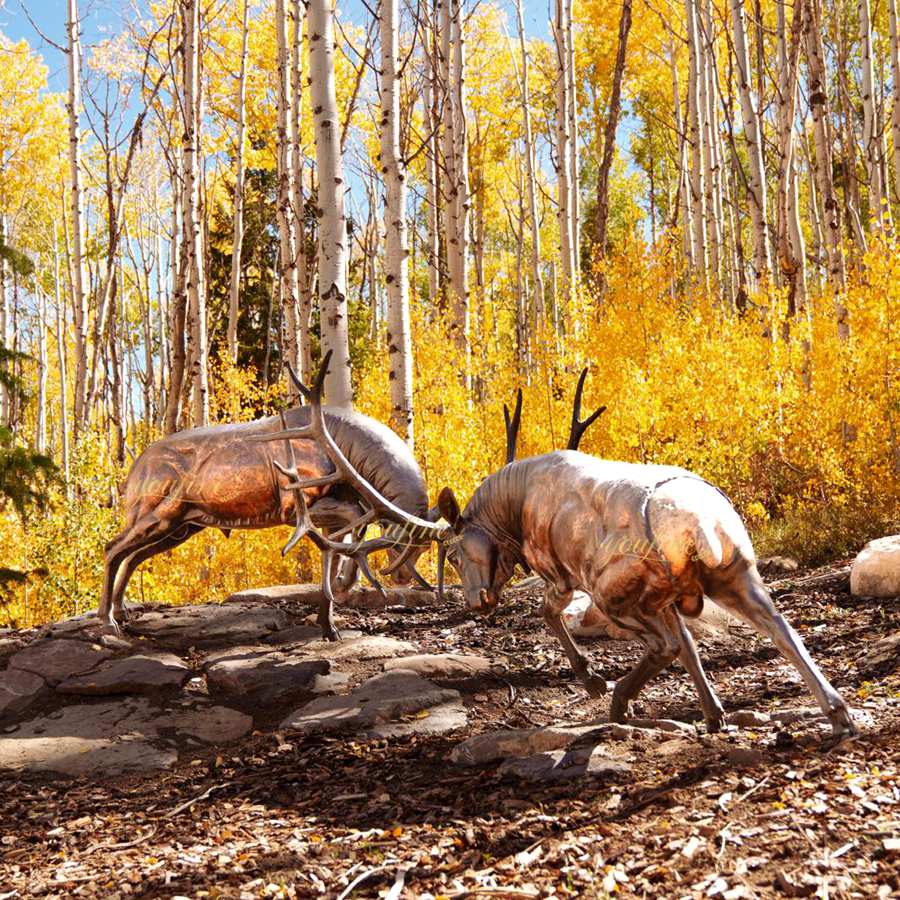
Entrance or Driveway Roundabout
This is the most iconic location for projecting a sense of grandeur and dignity. A majestic, standing stag sculpture at the entrance creates an immediate and powerful first impression, symbolizing the owner’s status, power, and welcome. It becomes a signature preface to the entire property.

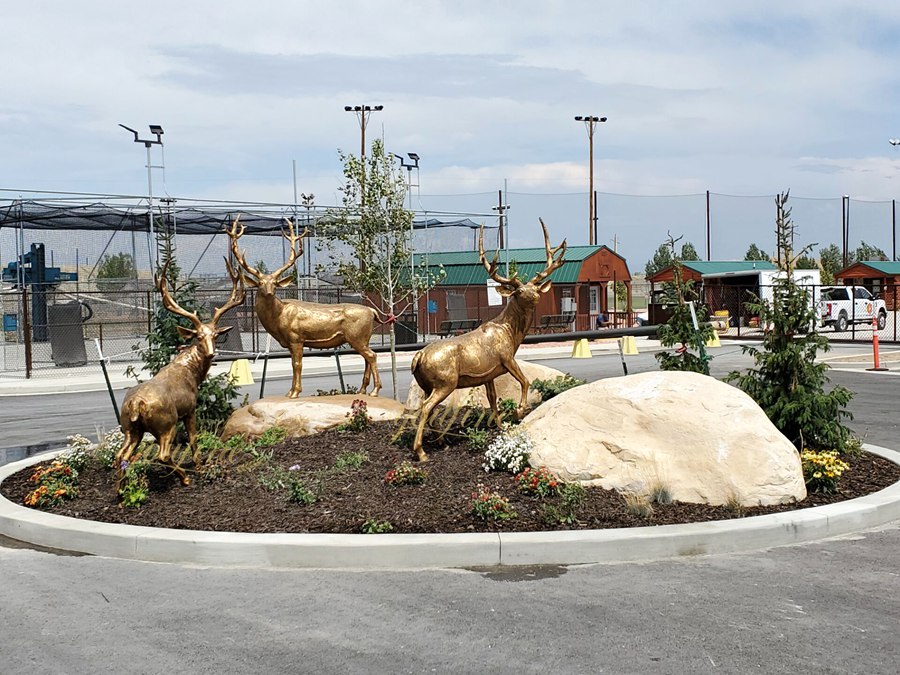
Garden or Lawn
Placing a deer sculpture near trees or in open areas of the lawn creates a sense of unexpected natural beauty. It’s as if the deer has just emerged from the woods, adding vitality and storytelling to the entire landscape, achieving a harmonious resonance between art and nature.
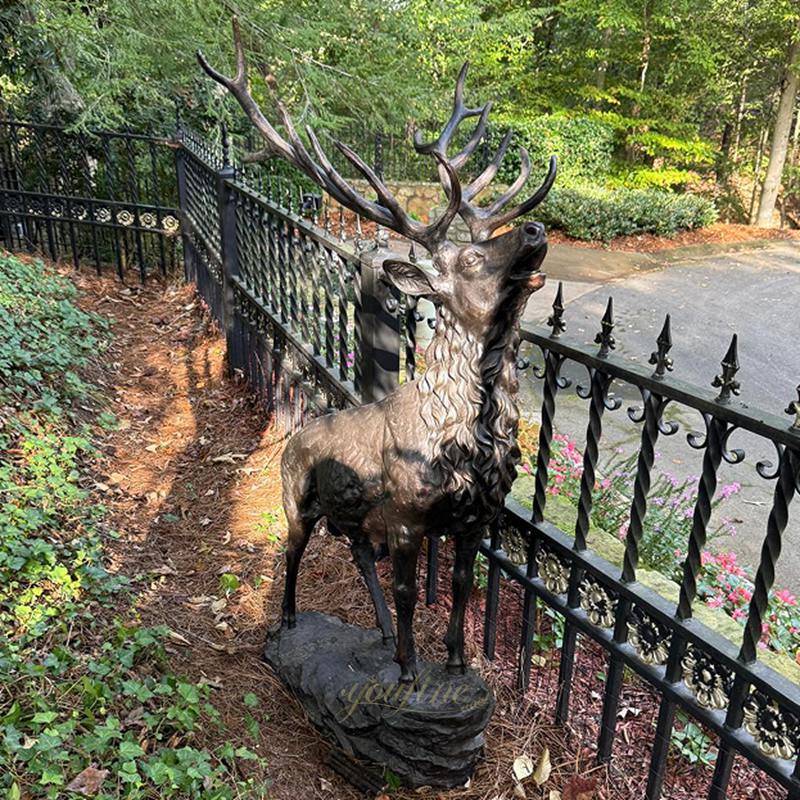
Villa Lobby or Shop
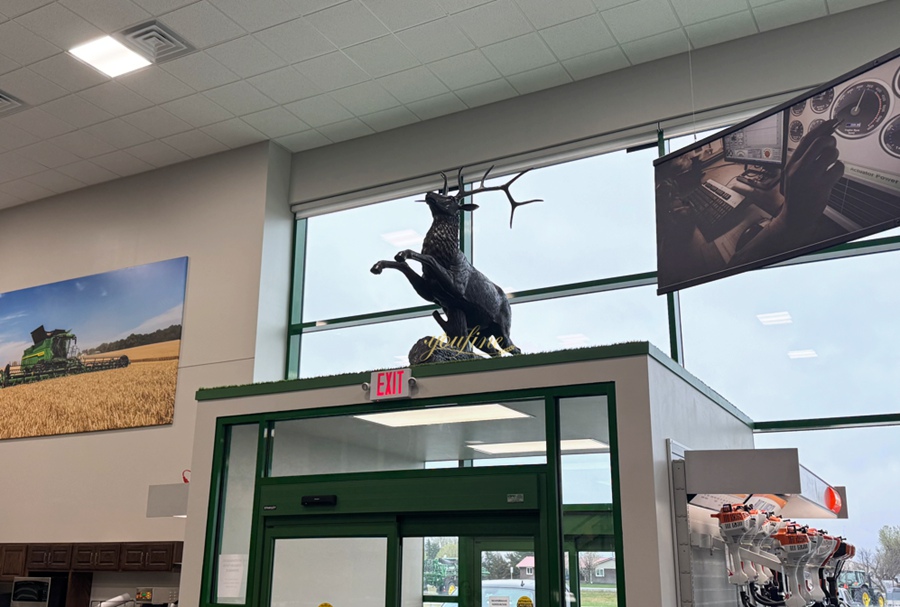
In interior spaces with high ceilings, such as the lobby of a villa or the public areas of a shop, a bronze deer sculpture (especially a bust of a stag or a sculpture depicting a running scene) is often placed. This is the central gathering place for family and friends, and the sculpture becomes a focal point for telling hunting stories and showcasing family traditions.
Lakeside, Pond, or Waterside
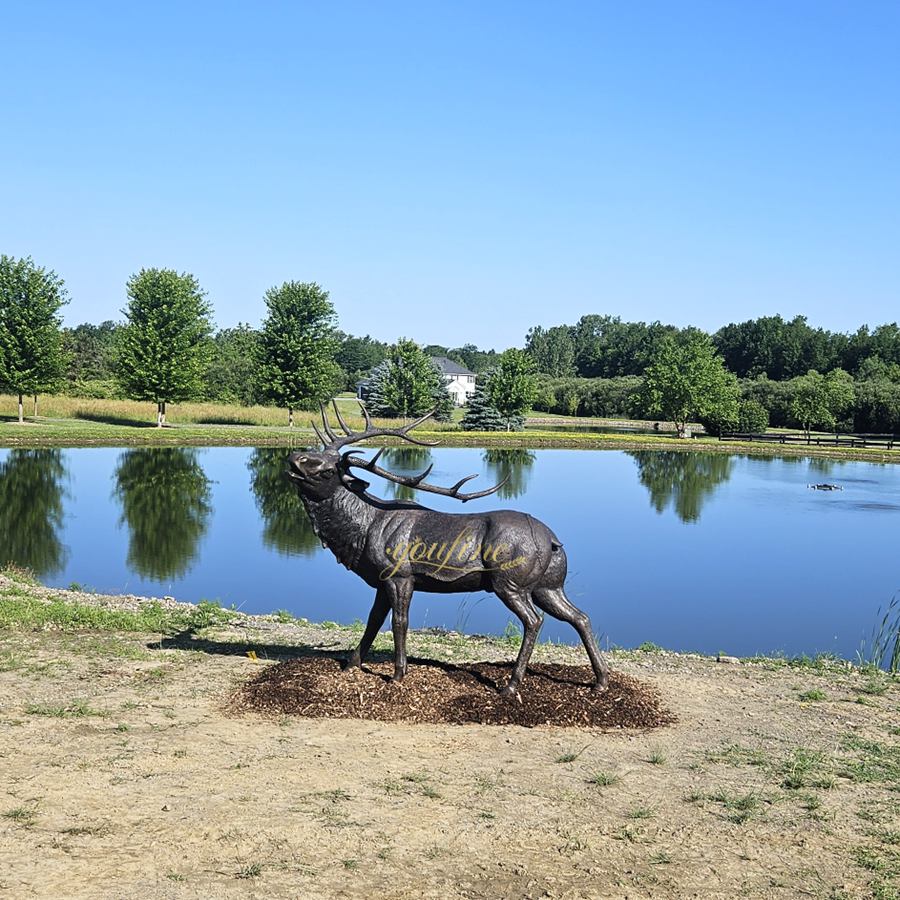
This is a deeply poetic setting, echoing the famous biblical verse: “As the deer pant for the water brooks.” Placing a deer sculpture by the water not only creates a graceful presence but also imbues the scene with a profound sense of tranquility, contemplation, and spiritual yearning.
Community Parks & Green Spaces
In high-end communities, deer sculptures are often used as public artwork, becoming visual landmarks shared by residents. They symbolize a community’s commitment to nature, peace, and a refined lifestyle, and they enhance the overall community image and cohesion.
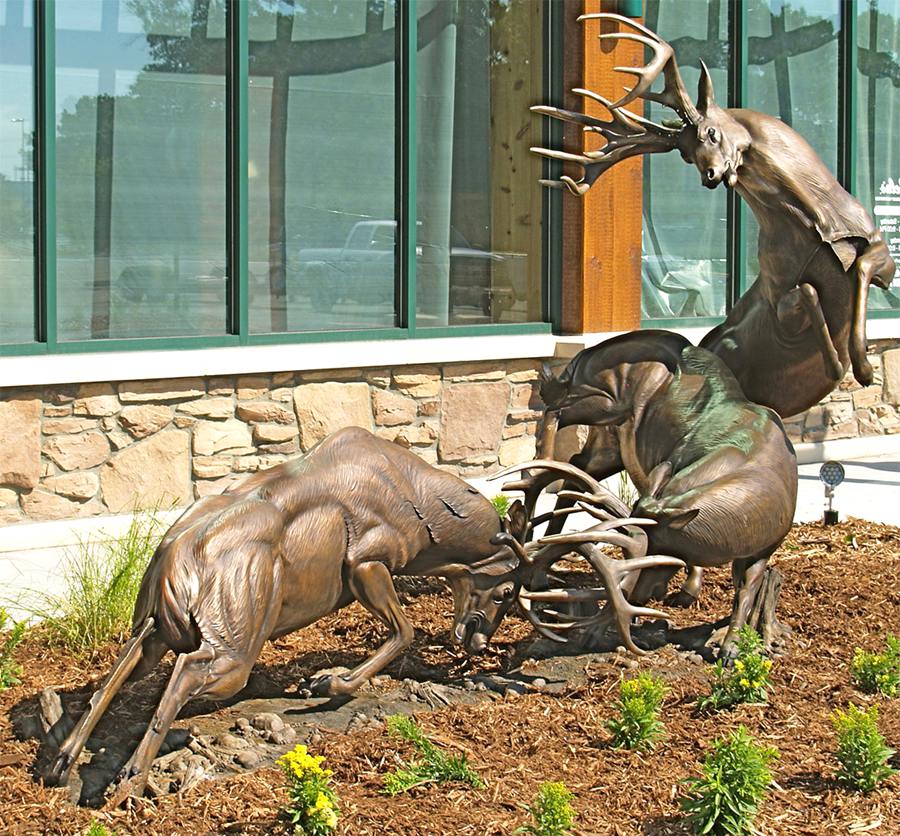
Our bronze deer sculptures bear witness to generations of cultural heritage: they stand tall in sprawling Scottish Highland hunting estates, blending seamlessly with nature; they adorn tranquil private villas, showcasing the owner’s discerning taste; they become the focal point of upscale communities, elevating the artistic flair of the space; and even serve as the centerpiece of driveway roundabouts, welcoming returning family members and visiting guests.
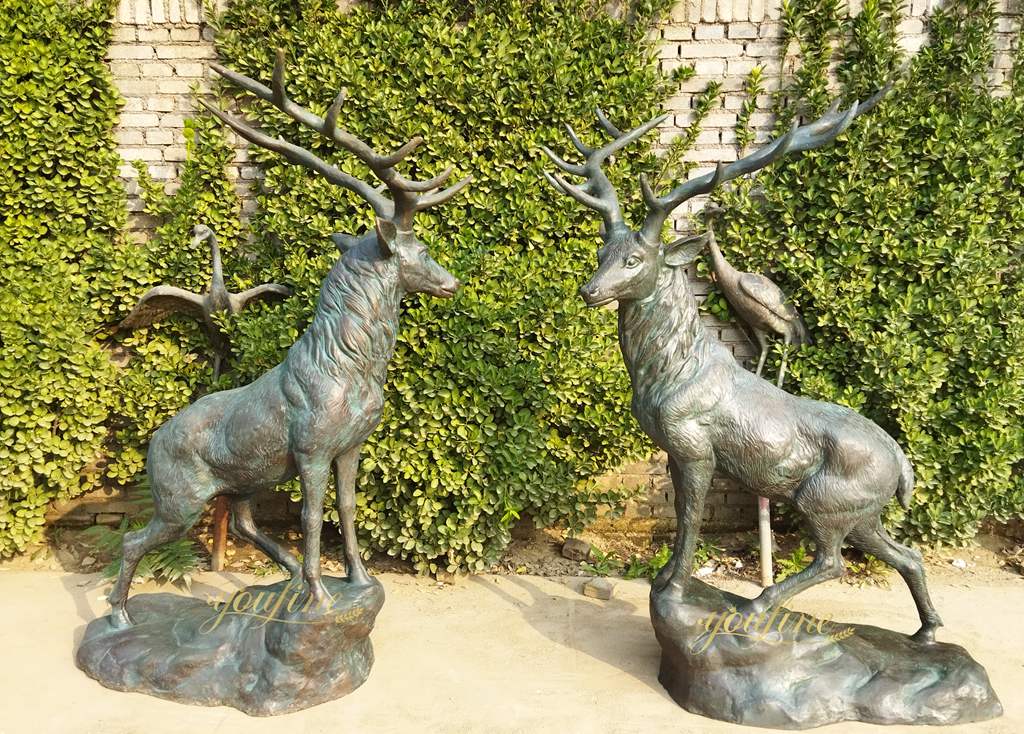

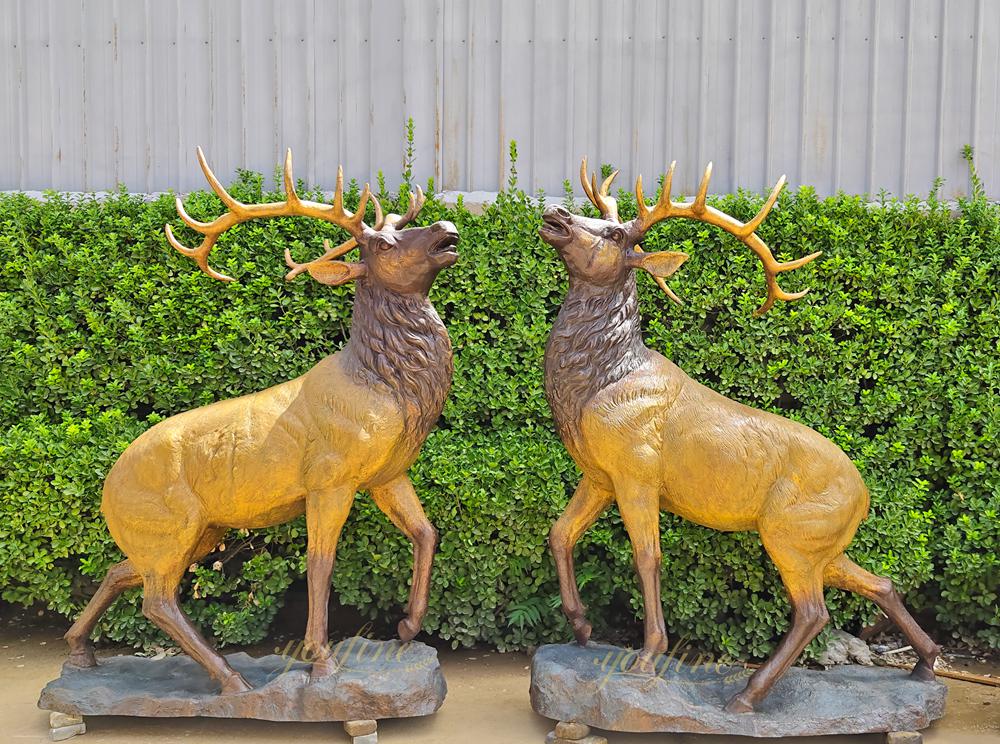
We offer more than just customized service; we precisely convey your unique vision and family story through the timeless language of bronze. No matter how grand or intricate your vision, our mission is to make it a reality.
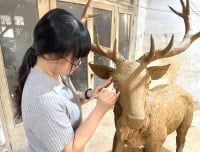
Panda, a 20-year veteran of bronze casting, is one of the co-founders and lead artisan of YouFine Art Bronze Foundry. Deeply rooted in the foundry, she has mastered every detail of the craft. Her expertise guarantees that each sculpture embodies the highest standards of quality and artistic integrity.