
The safe rule for cleaning an outdoor bronze fountain is simple: clean gently, preserve the patina, keep the water system working correctly, and renew the correct protective finish only after the bronze is completely dry. Most routine care needs only clean water, a soft cloth or non-metallic brush, and a small amount of pH-neutral detergent. Harsh chemicals and aggressive tools can permanently change the color and texture of the bronze.
This guide is written for owners and project teams caring for a modern bronze outdoor fountain. Historic, artist-owned, museum, or public artworks may require a professional conservator and a documented treatment plan.

Important: Before using detergent, wax, scale remover, or any coating, identify the fountain’s surface finish. The maintenance method for a waxed patina is different from the method for lacquer or another clear coating. Your product-specific care sheet takes priority over this general guide.
First, Identify the Bronze Surface
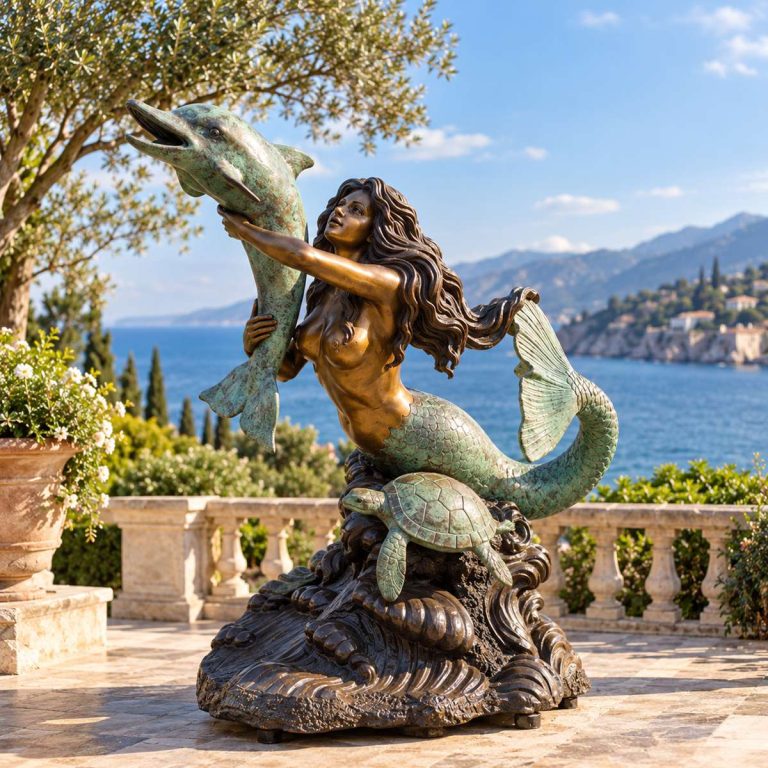
Bronze is a copper alloy. The brown, black, blue, or green color that you see is often a deliberate patina created by heat and chemical treatment, or a stable surface that has developed outdoors. It is part of the sculpture’s appearance. It should not be treated as ordinary dirt.
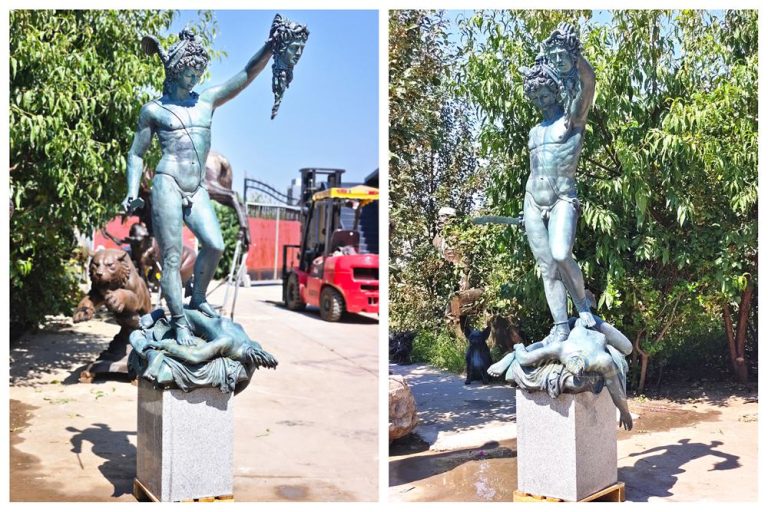
Bronze fountains made in our workshop are Lost-Wax Cast, hand-finished, patinated, and supplied with an outdoor protective finish selected for the project. The exact protection may vary by design, color, climate, and continuously wet areas. If you do not know whether your fountain is waxed, lacquered, or naturally weathered, send photographs to the supplier before treating it.
| Surface | What it looks like | Routine care | Avoid |
|---|---|---|---|
| Natural or stable patina | Brown, dark, blue-green, or green surface without obvious peeling | Gentle washing; preserve the existing color; ask whether a compatible wax is appropriate | Metal polish, acid, sanding, or attempts to expose bright bronze |
| Chemical patina with wax | Hand-colored surface with a soft sheen; water may stop beading when wax is worn | Mild cleaning followed by compatible microcrystalline wax when fully dry | Solvents, abrasive pads, heavy wax buildup, or waxing over dirt |
| Clear lacquer or protective coating | More uniform film; damaged areas may look cloudy, cracked, or peeled | Wash gently and inspect the coating; have failed areas repaired professionally | Polish, solvent, or wax unless the maker confirms compatibility |
The Canadian Conservation Institute distinguishes cleaning from polishing: cleaning removes dirt, while polishing is abrasive and removes tarnish and some surface metal. Repeated polishing can erase fine detail. When the intended finish is uncertain, cleaning without polishing is the safer choice.
Routine Bronze Fountain Cleaning: Step by Step
For an actively used fountain, inspect the bronze, basin, drains, nozzles, filter, and pump every one to four weeks during the operating season. Clean when you see dust, pollen, algae, bird droppings, or mineral deposits. A light, regular wash is safer than waiting until deposits become hard.
What You Need
- Clean buckets and clean water
- A soft cotton or microfiber cloth
- A soft natural-bristle or nylon brush; no metal bristles
- A pH-neutral, non-ionic, or very mild detergent approved for the finish
- A low-pressure hose or gentle flow of water
- Nitrile gloves and eye protection
- A dry, lint-free cloth
Cleaning Procedure
- Turn off and isolate the power. Switch off the pump at the GFCI-protected supply before putting hands or tools in the water. For a commercial installation, follow the site’s electrical lockout procedure.
- Inspect before washing. Photograph the surface. Look for loose components, cracks, lifting coating, powdery pale-green spots, blocked drains, and damaged cables. Stop if the surface is flaking or structurally unstable.
- Remove loose debris. Lift out leaves and twigs by hand. Use a dry soft brush for loose dust in crevices.
- Pre-rinse gently. Use clean water at low pressure. Let dried bird droppings soften; do not scrape them with metal tools.
- Wash a small test area. Mix a small amount of pH-neutral detergent with warm water according to its label. Test in a discreet area, then clean from the bottom upward with a soft cloth or brush. This reduces dirty streaks.
- Rinse completely. Remove all detergent residue with clean water. Residue can hold dirt and create uneven discoloration.
- Dry and inspect. Blot accessible surfaces with a lint-free cloth and allow recesses to air-dry. Do not apply wax to a damp surface. Record any change in color, coating, or corrosion.

Remove bird droppings promptly because they can be chemically aggressive and hold moisture against the surface. In coastal locations, regular fresh-water rinsing helps remove airborne salt. Do not claim success from appearance alone: inspect joints, low points, fasteners, and places where water can collect.
Basin Water, Scale, Algae, and Pump Care
A fountain can have a clean bronze surface and still fail because the water system is neglected. Water chemistry, circulation, debris, and pump operation affect both the appearance of the fountain and the life of its equipment.
Control Hard-Water Scale
White or grey crust is commonly associated with mineral-rich water. Reduce buildup by maintaining the correct water level, limiting evaporation where practical, and using softened, reverse-osmosis, distilled, or other low-mineral water for topping up when the pump manufacturer and project specification allow it. For large fountains, monitor hardness and total dissolved solids rather than relying on appearance.
Do not pour vinegar, citric acid, descaler, or pool acid onto bronze. Acids may dissolve mineral deposits, but they can also etch the patina, attack a coating, stain stone, and expose bright metal. Ask the fountain supplier or a conservator for a method suited to the exact finish.
Manage Algae Without Damaging the Finish
Brush loose algae gently and improve filtration and circulation. Use only water-treatment products confirmed as safe for bronze, the basin material, seals, and pump. Copper-containing algaecides, chlorine shock, bleach, and incompatible pool chemicals can damage finishes or create unwanted deposits. Never mix treatment chemicals.
Inspect the Pump and Filter
- Disconnect electrical power before opening the pump or filter.
- Remove leaves and debris from the intake screen and strainer.
- Keep the water at the pump maker’s specified level.
- Never run the pump dry; dry running can overheat and damage seals or the motor.
- Check hoses, clamps, nozzles, cables, and GFCI operation.
- Follow the pump manufacturer’s service intervals; the sculpture foundry’s surface-care guidance does not replace the pump manual.
How and When to Wax a Bronze Fountain
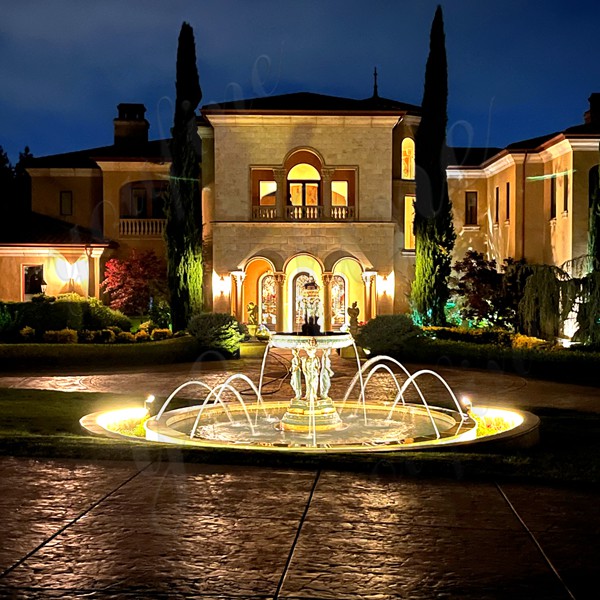
Wax is a renewable barrier that helps reduce direct contact between bronze, moisture, and pollutants. The Canadian Conservation Institute notes that regularly maintained protective wax can help patinated bronze withstand outdoor exposure. The U.S. National Park Service recommends using inspection and climate to determine maintenance frequency: annual renewal is a common starting point, marine or high-rainfall environments may need attention twice a year, and sheltered arid settings may permit longer intervals.
For a working fountain, inspect the finish at least every six months. A practical starting schedule for a confirmed waxed surface is once or twice per year, with shorter intervals where water spray, salt, pollution, sun, or abrasion wears the wax faster. Product-specific instructions and the actual condition of the surface remain the deciding factors.

Cold-Wax Method for a Confirmed Waxed Surface
- Clean the bronze and allow it to dry completely, including seams and recesses.
- Work in dry weather and out of strong direct sun. Follow the wax manufacturer’s safety instructions.
- Test a compatible microcrystalline wax in a discreet area.
- Apply a very thin, even film with a soft cloth or non-metallic brush.
- Allow the wax to set as directed, then buff lightly with a clean lint-free cloth.
- Check for heavy deposits in texture and drainage openings. Thick wax traps dirt and can look cloudy.
Do not heat the bronze with a torch or heat gun unless you are trained and the treatment has been specified by a conservator. Professional hot-wax methods require temperature control, protective equipment, and an understanding of the existing patina and coating.
Winterizing a Bronze Outdoor Fountain
Freezing water expands. Water left in pumps, pipes, nozzles, basins, or hollow sections can crack components and force joints apart. Complete winterization before the first hard freeze.
- Switch off and isolate the electrical supply.
- Drain the basin, pipework, nozzles, and any water-holding cavities identified in the installation drawings.
- Remove, clean, and store a removable pump indoors according to its manual. Some pumps require wet storage; others require dry storage.
- Blow out or drain lines only at the pressure specified by the installer.
- Confirm that sculpture drain holes remain open and that water cannot pool in recesses.
- Use a breathable, securely fastened cover if the product instructions recommend one. Avoid plastic wrapped tightly against bronze because it can trap condensation.
- Do not add automotive antifreeze. Use only a fountain-safe product expressly approved for the entire system, if the project specification calls for it.
What Not to Use on Bronze
- Vinegar, lemon juice, acidic scale removers, or masonry cleaners
- Ammonia, bleach, chlorine shock, or strong alkaline cleaners
- Metal polish on a patinated surface
- Steel wool, wire brushes, abrasive pads, sandpaper, or scrapers
- Uncontrolled pressure washing or a concentrated jet close to the surface
- A torch or uncontrolled heat for owner-applied waxing
- Wax over dirt, algae, salts, active corrosion, or a damp surface
- Paint, lacquer, or sealant that has not been approved for the existing finish
Conservation guidance for outdoor bronze warns that aggressive abrasion can destroy existing patina, alter texture, remove sculptural detail, and leave the surface more vulnerable. A clean fountain does not need to look like bright polished metal.
When to Call a Conservator or the Manufacturer
Stop routine cleaning and request professional assessment if you find:
- Powdery or rapidly recurring pale-green spots, especially around joints and crevices
- Deep pitting, active flaking, or corrosion that returns soon after washing
- A clear coating that is cloudy, cracked, peeling, or missing over large areas
- Structural cracks, movement, leaking welds, loose anchors, or unstable sections
- Damage after freezing, impact, vandalism, or an electrical fault
- Historic significance, unknown materials, or an undocumented previous coating
- Stains or deposits that do not respond to gentle washing
Localized green color is not automatically “bronze disease.” Stable green patina can be an intended and protective part of the appearance. A powdery, expanding, or recurring deposit is a reason to stop and obtain an expert diagnosis rather than apply stronger chemicals.
Suggested Maintenance Schedule
| Interval | Work |
|---|---|
| Weekly to monthly in season | Check water level, flow, pump sound, filter, leaves, algae, bird droppings, and blocked drains |
| As needed | Gentle low-pressure rinse and pH-neutral wash |
| Every 6 months | Document the patina and coating; inspect joints, anchors, nozzles, cables, and wax performance |
| Once or twice yearly | Renew compatible wax on a confirmed waxed finish, adjusted for climate and exposure |
| Before freezing weather | Drain, isolate power, winterize lines, and service or store the pump |
| After storms or abnormal events | Check impact damage, salt deposits, standing water, electrical safety, and structural movement |
Frequently Asked Questions
Can I clean a bronze fountain with vinegar?
No. Vinegar is acidic and may remove scale, but it can also alter patina and attack protective coatings. Use gentle washing and ask for a finish-specific scale treatment.
Should I polish a bronze fountain until it shines?
Usually no. Polishing removes surface material and can erase an intentional patina. Only polish a surface that was specifically designed to remain polished, using a method approved by its maker or conservator.
Should green patina be removed?
Not automatically. A stable green or blue-green patina may be intentional or part of the established surface. Powdery, spreading, or rapidly recurring pale-green corrosion needs professional assessment.
Can I use tap water?
Yes in many installations, but hard tap water can leave mineral scale. Where practical, use lower-mineral water for topping up and monitor water hardness. Always follow the pump and water-treatment specifications.
Can I use a pressure washer?
A homeowner should avoid concentrated high-pressure cleaning. It can lift coatings, drive water into joints, and change the surface. Conservators sometimes use controlled pressure as part of a documented treatment, which is different from routine owner maintenance.
How often should I wax the fountain?
Inspect every six months. For a confirmed waxed surface, once or twice per year is a reasonable starting point, with more frequent attention in marine, wet, polluted, or heavily sprayed locations. Do not wax lacquer unless compatibility is confirmed.
Factory and Conservation Notes
YouFine Bronzes Gallery uses the Lost-Wax Cast process for bronze sculptures and fountains. Because patina and protective systems can differ by project, the exact shipped finish should be confirmed before maintenance. See our bronze sculpture care FAQ and bronze casting process, or contact the workshop with clear photographs of the surface, basin, and affected area.
Technical review: This general guide was prepared from workshop practice and published conservation guidance. The named surface-finishing reviewer and product-specific coating schedule should be added after confirmation with the workshop. Specific products must be maintained according to the care instructions supplied with the fountain.
References
- Canadian Conservation Institute: The Cleaning, Polishing and Protective Waxing of Brass and Copper.
- Canadian Conservation Institute: Caring for Outdoor Objects.
- U.S. National Park Service: Caring for Outdoor Bronze Plaques, Part II: Cleaning and Waxing.
- U.S. National Park Service: Conserving Outdoor Bronze Sculpture.
Published: November 5, 2026 · Last reviewed: November 5, 2026