
Bronze Sculpture Collection
Greek Gods in
Classical Art
The timeless world of Greek gods and mythology through classical sculpture. From Zeus and Athena to Apollo and Aphrodite, we transform these legendary figures into museum-quality bronze sculptures through traditional lost-wax casting.
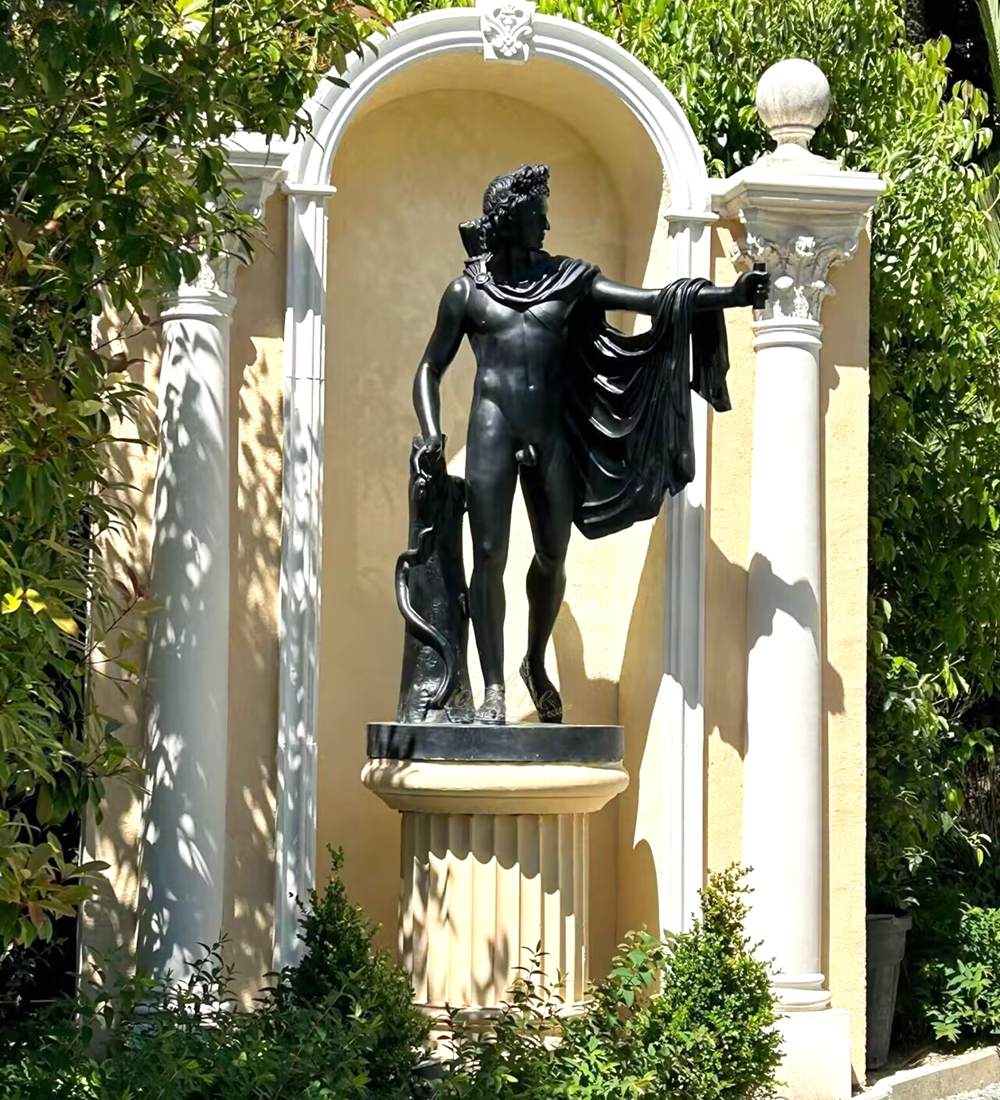
Greek Mythology and
Influence on Art
Greek mythology has played one of the most important roles in the history of Western art. The gods and heroes of ancient Greece represented human ideals, including wisdom, strength, beauty, courage and justice.
From ancient temples to modern public art projects, Greek gods have continued to inspire sculptors worldwide. Bronze became one of the most respected materials for these representations because of its durability, artistic detail and timeless patina.
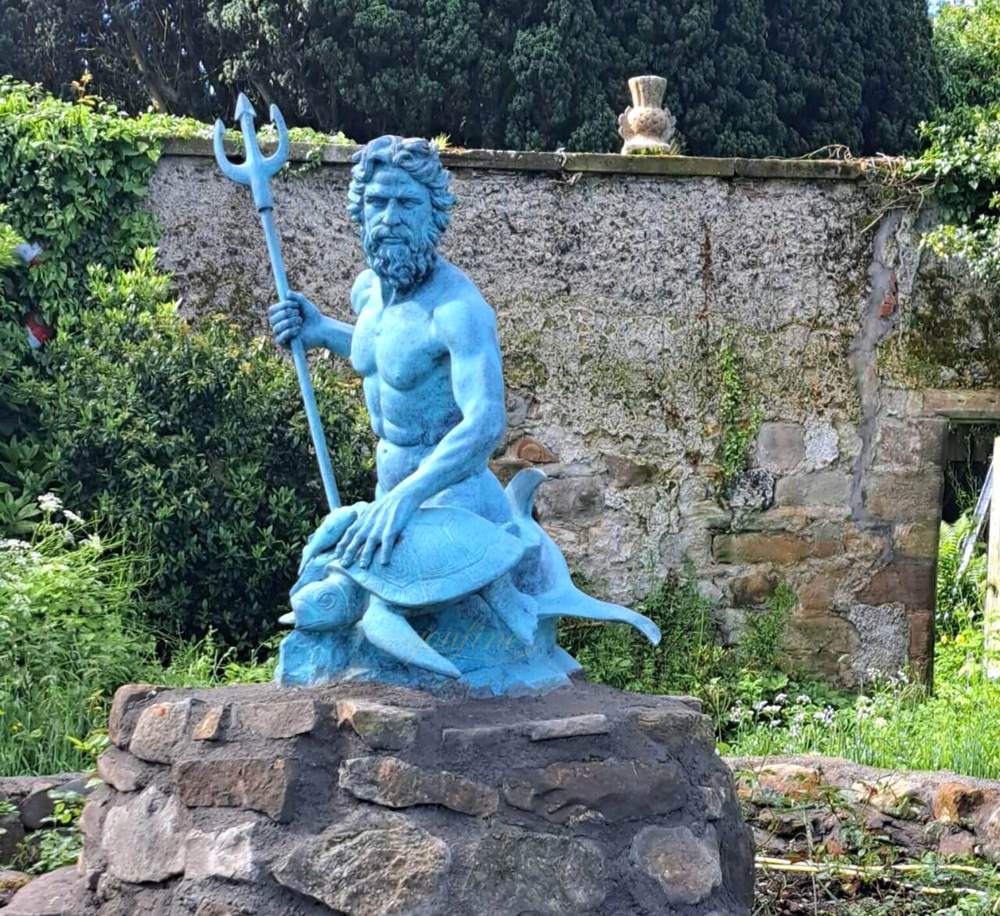
The Twelve Olympian Gods
The principal deities of Greek mythology, each representing fundamental aspects of human experience and natural forces.
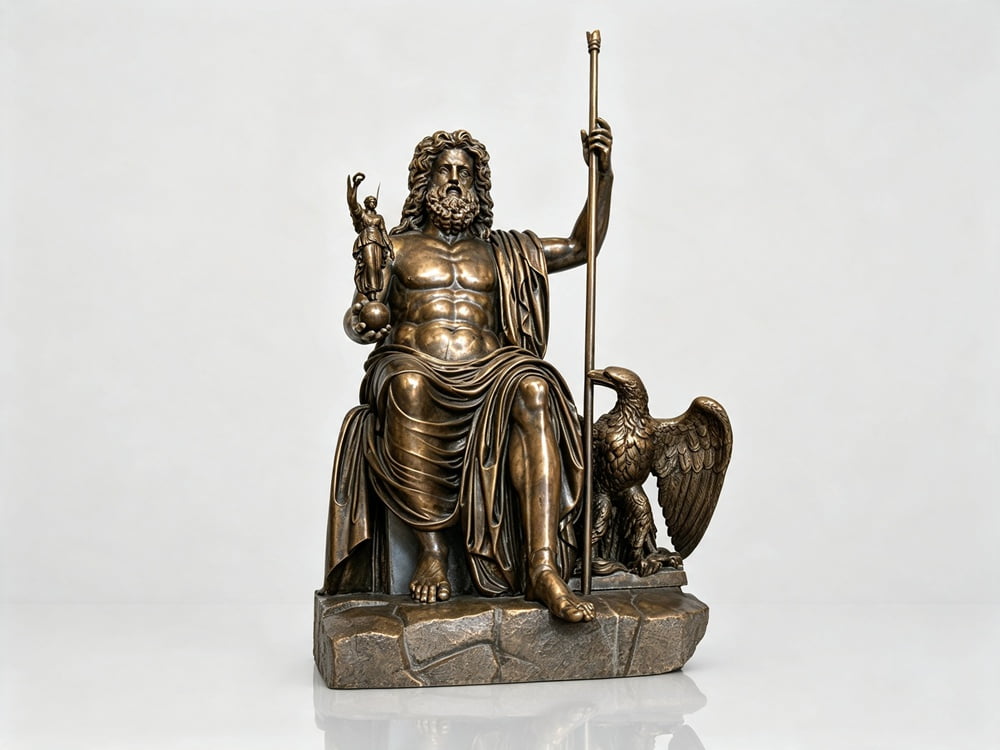
Zeus
King of the gods and symbol of power, authority and justice.
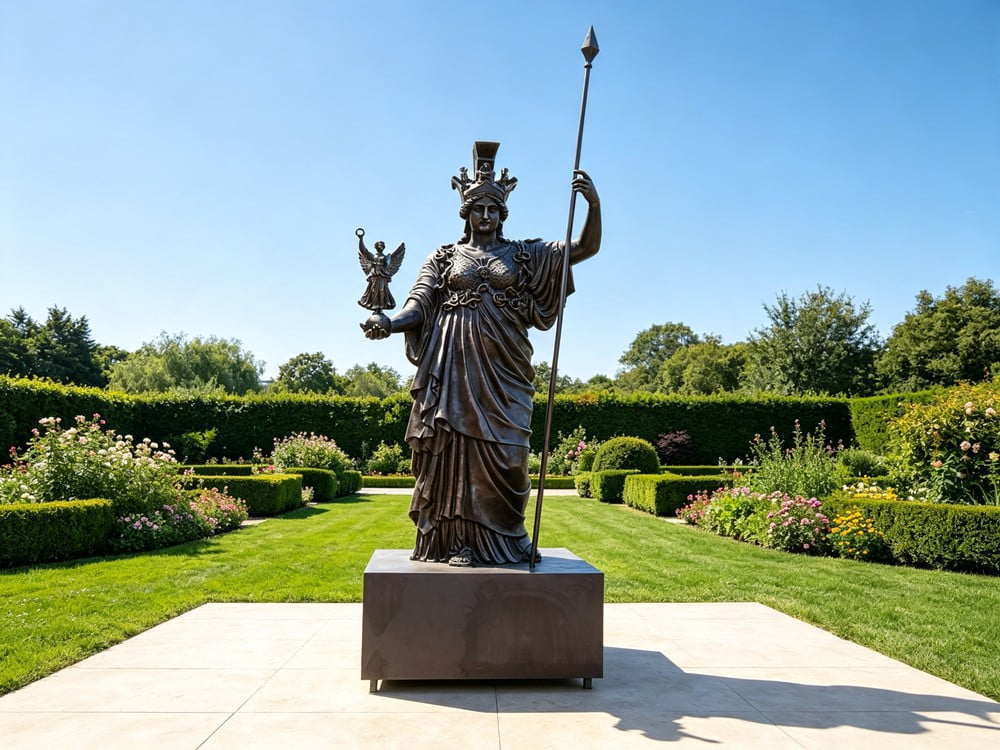
Athena
Goddess of wisdom, strategy and warrior spirit.
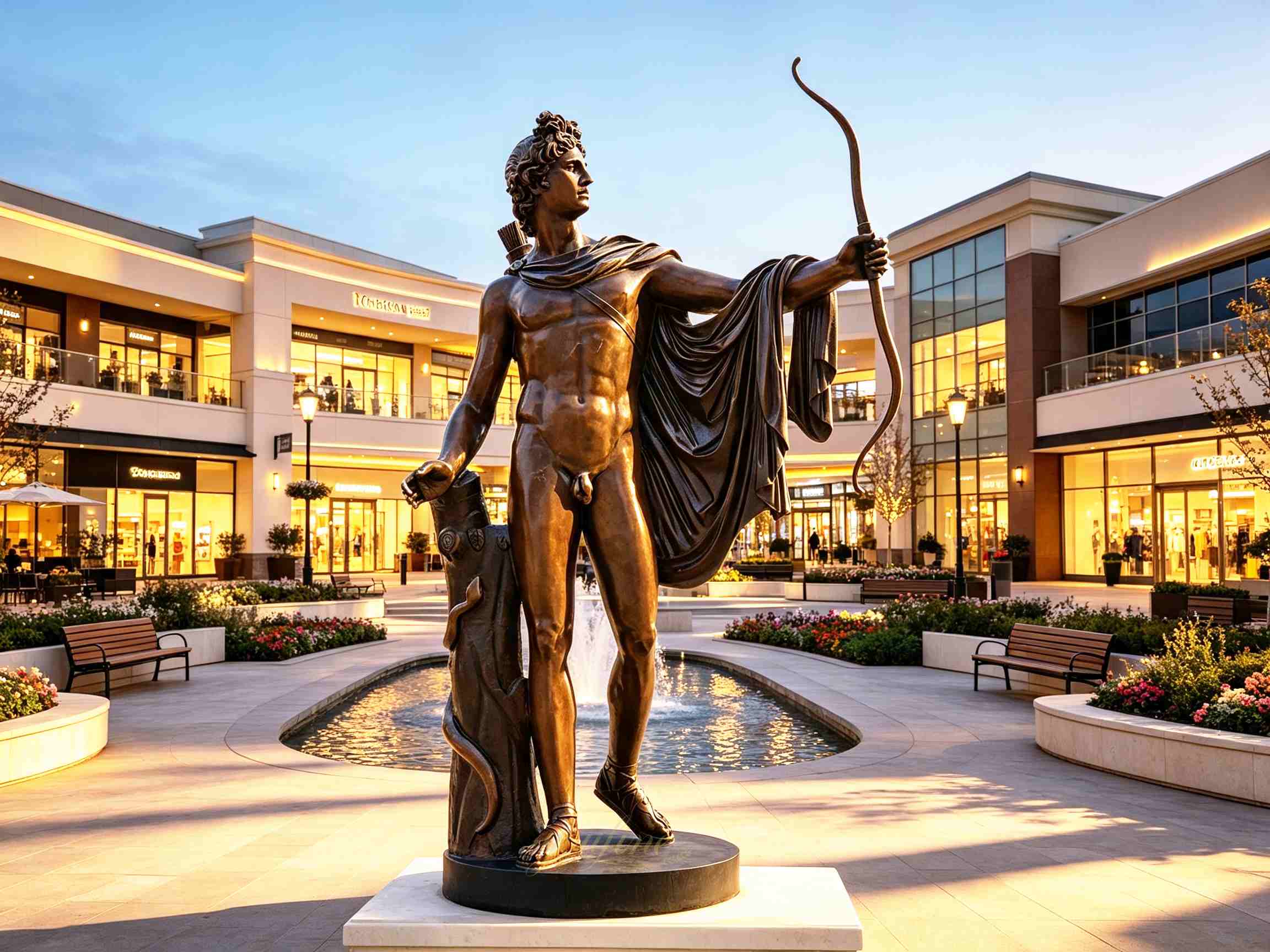
Apollo
God of light, music, beauty and artistic inspiration.
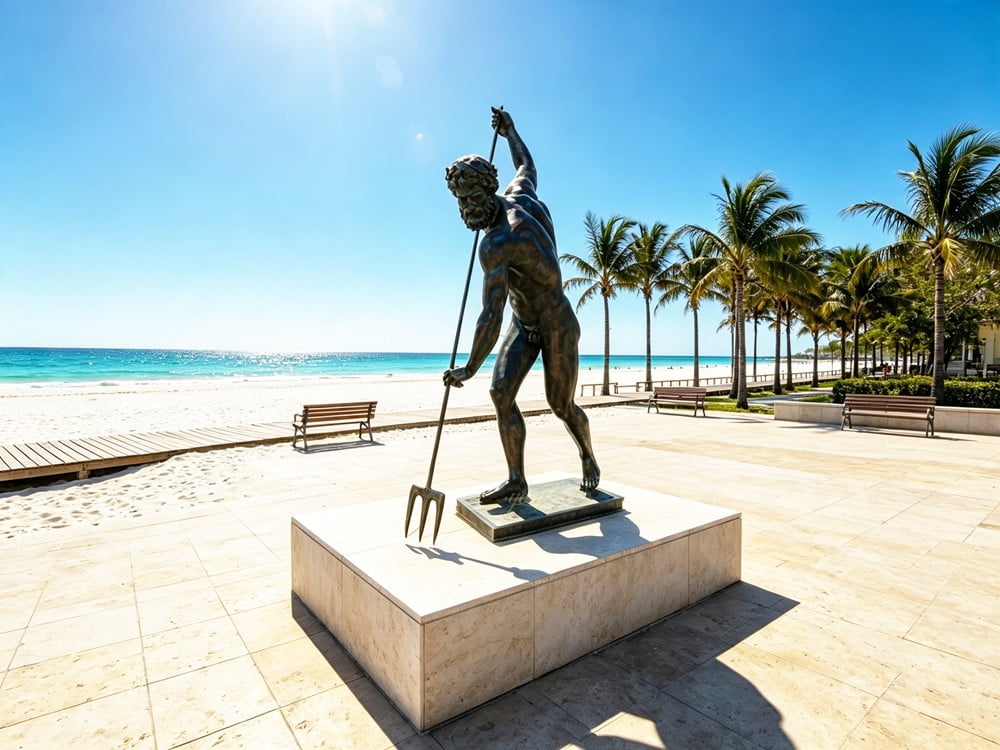
Poseidon
God of the sea, earthquakes and horses, symbolizing strength, power and the forces of nature.
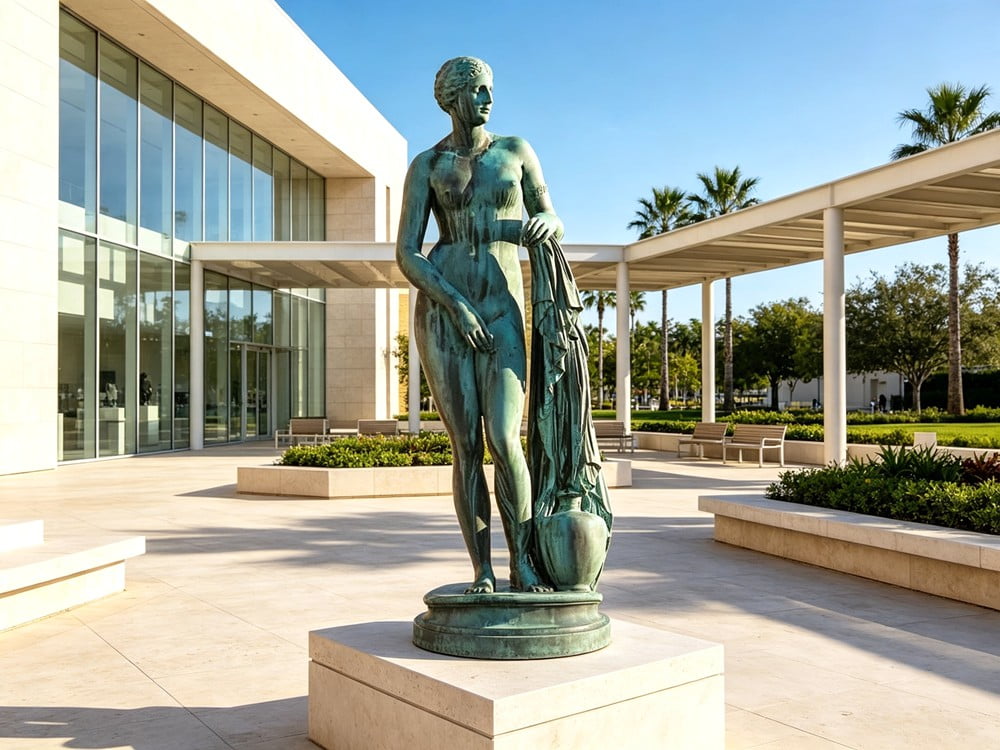
Aphrodite
Goddess of love, beauty and desire, representing idealized beauty in classical Greek art.
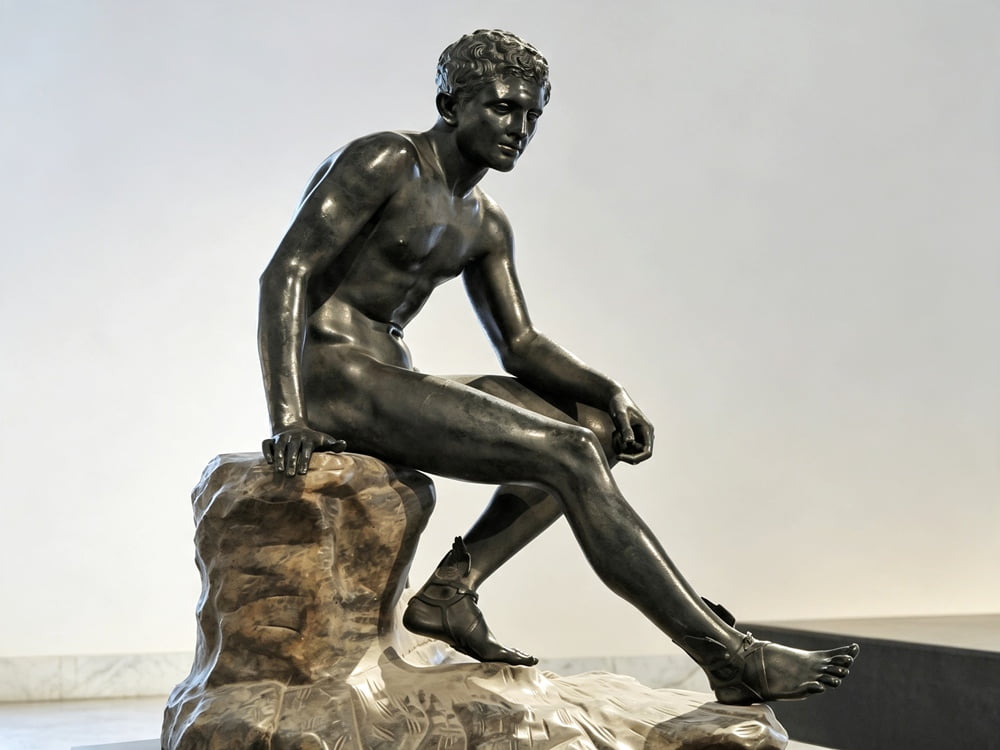
Hermes
Messenger of the gods and protector of travelers, symbolizing communication, movement and intelligence.
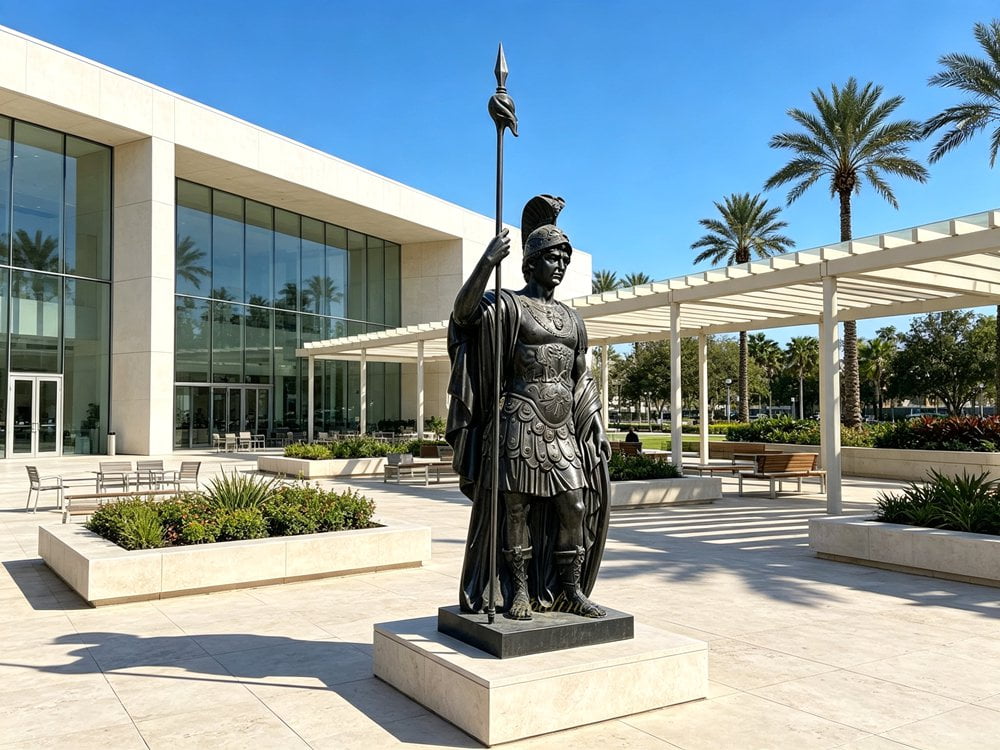
Ares
God of war and battle courage, representing strength, conflict and warrior spirit.
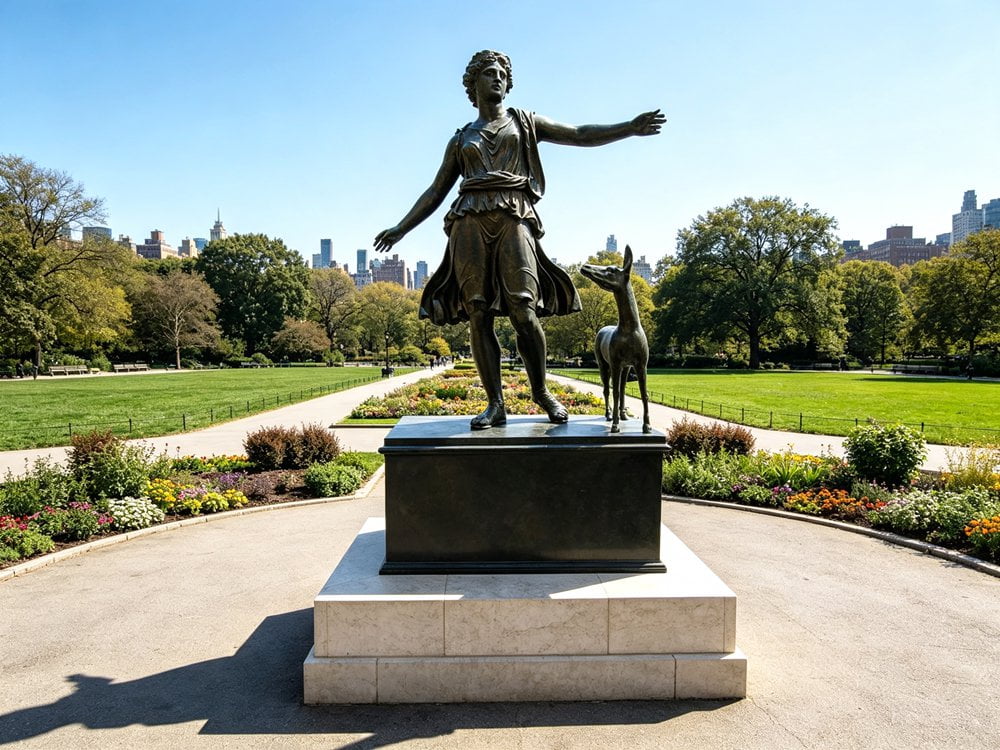
Artemis
Goddess of hunting, wilderness and the moon, representing independence, nature and protection.
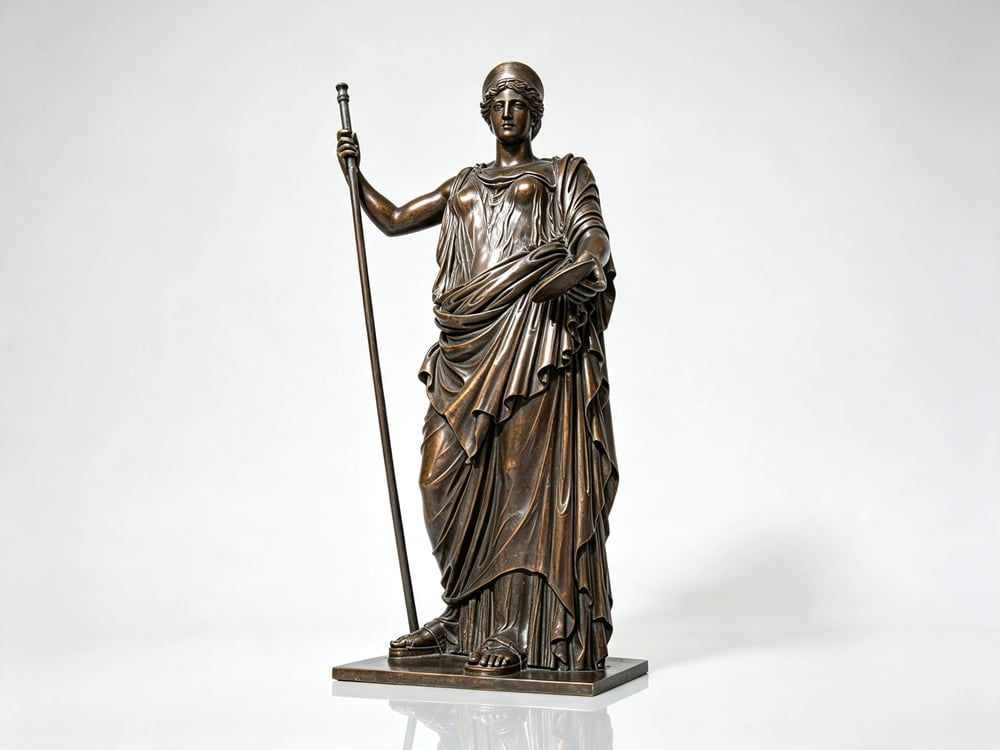
Hera
Queen of the gods and goddess of marriage, representing dignity, family and royal authority.
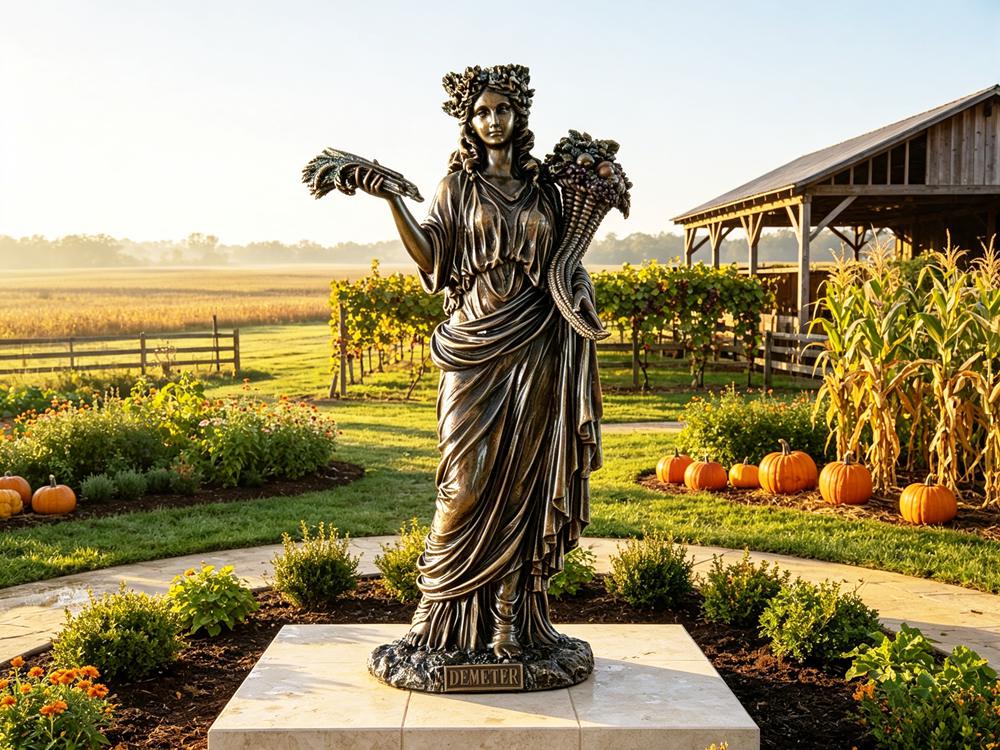
Demeter
Goddess of agriculture and harvest, symbolizing fertility, nature and the cycle of life.
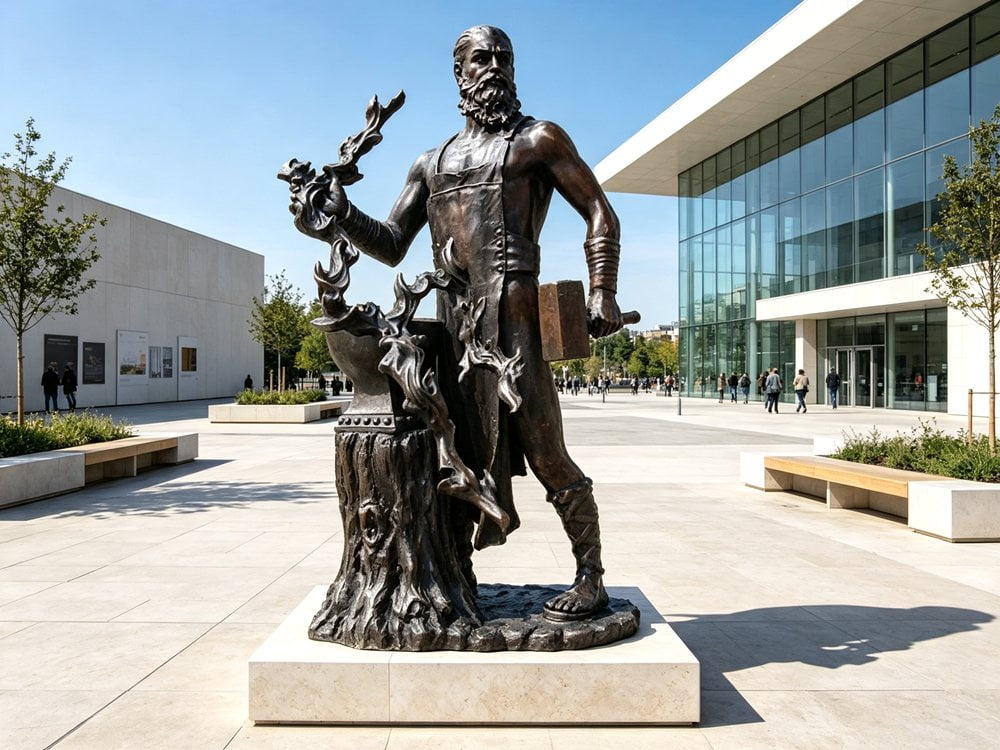
Hephaestus
God of fire, metalworking and craftsmanship, representing creativity, technology and artistic creation.
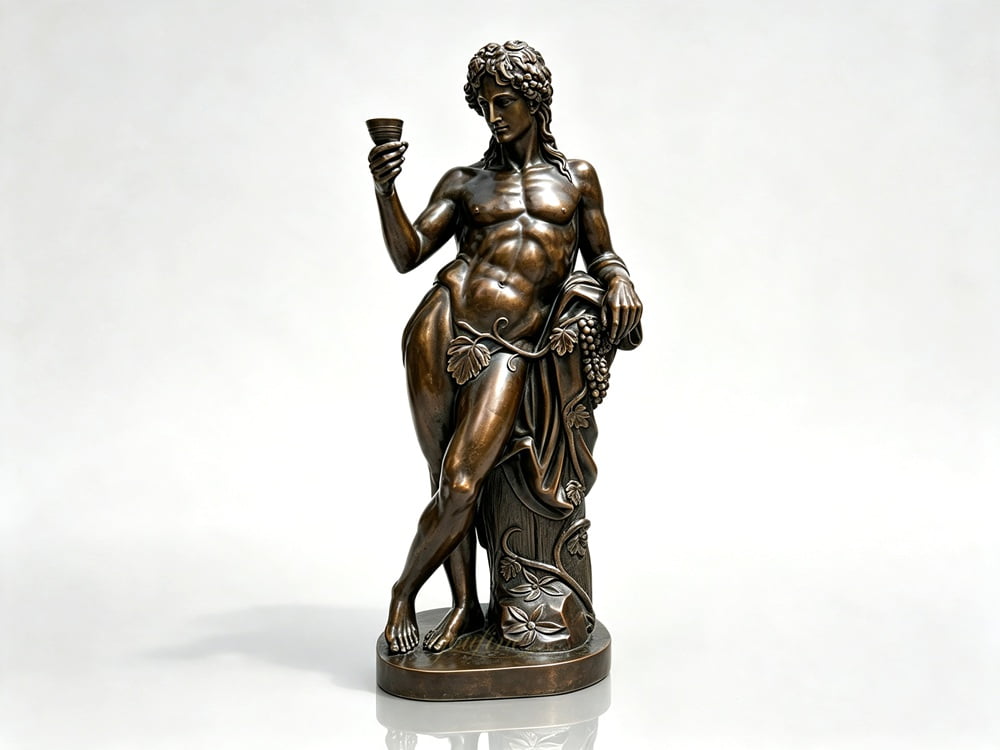
Dionysus
God of wine, theater and celebration, representing creativity, passion and artistic expression.
Create Your Own Greek Bronze Sculpture
Custom sizes, designs and finishes available for gardens, museums, hotels and public spaces.
Request QuoteThe Divine Hierarchy Collection
Explore our exquisite bronze sculptures inspired by the gods and heroes of ancient Greece.These Greek gods form a vast and intricate universe in Greek mythology, each with their unique personalities, roles, and influence over the ancient world.
Primordial Deities
These deities existed before the creation of the universe and represent the fundamental elements of the cosmos.
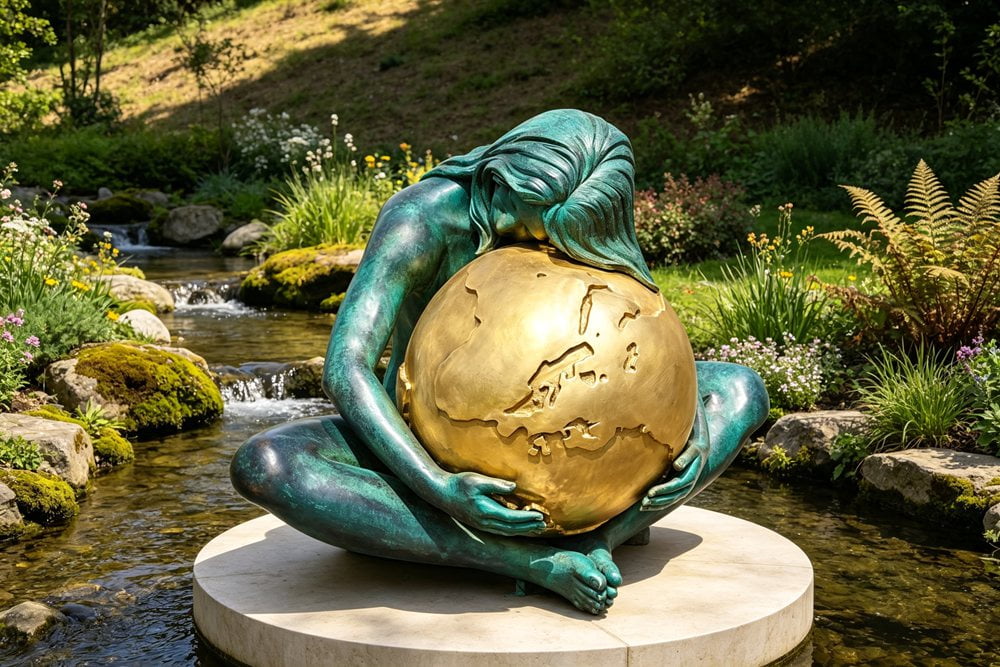
- Gaia: Mother Earth, the origin of all life
- Uranus: God of the sky, Gaia's consort
- Eros: God of love and primal passion
Titans
Children of Gaia and Uranus who originally ruled the universe before being overthrown by the Olympian gods.
- Cronus: God of time, father of Zeus
- Prometheus: Stole fire for humanity
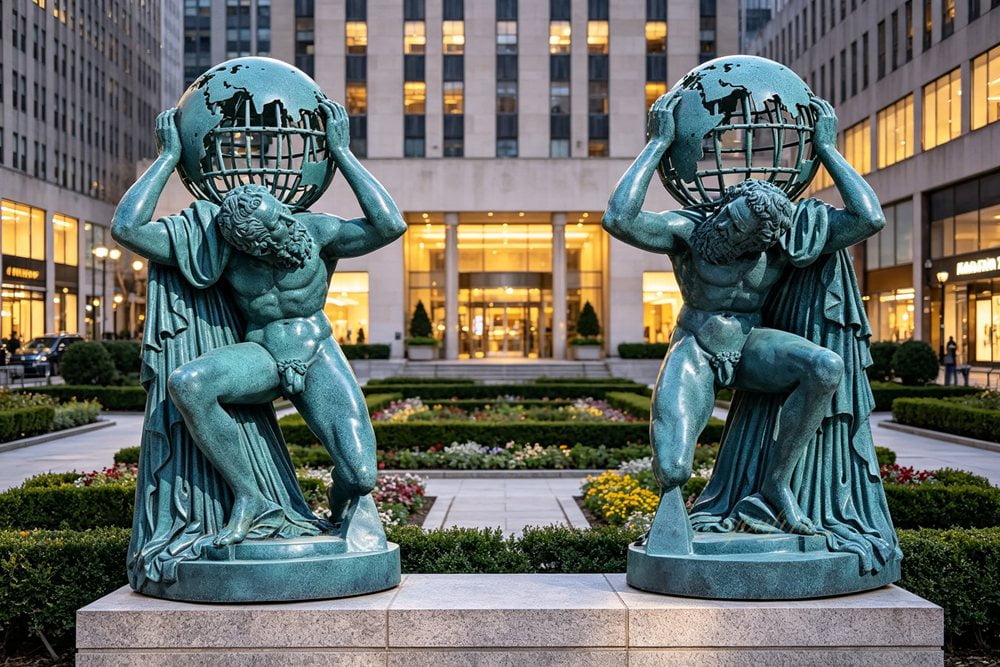
- Atlas: Condemned to carry the heavens
Heroic Deities
Semi-divine heroes born from gods and mortals who earned divine status through their legendary deeds.
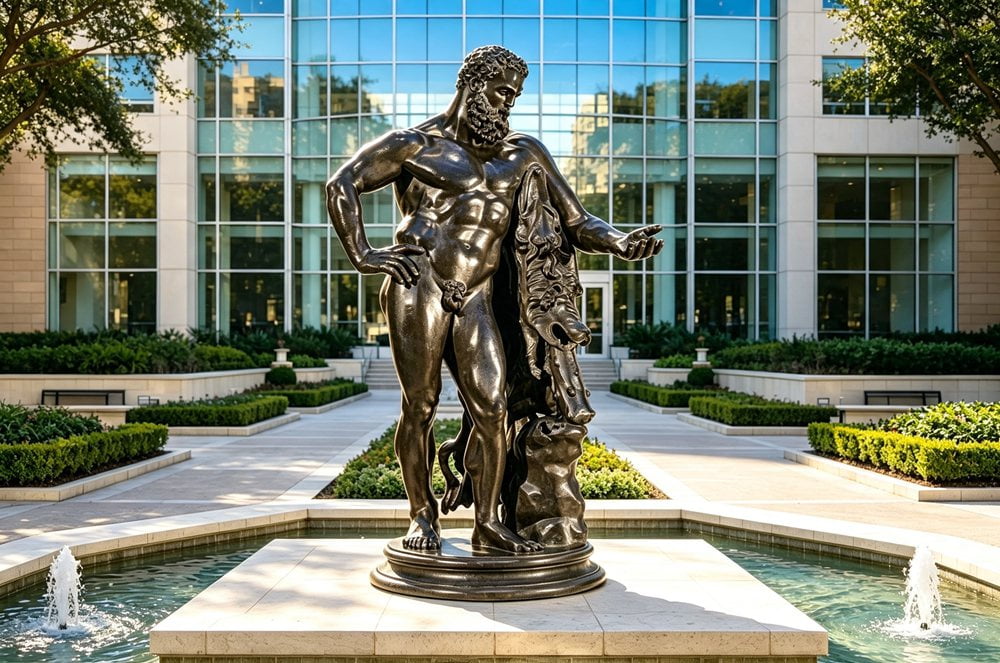
- Heracles: Greatest hero, Twelve Labors
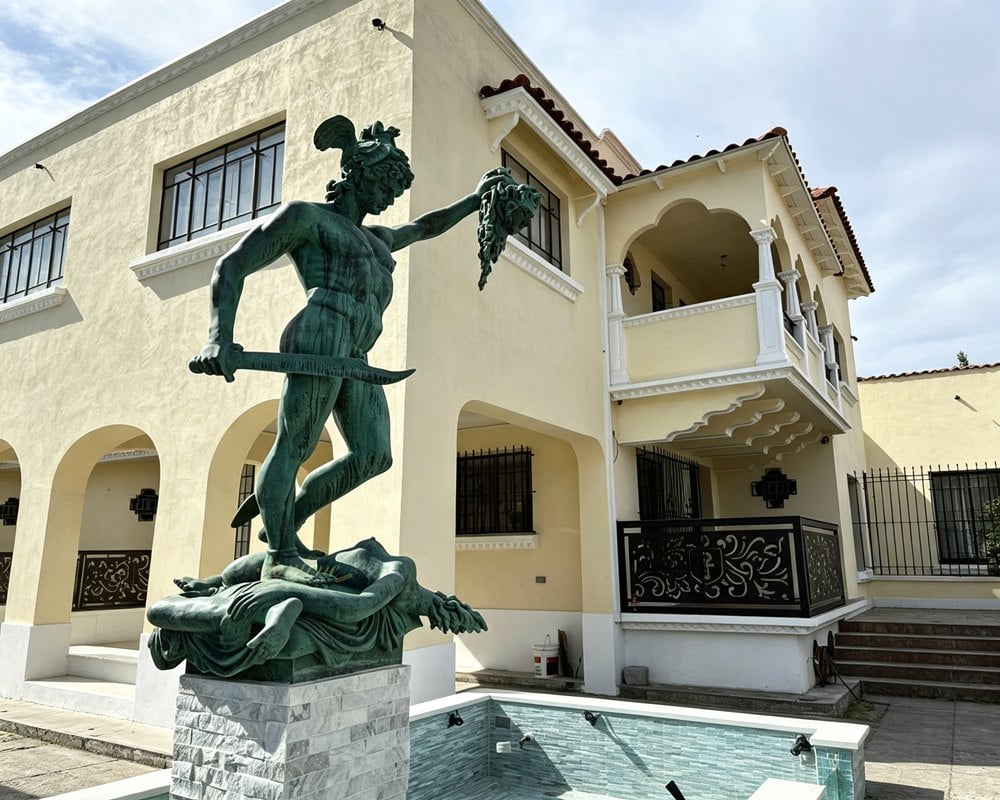
- Perseus: Slayer of Medusa
- Achilles: Greatest Trojan War warrior
Underworld Deities
These gods rule the Underworld and are associated with death, the afterlife, and the mysteries beyond.
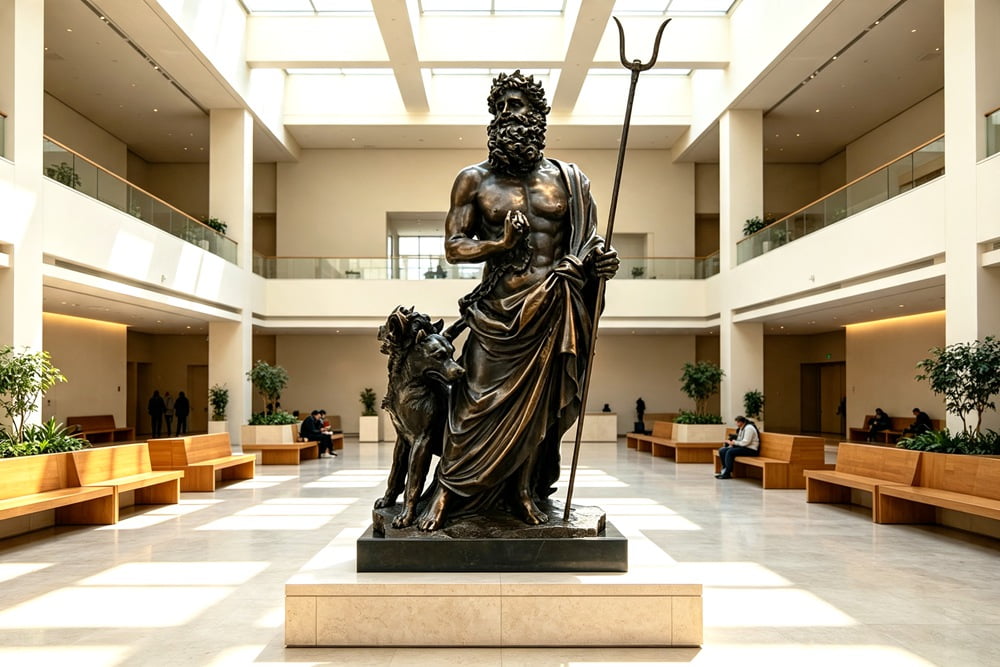
- Hades: Lord of the Underworld
- Persephone: Queen, changing seasons
- Thanatos: God of peaceful death
Other Important Deities
Beyond the major gods, several other significant deities control destiny, magic, and the mysteries of night.
- Eos: Goddess of the dawn
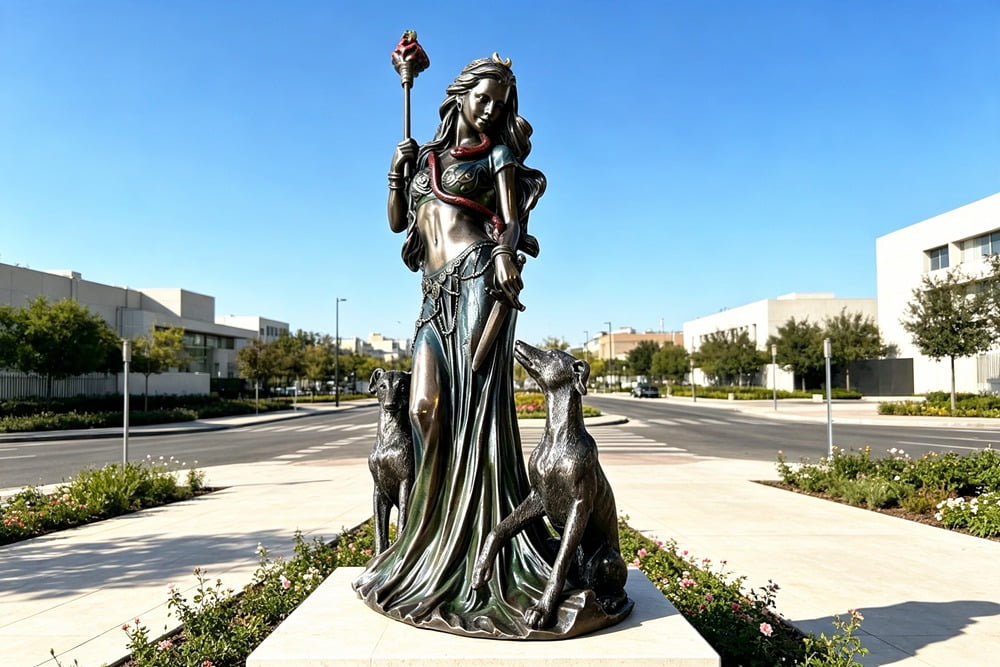
- Hecate: Magic and crossroads
- Moirai: The three Fates
Greek Heroes &
Mythological Figures
Greek heroes such as Hercules, Achilles and Perseus have become timeless symbols of courage and human achievement. Their dramatic stories make them popular subjects for monumental bronze sculptures.
YouFine Bronzes Gallery
Send Your Inquiry
Custom Bronze Greek God
Sculpture Production
BronzesGallery provides complete custom bronze sculpture services. Our foundry works with artists, architects, collectors and organizations to create unique bronze artworks using time-honored techniques.
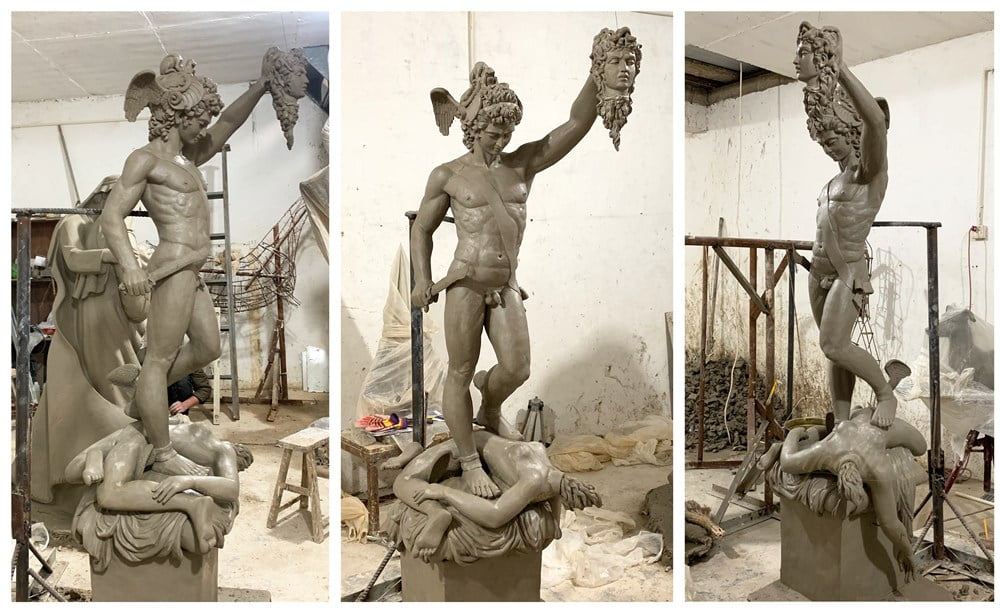
Clay Modeling
Our professional clay model artists transform your concept into a detailed three-dimensional prototype. Working from client drawings, reference images, or inspiration boards, they meticulously sculpt every detail to capture the essence of classical Greek artistry.
- Concept development and 3D design consultation
- Proportional accuracy following classical techniques
- Client approval before casting begins
Casting & Polishing
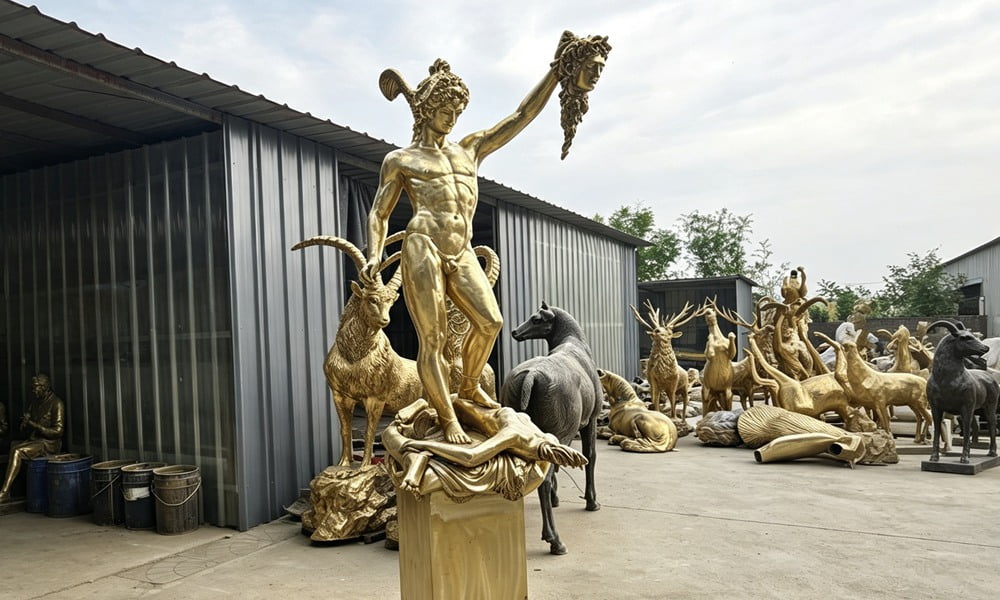
Using the traditional lost-wax casting method passed down through generations, our master craftsmen pour molten bronze into precision molds. After casting, each piece undergoes meticulous polishing to reveal the metal's natural luster and prepare the surface for patina application.
- Lost-wax casting for dimensional accuracy
- Hand-finished surface detail refinement
- Quality inspection at every stage
Finished Masterpiece
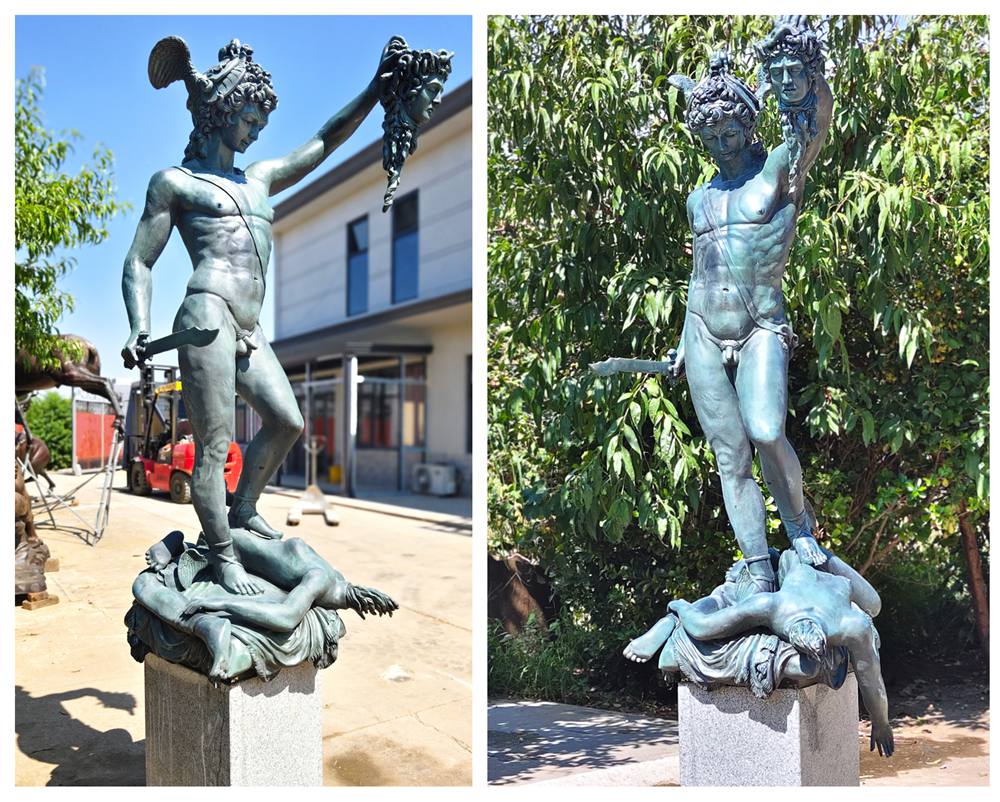
The final stage brings your sculpture to life with hand-applied patina coloring and protective coatings for outdoor durability. Each finished piece undergoes thorough inspection before secure packaging and worldwide delivery coordination.
- Hand-applied patina for authentic finish
- Outdoor corrosion protection coating
- Worldwide shipping and installation support
43+
Years Experience
100%
Custom Made
100+
Global Regions
∞
Possibilities
Frequently Asked Questions
How long does it take to create a custom bronze Greek statue?
Production time depends on size, complexity and customization requirements. Standard pieces typically take 60-90 days, while large monumental sculptures may require 4-6 months. We provide detailed timelines after reviewing your project specifications.
Can you create large outdoor Greek sculptures?
Yes. We produce life-size and monumental bronze sculptures for gardens, parks, hotels and public projects. Our team can handle pieces up to 10 meters tall with proper structural engineering and installation support.
Do you ship internationally?
Yes, we ship worldwide. We offer various trade terms including EXW, FOB, CIF and DDP. All sculptures are professionally crated with reinforced packaging and moisture protection for safe international delivery.
Request Your Custom Quote
Share your vision with us. We'll respond within 8 hours with detailed information and pricing.